
Translated material
"The interests of the FSB were taken into account." Active human rights defenders were excluded from the PMC
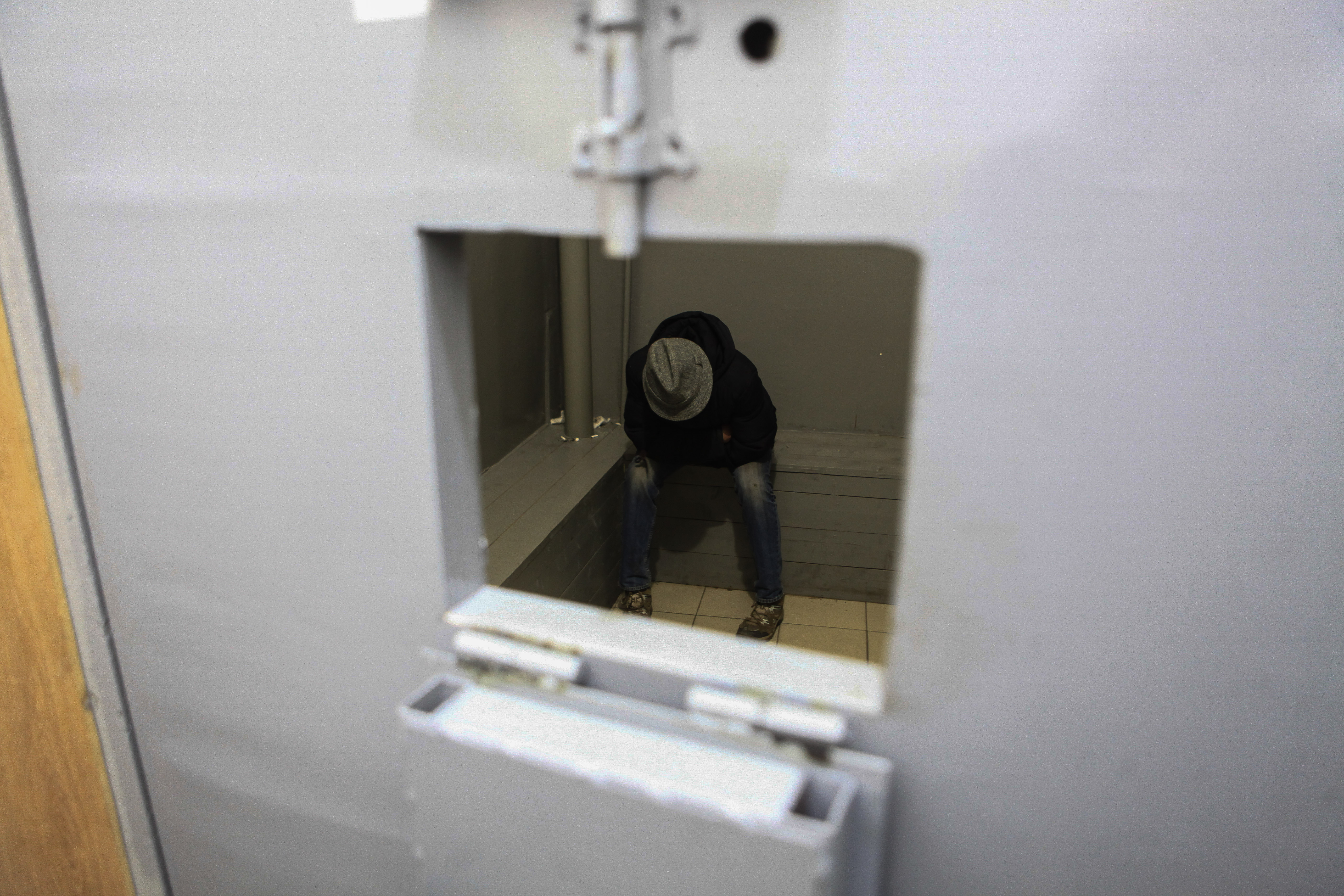
The new composition of the St. Petersburg Public Supervisory Commission , approved by the Public Chamber once every three years, did not include human rights activists Yana Teplitskaya and Ekaterina Kosarevskaya, known for their active work to protect the rights of prisoners. It was Teplitskaya and Kosarevskaya who reported the torture of the accused in the case of the “network”, and then released the stories of the accused in the case of the explosion in the St. Petersburg metro Abror Azimov, who was tortured in the secret prison of the FSB.
For those three years that human rights activists managed to work as part of the St. Petersburg PMC, Yana Teplitskaya believes, firstly, that they managed to fix traces of torture on the body of the accused in the case of the “network” of Viktor Filinkov and Igor Shishkin, and secondly, the conclusion about torture in the FSB, in which they came to the conclusion that today “torture is practically An integral part of the Office of the Federal Security Service of Russia in St. Petersburg and the Leningrad Region of Inquiry and Investigation. ” In conclusion, there is a summary table with the names of people who have been tortured, a description of the tortures themselves, dates and places - where and when torture occurred. There are also lists of officials involved in torture, acts drawn up by human rights defenders on complaints of victims, lawyer polls and applications for the application of torture to the Investigative Committee, the conclusion of a forensic medical examination, refusing to institute criminal cases on torture statements and many other materials.
Revise all matters in which there are unacceptable evidence, and bring to justice all the employees of the Federal Security Service in St. Petersburg and Luo involved in torture
The conclusion also states that the practice of torture put on the stream could not have developed if the judges, doctors, journalists, lawyers, employees of the Investigative Committee, the FSIN and the police considered it unacceptable to torture and cover those who torture those who are under investigation. At the end of their conclusion, human rights activists wrote that they consider it necessary to revise all cases in which there are unacceptable evidence, and bring to justice all the employees of the Federal Security Service in St. Petersburg and Luo involved in torture or concealing information about them. Human rights activists offer all information about torture to be published, and the Office of the Federal Security Service of Russia for St. Petersburg and the Leningrad Region to dissolve without transferring its functions to another organization. This is the very conclusion that the Kolpinsky District Court on the eve refused to introduce human rights activists to the case against the SIZO-1 administration, interrupting the story of Abror Azimov about torture. Human rights activists tried to appeal the legality of the interruption of this story, but lost the court.
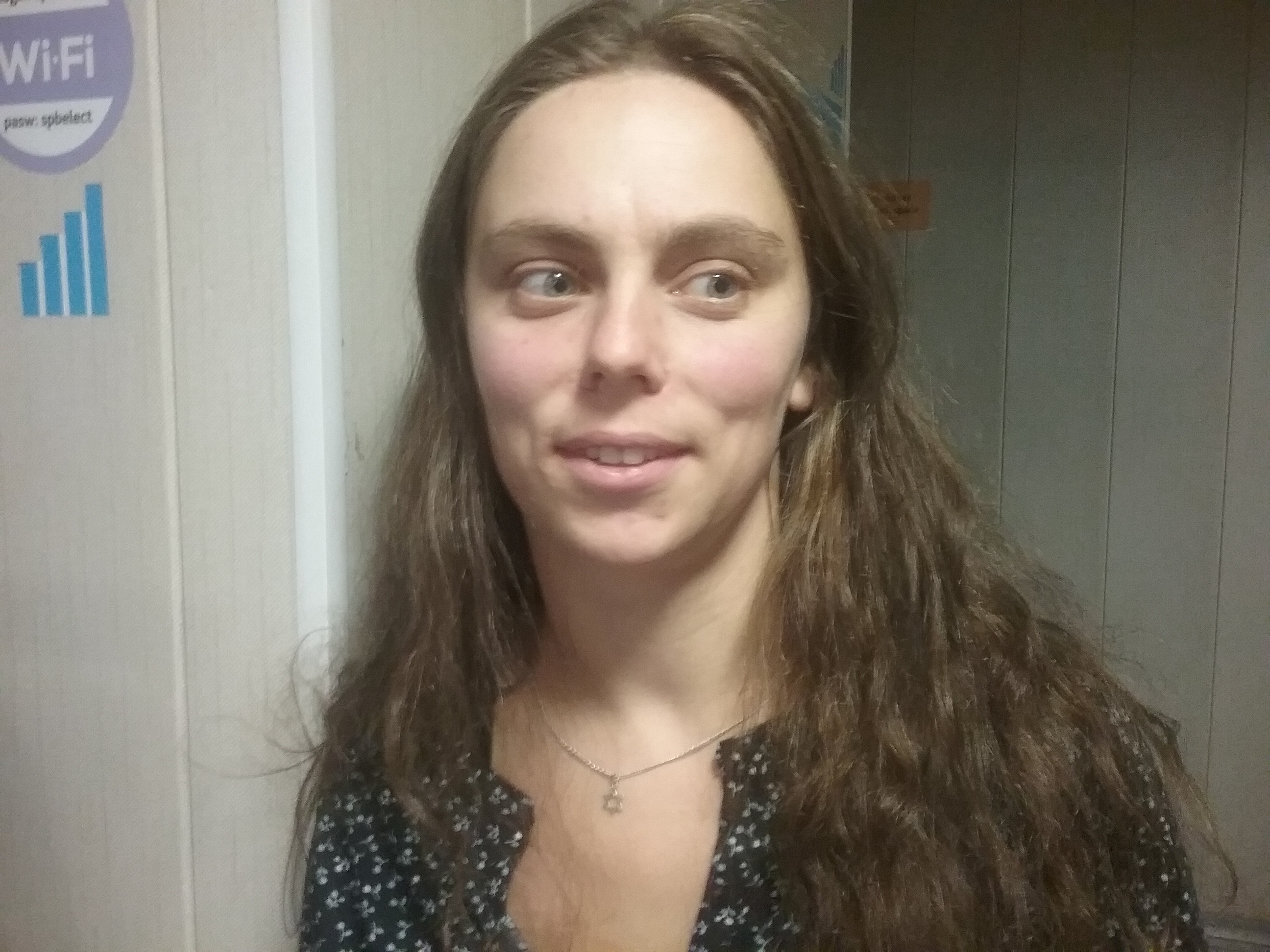
According to Yana Teplitskaya , for her and for Ekaterina Kosarevskaya, the exception to the new composition of the PMC was expected, since the tendency to leak from the PMC of the most active members who constantly indicate violation of people's rights in places of deprivation of liberty was already outlined several years ago, and there are no signs of its change yet. Teplitskaya believes that the procedure for approving the new composition of the PMC, which is held in the Public Chamber every three years, is extremely opaque.
The most active human rights defenders did not only fall into the Lists of the PMC not only here, but also in Yekaterinburg and in Moscow, lists were formed underground
- This is in line with all previous lists that the Public Chamber published. And now the most active human rights activists did not get on the Lists of the PMC not only here, but also in Yekaterinburg and in Moscow. The lists themselves were formed somehow underground, they lied to reporters all the time. Journalists asked them to accredit them to the meeting, they answered them: sorry, we still do not know what form we will conduct it, in person or in absentia - but no matter how it passed, none of the journalists were called to him and did not inform about him.
-They say that the FSB has a certain stoplist for active human rights activists.
- I don’t know about this, but it is clear that the interests of the FSB were taken into account. Although we caused a lot of troubles, not only the FSB, I think that the Human Rights Assistant, the head of the department of St. Petersburg FSIN, Elena Valerievna Kuznetsova, also did not really want us to get into the PMC again, for some reason she had a personal negative attitude towards us. In past years, everything was clear: from the lists they crossed too active and those who looked like foreign agents, but this time they did not - they took Elena Shakhova, similar to foreign agents.
-In the new composition of the PMC there is someone who, in your opinion, will not allow the PMC into a decorative organ?
- So far I would not want to talk about it so that they would not be interfered at the first meeting when the regulations will be accepted.
In 2016, her active member Leonid Agafonov was deleted from the Petersburg PMC.

He is not surprised by the removal of Yana Teplitskaya and Ekaterina Kosarevskaya from the new PMC.
- This is our fate. Yes, we are no longer in the PMC, but we managed to do a lot to facilitate the fate of cancer patients - there was even a court about non -ordering medical care. True, the system mimifies, and now they try not to keep such patients in one place - they are diagnosed and sent to the colony, so that human rights activists are becoming very difficult to monitor their fate. We have done a lot in the field of protection of the rights of women who were confined to children-childbirth in handcuffs, transporting women with children, and here to observe a little easier, they are all in sight. We raised many important topics and continue to publish our investigations, so that with the exception of the PMC, our work did not stop. Yes, they are trying to interfere with the activities of the PMC, but in fact it is impossible, because people are different, different approach of officials, the same employees of the Federal Penitentiary Service, prosecutors. It is important that people who are not afraid to ask. Once they will refuse, they will refuse the second, and they will answer the third - the main thing is to be persistent. It is very good that Roman Shirshov, who often worked in pairs with Yana Teplitskaya, and Elena Shakhova, in the last composition, this means that there is at least some human rights representation in the new composition. Shakhova is a famous person, she taught judicial journalists, she has a lot of experience with both the coach and the organizer, and I think it will not be difficult for her. If only she has enough time to walk in prison as much as Katya went with Yana - I am surprised how they had enough of them at all.
According to the chairman of the human rights organization “Civil Control” by Elena Shakhova, she had to submit an application to the PMC from another organization - “Soldiers' mothers of St. Petersburg ”.
In the West, visits to a pre -trial detention center are often made without notice. We have no such right
- We submitted statements from ourselves many times, but we were always refused. According to the Law on PMCs, non -profit organizations - foreign agents cannot put forward their representatives to the PMC, and “civil control” in the list of foreign agents, ”she says. - The fact that my candidacy was approved is very surprised and pleased. I am going to work as a member of the PMC in accordance with the aim of creating this body and I really hope that at least at the first stage we will consult with those members of the PMC that have not been included in the new composition: in recent years, Yana and Katya have received just exceptional experience, we will work in the team. In general, it is worth comparing the work of our PMCs with the work of national-trained mechanisms in other countries: our members of the PMC need to coordinate their visits to pre-trial detention centers and colony, and in the West visits are often made without notice. We do not have such a right.
According to Shakhova, one must strive to ensure that a national-traffic mechanism also appeared in Russia, which will systematically deal with torture and inhuman circulation. But for this, Russia must ratify the additional protocol of the Convention against torture .