
Translated material
Iraq: The war is over?
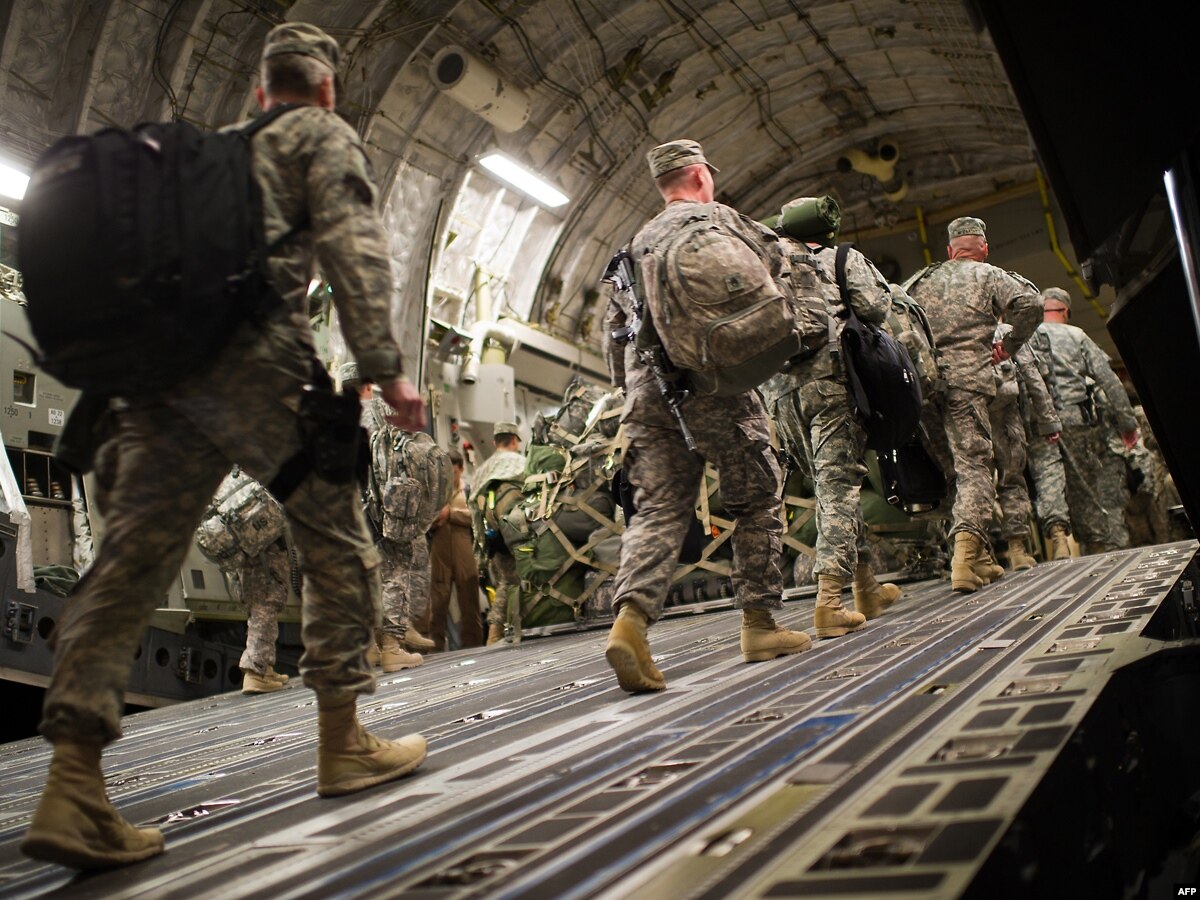
A column of 110 heavy trucks and armored vehicles of the US Armed Forces crossed the Iraq-Kuwait border on December 18 at 7.38 local time. Having made a five-hour march, the fighting zone left the last 500 American troops assigned to the 3rd brigade of the 1st motorized division.
The departure of the last group of American military from Iraq went without a pump. This looked like a striking contrast with the beginning of the shock and thrill on March 20, 2003, when, after air strikes in the southern part of Baghdad, where Saddam Hussein was allegedly hiding, the ground forces of the Anti -Saddam coalition moved from Kuwait along the desert to the Iraq capital.
Saddam Hussein fell for several weeks. A few months later, the dictator was captured and subsequently executed by the court sentence after coming to power in Iraqi leadership, consisting mainly of Shiites. However, the end of Saddam became a catalyst for a fierce internal religious and ethnic conflict. In the past two years, the level of violence has fallen markedly, but the wounds of the enmity between the Sunites and Shiites have remained non -purple.
The conflict in Iraq took the lives of about 4.5 thousand Americans and more than 100 thousand Iraqis. The withdrawal of the US troops from Iraq was one of the key election promises of Barack Obama, who is now conducting a campaign for his re -election for the second presidential term in November 2012.
In recent days, officials in the United States, recognizing the high price that had to be paid for the Iraqi campaign, tried to present its end both to the victory - both for the American troops and for the Iraqi people, which was freed from the tyrant and builds democracy. However, many American experts say that the departure of the United States troops from Iraq leaves a lot of questions about whether Iraqis are able to finally form their own government in an atmosphere of continuing ethno -religious clashes; Is Iraq able to protect itself and maintain independence while the whole Arab East has set in motion?
“There are many incomplete affairs in Iraq,” retired General James Cartwright , former deputy chairman of the United Committee of the Chiefs of Staff of the US Department of Defense, said on CNN. - In the region there are processes remaining on the verge of potential conflicts. What effect will the internal trends in Iraq and the expected degree of our presence in the region are likely - this is probably the most important question.
Paul Bremer , who was a messenger in Iraq under President Bush, believes that President Obama, withdrawing troops from Iraq at the end of the outgoing year, took a very big risk:
- The definition of victory was actually made by President Obama even when he announced the decision to withdraw troops from Iraq. He then said that the democratic Iraq can serve as a country-etalon for the region. This is true. This was previously stated by President Bush. But the question is whether the democratic Iraq can survive if America leaves it without completing the task in this country.
Another key question is how the Iran neighboring with Iraq will act. This is indicated by the employee of the Institute of the World in Washington Robin Wright :
- Iran, of course, in the current situation among those who were in a strategic win. The United States managed to eliminate one of the rivals of Iran, and Tehran was in a much stronger position. At the same time, I think that with the departure of the United States, the historical tension between the Arabs and the Persians along the strategic border will probably resume, and Iran will influence many higher leaders in Iraq. But this does not necessarily mean that Iraq will become another province of Iran. I think that the role of the United States will now mainly consist in diplomatic attempts to help the government of Iraq to settle their internal disagreements, which are very serious.
Other experts recall that the decision of the Barack Obama administration to withdraw troops from Iraq was largely dictated by the fact that the Iraqi campaign lay with a huge burden on the shoulders of American taxpayers in the conditions of growth of budgetary shortage and US national debt. According to the employee of the Center for Strategic and Budget estimates of Todd Harrison , the consequences of the Iraqi war will affect American finance for more than one decade:
- The general financing by the Congress of War in Iraq for today, adjusted for inflation, amounted to about $ 824 billion. These costs do not include interest on borrowing and long -term expenses for benefits and payments to war veterans who will have their own characteristics, if only because the nature of the wounds of the participants of the Iraqi and Afghan campaigns differs from the received in Vietnam or, say, Korea. In this case, there are many traumatic brain injuries, as well as post-traumatic stress disorders. It is not clear what medical services is needed for their treatment. According to preliminary estimates, their cost can be up to a trillion of dollars - in addition to what has already been spent. This is the prospect for the next 30-40 years.
After the departure of the last American soldier in Iraq remains an unprecedented diplomatic presence in the United States. Up to 16 thousand American citizens - diplomats, economic advisers and security guards from private firms will work at the State Department in the embassy in Baghdad and in consulates in other Iraqi cities.