Date
Author
Александр Генис; Соломон Волков
Source

Preserved copy
Translated material
Dialogue on Broadway
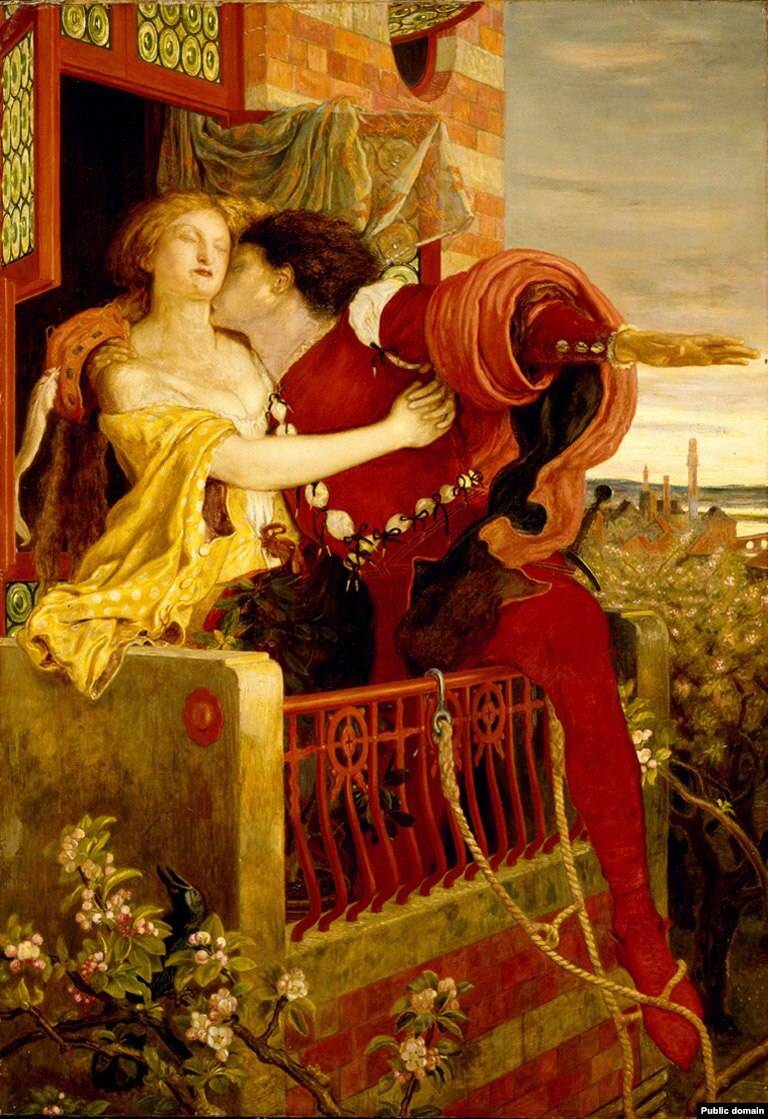
“Broadway” on the screen. The prospects of new operas. To the 40th anniversary of Solzhenitsyn's expulsion
Alexander Genis: Today's release ACh will open a “Broadway Dialogue”, which we are conducting with Solomon Volkov in the Broadway studio Radio Liberty.
Solomon, what is they talking about Broadway?
Solomon Volkov: At Broadway, of course, they are preparing for Valentinov Day. In this regard, they discuss an event that can be called sensational, namely: Broadway finally decided to show himself to the whole world. - On the movie screen. It would seem that Broadone is such a famous brand, but for some reason he was late in what respect. In this area, as we know, a pioneer, as they say in America, that is, the innovator turned out to be a metro, a metro, an opera, which first began to broadcast her performances in cinemas around the world. And this is the merit of Peter Gelba, the new General Director Met. This undertaking, as Iskander used to say, turned out to be an interesting and great success, including commercial - it brings a considerable money to the metro.
Alexander Genis: And now the Bolshoi Theater and many opera theaters have connected to this.
Solomon Volkov: Also, dramatic theaters in England, London.
Alexander Genis: This is a separate story. But now for the first time Broadway tried himself in this genre. And the Broadways decided to start just in Valentin's day, with Romeo and Juliet, a performance, which with great success was on Broad in winter. But this performance has already finished its ideas on Broadway, and now it will be shown in the cinema. For the first time, spectators will be able to see a dramatic performance on the screen in the multiplex, a ticket costs $ 23, but this is a penny compared to how much a ticket costs to the Broadway Theater.
Solomon Volkov: How much you need to pay to see alive.
Alexander Genis: I have to say that most of all I am interested in the economic issue in this case, because the opera is clear, the opera is expensive art. If I pay for the opera 60-70 dollars, I think that I saved. Because looking at the Metro Spectal is a rare joy: such a constellation of names is such a shock.
Solomon Volkov: This is a privilege.
Alexander Genis: Really a privilege to live in New York, when you think you can get to such a performance and really this is a very expensive performance. Each opera put in a metro costs about a million dollars. It is clear why. Because it is an elite art, although it was far from always the opera. But for Broadway performances, tickets cost $ 150.
Solomon Volkov: And on the stage - two chairs and three actors.
Alexander Genis: Absolutely fair. I watched such performances, and they are wonderful. He watched Peter Bruka, for example, "the man who took his wife by the hat." In the play, as you said, there were three actors, two chairs and one white robe. To whom the dressing gown was delivered, he was a doctor, and when he shot him, crazy. It was so great that I agree to pay $ 150 for this.
Solomon Volkov: I do not agree.
Alexander Genis: I can understand you too, because it is expensive! Broadone bites. And it annoying. But the most important thing is that few can allow you to go to the performance. After all, for this you still have to come to New York. Therefore, the fact that Broadway performances can be taken to movie screens, in my opinion. This will allow the theater to return to the place that he always occupied. The theater is not elitist, but mass art. Let us recall the Greeks where even slaves were allowed to the theater.
Solomon Volkov: You know, there is a problem. Opera, even if it is performed in the language of the original, firstly, it goes with subtitles, and secondly, the music is as such, it is believed that it is international art, the Italian opera is believed that a resident and Thailand, Japan and China can enjoy it.
Alexander Genis: So it is.
Solomon Volkov: But with a dramatic performance, still a slightly different thing. I judge by myself that I watch, say, when it shows public television, that I watch with great interest - the broadcast of the opera or the broadcast of the dramatic performance? Of course, the opera.
Alexander Genis: Well, it depends on which theater. No wonder we remembered the British here. The fact is that there are countries for which elite art is mass. In Italy, for example, the opera was mass art, and so, in many ways, and remained like football.
Solomon Volkov: In Austria, the same thing.
Alexander Genis: There is no in America, but in Italy - yes. In England, the theater is mass art, the theater and has always been like that. And in this regard, the British did a lot, which is why their performances are watching around the world. I would say that for the British Shakespearean, say, the theater is like the same football. The world is watching English football, much more fans of English football than the inhabitants of England, the same with Shakespeare's performances.
Solomon Volkov: Perhaps in this sense you are right.
Alexander Genis: Relatively recently, I watched the English “King Lear” on TV with pleasure, that is, this is not a living performance. And I can compare, I watched the same “King Lyr” on the stage. I must say, both there and there makes a gigantic impression. In general, real art breaks through the screen in the same way as a real opera breaks through the screen. But you said that the opera can and should watch and should watch in the cinema.
Solomon Volkov: Of course. Now we will monitor how this experiment will develop.

I remember how Konchalovsky said (we talked with him once about the new features of the movie) that everything appeared in the film equipment, and he dreamed of making a film about Marco Polo with the help of new technical means. Imagine what opportunities - old China to shoot, single -legged and everything else. But then he said: “On the other hand, the strongest video effect is the actor's face.”
And this face of the theater actor of the cinema allows you to see a close -up on the screen, something that is far from always in the theater. Especially in the theaters of the Broadway, they are very cramped, it is visible quite badly and is heard quite badly. There is also no wardrobe, no sensible buffet. When you pay these very 150 dollars of the ticket, it becomes insulting. Therefore, I expect a lot from this performance. The first pancake, which, I hope, will not come out of the lump, timed to Valentinov Day when they show “Romeo and Juliet”. Which is quite natural. Because on this day they always remember about “Romeo and Juliet”. Of course, on the radio they usually play Tchaikovsky, because we have repeatedly said that without Tchaikovsky any American holiday cannot be celebrated: on July 4 - “Overture of 1812”, “Nutcracker” - for Christmas and “Romeo and Juliet” - on Valentin's day. And what is your favorite musical interpretation of “Romeo and Juliet” in music?
Solomon Volkov: There are at least two more musical interpretations of Romeo and Juliet, which are worth talking about and who calmly withstand comparison with Romeo and Juliet Tchaikovsky. Moreover, I should notice that Tchaikovsky has two options - one - the famous symphonic poem, and the other less famous is the vocal duet to the music is approximately, but this is a very interesting experiment that few know about. As for the two other musical opuses of Romeo and Juliet, this is the Berliozovo version. Very interesting, expressive, exciting music. And this is Prokofiev’s ballet, of course. And I must tell you, I thought about what to choose for our today's conversation, than we illustrate it: Tchaikovsky is too familiar, and Berliosis, you know when I listened to him from this point of view - the Valentine's holiday, love, love should in principle be happy.
Alexander Genis: But not in Romeo and Juliet.
Solomon Volkov: In connection with this Broadway performance, the journalists were joking that what the spoiler is called when they say what the matter ended. Here they say: we only warn - the end will be bad.
Alexander Genis: Not at Prokofiev, who almost managed to attach a happy finale to the ballet.
Solomon Volkov: I just meant. Now people forget that when Prokofiev composed his ballet “Romeo and Juliet”, there was a problem: how will the dead Romeo and Juliet be dancing? The choreographer initially suggested leaving them alive, and Prokofiev agreed, he liked such ideas revolutionary. Soviet Shakespearers about this, having heard about this, arranged a terrible buch, a terrible scandal - an abuse of the classic.
Alexander Genis: Imagine that Onegin will marry Tatyana.
Solomon Volkov: Why not, I would be just very pretty. In general, I wonder which one would have turned out to be a married couple? It is worth considering.
Alexander Genis: I already thought about it and decided that Lev Tolstoy, having read “Eugene Onegin”, wrote “Anna Karenina”. Who is Anna Karenina? This is Tatyana, who abandoned Gremin and left her husband and Onegin, so the novel “Anna Karenina” turned out. Really like?
Solomon Volkov: Absolutely!
Alexander Genis: I give you this concept.
Solomon Volkov: If I were an artistic writer ... But returning to Prokofiev, in the process the creators of the ballet realized how to arrange so as not to change Shakespeare's finale, and everything worked out. However, of all three works, the most bright is the Prokofievsky version. I want to show an excerpt from this wonderful work. It will be ours with you, Sasha, a gift to all our beloved women in Valentin's day.
(Music)
Solomon Volkov: You recently told me about the remarkable reaction of our common colleague Boris Paramonov to one modern essay that you gave him to read (one new novel, we will not call the author). And suddenly, after some time, a furious and almost apoplexic paramones appear, who throws this work into the garbage urn and, for persuasiveness, begins to stomp it there. So, I read the lists of modern operas, selected by the critics of Times, experienced approximately the same emotions. Because in my opinion, these are completely irresponsible lists. I would propose such an experiment, by the way, with one of the critics at one time, it happened, namely, to instruct them to lead the opera theater with full financial liability and so that the repertoire of this theater would consist of those operas that they recommend now.
Alexander Genis: This is cruel.
Solomon Volkov: They would be kicked out in the first month.
Alexander Genis: And which of the critics fell into such a situation?
Solomon Volkov: John Rocuel, a critic that I really liked, he wrote about rock music, about ballet, and classical music. And then he was made by the head of the festival in the Lincoln Center. And in the second season they offered to leave this post, because he tried there to carry out the ideas that he betrayed in his scriptures.
Alexander Genis: In the justification of our critics, I must say that the new operas in question, a lot of their hour, not even that they are monstrous, they are nothing, but that’s nothing.
Solomon Volkov: Many monstrous.
Alexander Genis: I remember, there was a “view from the bridge” by Arthur Miller - nothing can be remembered. Or there was such a very touching experiment, which was very expensive - this is the “first emperor”, the opera of Tan Duna, which used rare inconspic, such as a stoves of violin. Plus, the service of Zhang Imou, the great Kiatic film director. And what? I am very good about Tan Duna, and the opera is interesting to me, I love China, but there was not a single note in the opera that could be preserved in my memory. Or - the “great Gatsby” opera, which was staged on January 1, 2000, it was an opera that should open the 21st century, but it was not renewed anymore.
Tell me, Solomon, what opera, do you think, can be called winging to enter the constant world repertoire?
Solomon Volkov: Of course, I can be called a retrograde, reactionary, a conservative, anyone.
Alexander Genis: Do not tell me, and so they will call.
Solomon Volkov: Thank you. I prefer a traditional repertoire in the opera to take into account reality. In addition, indeed, vertical operas for me are operas created mainly with the rarest exception, which include the “longing” of Puchini, the operator whose premiere fell on a fracture between the 19th and 20th centuries, all of them were created by the majority, and maybe even completely in the 19th century. The golden age of the opera for me is the 19th century, beat me with stones. But to say that I would not have operas that I really, very much like, which I listen to with great pleasure and which would be written in the 20th century, no, there are such. I love the operas of Prokofiev, and Shostakovich’s operas, and Britten opera.
Alexander Genis: And of the newer ones?
Solomon Volkov: And even, say, “Lulu” or “Votsk” Alban Berg I listen with great interest. Another question is that if I were appointed director of the opera theater, I would have thought a hundred times before putting the “Lula” of Berg or “nose” Shostakovich.
Alexander Genis: Nevertheless, they go, they are placed and, thank God, there are spectators on them. We know that Shostakovich’s “nose” recently went to the Metro-Opera with great success, and in two seasons. And yet, what you called is a classic, albeit a classic of the 20th century, and we are talking about new operas that have been written in the last 20-30 years, opera of the last generation.
Solomon Volkov: Well, first of all, I would attribute to them the opera of John Adams, one of my favorite American composers, which is called “Nixon in China” and which was written in 1987. I was at her premiere in New York, then she immediately made a strong impression on me, and I still saw her in different versions several times and every time I got great pleasure. This is a rarest sample.
Alexander Genis: What makes this opera exceptional?
Solomon Volkov: Again, I say in this case only for myself. I have always been interested in and continues to interest the interaction of culture and politics. Therefore, I am especially attracted by works where authors manage to demonstrate how political mechanisms work, if you like. I attribute to such works, say, “Khovanschina” by Mussorgsky. There is its own love interest, but it is secondary, and in Boris Godunov, Mussorgsky also added love interest, so I prefer the option in which this love interest was absent.
Alexander Genis: Where there was no Marina Mnishek.
Solomon Volkov: Yes, it would be a purely political opera. Mussorgsky was in this sense a perfect genius, as in many others.
Alexander Genis: Do you think “Nixon in China” is a new Mussorgsky?
Solomon Volkov: Yes. For me, this is a new “Khovanshchina” or the new “Boris Godunov”, because it is a rare example of a presentation on the opera stage of modern history. Because we are talking about Nixon's famous visit to China, where he met with Mao Zedun and Zhou Enlan. It was a breakthrough in relations between China and the United States, if you remember, having made a lot of noise, which produced a big panic in the Soviet Union. It was a historical visit in all respects. In the history of politics, he is present as such. But to take to write an opera on this plot - this could only a wonderful author, which, of course, is John Adams.
Alexander Genis: And what about music in this opera?
Solomon Volkov: This is very interesting and exciting music. I think that our listeners will agree with me when they hear a fragment from this composition. Aria of Nixon on the banquet, which was given in his honor. Listen.
(Music)
Solomon Volkov: Is it a good anniversary.
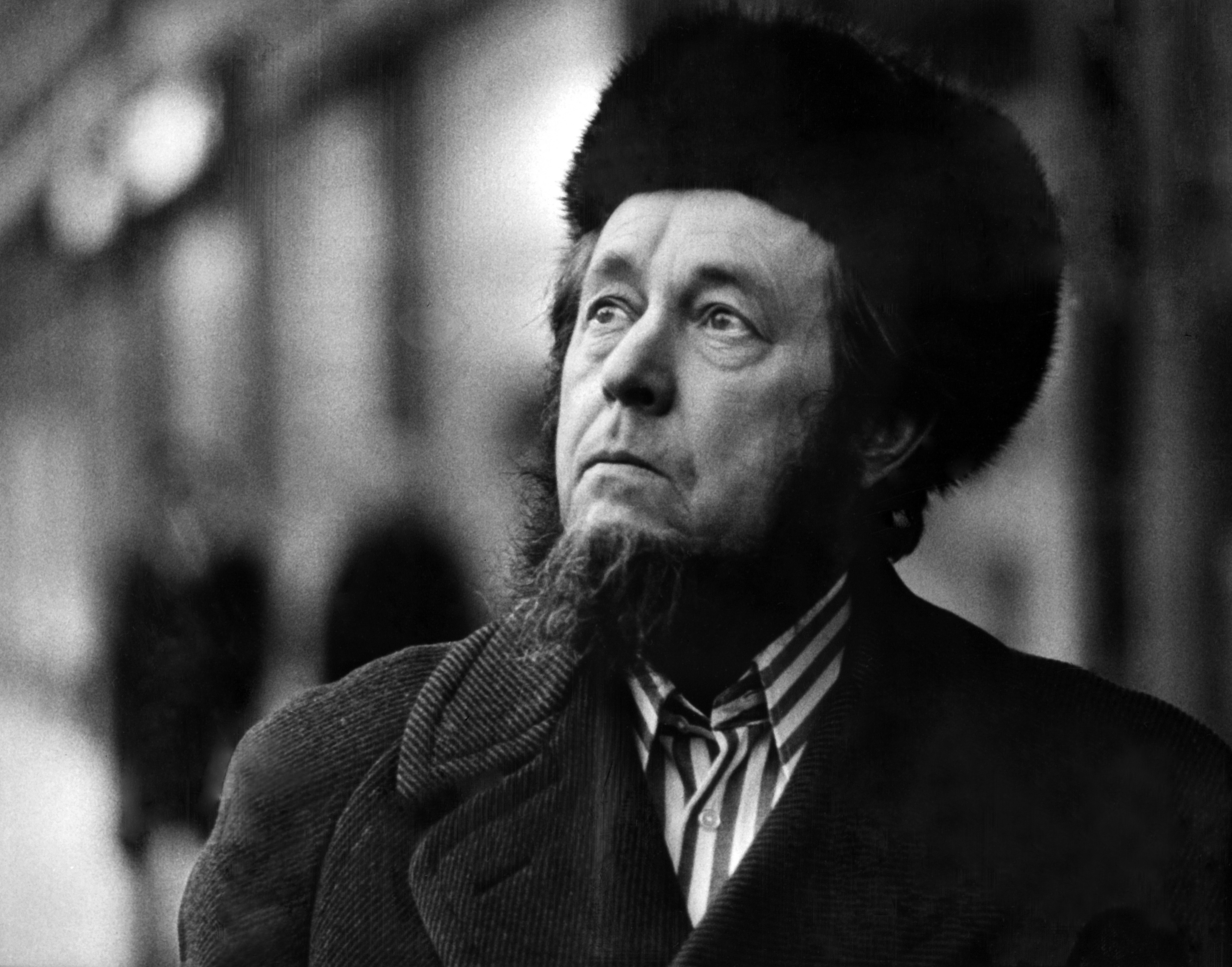
Alexander Genis: Whether this event is unlikely to be called an anniversary, but for sure: 40 years ago Solzhenitsyn was sent from the USSR.
This is good in the one hand, on the other hand it is bad. In any case, this helped Solzhenitsyn keep herself abroad. For Russian writers, as we know, nostalgia is less dangerous than staying at home.
Solomon Volkov: For him, to stay in the then Soviet Union, I think, was indeed unsafe.
Alexander Genis: Still, of course!
Solomon Volkov: Now it is difficult to realize it, but when he was taken to the plane, which was supposed to be transported to Europe, he did not know where he was taken and what would be done with him. The most terrible thoughts flashed in his head on this score. В тот момент сказать, что все кончится так благополучно, как в итоге кончилось, было совершенно невозможно.
Александр Генис: Вот о чем надо было написать оперу, так это о жизни Солженицына. Потому что столько перемен, такие сюжеты богатые, какой центарльный характер.
Соломон Волков: О жизни Солженицына? Interesting. Потому что есть музыкальные произведения по “Одному дню Ивана Денисовича”. Но то, что Вы сейчас сказали... Я об этом не думал. Сама жизнь Солженицына. Ведь есть же, скажем, опера, которая называется “Галина” и которая написана по мотивам автобиографической книги Галины Вишневской. Это французская опера и вполне пристойное произведение. Почему бы не сделать произведение из жизни Солженицына?
Александр Генис: По-моему, очень даже стоит, потому что он - оперный герой, человек-гипербола, больше, чем в жизни встречаются. Это же и есть оперная условность. Особенно меня потрясает в личности Солженицына то, что он оказался в Америке островом, он так и остался отдельно от Америки, так он никогда и не смешался с ней. Мы с вами это хорошо знаем, потому что, живя вместе с Солженицыным в одной стране, мы ни разу с ним не пересекались. Я никогда не видел Солженицына, что странно, мы же столько лет прожилина одном берегу, я часто бывал в Вермонте. Но еще более удивительно другое. В личности Солженицына меня больше всего потрясает его пророческий дар. Я помню, как мы все смеялись, когда он сказал, что вернется в Россию без коммунизма.
Соломон Волков: Я помню это очень хорошо.
Александр Генис: Это, нам казалось, звучало глупо. Советский Союз был навсегда, как пирамида Хеопса, никто не верил в его падение, в это только Солженицын верил, и он действитель вернулся в Россию. Именно поэтому можно сделать оперу из трех актов и последний будет счастливым: осень патриарха, который умер, достигнув всего.
Но его приезд в Америку вскрыл очень важную роль для нас всех, для русской Америки. Дело в том, что я считаю, что именно с 1974 года, с изгнания Солженицына надо отсчитывать жизнь Третьей волны. Тогда было две вехи - это принятие поправки Вэника-Джексона, которая связывала эмиграцию с режимом благоприятствования в торговле, то есть, это был закон, благодаря которому мы все уехали. А другое событие, другая веха - это высылка Солженицына. Потому что Солженицын - как Томас Манн сказал: “где я, там немецкая литература”. Так вот, где Солженицын, там была русская литература. И это сразу создало противовес всей литературной советской машине.
В начале 90-х я был в Вашингтоне, где разговаривал с перестроечным послом в Вашингтоне, тогда им был Владимир Лукин. С его спросил: как будут строиться отношения новой власти с Солженицыным? И он очень остроумно ответил, он сказал, что отношения будут строиться так же, как с любой другой страной - это будут дипломатические отношения. Таким Солженицын и прожил в Америке всю свою жизнь - отдельной страной по имени Солженицын.
Когда я размышлял об этом годовщине, я подумал, что сегодня Ходорковского высылают из России так, как когда-то Солженицына высылали. И в общем Ходорковский силой обстоятельств должен играть, - конечно, не ту же роль, потому что второго Солженицына быть не может - но он должен играть роль подобную Солженицыну, потому что у него просто нет другого выхода. Только в России умеют делать из олигархов диссидентов. В Америке, например, трудно представить себе олигарха-диссидента, но в России запросто. Ходорковский как раз повторяет такой солженицынский вираж своей жизнью.
Соломон Волков: Да, я с вами согласен. Но ведь вы не забывайте, что Солженицын с детства, с юности уж точно готовил себя к большой писательской карьере. Он еще ничего не написал, а уже интересовался Нобелевской премией, и уже знал про себя, что ее получит. Конечно, тысячи других начинающих писателей думают о том, что станут нобелевскими лауреатами, но Солженицын - другое дело, когда ты видишь, что человек реализовал свою юношескую мечту, то ты понимаешь, из какого теста он был слеплен, из какого материала.
Александр Генис: Соломон, наш разговоры всегда связаны с музыкой. Солженицын и музыка, как эта тема решается в вашем представлении?
Соломон Волков: У меня на эту тему произошел обмен суждениями с самим Солженицыным. Я ему написал письмецо как-то в Вермонт из Нью-Йорка, где высказал свои соображения о том, что его произведения, эпопеи солженицынские, сравнивают традиционно с “Войной и миром” Толстого, с такого рода артефактами культуры. Я же выдвинул идею о том, что скорее можно было бы его эти произведения сравнить с какой-нибудь из русских эпических опер, с операми Мусоргского или с Римского-Корсакова. Потому что согласитесь со мной, что в произведениях Солженицына присутствует нечто оперное - это всегда какая-то приподнятая проза.
Александр Генис: Да, я согласен. Мне трудно представить себе “Архипелаг ГУЛАГ” в опере, хотя, думаю, что на самом деле и это возможно.
Solomon Volkov: Of course. Такого рода я соображения высказал в письме к Солженицыну, не думая, кстати, о том, что он каким-то образом на это откликнется. Неожиданно получио ответ, где он писал мне, что да, вы правильно угадали, я когда пишу, то делаю это под музыку всегда, подстраиваясь в музыкальную сферу, в музыкальный ритм. И, добавил он, я пишу под музыку Бетховена. Это было довольно неожиданное для меня сообщение, неожиданное письмо, конечно, и сообщение в нем: что для Солженицына модельным автором, если угодно, в сфере музыки является Бетховен, он его вдохновляет. Это очень интересно и, по-моему, дает ключ к понимаю каких-то особенностей писательской манеры.
Александр Генис: Та самая героическая струна, которая есть у Солженицына и у Бетховена.
Соломон Волков: Вот я и подумал о том, что мы можем проиллюстрировать наш разговор сегодня о Солженицыне отрывками из музыки Бетховена. Но тут будет любопытный поворот: эта музыка прозвучит в исполнении Игната Солженицына, одного из троих сыновей Александра Исаевича. Для меня большой честью являются дружеские отношения с Игнатом. Помимо того, что он замечательный музыкант, он еще превосходный человек. Он американский гражданин и главная сфера его деятельности Америка, да и весь мир, он, кстати, и в России довольно часто выступает, но его сын, то есть внук Александра Исаевича - я разговаривал с ним - говорит на превосходном русском языке, что очень-очень трудно третьему поколению. За этим следят. Это ведь требует очень больших усилий.
Александр Генис: Солженицын сам следил за тем, чтобы его дети хорошо говорили по-русски, и вот теперь эти усилия оправдались во внуках.
Соломон Волков: Мы послушаем, как Игнат Солженицын играет “Хаммерклавир”, одно из самых трудных, серьезных и глубоких сочинений Бетховена, которое перекликается, мне кажется, с творчеством самого Солженицына.
(Music)