
Translated material
Symbols of their own faith
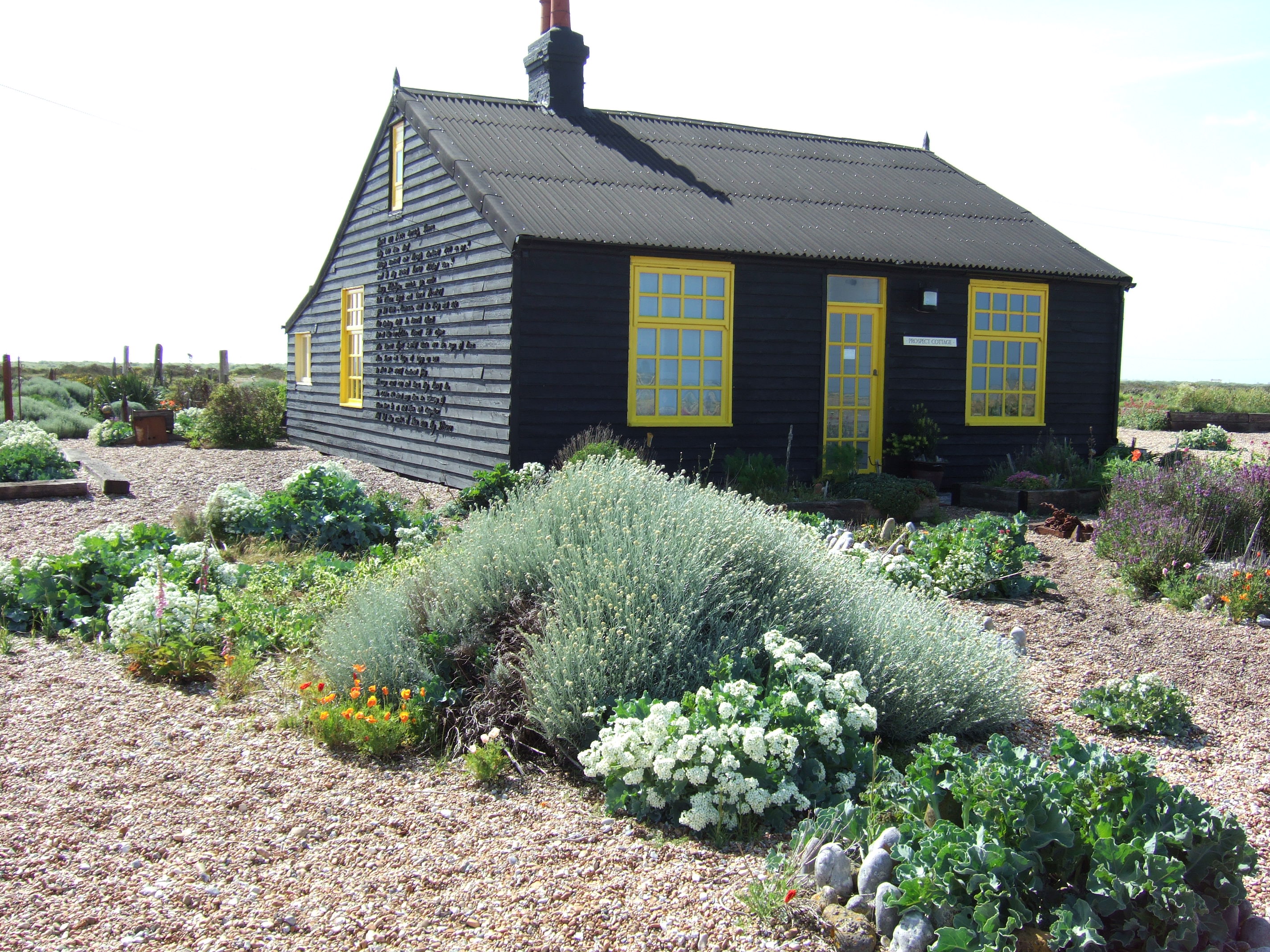
Resin from the cottage Derek Jarmen
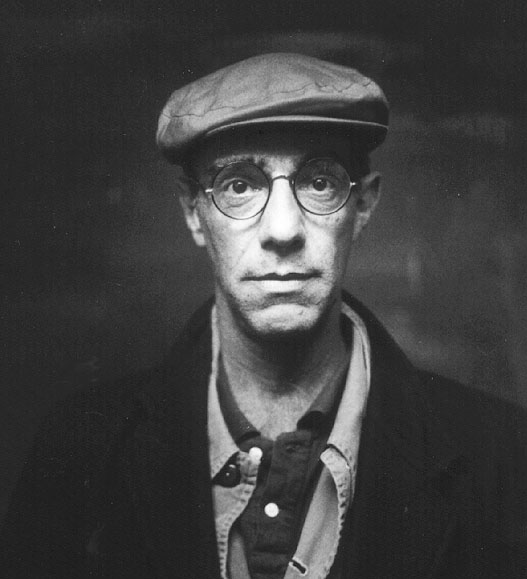
In February 2014, it will be 20 years since the death of Derek Jarmen, a British filmmaker, an artist and an activist who advocated the rights of sexual minorities. A number of publications, shows and exhibitions are dedicated to this date, one of which, “Black Pictures”, was held in the Wilkinson gallery, in the London area, once a former part of the deaf East End, and in the 90s mastered by young British artists, from whose light hand the old warehouses turned into temples of art.
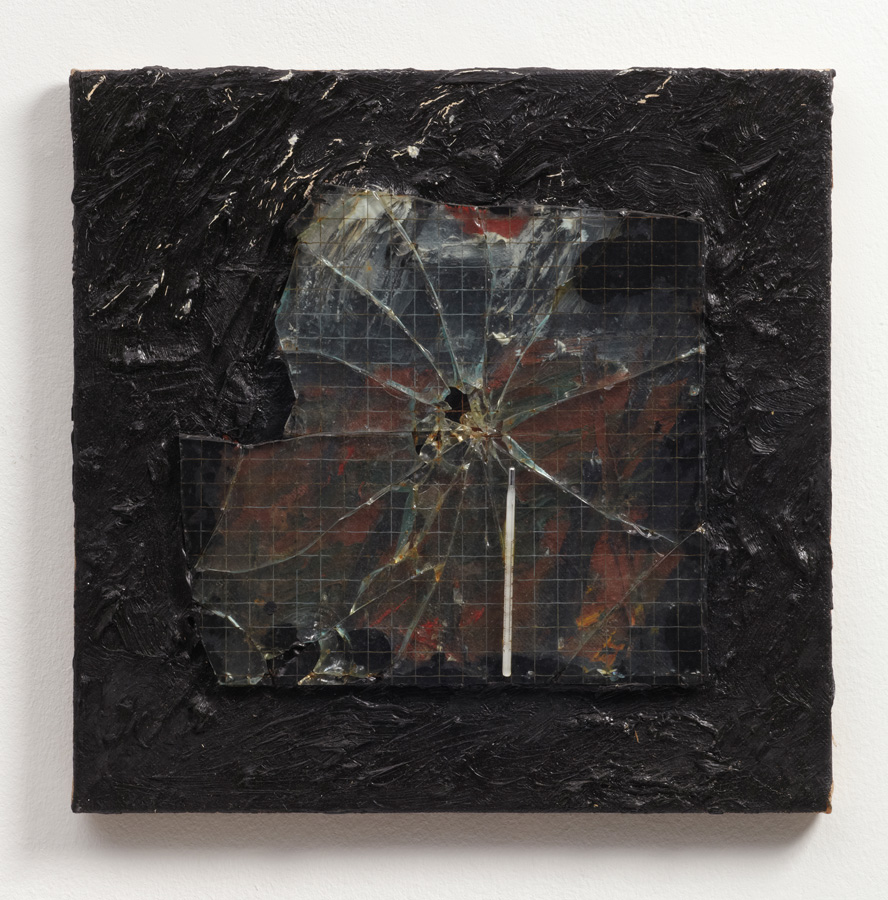
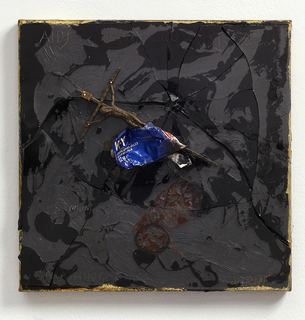
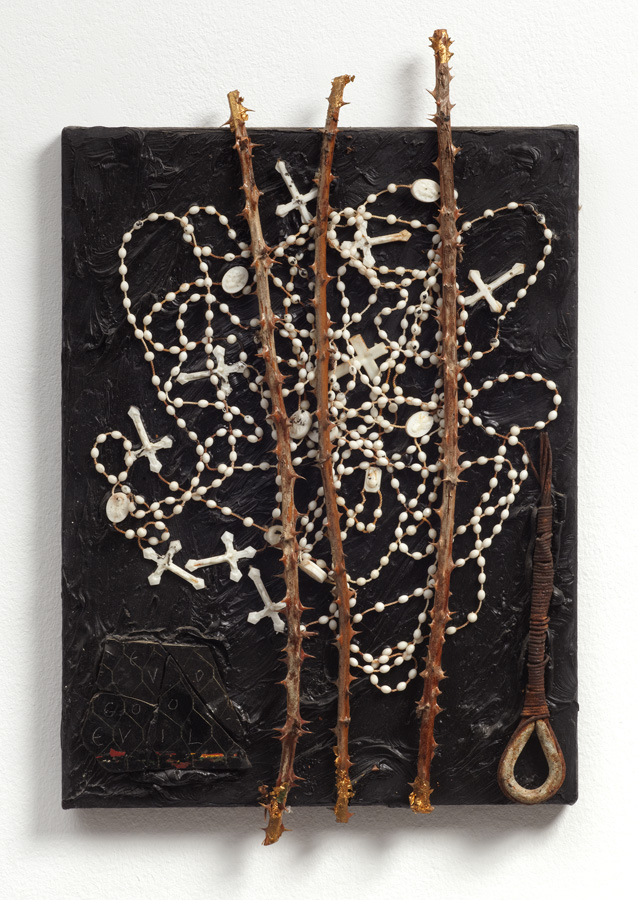
Gallery curators conventionally recorded 16 things made from 1982 to 1991, in the paintings, noting that Jarmen himself called them collages and designs. At the sight of these works, comparisons with assemblies, combinations suggest, and if you go beyond the limits of art history terminology - with the objects of the cult, created by the founder of a certain personal religion. All of them are inscribed in the framework of paintings on which picturesque means are adjacent to the collection of found objects.
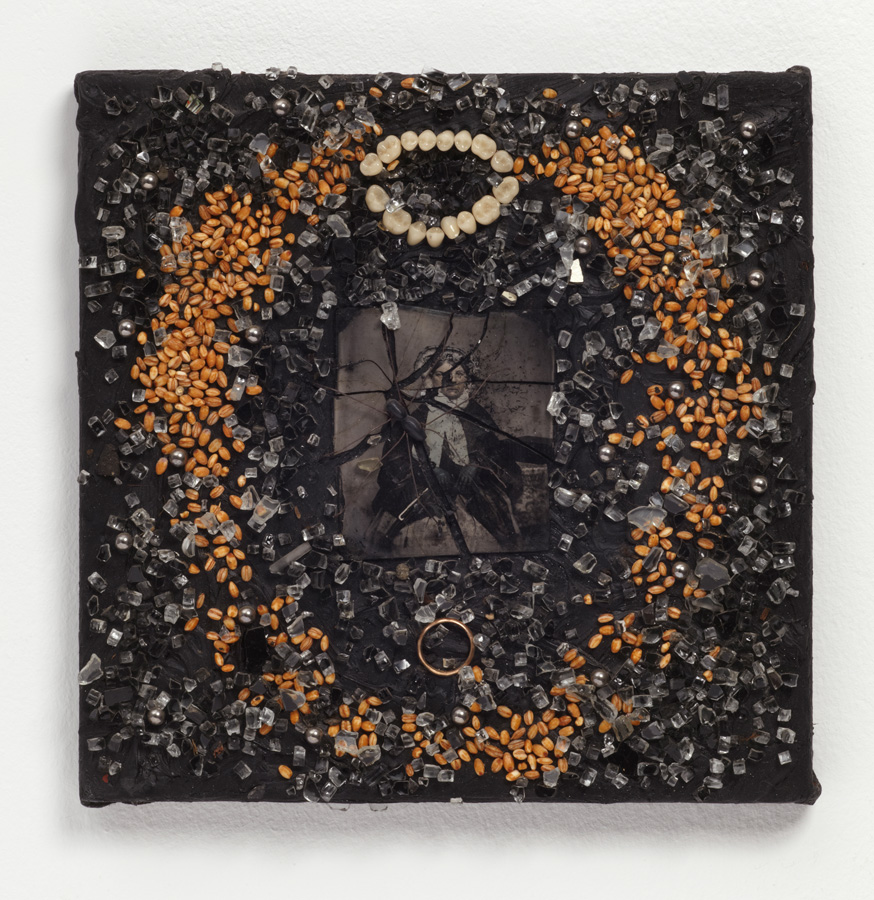
Black, which gave the exhibition the name, is the resin, the one that the walls of the fishing cottage in Danzhez, the village on the southern coast of England, where the jarmen moved, learning that he was sick with AIDS, is saturated. The diagnosis of the conclusion was made at the end of 1986; The 44-year-old avant-garde, the author of the films “Sebastian”, “Jubilee”, “Storm”, “Caravaggio”, remained to live a little more than seven years. During this time, he shot six full -length paintings (including Wittgenstein, Edward II and Military Requiem), several musical clips, wrote about a dozen books and created a striking garden growing on a salted pebble - there is no other soil at Cape Dangzes. This is a place where the nuclear power plant works and is another closed one, uniquely environmentally friendly: a natural reserve, where the Earth literally goes from under the feet, stuffed with secret objects, most of which have long been inactive. Critics often wrote that Derek Jarmen turned himself into Gesamtkunstwerk, a total work of art, implying the synthesis of life and creativity; The decision to live on the edge of the world, in the desert with an apocalyptic landscape, among the ruins of the failed future, in a house with a quote from John Donn’s poem on the wall, confirms this point of view.
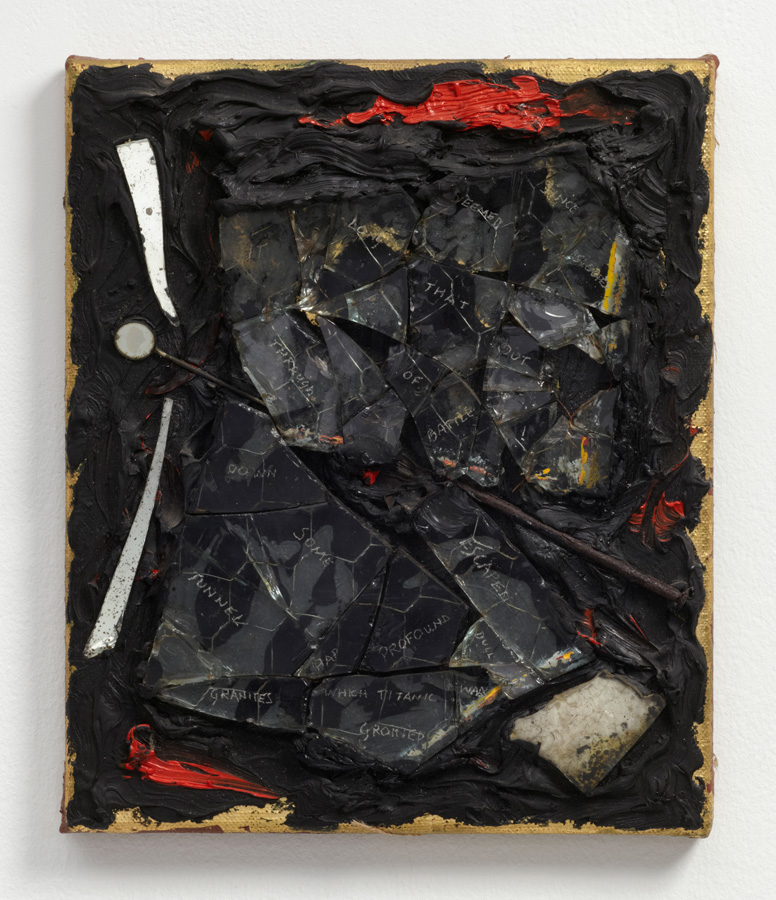
Jarmen Garden served as an impulse to create the film of the same name; Its elements are traced in the works included in the exhibition. The wreckage embedded in the resin of garbage thrown to the shore, like the materials that went to sculptures in the garden, were found during walks that the artist performed in any weather, while there was enough strength. In the painting “Perspect” (the so -called Jarmen cottage, where his partner Kit Collins lives now) Dry prickly branches are fencing off the viewer from confused scales, and next to him, a strong -looking loop. Other objects stuck to the resin or clamped under the cracked glass are crumpled tin banks, dried bones, engagement rings, Victorian photographs, used condoms - make up complex iconography that does not allow unambiguous reading in anything other than one line.
The topic of homosexuality, without which it is impossible to imagine the work of Jarmen, often echoes him with thoughts about religion. So, in his first full -length film, the director turned to the history of St. Sebastian, depicting the martyrdom and death of a Christian saint against the backdrop of a world filled with homoerotic experiences. Some researchers of Jarmen's work believe that he was an atheist and attacked his works on religion in any of its manifestations. But in the diary entry of the artist, where he recalls: “In order to distract us from the temptations of the flesh, the muddy, muscular“ Christianity ”was launched, the last word is not by chance.
It is believed that Gold was interested in Jarmen, as he was fond of alchemy. Another possible explanation is the example of Iva Klein, who sold his “intangible picturesque sensitivity” in exchange for gold foil, and then, to emphasize the intangible of the transaction, threw leaflets into the sen. In his last directorial work, the film “Shineva” (Blue), shot four months before his death, the author, who had begun to blind by that time, used the idea of Klein’s monochrome canvases: for more than an hour, the viewer sees only a blue screen, and behind the scenes a story about Dzharmen's disease, resembling a poem in prose. In the same 1993, the book “Chroma” (Chroma) was published, where Jarmen speaks of interpretations of various colors in painting, mentioning, in particular, Klein and a special role in blue; However, it is in the chapter dedicated to Black that the artist’s personal opinions are most convincing and his rejection of the traditional types of perception is most clearly demonstrated. For Jarmen, this color is a symbol of faith: “Is the black is really hopeless? Is it not true that every thundercloud has a reverse, bright side? In black lies the possibility of hope.”