
Translated material
Granin in the Bundestag
A writer living such a long life that there was enough space for everything - both worthy and unworthy, quite accurately reflecting the history of our country, which won and survived, but did not escape the disaster and ruthlessly walked through the lives and fate of its own people. Granin, standing in front of the German parliamentarians, involuntarily, by virtue of age, connects that Germany that lost, with the one that, having repented, rushed forward and became the leading European power. With his story about the blockade, he returns them to the past.
What do they feel listening to him? Recall about loved ones who died in that war? Are they horrified what they hear from the old man? They think about how long, tragic was the road from that final blockade winter to today? Realize that repentance saves them today from shame? Or are they still awkward?
Can I imagine a question asked on German television: what would Hitler do with Leningrad and his inhabitants if Stalin gave the order to pass the city? Can. There are documents that give an answer to this question. Between this question, the Germans asked today, and the answer to it lies the process of denazification, which separated the perpetrators of the guilty from the innocent. I can imagine such a question, because German children study this at school. Just as they study the Holocaust. Because today it hurts in the same way as any normal person. Dot.
Why is the question, albeit awkwardly formulated, but essentially mean: "Would it be possible to save hundreds of thousands of lives if Stalin gave the order to pass Leningrad to the Nazis?" caused such an inadequate, nervous and vengeful reaction to the "rain"? Who at least once in his life did not ask himself this question? Only indifferent, maybe. Precisely because at one time I asked such a question, I have an answer to him. And this answer: no, it would not be possible. It was this question that made me read the documents and understand.
Each generation is looking for its answers to the seemingly already answered questions. In Russia, the post -Soviet generation has grown, which learned to appreciate life, and not admire death. It again asks this question - could you save people? - Because it is already with its own heart, and not the heart of its parents and grandfathers, experiences the death of people. Because it has grown up and the beginning to realize the scale of the tragedy and losses. Because this scale is amazing. Because it hurts and really wants to believe that it could be different. Because those who ask this question, also someone close to the blockade, also died. And this gives them the right to ask.
Today we are different from the Germans in that in our history the fat line is not summarized. We did not realize the extermination of our own people by the Stalinist regime as a disaster and did not call it that. We did not separate the human -infinitive regime from, as Kirill Rogov, the irrational feat of people in that war, which led to victory, accurately wrote. We still have disputes whether the criminal or the Savior Stalin.
So how can you prohibit asking questions? This is exactly what we need to do: ask and look for answers in order to realize yourself as part of your own country and its history, with everything beautiful and terrible that was in it. And cry with her, and be proud of her together.
The Germans, therefore, invite the co -authors of the "Blockade Book" to their Bundestag that they have moral forces to listen to his sad story. They asked themselves all the questions, the most ruthless, and answered them and continue to answer - from generation to generation. Their attitude to the past gave them the present and future.
Do you know why one of the employees of the VGTRK on the Facebook page of Goskanal included Goebbels among the greats who spoke out about Lenin? Because this, most likely, the young man simply did not know who Goebbels is. This happens to those who study poorly and do not ask questions. This is the sweetest assumption that I can do.
Goebbels, of course, is not hell from the mountain, but it is unlikely that the "great" is the most suitable adjective in this case. True, to dismiss the entire editorial office for such an error is some kind of top of the cowardice of the VGTRKASHIC authorities, in my opinion. Against the backdrop of the “great” Reich Minister on Facebook with the logo of state “news”, which is followed by more than a million people, not the smartest, but quite understandable question of a small private television channel Merknet, of course. And he makes the pathos of fighters with "rain" is simply ridiculous. And unconditionally registered. However, there would be no story with the Reichsinator, he would be the same. It’s just very symbolic that everything coincided.
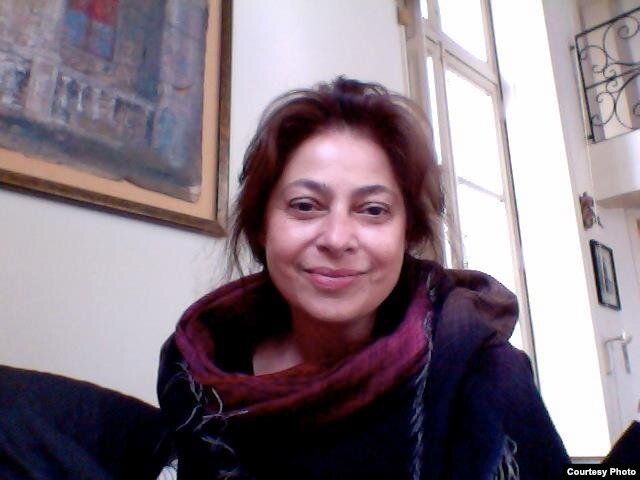
Natalia Gevorkyan - journalist
Opinions expressed under the heading "Law" may not reflect the point of view of the editorial office