
Translated material
Lukashenko turned to the people
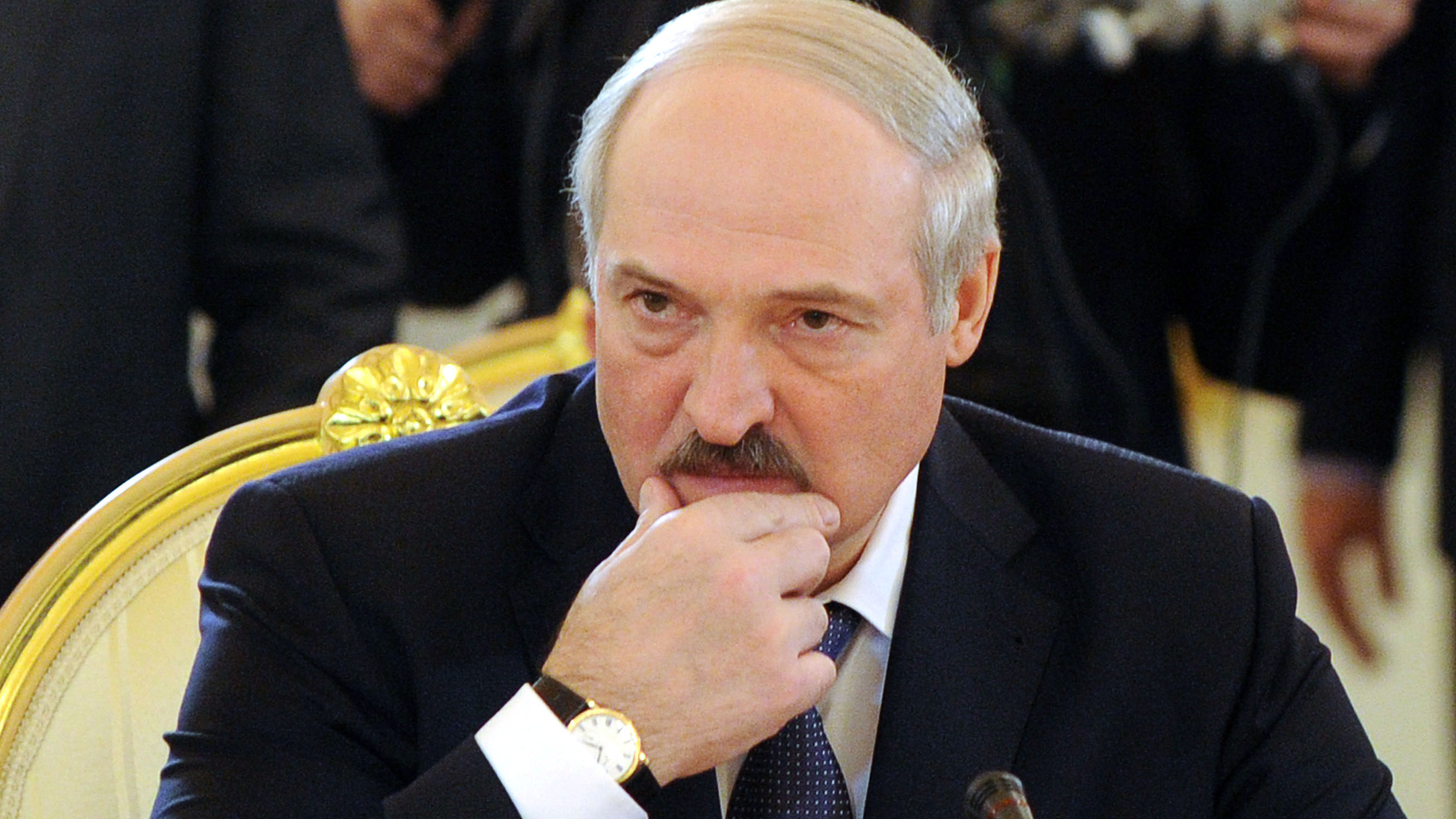
The president began with an analysis of the events of 2011. In this regard, he recalled:
- a huge Arab region broke out, in countries that were considered a stronghold of stability, chaos reigned;
- The European Union was on the verge of financial collapse, many states were bankrupt without five minutes;
- There were unprecedented acts of terrorism and nationalism in the prosperous Norway, France, the USA.
Lukashenko admitted that some problems also affected Belarus, although he emphasized: the financial crisis that deeply struck the country was caused, first of all, by external factors. At the same time, he expressed confidence that the difficult period in the life of the state Belarusians pass with dignity. Now, according to him, Belarus is needed a powerful and rapid jerk forward.
Lukashenko was supposed to turn to compatriots with a message on April 19, but the performance was postponed. The project prepared by state bodies, Lukashenko personally sent for revision. In particular, he instructed to process provisions regarding privatization issues and the foreign policy of the country.
Lukashenko asked to take into account a number of fundamental moments: the inadmissibility of an excessive liberal approach in the sale of state property, categorical rejection of “cerebral privatization”, protecting the interests of workers during the possible sale of enterprises. In the part regarding foreign policy approaches, Lukashenko spoke out against excessively strict response measures to emerging problems in the relations of Belarus with other countries.
The current Belarusian regime is harshly criticized by the international community, with the exception of, perhaps, to Russia. The culmination of the tension of relations with the West was the presidential election of 2010. Hundreds of people were detained and condemned for participating in a rally of disagreements with the results of the elections, more than fifty people were sentenced to various prison deadlines on charges of organizing riots, and the ex-candidate of the president Nikolai Statkevich and other politicians are still left behind bars.
In relation to officials, judges and security forces related to repressions, as well as businessmen-sponsors in the West, visa and economic sanctions have been imposed. In total, there are about 250 people in the black list of the European Union and the USA, an absolute record for a European country.
The last expansion of the list led to a diplomatic scandal. At the end of February, the diplomats of the European Union Solidarly left Minsk after the Belarusian authorities recommended that the chapters of the representative office of the European Union and the Poland Embassy leave the country for consultations with their leadership. The reason for such actions was the decision of the Council of EU ministers to expand sanctions against Belarus. In solidarity with their colleagues from Minsk, all the ambassadors of the EU countries left.
European diplomats returned only in mid-April-after two political prisoners were released from the places of imprisonment-the ex-candidate for president Andrei Sannikov and his confidant Dmitry Bondarenko.
Thus, on May 8, the first appearance of the ambassadors of the European Union in public occurred after their return. The ambassadors and head of the EU representative office in Belarus Mora Mora were invited to at least two official events with the participation of Alexander Lukashenko. This applies to the annual Epistle of the President, as well as the official celebration of Victory Day. It is significant that last year the ambassadors of the EU and the USA were not present at the celebrations on May 9 due to the fact that they were simply forgotten to invite them. Diplomats independently laid flowers to the victory monument on May 10.
And on May 7, Lukashenko was the first of other fellow presidents to congratulate Vladimir Putin on entry into the highest state post in the Russian Federation. Having emphasized in a congratulatory telegram that strong allied relations are connected by Russia and Belarus, Lukashenko noted: "In our common interests, a further deepening of integration processes."