Translated material
:
 | ||
Photo by Sergei KHVOROSTOV In the photo: February 11. Moscow at a rally in defense of Andrei Babitsky Only extraordinary circumstances force journalists from different publications to unite under the banner of the Obshchaya Gazeta. The first two issues were published in August 1991, when the State Emergency Committee banned many newspapers. Another one appeared in response to the desire of the Supreme Council of the Russian Federation to take control of Izvestia. The fourth was dedicated to the fortieth anniversary of the death of Dima Kholodov. Today's is about the fate of Andrei Babitsky... But in general, the reason is the same every time - an attempt to silence the throats of those who seek to speak loudly about what is happening around us and with us. | ||
Wanted Photo by Sergei KHVOROSTOV In the photo: February 11. Moscow at a rally in defense of Andrei Babitsky Only extraordinary circumstances force journalists from different publications to unite under the banner of Obshchaya Gazeta. The first two issues were published in August 1991, when the State Emergency Committee banned many newspapers. Another one appeared in response to the desire of the Supreme Council of the Russian Federation to take control of Izvestia. The fourth was dedicated to the fortieth anniversary of the death of Dima Kholodov. Today's is about the fate of Andrei Babitsky... But in general, the reason is the same every time - an attempt to silence the throats of those who seek to speak loudly about what is happening around us and with us. | ||
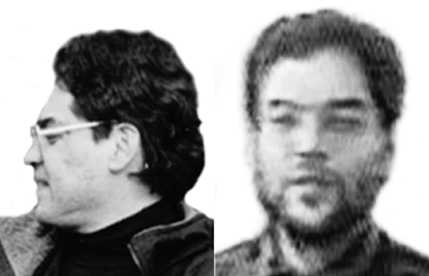 | ||
ANDREY MARATOVICH BABITSKY was born in Moscow on September 26, 1964. He studied at the Faculty of Philology of Moscow University. During the years of perestroika he was a participant in the human rights movement. In 1987-1989 he worked in the editorial office of Sergei Grigoryants's magazine Glasnost, and was subject to administrative arrests for his human rights activities. Since 1989 - Moscow correspondent for Radio Liberty. During the days of the putsch, the State Emergency Committee transmitted reports from the Moscow White House and was awarded a special presidential award “for outstanding journalistic work during the events of August 19-23, 1991, associated with the risk of life.” He was awarded the medal "Defender of Freedom of Russia", which he later refused, sending it to B. Yeltsin after the storming of the White House in October 1993. He worked as a parliamentary correspondent for "Freedom" (in October 1993 in the besieged Supreme Council), in hot spots - Tajikistan, the North Caucasus. During the First Chechen War - special correspondent in the combat area. In 1996-2000 he worked in Moscow and the North Caucasus, in August 2000 he covered the fighting in Dagestan, and from September he worked in Chechnya. Since November 2000, special correspondent for RS in Grozny; the only journalist remaining in the besieged Chechen capital after the start of the assault on the city. Married, has two children. Just one question for the first President of the Russian Federation Boris Nikolaevich! You are familiar with the journalist Babitsky and have twice awarded him for his work for the benefit of democratic Russia. Do you think that everything that is happening today with him and with freedom of speech is a worthy continuation of your course? | ||
Copyright © 2000 "GENERAL NEWSPAPER" Use of materials without the written consent of the editors is prohibited. | ||