
Translated material
Russian Faust in cassock
Based on the similarity of his cold mind, Chaadaev can be placed next to Pecherin. But if they stand next to each other, then their backs are to each other
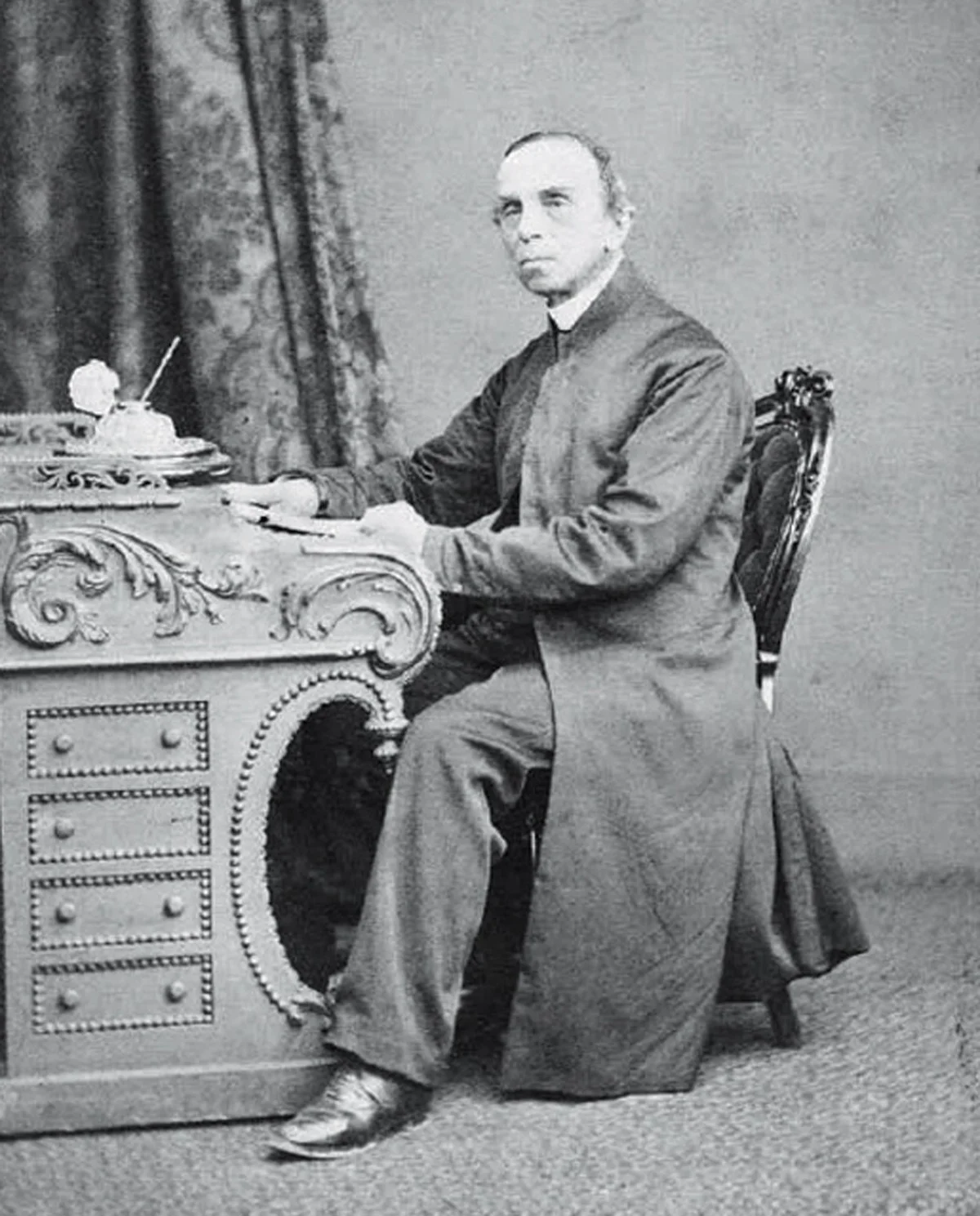
In May 1837, a young man in nice trousers wandered along the roads of France. In the morning, after drinking a cup of coffee, he walked ten miles, and twenty, and thirty, on this single exercise, and after forty he began to get tired. He had eaten nothing all day and had no money. I wanted to beg for alms, but I was embarrassed. He asked a woman standing outside her house for a glass of water, and then offered her his checkered pantaloons in exchange for dinner, lodging for the night, and any old pants in return. The tight-fisted mistress knelt down, examining and feeling the pantaloons, and agreed.
“Here I will propose a question or task for resolution - where more courage is required: should I attack an enemy fortress or walk along the high road in a black, worn-out tailcoat with trousers made of multi-colored patches?”
Then he went on wearing pants made of patches; They looked at him like he was a miracle worker. On one of the streets, a father said to a child: “Don’t look at him, he’s crazy!” And from the point of view of common sense and routine consciousness, he really was crazy.
This man with an expired passport, in a worn black tailcoat and someone else's colorful pants was the recent rising star of Russian philological science, the young professor Vladimir Pecherin, sent to the famous Berlin University to finalize his education. The Minister of Public Education Uvarov and the trustee of Moscow University Count Stroganov knew him and guaranteed him a scientific career upon his return. A university chair, a house, prosperity, and respect awaited him. But he refused to return.
No, anything, just not to return to the stuffiness of Russian life, to the kingdom of the tsar with pewter eyes, to the vulgarity that he already knew: intrigues at the university, balls, parties, writing articles for magazines, petty liberalism of conversations.
“I impartially measured my talent down to the last inch. I understood very well that in the Russia of that time, where it was impossible to speak, write, or think, where even the highest order of minds withered and inevitably perished under unbearable oppression - in the Russia of that time, with my share of abilities, I would not have gone far. I would soon write myself out and become a petty vulgar writer with all his base weaknesses, but I could not agree to this. For me: aut Caesar, aut nihil, either pan or gone.”
The question arises, but why is he still on foot? At this time, Europe already had railways. But not for him - he didn’t have money for a ticket. And he looked so bearded and overgrown that even poor people’s hand would go into their pocket for a coin for alms.
“The weather changed and it started pouring rain. A boundless, monotonous, flat plain stretched out in front of me—as if in Russia. There was a tavern near the road, run by a retired soldier: he was also in charge of amendments to the highway. It was necessary to start speculating again. I sold him my tailcoat and trousers, and in exchange he gave me a blue blouse (I fell one degree lower) and matching trousers, and added money - three or four francs. Moreover, this kind man (may God reward him!) gave me a piece of bread and butter for the road.”
Pecherin himself once said about himself in his usual caustic and ironic tone: “the journey is purely Russian, that is, without any reasonable goal.” Is this true? Of course, he exaggerated, exaggerated, and said this not without ridicule and mockery of himself. There was a reasonable and even super-reasonable goal in his life’s journey, but it was difficult to express it in words. What was she wearing? Perhaps in the search for meaning - meaning as bread, meaning as air, meaning as support for existence - a search that began in his early years, when he dreamed of a university, and his father, commander of the 2nd battalion of the 35th Jaeger Regiment, Major Pecherin, promised to give him 500 rubles so that he would go to the city and buy himself a diploma; He almost cried out then - and then, decades later, on the pages of his book - that he did not need a diploma, but science, but knowledge, but understanding, but meaning! But he could not find meaning either in the village of Dymerka, where he spent his childhood, or in the provincial garrison where his father served, or in the brilliant Northern capital, where life ground him and transformed him into a fashionable guest of living rooms; he couldn't live like that. And therefore, in Moscow - “the riotous Moscow with its eternal dinners, feasts, parties and incessant chatter” - settling in the Berlin tavern on Tverskoy Boulevard, “kept by some half-drunk Swiss,” in a dirty and cramped room, he spent almost no money and ate mainly olives and black bread, and saved money for escape.
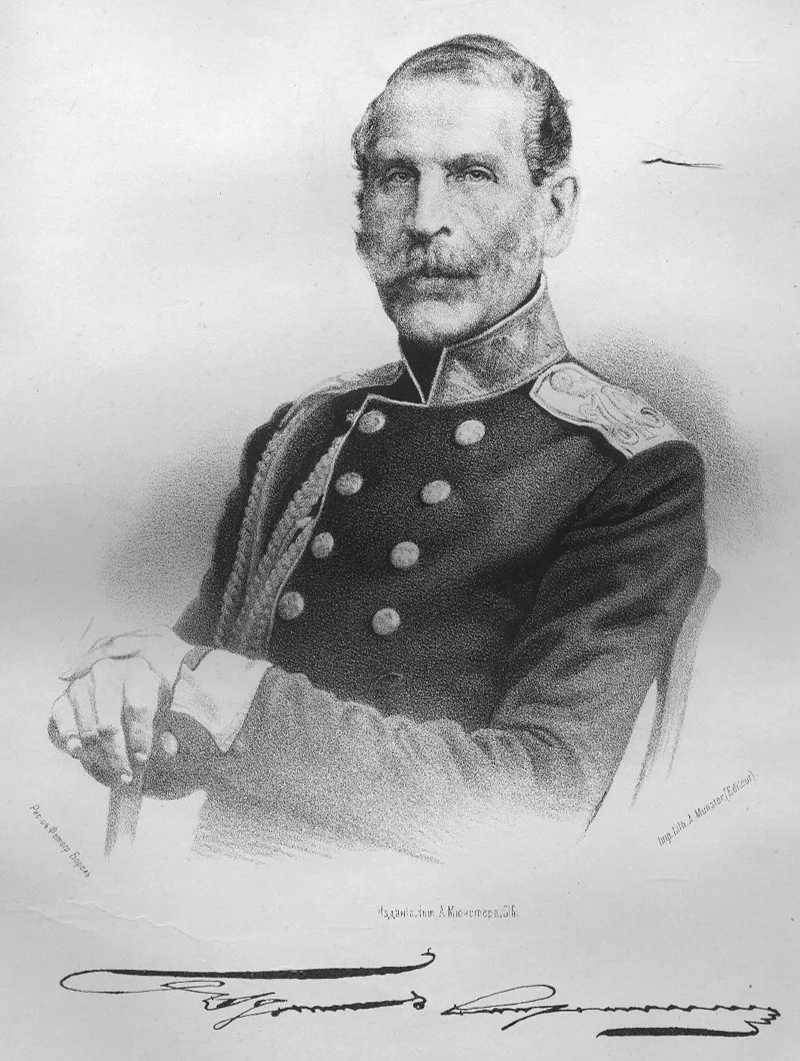
Count Stroganov, greatly agitated by the unusual incident, wrote to the fugitive professor in Europe and tried to reason with him and bring him back. Pecherin answered the count with such expressions that a return was made impossible - neither now, nor in the future, never. “When I saw this crude animal life, these humiliated creatures, these people without beliefs, without God, living only to save money and fatten up like animals... when I saw all this, I died! I saw myself doomed to spend my whole life with these people; I said to myself: who knows? Perhaps time, habit will lead you to the same result, you will be forced to descend to the level of these people whom you now despise; you will wallow in the mud of their society, and you will become, like them, a well-meaning old professor, full of money, crosses and all sorts of abomination!
Where would Chatsky be with his “to the village, to the wilderness, to Saratov”... Pecherin would not have tolerated the Saratov dust on his soles - he could no longer stand here!
Due to his habit of mockery, Pecherin spoke mockingly about himself as he was in Russia: “I had some kind of vulgar liberalism, a desire to make a little noise and then eventually get into the future Chamber of Deputies of constitutional Russia - my thoughts went no further.” But the legs were moving - out of Russia. In Europe, he became a radical and communicated with other radical emigrants who were looking for the key to history in the pamphlets of the devout republican Lamennais; the revolutionary Mazzini was his idol at that time. He was not too lazy to go on foot across Switzerland to the Lagrange Hotel, where Mazzini was hiding from the police, asked the owner and servants about him, and the next day he read about himself in the newspaper that he was a spy tracking down the hero on instructions from the French government. Well, why not have a reason to laugh at yourself? “How many windmills have I mistook for giants! How many dulcinas I adored as ideal princesses!”
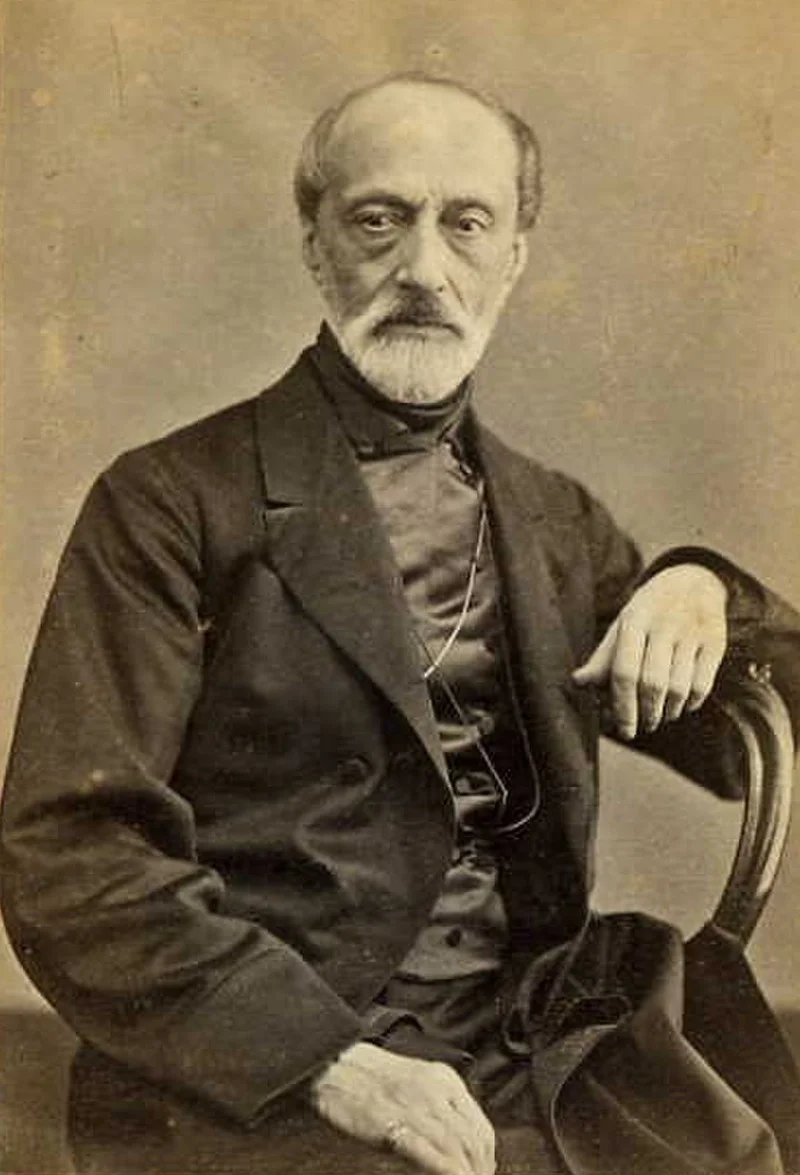
However, he again has no money; so it's time to pawn the clock and go somewhere else in hopes of something.
“What I endured that night, climbing at a pace through the snow to the top of St. Gotthard, cannot be written with a pen or said in a fairy tale. I was chilled to the bone. Around midnight we stopped at the top at the so-called Hospice. I entered this dirty and warm hut - I confess to the shame of my name and my Russian name - I sat down on the stove and began to cry. Physical suffering was combined with the uncertainty of my fate.”
In Zurich, in Bauer’s coffee shop, where there was a haven for political emigrants from different countries, he discussed with the defrocked priest Bandelier the plan for the newspaper “Sovereign People,” which they were going to publish with the goal of comfortably smoking cigars in the editorial office. He also had another plan, even worse than the editorial office with cigars - to go with several friends to America and found a Russian community there. “For this enterprise we lacked something, namely, ingenuity, enterprise and capital!” Then he pawned the only thing he had left, with the exception of his soul, - his cloak. He also wanted to pawn his soul, like Faust, and quite seriously called on the devil - a good soul, a strong, professorial Russian soul - but he did not appear. Since then, he had lost faith in the devil, and he still had to deal with God seriously.
He left Zurich without paying for the room where he lived, in a smart frock coat, vest and new trousers, which he borrowed from a store and did not repay; went on foot to Basel, where he was arrested by the police as a suspicious element with an expired Russian passport.
For two years I dined on five potatoes with bread and butter.
So, he slept in the rain in an attic with broken glass, at the market he again exchanged his clothes for old ones with an additional payment of a few francs, gave lessons in all the languages he knew, and he knew almost all European ones, including Latin and ancient Greek, was a secretary to the captain of the English naval service, Edward Fayot, a freemason and a member of the Grand Orient lodge, who was infinitely kind to him and gave him a shirt and a frock coat, true, shabby and with holes under the arms; but all this is the outer line of life; and within himself he moved from political radicalism in the spirit of liberté, égalité, fraternité to the teachings of the ancient Greek Pythagoras, which is why he did not eat meat for a whole year and considered the killing of animals a crime. “At the time, I thought it was a criminal offense to intentionally kill a fly.” In Liege he made counterfeit London wax, bottled it and sold the dirt to the Belgians. At a wine trading enterprise, he bottled wine from a barrel, but his finely-tuned, learned head could not withstand the wine vapors for long. But there was still no money, so when he gave his only shirt to be washed, he had to walk around buttoned up tightly to hide the lack of underwear.
Buttoned up tightly, with air in a holey pocket, with a cup of coffee and a piece of bread in his stomach (but sometimes with beer), with an extensive knowledge of languages, philosophy, theology, history and other sciences in his head, he was also tormented by his conscience, or rather, by some typical Russian perversion. “According to my Russian conscience, I considered my greatest sin to be failure to fulfill my duties to the government. “Have mercy! - said Fr. Manviss, “it doesn’t mean anything, there’s no sin here.” So simply and easily the Catholic priest absolved him of what he, a subject of the Russian Tsar, brought up in the Orthodox faith, considered a sin; This is how he learned that sin is actually something completely different.
Pecherin wore a blue blouse like a French worker, drank thick beer like a Belgian artisan, ran away from an Italian swindler who looked at him so terribly, as if he was going to stab him, and recalled that once... somewhere... in a past life... on the wall of the entrance on the fifth floor of the house in St. Petersburg on Gorokhovaya Street where he lived... there was a barely visible, faded, ancient inscription Pain bis et liberte, “Black bread and freedom” - a prophecy about his future, which he did not understand at the time.
“From these not very brilliant activities, I learned one useful lesson: now I know from experience how poor people have to cheat and outbid in order to make a penny. I was a true proletarian, not in words, not in the pompous phrases of a republican orator, but in reality, in callous reality...”
Reality could be callous or black, all the same - hungry or well-fed, in rags or in a frock coat - he thought and thought; these wheels were spinning in it endlessly, continuously.
“I have always been under the influence of one or another philosophical system: this demon has never left me.” But the demon demanded food, he had to be fed, Pecherin could more easily bear the emptiness in his stomach than in his head, so the counterfeit blackax dealer wandered into bookstores, used his last money to buy Xenophon’s “Memoirs of Socrates” and in the kennel under the sloping roof, which he shared with the soldier, he fell into bed to read.
It may seem that Vladimir Pecherin is an exclusively cerebral, mental person, who does nothing but think about complex matters. But that's not true. He named his passion for vagrancy as one of his motivations, and his only book is permeated with humor, although it would seem that there could be humor in a book called “Grave Notes”; but he can. Besides vagrancy, he had other joys in life. “We went downstairs to the drinking room and drank a glass beforehand,” he writes; Note that “pre-action”, it means that you drank before the event, not after the event. Well, it makes things more fun this way. And he had love - in Moscow, when he lived in the Berlin tavern, in the evening twilight a seventeen-year-old girl in a headscarf ran up onto the porch in front of his door; in Liege, a pretty grisette made appointments for him in the Catholic Church of Saint-Denis, and he admired the mockery of existence that united the incompatible. “Sounds of organ and grisette! Ha-ha-ha!”
Irony was his constant state and mood; immersed in the depths of the most complex questions of existence, he simultaneously laughed at them - and at himself too - but at the same time maintained a serious expression on his face; laughed at himself, laughed at politics, laughed at pathos, laughed at the prophecies of the great future of Russia. “Napoleon I prophesied world dominion to Russia when it would have a king with a beard (un czar a barbe): who knows? God willing, we will live to see this!”
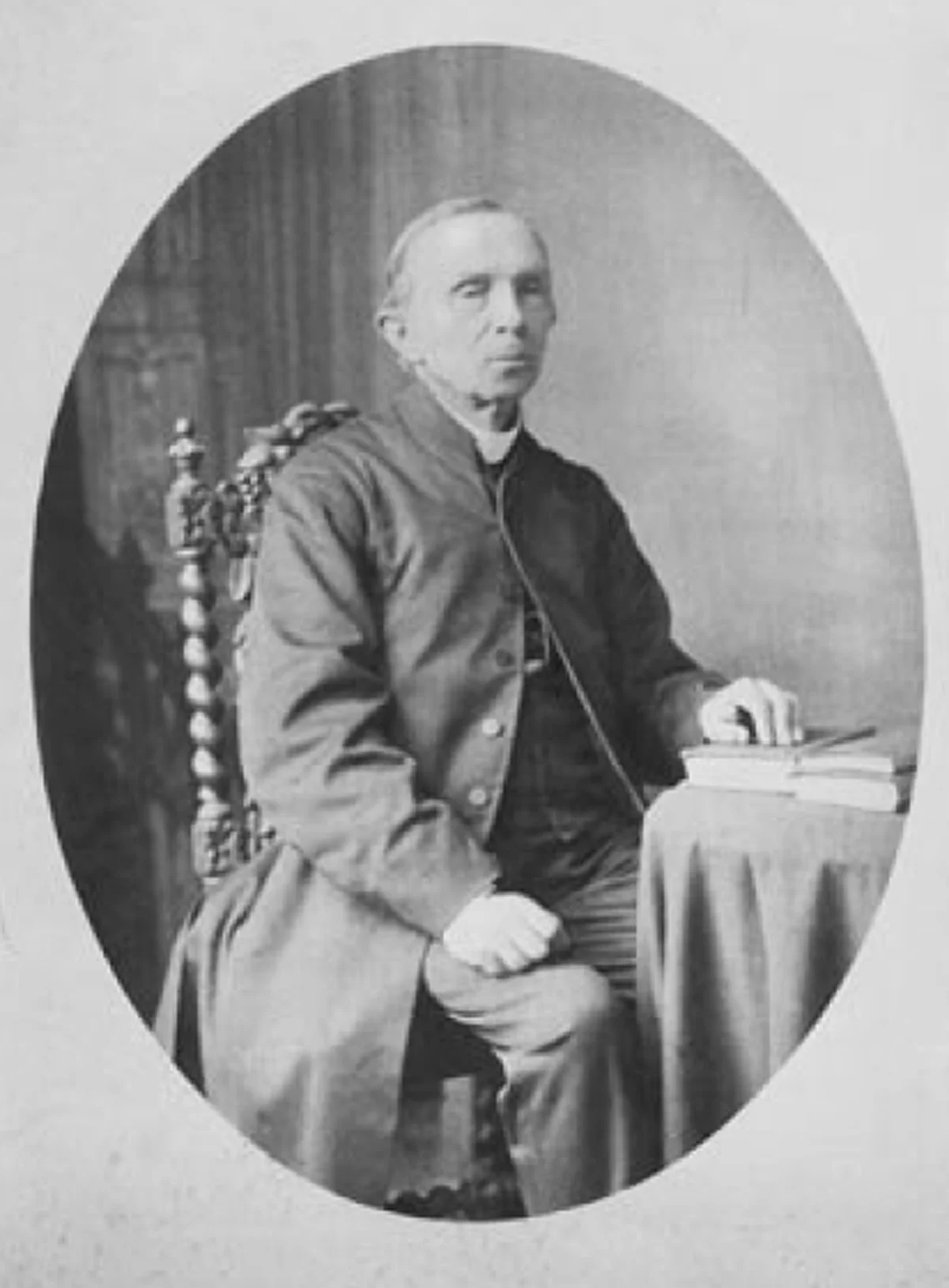
He saw a lot of humor in himself and in his life. The comical thing was that people could not believe that the skinny fellow in trousers speckled with patches was a professor; but even in excellent trousers he did not look like a professor. There were times when he said his academic title and thus caused laughter. "Ha-ha-ha! were you a professor? vous professeur! [ You are a professor! (French) ] Ha-ha-ha... Obviously, in the very essence of my being there was something incompatible with the title of professor.”
An inveterate reader, he read Rousseau, George Sand, three volumes of Saint-Simon's Religion, Joseph de Maistre, and Michelet's biography of Luther. In it he read that Luther had found a new religion in the Bible. “This is what I need! I've been looking for this for a long time! Well then? If Luther could find pure faith in the Bible, then why shouldn't I try? But I don’t like doing things halfway: give them to me whole! If you are to read the Bible, you must read it in the Hebrew original; and the Bible in translation is the tenth water in jelly.” So he decided (and later Leo Tolstoy decided the same). I bought myself a Bible in Hebrew and, checking it with the English translation, learned the language. “I began to get up at five or six o’clock and worked until 8 o’clock: here I took particular pleasure in lighting the spirit lamp and making coffee and enjoying my breakfast with bread and butter, like the most refined epicurean.”
He spent his evenings in cafes, but the money inevitably ran out, and then he went to church. It's free. “Under these arches I sought refuge and shelter from having nothing to do. Leaning against some pillar, I stood and looked at the brightly illuminated altar, at the smoke of incense rising to the high Gothic vault, listened with artistic pleasure to the music and singing and thought about my own things.” It seemed to him that evening services were not enough, and he began going to the church of the Redemptorist Order for morning sermons. Then I got carried away, went to morning and evening for nine days in a row - and the preacher Fr. Manvissu wrote a letter: “I went through all sorts of philosophical systems: I was a Hegelian, a Pythagorean, a Fourierist, a communist, etc.; but after your sermons I was convinced of the truth of the Catholic faith and I ask you to teach me and guide me on the right path!”
So he became a Catholic - and called it “a strange revolution in my life.”
Having shaved off his beard and mustache, in a blue tailcoat with bronze buttons, in colorful trousers and with a bundle in his hand, he rushed on, driven by what others called faith, but he called “Nazarene madness” - and, retiring from the world to the French monastery of Saint-Tron, on the way to the station while waiting for the train, he flirted with a pretty saleswoman.
“In 1861, I wore the white clothes of the Trappists, worked with them in the fields in deep silence, ate their buckwheat porridge and milk, and nothing more, and they were delighted with me: “After all, he seems to have been born for this life! How easily he adapted to everything!”
Indeed, he easily adapted to giving up property: apart from books, he had no property for a long time.
It wasn’t difficult for him to live without money - he didn’t even have money. Upon entering the monastery, he deposited all his savings - five francs.
The vow of silence was convenient for him - it is better to think in silence.
Having become a priest, in Aachen he preached a test sermon so that people in the church cried. I was pleased with myself.
He was sent by order to England and was amazed by the customs there: “While waiting to sail, we sat down in a tavern to drink a glass of beer, and on this occasion I saw English cuisine brought to its simplest expression: some traveler from the common people grabbed a large piece of raw meat on his fork and, holding it for several minutes over the fire in the fireplace, began to eat without further ado.”
In London, he was called straight from the street to a girl dying of tuberculosis, who was sure that she would soon recover, and soon died. “I have embalmed her in my memory and preserve her as a precious mummy of the past.”
His, Father Pecherin's, Ireland and his, Father Pecherin's, Irishness began in London, where he “scoured the countryside every day from morning to evening, looking for the lost sheep of Israel - and, to tell the truth, it was a very lousy flock. In various nooks and crannies nested the poor Irish of the lowest class, the very yeast of society, la lie de la populace [ rabble (French) ].”
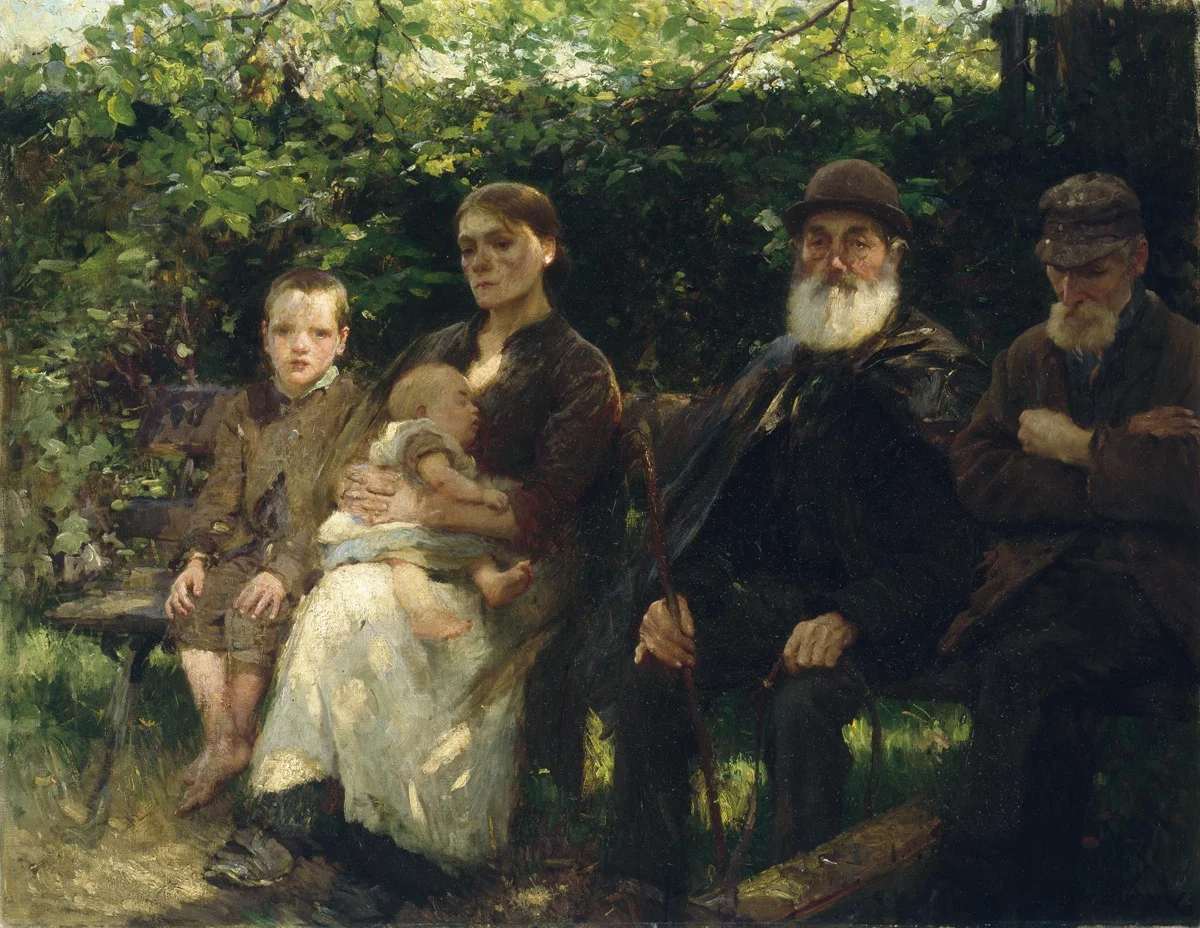
There, to Ireland, to the ends of the world, to the edge of the cold sea and terrible poverty, he was drawn. Дальше, дальше от всего сытого и пошлого, дальше от мировых столиц, их шума и огней, дальше от громогласных радикалов и убежденных революционеров, дальше от бессмысленной и пустой социальной жизни — к одиночеству в краю бедняков, которым он нес кусок хлеба и слово Божие.
Там, в Дублине, он и остался на все оставшиеся ему годы жизни.
«Сколько я видел миленьких личек, которых ни разврат, ни болезнь не могли исказить! Какие роскошные длинные густые волнистые волосы, такие волосы, что какая-нибудь дама заплатила бы за них весом золота. Одна из этих несчастных жертв умерла на руках у меня. Перед смертью она сказала мне: «Поцелуйте меня в щеку, и я умру счастливою» (Kiss me on my cheek, and I will die happy!). Я в то время (этому 12 лет) был строгим блюстителем духовных приличий: мне показалось это неприличным, и я дал ей поцеловать холодное медное распятие… Какое-то облако грусти омрачило ее лицо: она как будто чувствовала себя отверженною, презренною… До сих пор не могу забыть я и до сих пор мне жаль, что не исполнил ее просьбы».
Как это тяжело! А это ведь одна тысячная, одна десятитысячная того, что он видел в сырых нищих домах, в грязных нищих кварталах, куда ходил с неукоснительностью человека, исполняющего долг.
Думал о своем прошлом. «Политическая дурь испортила лучшие годы моей юности».
Думал о своих убеждениях. «Но чего не сделает человек из так называемых убеждений? Он и в огонь и в полымя пойдет, и с мошенниками будет запанибрата — от этого я теперь ненавижу всевозможные убеждения».
Думал о христианстве. «Вот это христианство! Оно прошумело несколько столетий, пролило потоки крови в бессмысленных войнах, сожгло миллионы людей на кострах — и теперь издыхает от старческого изнеможения».
Побывал в Риме. «Самый подлейший русский чиновник, сам Чичиков никогда так не льстил, не подличал, не пресмыкался, как эти монахи перед кардиналами».
Думал о России. "Yes! потому что мне непременно надобно оправдаться перед Россиею — но в чем же мне оправдываться? Мне кажется, нет ничего позорного в том, что я носил арлекинские штаны или продавал ваксу на улице: тут нет ничего противного человеческому достоинству… Но — добровольно пожертвовать всеми дарами ума и сердца, но — отречься от престола разума и закабалить себя в неволю невежественным и наглым фанатикам и быть в продолжение 20 лет слепым орудием их мелкого честолюбия и ненасытного корыстолюбия — вот это такое пятно, какого ничем смыть нельзя».
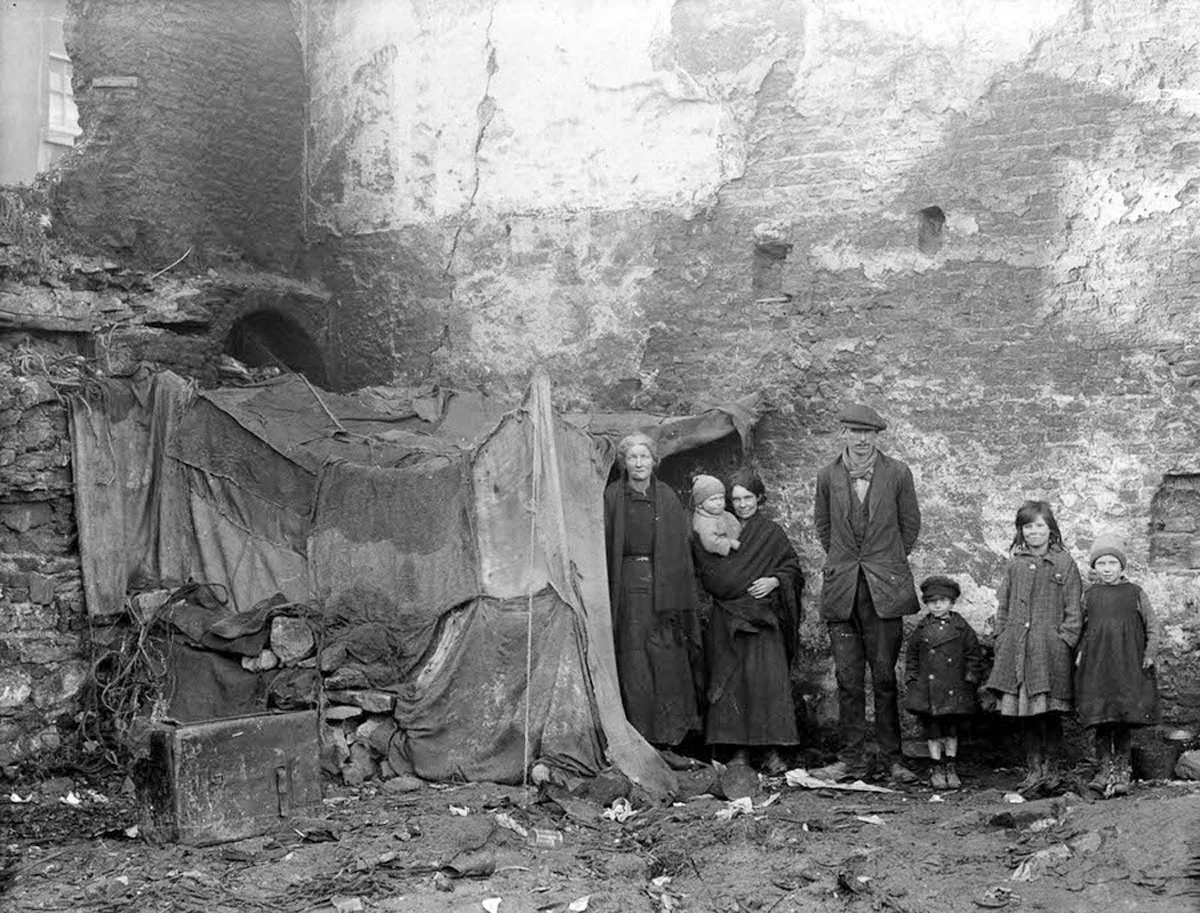
И это говорит священник. Это говорит патер Печерин — русский Фауст в сутане, когда-то вызывавший дьявола, чтобы продать ему душу, но за неявкой дьявола вручивший душу Богу и разочаровавшийся в церкви, как всю жизнь разочаровывался во всем: в России, в науке, в социализме, в либерализме, в Европе, в самой жизни.
Его мысль, скептичная, ироничная и трезвая, не щадила никого и ничего: «Я вовсе не годился быть священником, а всего менее монахом, потому что у меня не было дара — просить денег». О прихожанах мог сказать: «мирской сброд». И через все это непрекращающееся верчение и движение мысли, через тоску, иронию, усталость (так устал душой, что называл себя «мертвой собакой» и головешкой, которая чадит, а не горит) — одно желание, последнее. «Я хочу умереть в таком месте, куда не доходит мирской шум, умереть безвестным среди безвестных, чтобы никто в мире не знал, жив я или мертв».
Мысль о том, что нужно оправдать череду случайностей, увлечений и заблуждений, называемую его жизнью, вызревала в нем. Зачем-то все это нужно было — или низачем не нужно?
«Надобно писать. Надо же что-нибудь делать в этом уединении. Мне кажется, я был рожден для какой-то беспредельной деятельности; но судьба заперла меня в тесном круге. Как птица в клетке, я бьюсь о решетки моей темницы… Выйду ли из нее когда-нибудь? Рабом я родился, рабом и умру. Несчастное славянское племя! Мы какою-то непреодолимою силою увлекаемся к рабству. Раболепие в нашей крови».
Принять этот приговор нельзя, пусть даже Чехов через 30 лет после Печерина и выдавливал из себя раба по капле… Нет раболепия в крови, а есть конкретная история, в которой зародилось и легло на страну, придавив ее, чугунное государство. Есть жестокая воля государства, искажающая и ломающая людей, есть корысть и обман, царящие веками, но нет ни гена раболепия, ни особого состава крови.
В особое и уникальное предназначение России Печерин не верил. В одном из своих писем в Россию он написал с внезапной горячностью, что «Вы хотите сделать из России какую-то исключительную Палестину, какие-то святые места, к которым должно ходить на поклонение. Вы, разумеется, избранный народ, собор святых, а все прочие народы — богомерзкие языки. <…>. No! No! Господа, не удастся вам! Вы опоздали, слишком опоздали, девятнадцатью веками опоздали! Хотите ли, не хотите ли, а Россия пойдет своим путем, то есть путем всемирного человеческого развития. Вы говорите, что здесь на Западе все мишура, а у вас одних чистое золото. Да где же оно?» И дальше вот как пишет этот заброшенный на край земли предтеча-глобалист: «Мне надобно жить всемирною жизнью, мне надобно каждую минуту слышать, как бьется пульс человечества в Европе, в Азии, в Африке, в Америке, в Австралии. От Шпицбергена до мыса Доброй Надежды, от Дублина до Калифорнии, вдоль и поперек земного шара я всех людей обнимаю как братьев, но ни за каким народом не признаю исключительного права называть себя сыновьями Божьими».
Так кто же он? Он и сам всю жизнь хотел это узнать, понять. Внук бригадира Петра Симоновского, сын майора Сергея Печерина, беглый профессор, философ, не написавший ни одного философского трактата, вечный читатель чужих мыслей, увлеченное сердце, зачарованный ум, Дон Кихот, Фауст, католический священник, отпускающий грехи ирландским падшим женщинам, странник, идущий по дороге жизни без конца? Но надо же наконец остановиться где-то и на чем-то. Он и остановился.
В больнице для бедных в Дублине он ежедневно с раннего утра обходил палаты с нищими больными и умирающими без гроша в кармане.
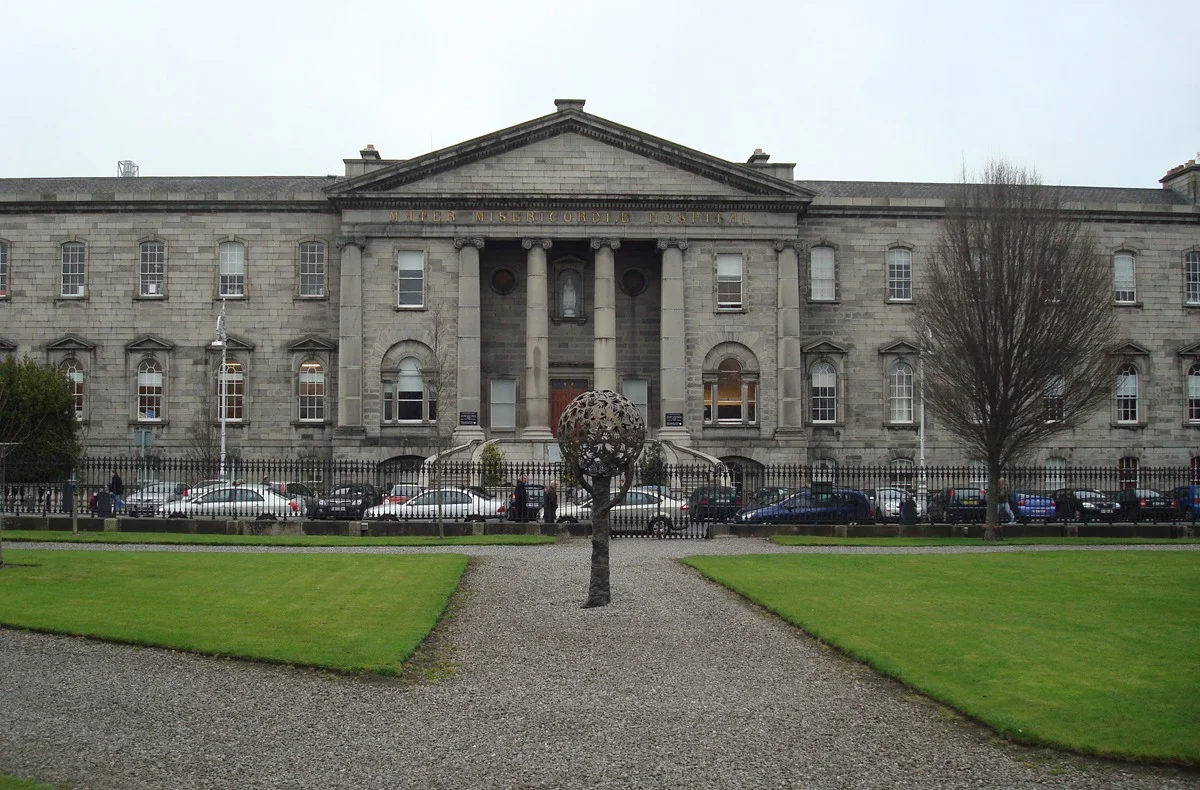
Там, в больнице Матери Милосердия, у капеллана Печерина была маленькая комнатка, в ней он писал свою единственную книгу, которую назвал «Apologia pro vita mea («Оправдание моей жизни»), или Замогильные записки». Близких друзей у него не было, зато был верный друг пес ньюфаундленд. Еще он учил новые для себя языки — санскрит, арабский и персидский — и изучал Коран.
В названии его книги — ключ к пониманию. «Замогильные» — потому что для России он давно был мертв. Исчез. Отказался возвращаться и пропал. Вышел из православия и стал католиком, что властью считалось уголовным преступлением, а многими чуть ли не отказом быть русским. Постановлением Сената был лишен гражданства и состояния, исторгнут из русской жизни. Те в России, кто его еще помнил, считали, что он давно умер.
Но Владимир Печерин и за могилой, в холодной Ирландии, был жив и оставался русским. И написал одну из самых замечательных русских книг.
Вот странно. Из России он бежал и никогда не испытывал раскаяния в своем поступке; ясно видел «бесплодные поля безнадежной родины», никакими идиллическими картинами не обольщался, ностальгических надежд не имел и желания вернуться не испытывал. Но книгой своей, текстом своим — жаждал вернуться туда, откуда бежал, где был проклят как вероотступник и изменник; текстом своим, мыслью своей, чувством своим, горкой бумажных листов хотел вернуться в мучительную страну, к которой был привязан всю жизнь, как каторжник к ядру, прикованному к ноге, — и захочешь, да не убежишь.
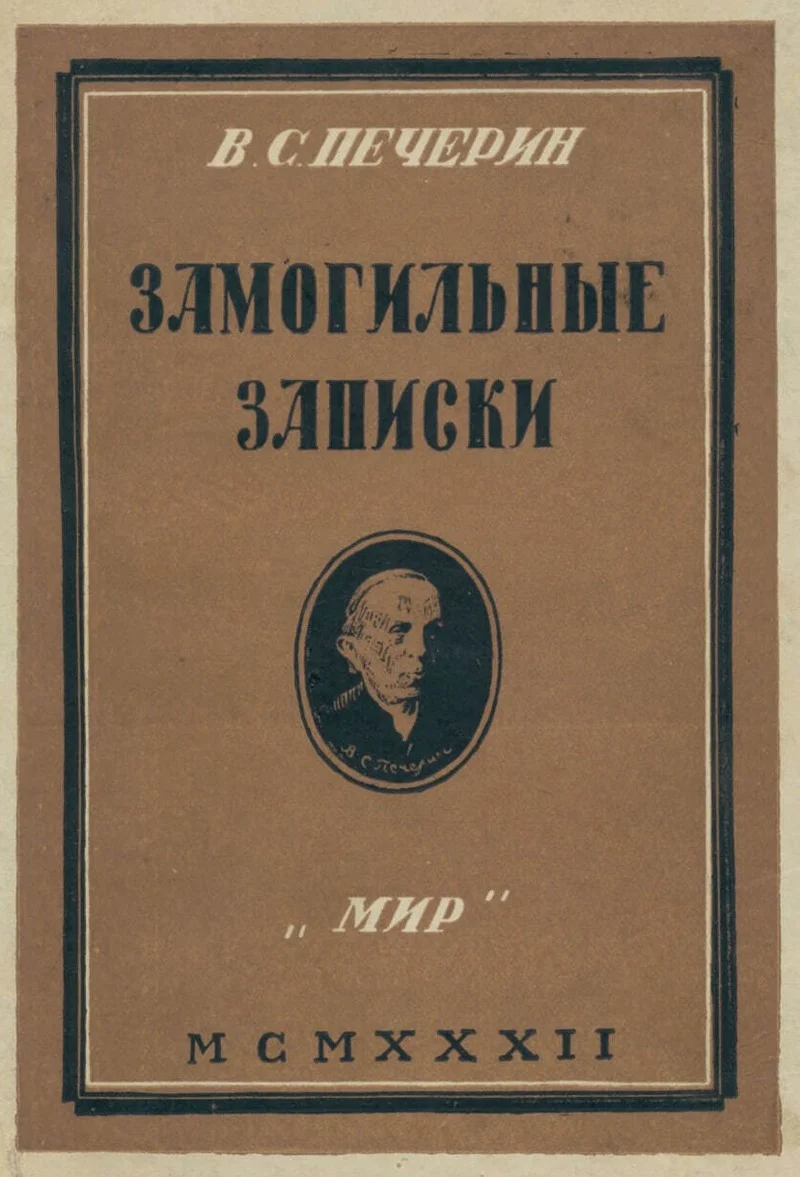
Книгу письмами, по частям, посылал старому другу в Россию, но трезвым своим и острым умом хорошо понимал, что пишет «без малейшей надежды на возмездие в здешней жизни. Никто их не прочтет, никто не похвалит и не осудит их… Через каких-нибудь пятьдесят лет, т.е. в 1922 году, русское правительство в припадке перемежающегося либерализма разрешит напечатать эти записки, но тогда это уже будет ужасная старина…»
Ошибся на 10 лет: «Замогильные записки» напечатали в 1932 году, хотя либерализмом и не пахло; а дальше все, как он предвидел, — забвение.
Давно, когда я только что в первый раз прочитал его удивительную книгу, во мне возникло желание увидеть комнату с белыми оштукатуренными стенами в дублинской больнице Mater Misericordiae, где он жил. Войти туда, тихо постоять в молчании, коснуться ладонью стен, которые должны помнить его, а потом пройти по пахнущим лекарствами широким коридорам больницы, как он проходил. Он был очень близок мне, этот русский беспокойный человек, похороненный в ирландской земле, но все-таки между нами существовала дистанция, которая казалась мне дистанцией не времени, а пространства; и я думал, что в его комнате смогу еще глубже почувствовать его.
Но «долго запрягает и быстро едет» — не про меня. Я долго запрягаю и никуда не еду. Если я и побывал в Дублине, то только в романах Айрис Мердок. Но отсутствие внешнего движения увеличивает силу внутреннего; я читал и перечитывал его книгу, и с каждым чтением она становилась все ближе мне и все выше в моих глазах.
Патер Печерин в жизни был человек сам по себе, но и в русской литературе он сам по себе. Слишком он холоден и резок, слишком ироничен и язвителен, чтобы примкнуть к кому-то и быть с кем-то. Его не присоединишь ни к какой тенденции, и со своей единственной книгой он ни в какой литературной школе не сидит за партой. Только, может быть, Чаадаева можно поставить рядом с ним — по сходству холодного ума и трезвого взгляда, — но если они и стоят рядом, то спиной друг к другу: два одиночки, два католика, два эмигранта, один — внешний, другой — внутренний, один — в комнате с белыми стенами и с распятием на стене на краю Европы, другой — в комнате с книгами и самоваром в особнячке на Басманной улице в Москве.
Да, есть такие люди, которые всегда сами по себе, отдельно от всех — никакая общность для них невозможна. Они живут в миру, но погружены в себя, они не избегают встреч с людьми, но остаются во внутреннем одиночестве; они закрыты для любых, даже самых внимательных глаз, и путь их непонятен тем, кто о них знает. Таков патер Печерин, изведавший православие и католицизм, разные виды веры, жизнь в монастыре с увитыми плющом стенами и обет молчания, которым смирял суету в своей душе. Таков этот странный русский писатель, автор одной книги, написанной с непостижимой трезвой искренностью в удалении от России и по-настоящему до России так и не дошедшей.
И действительно — книга его издана, но мало кем прочитана, а если и прочитана, то не понята, а если и понята, то молча, ибо такие книги требуют скорей молчания, чем громких изъявлений чего бы то ни было.
This material was published in the twelfth issue of Novaya Gazeta. Magazine". You can buy it in the online store of our partners.