
Translated material
Let me read
Founder of Riga Vilki Books Arina Lindanen - about the consequences of increasing VAT on Russian books in Latvia
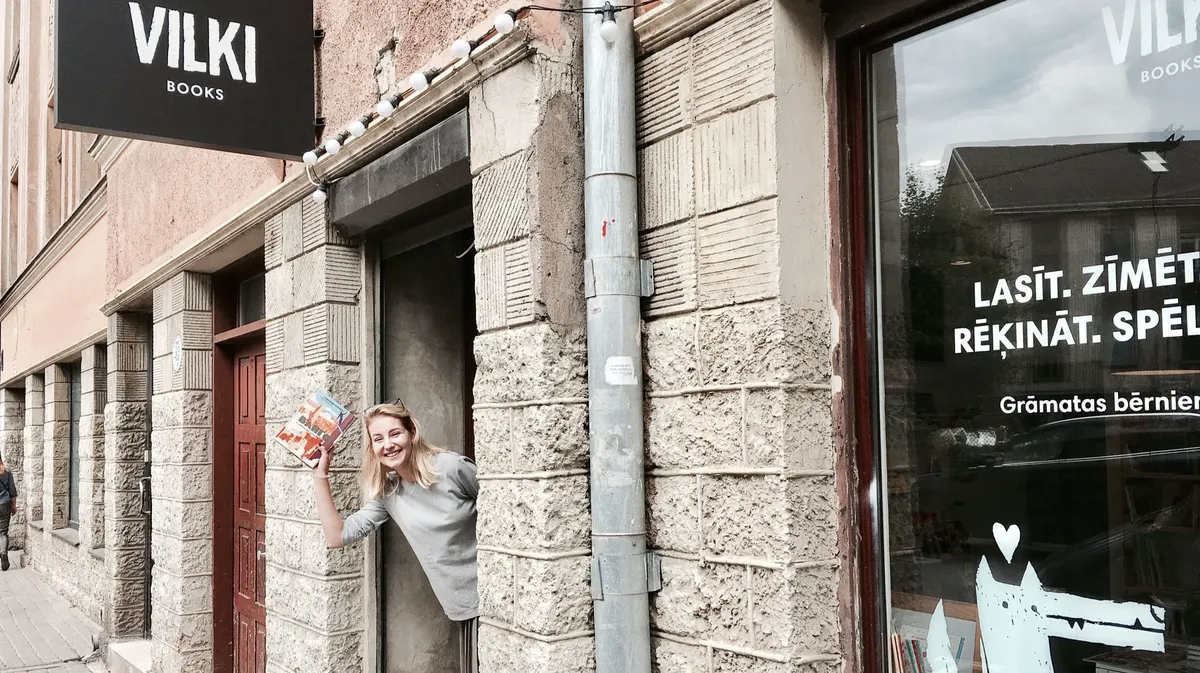
Photo: Vilki Books
The Latvian government has approved a proposal to abolish the preferential VAT rate of 5% for books published in languages other than EU or OECD member countries or candidate countries from 2026. This means that the cost of books and printed publications in Russian in Latvia will increase by 16% in just a few months.
I deliberately use the expression “books in Russian” because I have not seen stores in Latvia selling publications in Belarusian, Kazakh or other “non-European” languages. This is not just a tax measure, but a decision that directly affects everyone who reads Russian.
What will the budget lose?
The Ministry of Finance stated that it plans to raise about 1 million euros additionally for the country's budget in this way.
In my opinion, this will not happen and cannot happen.
Books in Russian are becoming more and more expensive every year. If five years ago the average price for a book was about 10 euros, today it is already 15 euros.
If we talk about Russian-language publications published in Europe after the start of the war, their average price already reaches 20 euros.
Consumption is falling due to inflation and the general economic crisis, and if books in Latvia rise in price by another 16%, then demand will inevitably decrease even more.
Few people will buy within the country, but the number of orders from other countries where books are cheaper will increase. Thus, in Lithuania, from 2026, VAT on all books (without language restrictions) will decrease from 9% to 5%.
This makes it profitable for any online store in Latvia to transfer its activities to Lithuania.
At Vilki Books, online sales account for about a third of the total volume, and Latvia will simply lose taxes for this third: Lithuania will receive them.
Stores and online projects in Latvia will become uncompetitive in the European market and will receive less profit from buyers from other countries.
Due to falling demand and unreasonably high prices, independent bookstores will be forced to close. But independent bookstores are not just businesses, but cultural centers and part of city life.
But large chains, due to a general drop in demand and the costs of moving their online stores to other countries, will also reduce the number of outlets - in my estimation, by about half.
As a result, the state risks not only not receiving additional revenue, but also losing existing tax revenues, jobs and associated payroll taxes.

Discrimination based on language
Increasing VAT on books based on language contradicts the core values of the European Union - respect for human dignity, non-discrimination and cultural diversity.
Article 2 of the Treaty on European Union and Articles 21–22 of the EU Charter of Fundamental Rights guarantee the right of everyone to have access to culture and education in his or her own language. These norms are mandatory for all member states, including Latvia.
Formally, the measure does not directly mention language, but its actual impact affects precisely one language group: Russian-speaking readers, publishers and sellers.
This creates a situation of indirect discrimination prohibited by Article 21 of the Charter and the jurisprudence of the Court of Justice.
I could not find a single EU country where the VAT rate within the same product category would differ by language. It turns out that Latvia becomes the first country where books are subject to different taxes based on language.
According to data from the Central Statistical Office of the Republic of Latvia (Centrālā statistikas pārvalde), obtained through the Pieaugušo izglītība survey (adult education survey, 2021–2022), 37.7% of Latvian residents named Russian as their mother tongue.
Based on the total population of the country at the beginning of 2025 (approximately 1,857,000 people, according to CSP), this is almost 700,000 inhabitants.
That is, more than a third of the country’s residents will potentially pay 16% more - just because they read in Russian. Does this correspond to the principles of the European Union, of which Latvia is a part?
It turns out that knowing an additional language turns not into an advantage, but into a financial punishment.
As a mother of bilingual children and the owner of a bookstore where similar families and expats from different countries come, I don’t understand why?
Books as an investment in the future of Latvia
I am sure that the decision to cancel the reduced VAT rate on books based on language is a reason for a serious conversation about how we see Latvian society and its future.
Such a discussion is needed not only at the government level, but also at the level of all residents of the country.
Russia's full-scale war against Ukraine united us - regardless of language, citizenship and origin.
Massive voluntary assistance to Ukrainian refugees (especially in the first year of the war) showed how effectively and sincerely people of very different backgrounds could unite against aggression.
Today books are not tools of propaganda. Unlike social networks and media, they create a space for reflection and dialogue.
If we make them unaffordable, we deprive people of the ability to read important texts, develop critical thinking, discuss and understand what is happening.
Russian propaganda will definitely take advantage of this opportunity, and we will only push people into its arms.
As a result of changing the tax rate, we will end up with more resentment, disappointment and division within society than there is now.
Latvia is not obliged to develop cultural communities in non-state languages, but it can - and should - not interfere with those who do this responsibly, professionally and for the good of the country.
Books are culture, and culture is what preserves our humanity and ability to think.
What can you do instead
2.5 months before the change in the tax rate, bookstores have no guidelines or instructions on how exactly to apply the new rate to publications that belong to several EU and non-EU languages.
How can the state and the Ministry of Finance make a decision that does not have instructions for use?
How to sell a Latvian-Russian dictionary? At what rate? What about bilingual publications? What about a Russian-English-German picture dictionary for children?
If the goal is to replenish the budget by importing goods from countries outside the EU, a different approach is possible.
For example, you can agree with your neighbors - Lithuania, Estonia and Poland - to introduce moderate duties on the import of books from Russia and at the same time maintain the current VAT rate of 5% on all books.
Such a move would allow countries in the region to generate revenue from fees while maintaining competitive prices in the European market and without creating inequalities between publishers.
For European publishers publishing books within the EU, this will create a slight advantage: after all, these are the books that cannot be published in Russia for political reasons, and their price is now above average.
Experience of an independent bookstore Vilki Books
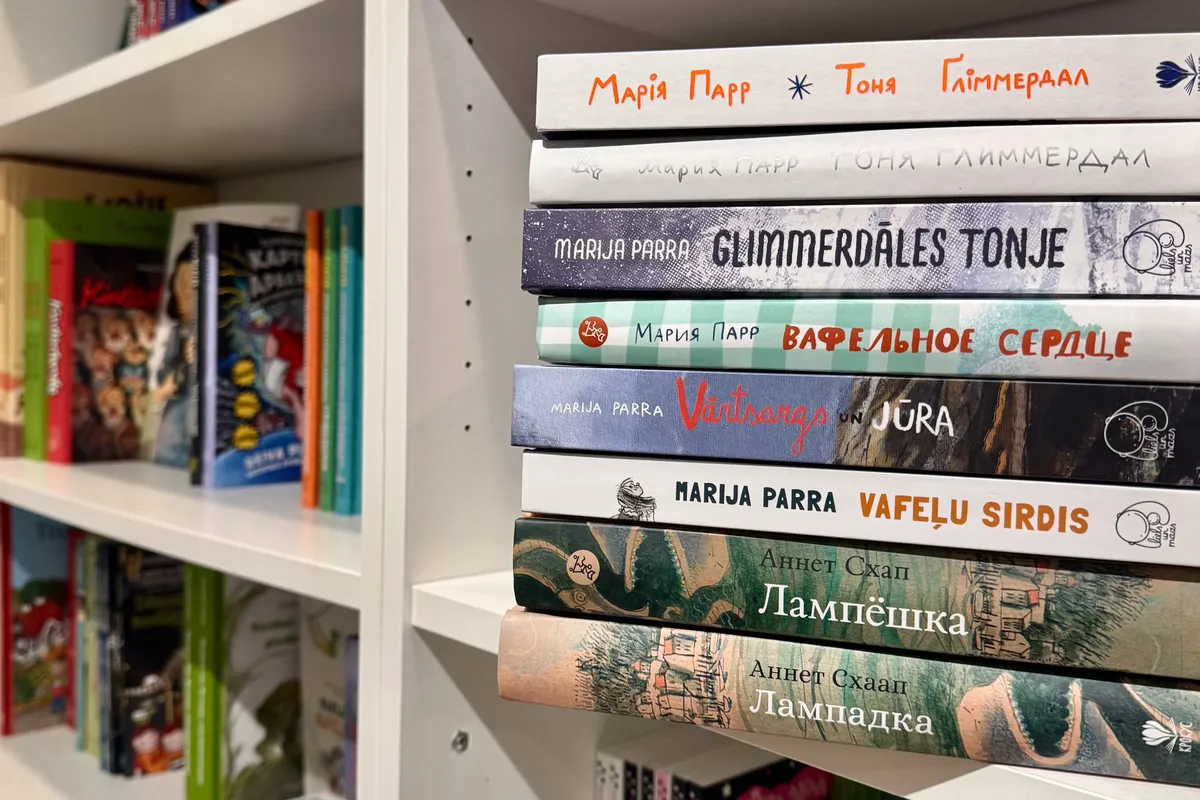
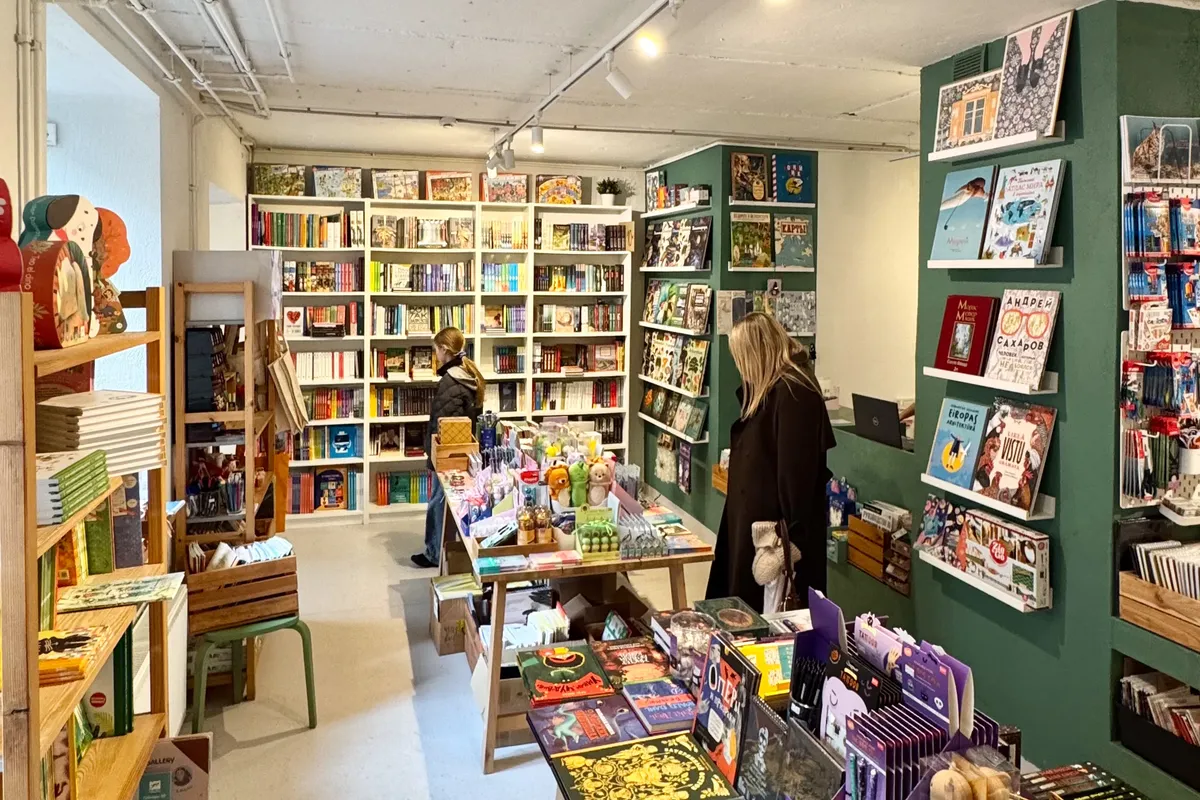
Vilki Books is an independent book and cultural project that has been working for ten years in four languages: Latvian, Russian, English and Ukrainian.
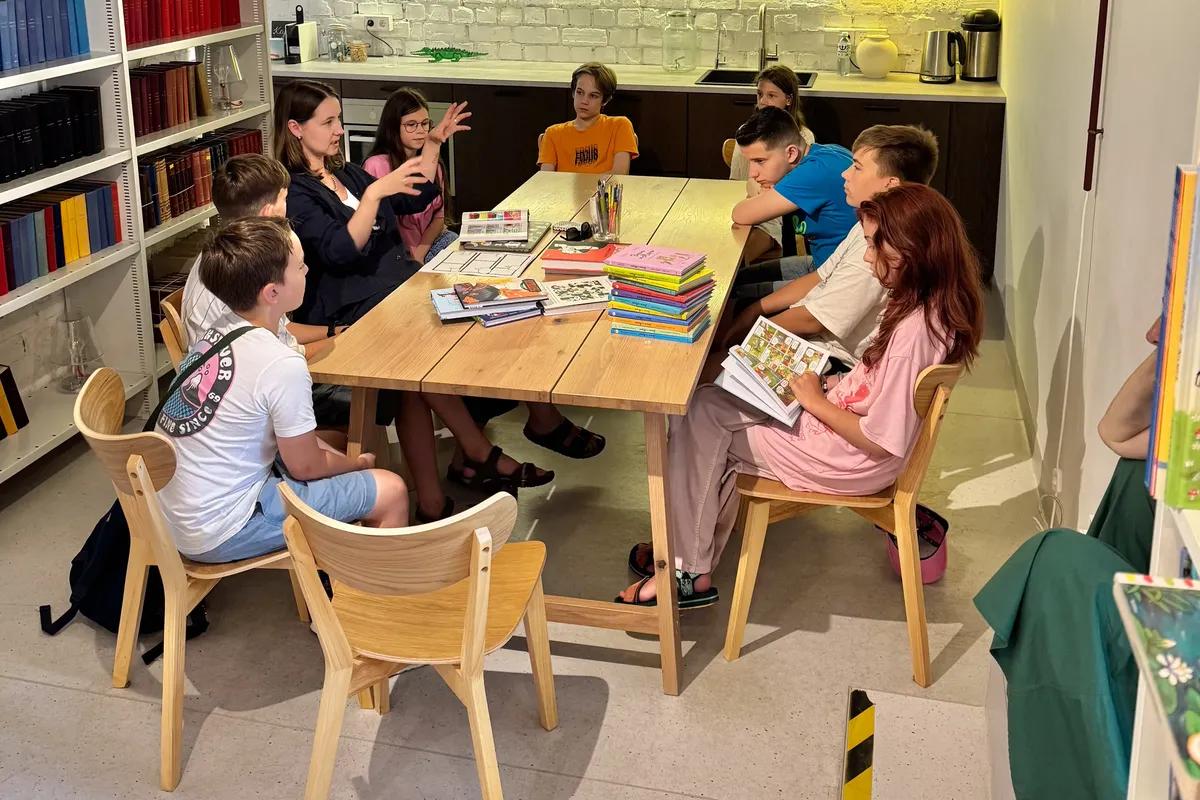
We are perhaps the only multilingual bookstore in Latvia with a regular cultural program: lectures, presentations, master classes, children's book club.
We carefully select books and do not sell publications with political distortions. Instead, here you can read and discuss anti-war books from the Meduza publishing house or meet with Ukrainian women who survived war and violence.
We know how to speak to Russian-speaking audiences honestly and openly, without misinformation, while maintaining respect for Latvia and its democratic values.
We support with our work the protest movement in Russian against the criminal regime of the Russian Federation, we give a platform to the voices of the Russian opposition and ideas that share the European principles of freedom and humanism.
For all 10 years of work, we have not asked for support from the state - we do this out of a conscious civil choice.
But a 21% tax on books in Russian will mean closure for us.
Our audience will be left without a cultural point of support, and Latvia will be left without an independent project working for the benefit of society in a complex multilingual and cross-cultural environment.
Who will benefit from this?
Izlasiet tekstu latviešu valodā, izmantojot saiti .