
Translated material
Copycats
Authoritarianism is contagious. Following Georgia, Kyrgyzstan and Bulgaria, legislators in Kazakhstan have now declared war on LGBT people
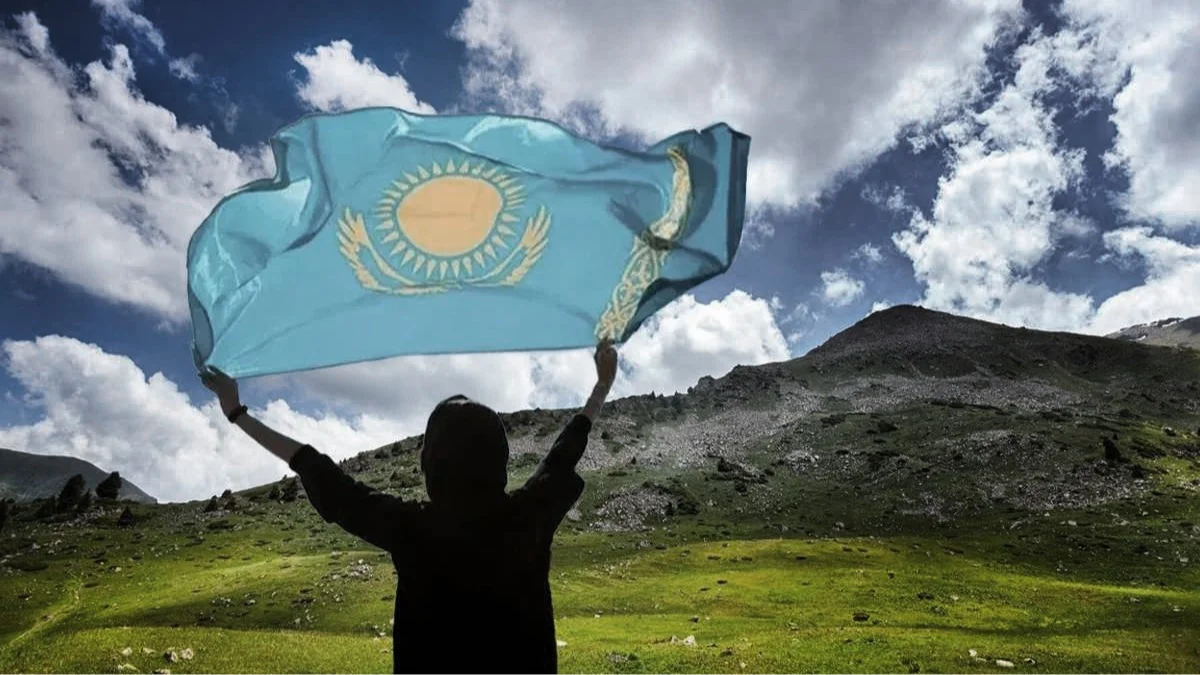
Photo: e-cis.info
“In order for early elections to take place without unnecessary noise, of course, it is necessary to close the mouth of civil society. Who did they choose first to introduce prohibition amendments? LGBT,” is how Kazakh activist Zhanar Sekerbaeva describes in a conversation with Novaya Gazeta Kazakhstan one of the reasons why the Kazakh authorities decided to pass a law on “LGBT propaganda.” According to her, tightening legislation on NGO funding is also on the way, similar to the Russian law on foreign agents.
Over the past two years, laws banning “propaganda of non-traditional sexual relations” have been passed in Kyrgyzstan, Georgia and Bulgaria. In parallel, Georgia and Kyrgyzstan also adopted laws on foreign agents, and in some other countries similar amendments were considered at the parliamentary level. Now it’s Kazakhstan’s turn: on December 18, the ban on “LGBT propaganda” was approved by the Senate, all that remains is for the president to sign it.
Using this law as an example, Novaya Gazeta Kazakhstan tells how and why the Kazakh authorities are turning to Russian repressive practices, how the new amendments threaten Kazakhs and Russian emigrants, and what role anti-vaxxers play in this story.
This material was first published in Novaya Gazeta Kazakhstan.
Model authoritarianism
With the growth of authoritarian and conservative tendencies in the world, authorities in different countries are increasingly turning to tools to control civic activity and combat the opposition. Against this background, Russian legislative practices are becoming increasingly popular, primarily the law on foreign agents and “LGBT propaganda.”
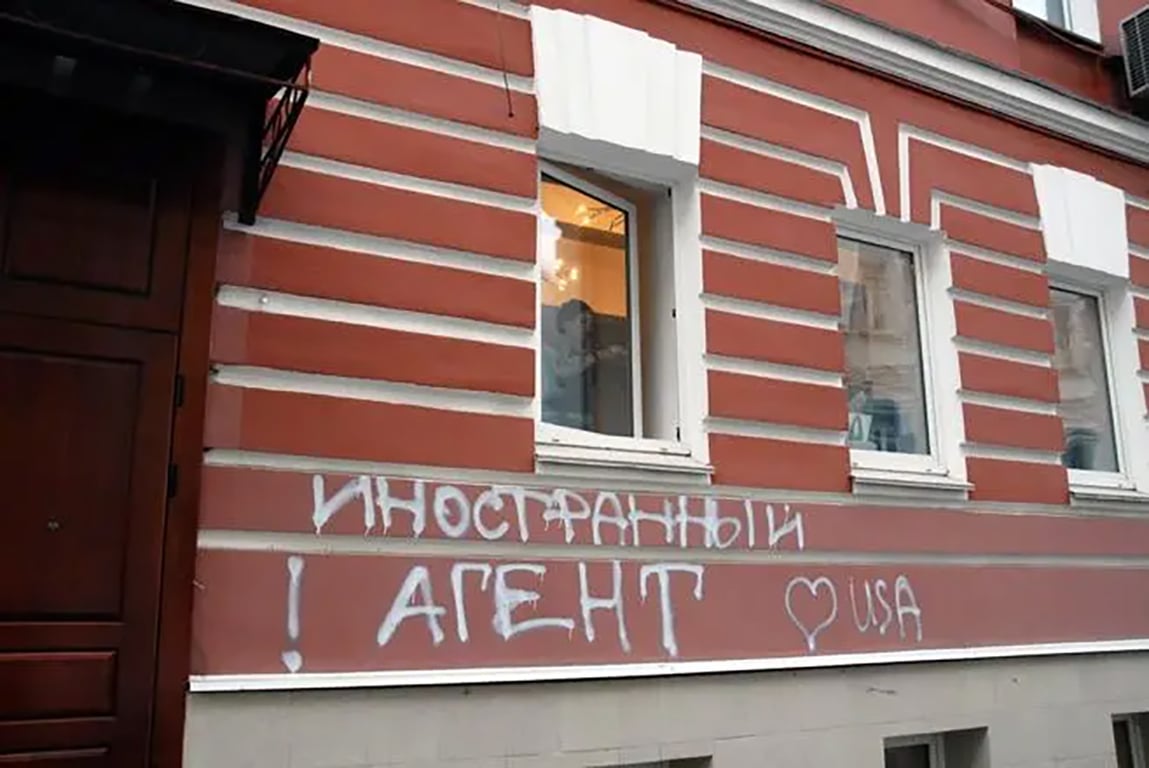
Human Rights Watch (HRW) notes that in Russia, as in other countries, “foreign agent” laws emerged against the backdrop of a dynamic public sphere as a method for imposing autocracy. Despite many legislative initiatives in different states, a law on foreign agents similar to the Russian one was adopted so far only in Georgia in 2025 and in Kyrgyzstan in 2024, where this problem turned out to be the most pressing for the authorities.
HRW emphasizes that entrenched authoritarian regimes where civil society has had no opportunity to develop since the collapse of the Soviet Union, such as in Turkmenistan, are unlikely to have a need for “foreign agent” laws.
In Kazakhstan, in 2023, a public register of persons and organizations receiving foreign funding appeared. And although the country does not yet have a separate law directly limiting the rights of list participants, in 2026 the authorities plan to strengthen control over NGOs.
Political scientist and expert on Central Asian countries Temur Umarov notes that the synchronization of interest in the law on foreign agents in different countries indicates general trends within authoritarian regimes.
“They understand that the conditions in which they exist and the society they have are changing, it is finding new ways to fight for their own rights, and thus they are adapting to new realities,” the political scientist believes. At the same time, according to Umarov, Moscow is rather “parasitic on those opinions that exist in Central Asia, but it does not set these trends.”
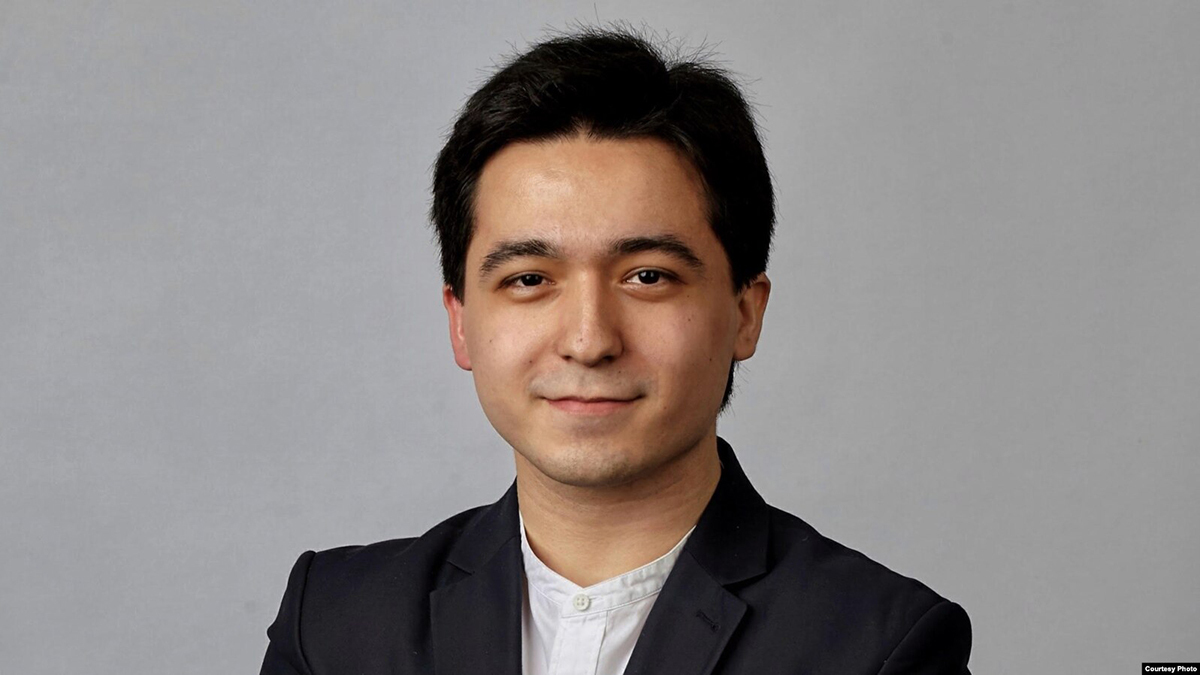
In Hungary, a similar law was adopted back in 2017. However, in 2020 the European Court found it to be in violation of EU rules, and the Hungarian government soon canceled it. However, already in 2023, Hungary adopted a more original law pursuing the same goal - “On the Protection of National Sovereignty.”
It was proposed to fight foreign agents in other EU countries as well. In Slovakia, last year the parliament passed the law in the first reading, but due to criticism from the EU, the authorities paused the process of approving the document. In Bulgaria, a bill on foreign agents was proposed last year by the pro-Russian far-right party Revival, but parliament did not pass it. Pro-Russian parties have also submitted a similar law for consideration in Serbia, Montenegro and Republika Srpska, part of Bosnia and Herzegovina, but so far have been unsuccessful.
Back in 2023, under the pretext of “defending democracy,” the European Commission presented a draft “Directive on transparency in the representation of interests on behalf of third countries,” which provides for the creation of a register of organizations financed from abroad. The Directive applies only to organizations acting on behalf of foreign states and does not apply to the receipt of foreign funding from any source, which distinguishes the draft from a typical “foreign agent” law. However, many EU member states and civil society organizations criticized the project. Politico explained the reason for the development of such a document, including the fight against Russian and Chinese influence in Europe.
Authoritarian tendencies are accompanied by strengthening conservative sentiments. The Bulgarian far-right pro-Russian Revival party, which proposed the law on foreign agents, previously achieved the adoption of a law banning “LGBT propaganda” in the country. In 2024, a similar law was also adopted in Georgia, and in 2023 – in Kyrgyzstan. Hungary, as in the case of the initiative against “foreign agents,” was ahead of other countries: “LGBT propaganda” was banned there back in 2021, and this year LGBT pride events were banned and amendments were added to the constitution recognizing only two genders: male and female.
In Kazakhstan, they wanted to limit “propaganda of non-traditional sexual relations” back in 2015. Then, due to international and civil pressure, the law was not adopted, but now it is at the final stage: on December 18, it was adopted in the upper house of parliament, and now only the president remains to sign it.
What else could I put on them?
In Astana at the end of November, several Kazakh human rights initiatives held a closed event to discuss how discrimination against LGBT rights affects the development of Kazakhstan and its international image. A woman named Ziuar Zhumanova came to the meeting, she began to interrupt and call the speakers names, and tried to disrupt the event. Later, security forces, who had previously been seen in the building, approached and, at her request, detained one of the speakers, activist Arja Tursynkhan.
“In the detention center, the police began to provoke me, mock me, and constantly cling to me. I heard them discussing that they could charge me with more serious charges, such as inciting ethnic hatred or calls for terrorism. They were discussing the guys outside [who had come to the police building to find out my fate] and what they could be detained for. In the cell opposite, through the bars, they put a very drunk man who looked at me all night and threatened to rape me,” this is how the activist described his experience in the pre-trial detention center.
Almost a day later, Tursynkhan was released and fined under the article of “minor hooliganism.” But the next day, the police, along with the same Zhumanova, came to an informal meeting of the feminist initiative Feminita. This time, the police detained Feminita co-founder Zhanar Sekerbaeva and activist Temirlan Baumash: Zhumanova accused them of “battery.” After questioning by the police, the activists were released. A few days later, KIMEP University (Kazakhstan Institute of Management, Economics and Forecasting) canceled Sekerbaeva’s lecture.
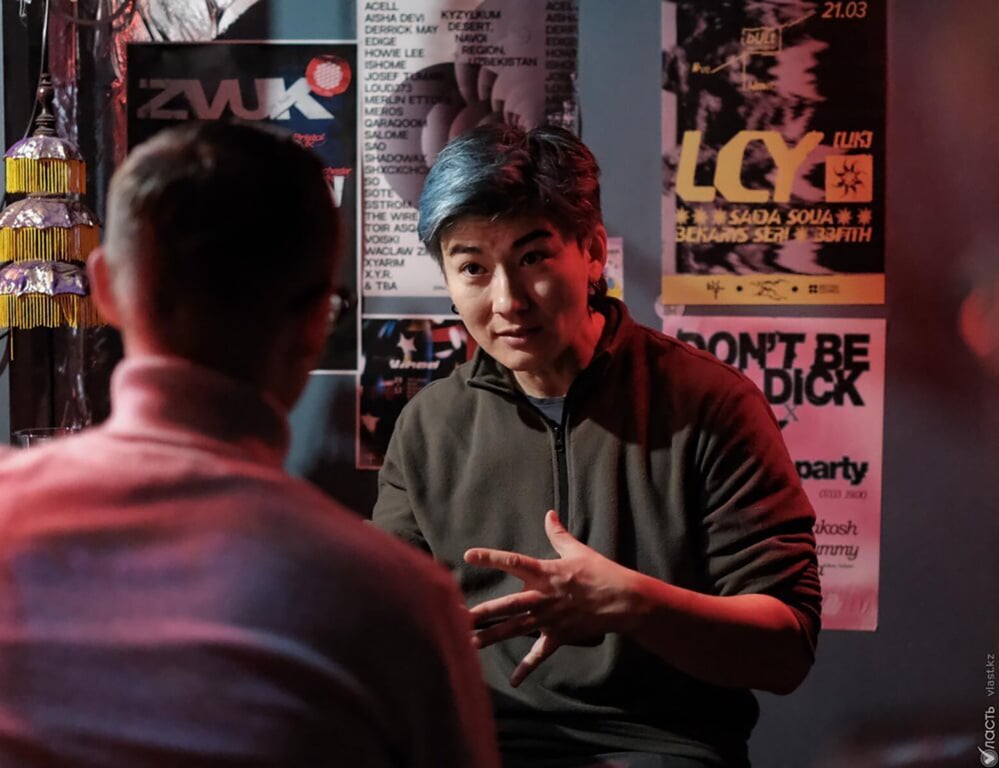
This is how the Kazakh authorities responded to the public campaign that activists launched against the law banning “propaganda of non-traditional sexual orientation.” As the Ministry of Culture explained, by propaganda they understand “a call for a positive assessment of the LGBT community.” For the first such violation, a fine of 78.6 thousand tenge (approximately 12 thousand rubles) will be imposed, for a repeated violation within a year - a fine twice as large or administrative arrest for up to 10 days.
The Mazhilis (lower house of the Kazakh parliament ) explained the need for new norms to protect children and adolescents from information that could “negatively affect their ideas about family and morality.” In addition to “gay orientation,” the same amendments prohibit “propaganda of pedophilia.”
But, as Kazakhstan’s Vice Minister of Culture Yevgeny Kochetov said , “the mere presence of a particular scene does not mean that content will be blocked and that people will be held accountable.” In this case, deputies propose marking them as 18+.
Previously, the Kazakh authorities had already taken several restrictive measures: they blocked a website about helping LGBT teenagers and banned adoption and mentoring for LGBT couples.
It's forbidden to be yourself
“Approximately everything I do here falls under the new law,” Russian theater director and teacher Kesha Bashinsky, who moved to Kazakhstan after the announcement of mobilization, tells Novaya Gazeta Kazakhstan. — I teach children, I publish texts in the media [representing queer optics in art]. This is a very manifest activity, not to mention the fact that I am an open person myself. In my emigration, this was what I latched onto first. I am ready to reformat a lot in myself, but I simply won’t give up this part. In this sense, the absence of such a law in Kazakhstan was an important factor why I stayed here.
In its current version, the law effectively prohibits LGBT people from being themselves in public. The definition of “propaganda” comes down to the “positive assessment” of LGBT people.
— It turns out that if I made an open coming out a long time ago and if I shoot a video where I do powerlifting, do good weights, and say that I have achieved a good result, then, according to the interpretation of the state, I create a positive image of a lesbian who plays sports. Even this example shows the absurdity of the situation,” activist Zhanar Sekerbaeva tells Novaya Gazeta Kazakhstan.
When a similar law was adopted in Russia, Elena Mizulina, who in 2013 was the chairman of the State Duma Committee on Family, Women and Children, then explained that “if the life of a person of non-traditional orientation is shown, then this is not propaganda, it is not aimed at forming any attitudes in children, it is just information, and if two people of the same sex are holding hands, this is also not propaganda.” However, Kazakh officials have not yet given such clarifications.
Moreover, the law applies not only to LGBT representatives, but also to those who, by their profession, are in one way or another connected with this topic. Maxim Isakov works as a school psychologist at a private school in Almaty and notes that both in private sessions and during public discussions, children often ask questions about sexual orientation.
- A child comes to me and says that he thinks he is gay. I tell him that this is normal. Does this mean I'm breaking the law?
Or, let’s say, during a class hour, children ask me how I feel about LGBT people. Children usually do not hesitate to talk about it; they ask teachers, administration staff, and other adults about it. Naturally, I always answer that I have a normal attitude. Is this illegal now? I can't even dare to say that. What if there are gay people in the class? This means that I am their enemy and it is not safe to go to me. But my job is to support all children,” says Maxim.
Even before the Majilis voted for the amendments, activists held a press conference where they spoke about the risks that this law poses for LGBT people and the entire society. As Arj Tursynhan, who was detained by the police two weeks after the event, noted, “the adoption of a law on LGBT propaganda will only aggravate the existing situation and put us on the brink of survival.” According to the activist, “International observers warn that such laws do not protect children, as their initiators claim, but instead increase stigma, violence and psychological trauma among LGBT people.”
“I had a situation in 2023 when I was pulled out of a bus and beaten,” trans model and activist Alina Konkova tells Novaya Gazeta Kazakhstan. — I was on my way to meet a friend at a coffee shop. Some drunk guy on the bus asked: “Girl, I’m sorry, are you a guy or a girl?” I just looked at him with a stern look and turned away. I was in a bad mood, I usually [send them]. Then this man started some kind of agitation on the bus, and a couple more men joined him. I got off the bus, they caught up with me, grabbed me, started beating me, and tore my clothes. I managed to run into the nearest cafe, where the employees hid me in the toilet without any questions. I was afraid to go to the police then. There are too many cases where, in response to reporting violence, [victims] receive ridicule, police violence, and denial of their report.
According to Alina, now such people will be able to use the law to morally justify aggression and discrimination against LGBT people.
“It will just give them a free hand.” “Well, if they [LGBT] were normal, the law would not be introduced.” I have often seen this opinion. For many, this becomes confirmation that LGBT is something abnormal and dangerous,” says the activist.
Visibility of popular support
Unlike other countries where similar restrictions were adopted, in Kazakhstan the law was initiated not by deputies, but by peculiar representatives of civil society - the conservative organization “Kazakhstan Union of Parents”. They most actively promoted the idea that LGBT people pose a threat to society and the state.
In April 2024, a group of Kazakh deputies proposed adding to the law on mass media, along with other changes, an amendment banning “propaganda of non-traditional sexual relations.” Violators could face a prison sentence of up to seven years. But then the amendment was not included in the final law.
However, the following month, a petition against “LGBT propaganda” appeared on the state website E-Petition.kz. Its author was Bagila Baltabaeva, who then headed the Kazakhstan Union of Parents, who had previously repeatedly tried to disrupt Feminita events. The petition received 50 thousand signatures, after which, according to the law, members of the government had to consider it. Last August, a public discussion of the petition's proposals took place, with both supporters and opponents of the ban speaking.
- Think for yourself. There is a banned terrorist organization ISIS. If I go out into the street with their flag, I will be arrested within 15 minutes. Because it's propaganda, right? And when same-sex people march on March 8 with flags in large cities every year, nothing happens,” Bagila Baltabaeva was indignant at the event.
As a result of the discussion, the Ministry of Culture and Information of the Republic of Kazakhstan “partially supported” the demands of the petition and pledged to conduct a study within a year, together with other ministries, on “the impact of the LGBT movement on minors.”
According to psychologist Maxim Isakov, then many did not have a clear understanding of how the Kazakhstan Union of Parents was connected to the state.
“It seemed like they were just freaks who shouted all the time, and did not always convey a pro-government position. For example, during Covid they vehemently opposed vaccinations,” says Isakov. “And when the government said that additional research needed to be done, there was hope that this [the idea to pass an anti-LGBT law] was an unofficial position and that the authorities were simply taking time to hush up this topic. When the research came out, I didn't have any panic. My colleague and I analyzed them, and we cannot say that they were openly homophobic, but rather very superficial. It was clear that they were written in haste. And there was a feeling that they were written just to get behind the activists who had previously made requests about the readiness of the research.
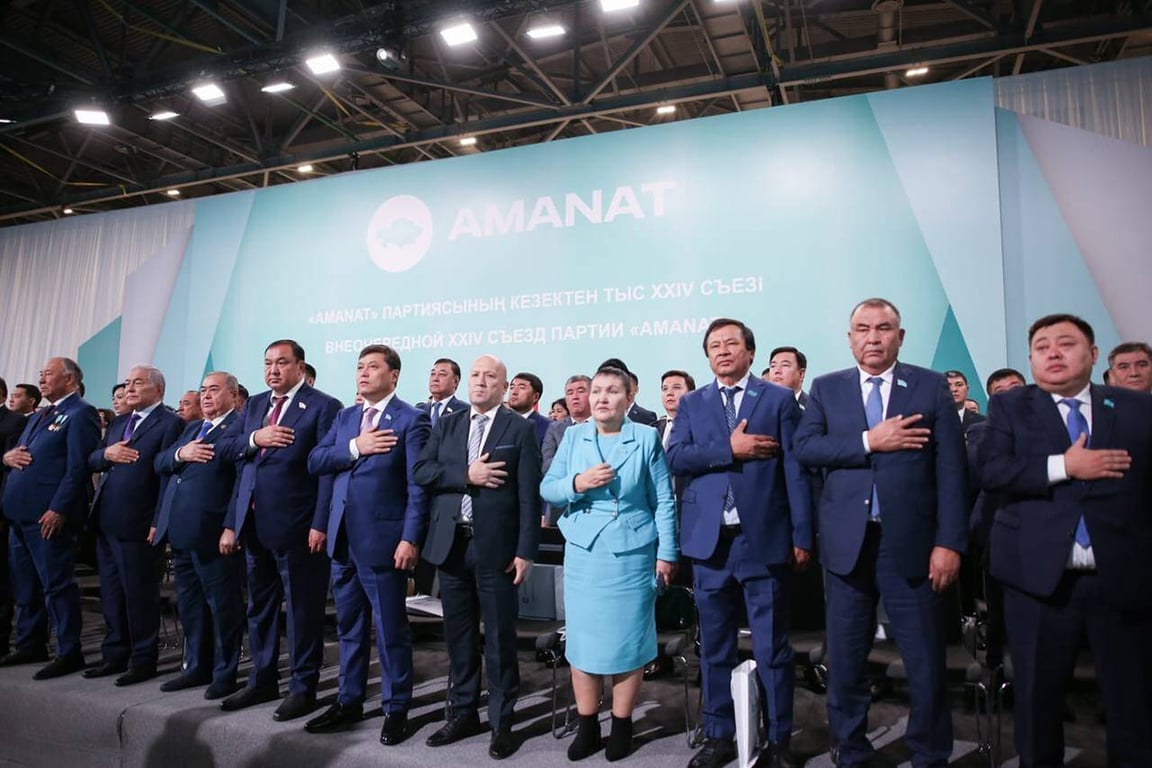
Moreover, after the petition received the required number of votes, it became known that state employees and civil servants were forced to sign it. The order came from the ruling Amanat party in Kazakhstan.
“We all hoped then [that the law would not be adopted]. For some reason, I wanted to believe that the deputies were also hampered by inflation, polluted air in Almaty and other important problems,” says Feminita activist Zhanar Sekerbaeva. “So I believed that their partial lack of support meant that they could not make up their mind and therefore wanted to study the issue further. It turned out that this was not the case.
It turned out that they were taking a break so that we could calm down. But we will not be complacent.
Previously, authorities twice used the LGBT issue as a reason to ban the feminist rally on March 8 in Almaty. Allegedly, they received complaints from residents about the participation of LGBT people and considered that the rally “threatens public order” because of this.
Purge before elections
Activists with whom Novaya Gazeta Kazakhstan spoke note the high speed with which the law is being adopted. A few days after the amendments were approved by the working group, they were submitted to the Majilis, which was discussed for less than 30 minutes, after which the deputies voted unanimously.
And just three weeks later, amendments were included in the agenda of the meeting of the Senate of the Republic of Kazakhstan (the upper house of the parliament of Kazakhstan). According to Zhanar Sekerbaeva, this is due to the cleansing of the public field before possible early parliamentary elections next year. In early September, Kazakh President Kassym-Jomart Tokayev announced plans to reform the parliament, transforming it from a bicameral to a unicameral one, and also abolishing elections in single-mandate constituencies.
“And in order for these early elections to take place without unnecessary noise, of course, civil society must be shut up. Who did they choose first to introduce prohibition amendments? LGBT. The common enemy was found in the form of us,” says Sekerbaeva. — Moreover, the deputies repeatedly mentioned Feminita, telling how they, poor people, are outraged by our videos on Instagram. We're a pain in their ass. And they feel a lot of pain from us. We are uncomfortable because we criticize the authoritarian and patriarchal regime. They don’t like the topics of nuclear power plants, the war in Ukraine, the topic of Russia’s colonial influence, or ecology. And we also talk about all this, and they really don’t like it. That's why we get so much attention.
As the activist notes, for the same purpose, Kazakhstan is also preparing to adopt a new law on NGOs, which will strengthen control over organizations receiving funding from abroad. The country has already introduced a public list of organizations and individuals receiving foreign funding in 2023, and now plans to continue tightening it, imitating Russia in persecuting dissidents as “foreign agents.” In this way, the authorities simultaneously solve their own internal political problems and harmonize Kazakh legislation with Russian legislation.
This is happening against the backdrop of increased pressure on freedom of speech over the past month: the accounts of journalists on social networks are blocked , activists are summoned for questioning.
“I’ll stick around here until the last minute.”
“We, like other initiatives, are considering different options on how we can continue our work and avoid this horrific discrimination if the amendments are adopted,” says Feminita activist Sekerbaeva. “If they are so concerned about the mention of the word LGBT, we will find other ways to talk about the issues that interest us in the country.”
As Russian LGBT activists noted , the law adopted in 2013 made life much more difficult for LGBT people, but at the same time the community became more organized, new initiatives appeared, and there was much more information on the topic. Moreover, from 2013 to 2022, the courts considered no more than 100 administrative cases under this article.
However, Russian law at that time prohibited “propaganda among minors,” while the Kazakh law does not contain such wording and applies to everyone. In Russia, the law was extended to adults only in 2022; fines increased to 5 million rubles for legal entities and 400 thousand rubles for individuals. In 2023, the Supreme Court of the Russian Federation declared the “international public LGBT movement” an extremist organization, and now for displaying LGBT symbols (for example, a rainbow) one may face administrative arrest of up to 15 days, and in case of repeated violation within a year, a criminal case with a punishment of up to four years in prison.
“My fear is not primarily related to the potential problems that may arise in Kazakhstan, but to the fact that any bullshit that would be regarded as illegal actions could ultimately face deportation to Russia. And it's really scary.
I'm super scared to go back there. This prevents me from being more actively involved in the struggle,” says Russian director Kesha Bashinsky.
Trans model and activist Alina Konkova says that she had previously thought about emigrating from Kazakhstan due to pressure on LGBT people, but she does not want to leave.
- I have the opportunity to leave. But I am very much attached to Almaty and Kazakhstan. During my modeling career, I traveled around the world and realized that I wanted to stay here, develop my country, and be an active participant in the social life of my country. I like how the party is organized in Almaty and in Kazakhstan in general, what kind of people I meet here, what potential I see in many projects. All this feels like something familiar. This is a difficult to explain feeling of love for home. I think I’ll stick around here until the end. But if it becomes too dangerous or I can’t stand it mentally, then I’ll leave,” says Alina.
Like many Russian emigrants in Kazakhstan who have been living here since 2022, Kesha Bashinsky has already integrated into local communities, working and launching his own projects.
“It’s been three years since I’ve been here, and that’s a long time; it’s clear that I’ve become a strong ass during this time.” But even outside the context of the law, I would like to go somewhere else someday. I don't feel like I want to spend a long time here. But the adoption of the law is a powerful kick. Apparently, now we need to, if not leave right now, then at least prepare,” says Kesha.
Author: Dmitry Zhadan