
Translated material
Lumberjacks
Who and why is lobbying for clear-cutting of forests on the main lake of the world - Baikal
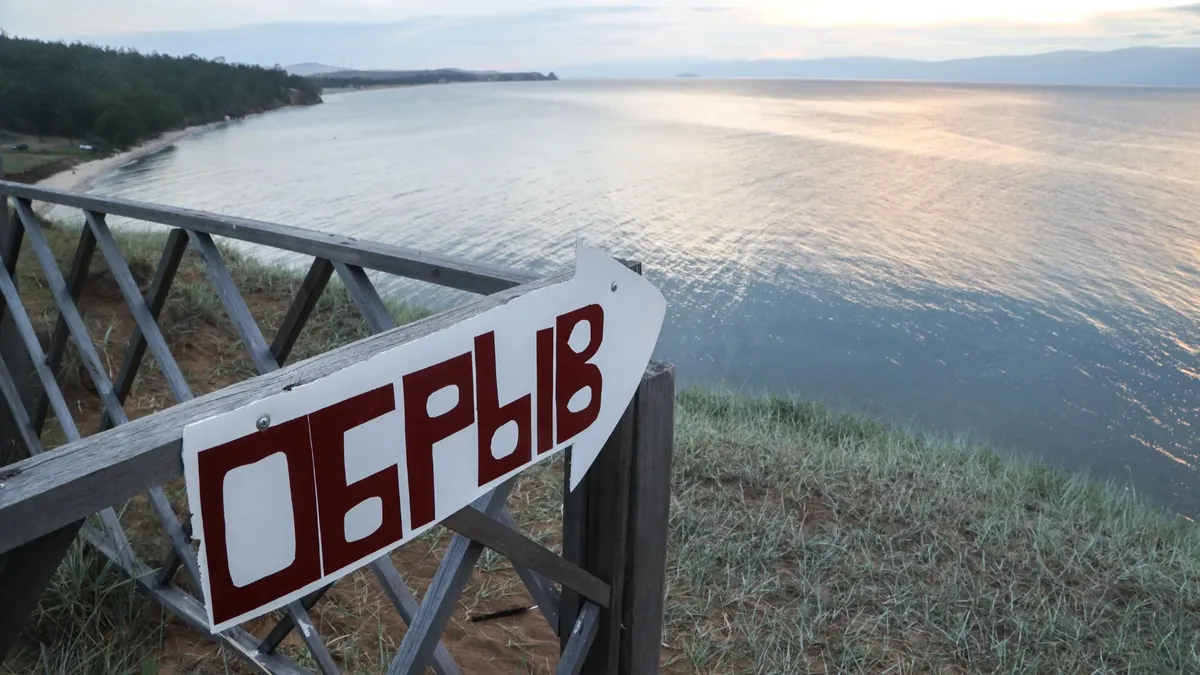
Irkutsk region. View of Lake Baikal from Olkhon Island. Photo: A. Belkin / Business Online / TASS
On December 9, the State Duma adopted in two readings a bill allowing clear-cutting of forests on Lake Baikal. The very next day it was approved by the Federation Council.
The document began to be considered back in 2023, but was “frozen” due to a wave of criticism: not only environmental organizations, but also scientists, including representatives of Moscow State University and the Russian Academy of Sciences, opposed it. The speaker of the lower house of parliament, Vyacheslav Volodin, then said: “We see that the concept of clear-cutting causes great criticism. This norm requires adjustment, we need to work through this issue and find a different solution.”
Two years later, a solution was found.
Firstly, the largest environmental organizations were considered undesirable.
Secondly, they came up with another name for clear-cutting, proposing to call it “carrying out environmental protection measures aimed at reforestation.”
The document was submitted to the vote as a real breakthrough in the field of nature conservation, especially emphasizing the norm according to which any logging on Lake Baikal must be agreed upon with the Russian Academy of Sciences. “Think about the decision we are bringing to the table today. Any decisions - to supply water, to make a cemetery - only through the Russian Academy of Sciences. We have no other experts with greater expertise,” Volodin said.
It was not by chance that he mentioned cemeteries and water. They promise to cut down the Baikal forest for two purposes: to remove dead trees and to provide the local population with infrastructure. Both are doubtful:
Firstly, RAS staff examined 4 thousand hectares of forest where restoration is planned. And they came to the conclusion that there is no need to carry out any work: even if trees died somewhere, nature will restore itself.
Secondly, the authors of the bill greatly exaggerated the infrastructure needs of the local population. Novaya has already written about the situation with cemeteries: the village of Shida, 28 residents - they want to increase the cemetery by 6 thousand graves. To do this you will have to cut down the forest. The city of Slyudyanka has 18 thousand inhabitants, the cemetery is planned to be expanded by 62 thousand graves. And in the village of Shumikha no one lives at all, but even there they are going to cut down the forest and organize a thousand burials. Some pro-government publications in Buryatia and the Irkutsk region are already writing that there is a shortage of places in cemeteries in all 160 settlements on Lake Baikal. You can chop without memory.
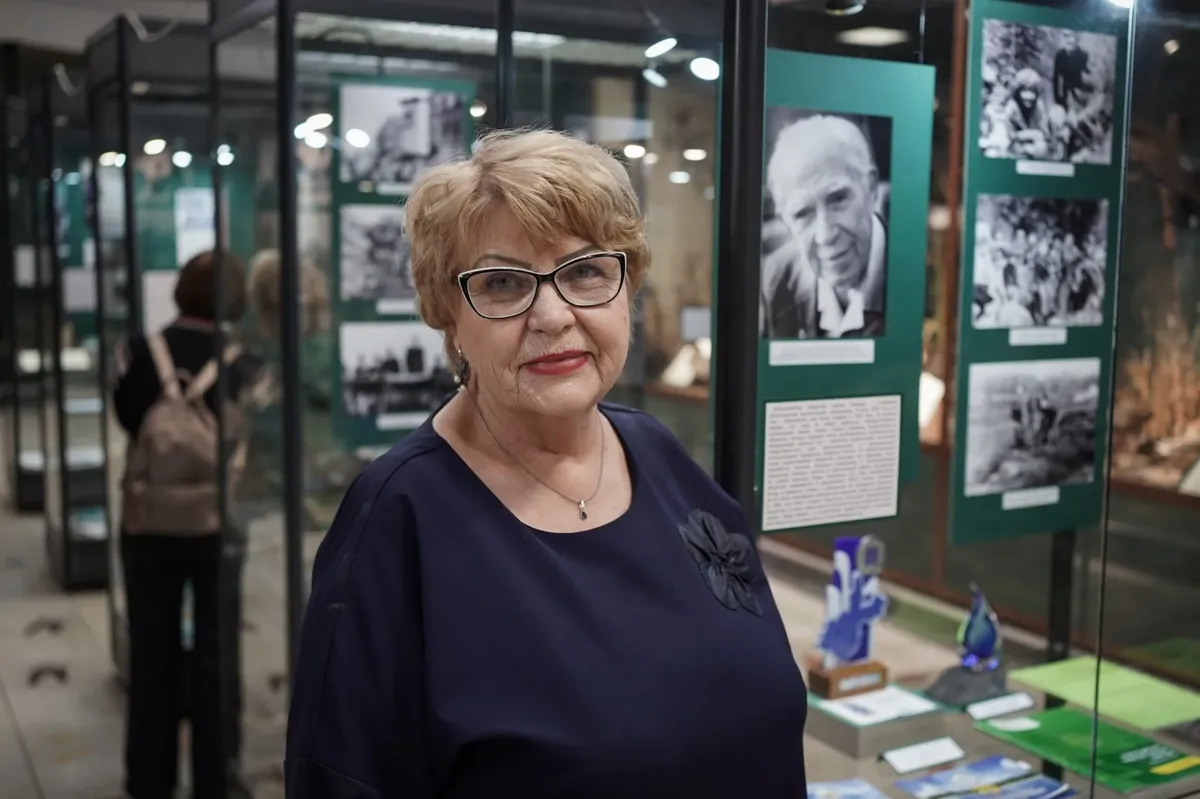
After the vote in the State Duma, the head of the Irkutsk branch of the All-Russian Society for Nature Conservation, Vera Shlenova, said : “This law is not about protection at all: it does not contain a single word about the improvement of the lake, about its conservation. This bill is about business.”
A very accurate remark. From the very beginning, environmentalists feared that when speaking about the construction of roads, the laying of utility networks and other benefits of civilization necessary for people, the authors of the bill had in mind not residents of settlements on Lake Baikal, but tourists. That is, not the reconstruction of existing infrastructure (clear cuttings are not needed for this), but the massive construction of new ones - in those Baikal corners that have not yet been touched by man. This will result in:
destruction of habitats of animals and plants;
pollution of the lake itself - due to the washout of fine earth into Baikal as a result of the movement of equipment, and consequently - to the growth of harmful spirogyra algae;
increasing the risk of forest fires. Fires in 90% of cases occur due to human fault, and now there will be more people in the forests.
The beneficiaries of this are both among the authors of the bill themselves and among large Russian businessmen. “Novaya” names those whose interests in logging Baikal forests are quite probable or can even be documented.
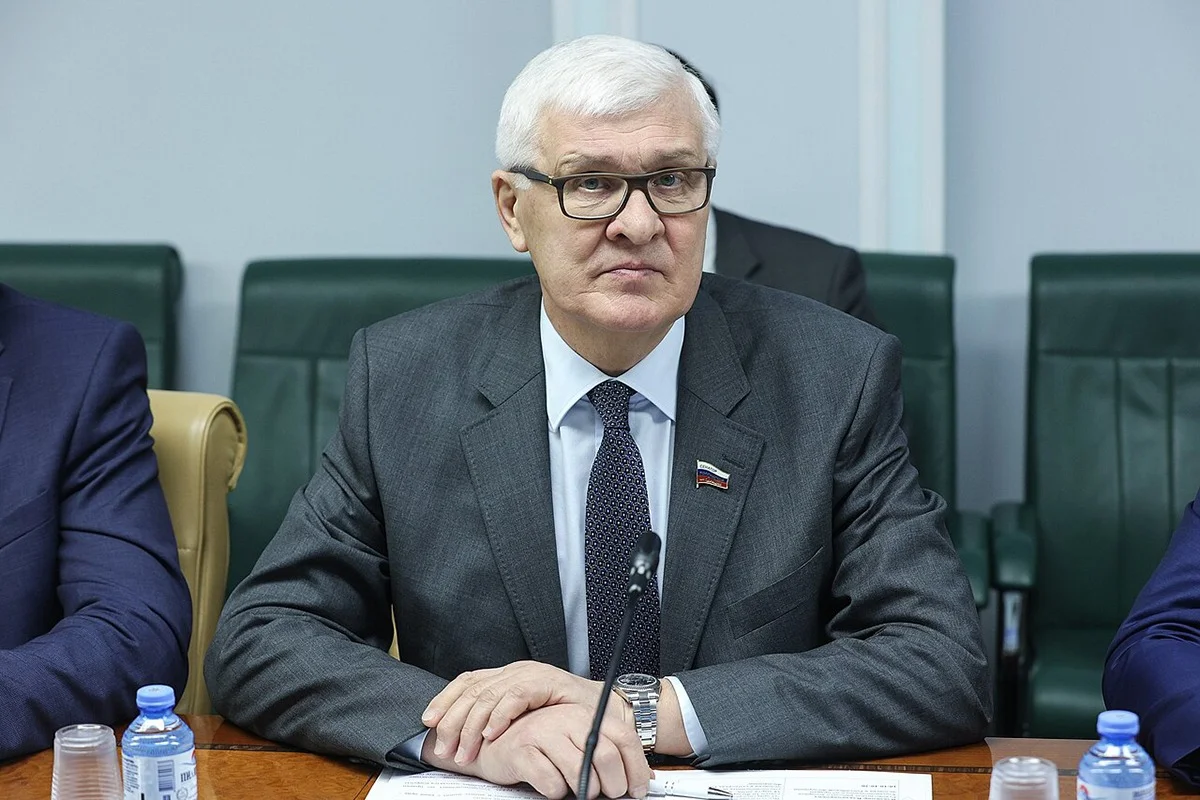
Sergei Brilka
The senator from the Irkutsk region is one of the authors of the bill. He also submitted the document for discussion by the Federation Council immediately after its adoption by the State Duma. At the same time, Brilka himself does not speak out about the need for logging, preferring to stay in the shadows. The reasons for this can probably be found in his family's business interests.
In 2023, the Yabloko party published an investigation in which it said that one of the companies surrounded by the senator was allegedly caught in dubious logging of the Baikal forest. In 2009, Brilka became a co-owner of half of Sibakvaprom JSC, which produces mineral water at the Krasnoyarovskoye deposit in Buryatia. The owner of the second half of Sibakvaprom is the SigmaTEK company. Both companies are located at the same address.
"SigmaTEK" was associated with the story of deforestation in the central ecological zone of Lake Baikal. In 2010, the company received a 49-year lease on a plot of Baikal land with an area of 21.6 hectares, covered with protective forests. After SigmaTEK cut down 1,382 cubic meters there. m of forest, a criminal case was opened against the former head of the Republican Forestry Agency, Alexei Shchepin, for issuing an illegal permit,” Yabloko reported.
Before this, the investigation says,
Brilka allegedly also tried to weaken the legislation on the protection of Lake Baikal in order to lift restrictions on the turnover of land plots in the Baikal territories.
Both forest cutting and simplified land circulation may be associated with the business interests of the senatorial family. Thus, Sergei Brilka’s son Ivan owns a construction company, which, in particular, manages an elite cottage community near Irkutsk. Ivan is firmly involved in government projects: to the point that he rents out premises to the Ministry of Transport and Road Facilities of the Irkutsk Region. And the senator’s daughter Marina is an “energy practitioner”; she organizes elite tours to Lake Baikal, where she conducts meditations with the participants and “opens” the “pineal gland” to them.
Construction and tourism are the main drivers of logging of Baikal forests. This can be seen from other interested parties as well.
Sergey Ten
The 49-year-old State Duma deputy from United Russia is one of the most active lobbyists for logging. Like Sergei Brilka, he has been fighting the special protective status of Baikal for a long time: for example, in 2016, Ten proposed changing the rules of state environmental assessment for the territories adjacent to the lake. In his opinion, the government of the Irkutsk region, and not federal departments, could approve construction on Lake Baikal.
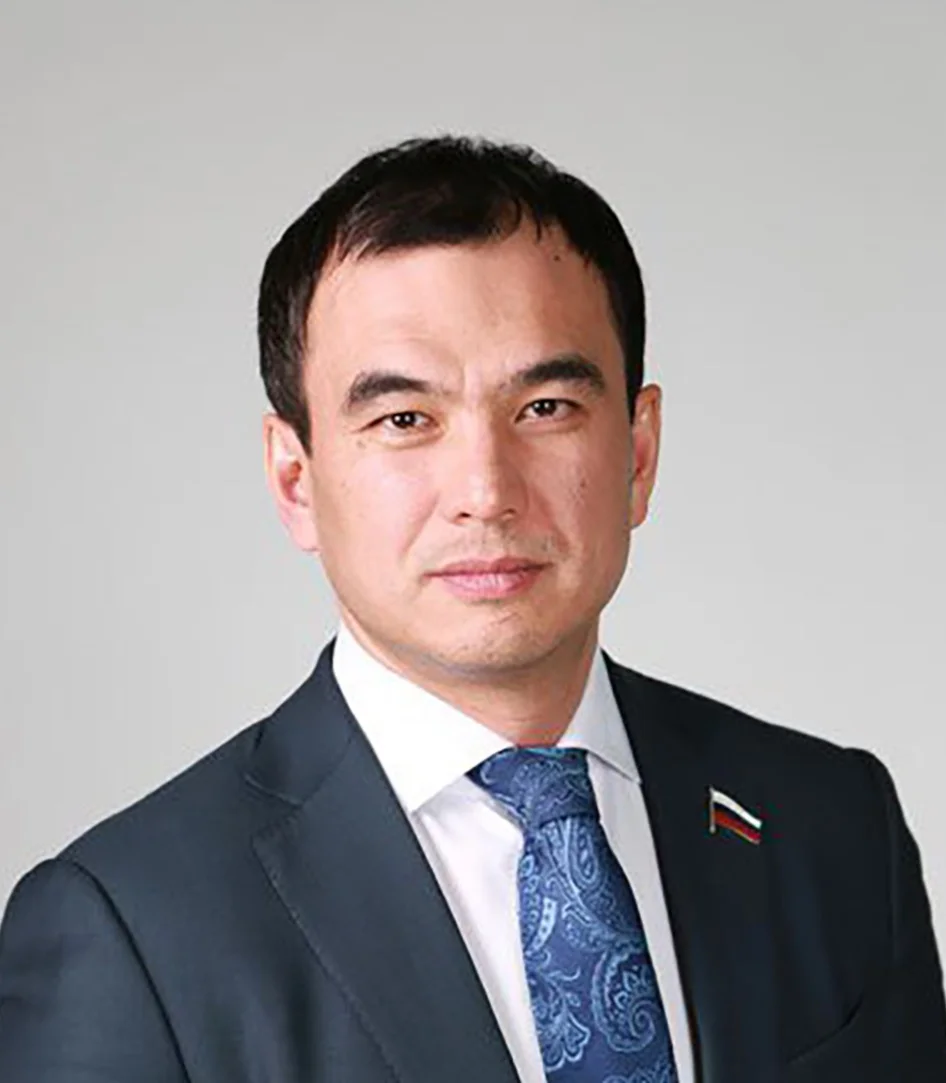
“It is impossible to preserve Baikal from Moscow - instructions may come from the capital of our state to protect the lake, but these instructions will be carried out by us, the people who live on the shores of Lake Baikal. Therefore, residents need schools, roads, hospitals - all the necessary infrastructure for a full and comfortable life,” he said .
The family of Sergei Ten himself can probably build, if not “all the necessary infrastructure,” then at least the roads, since his relatives own the Trud company. The company has been building roads in Siberia since the 2000s and only increased its momentum after Ten sat down as a deputy. Most recently, she received another one and a half billion dollar contract - for the construction of a clover interchange on the Siberia federal highway in the Irkutsk region.
Alexander Yakubovsky
Another co-author of the logging bill became famous in 2023. It was at his instigation that Greenpeace was first recognized as a “foreign agent” in Russia and then completely banned*. This was also connected with Baikal: the deputy’s statements to the Ministry of Justice and the Prosecutor General’s Office demanding that the environmental organization be punished came immediately after Greenpeace criticized the logging bill. Yakubovsky indicated in his statements that, in his opinion, environmentalists “are not acting in the interests of Russia and its inhabitants.” The fact that environmentalists should not work in anyone’s interests other than the interests of nature did not bother the deputy.
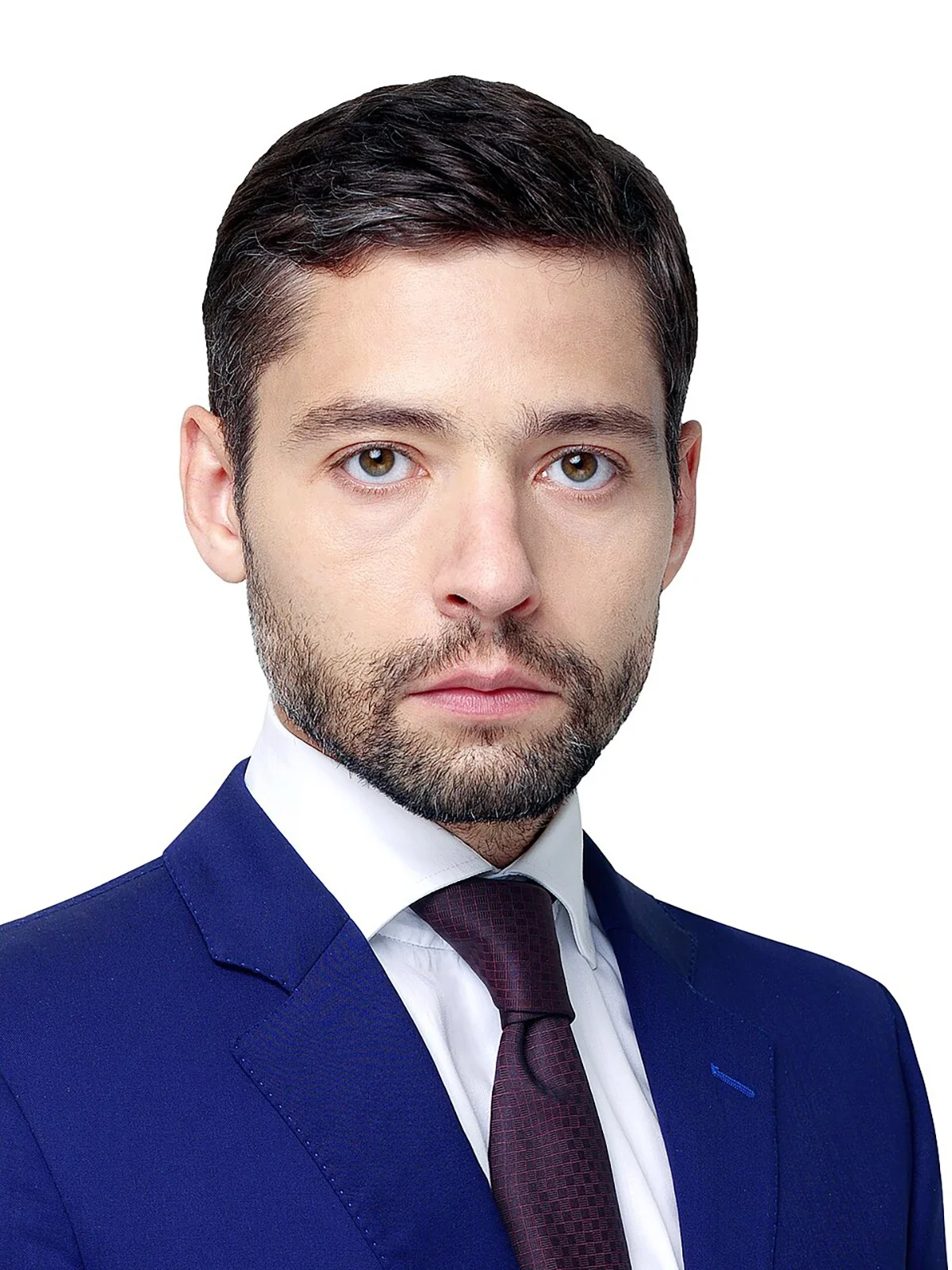
At the same time, the parliamentarian himself may probably have his own interest in logging. His wife Olga owns the Baikal Construction and Development Group, which constructs residential and non-residential buildings.
Formally, the deputy is worried about the state’s economy - in particular, about simplifying trade turnover with China. “We need to increase the number of railway tracks, improve capacity, and develop the infrastructure of railway stations. Indeed, this will require cutting down some forest. Which? Exactly what will be indicated in the project documentation. But this is unlikely to lead to any consequences for the ecosystem of Lake Baikal,” he says .
Felled Baikal timber will likely be transported to China along the expanded railway lines.
The role of timber traders
When discussing the issue of logging, the question inevitably arises about the benefits of those who receive the wood itself. Novaya previously discovered that 1,863 hectares of forest still protected by law already have tenants. This is CJSC Baikal Forestry Company (BLK) and a certain individual entrepreneur Evgeny Pogrebnyak.
“BLK” is part of the business empire of the Buryat family of timber merchants Pruidze. It also includes Bile LLC, Boyle LLC and the Selenga pulp and cardboard mill. The total income of these enterprises for 2023 is 6 billion rubles. Novaya's interlocutors characterize the Pruidze family as entrepreneurs who do not particularly meddle in politics. And they doubt that they themselves in any way lobbied for the logging bill.
As for Evgeny Pogrebnyak, it’s strange to see him on the list of tenants, because he died in 2021.
In any case, environmentalists note that demand for wood in China is falling: last year, supplies fell by about 13%. This trend may continue for a long time, and then commercial interest in sanitary clear-cutting on Lake Baikal for timber may well dry up.
Oleg Deripaska
Deputies Yakubovsky and Ten, like Senator Brilka, do not yet have specific projects on Lake Baikal related to logging. But some representatives of big business already have them.
In 2023, ecologist Evgeny Simonov** discovered that 553 hectares of the Baikal forest, on which the State Duma approved clear-cutting in the first reading, are adjacent to the Sobolinaya Mountain resort, owned by the structures of billionaire Oleg Deripaska. This is the largest plot of all that is indicated in the draft law.
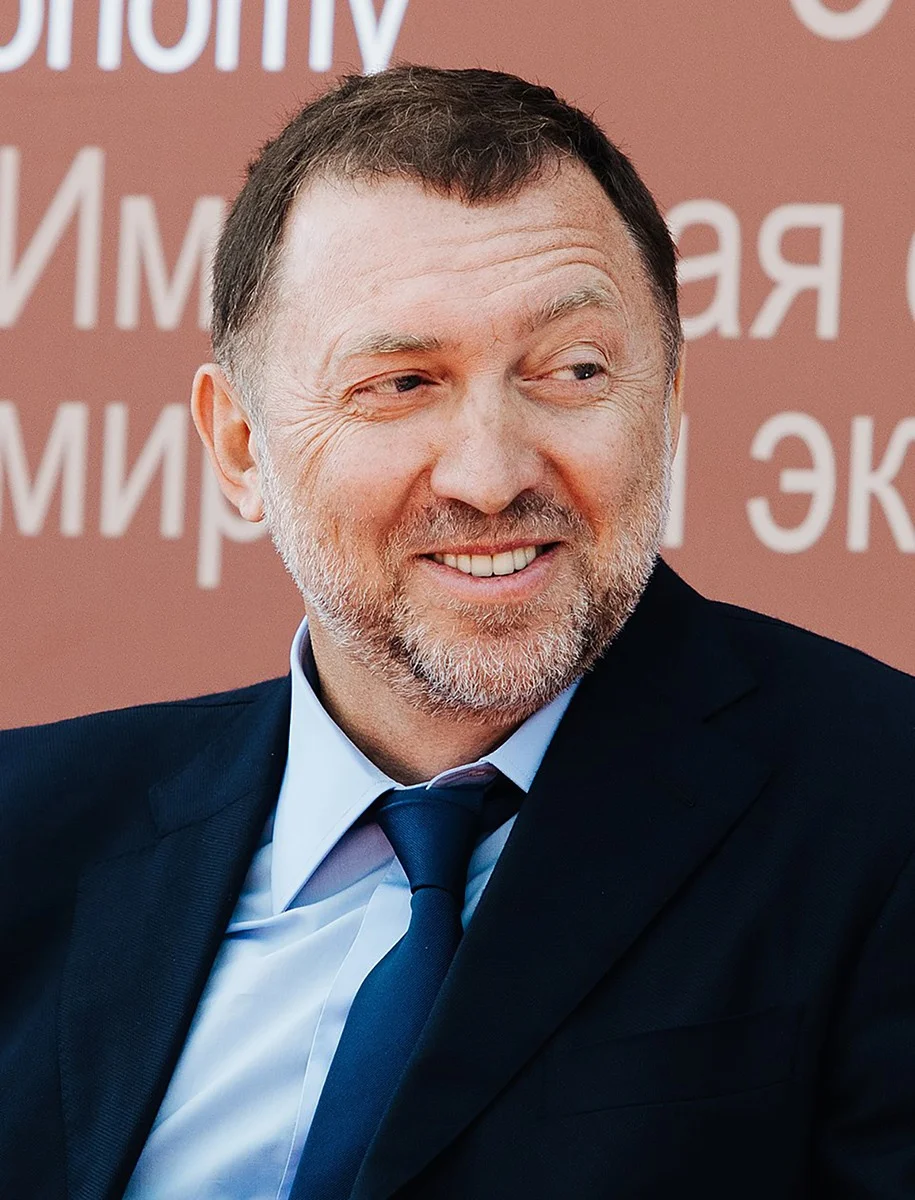
It is proposed to remove the forest at the foot of Mount Sobolina between the bases and buildings of the ski resort. In addition, logging is planned between residential areas of the city of Baikalsk, as well as along the banks of Baikal and the rivers flowing into it, including 9 hectares in the water protection zone of the Kharlakhta River.
“The picturesque coastal landscape, which is one of the outstanding values protected here under the auspices of the UNESCO World Heritage Site, will be disfigured on a large scale. In addition to aesthetic damage, this will provoke erosion of the slopes of Mount Sobolina,” Simonov explained to the environmental publication Kedr**.
The logging is obviously needed to expand the resort. But the administration of Sobolina Mountain refuses to comment on this topic: according to the manager of the resort, Igor Tremasov, he is not authorized to talk about this.
AFK Sistema
Another project for the development of Baikal forests was presented last year by Cosmos Hotel Group, part of AFK Sistema. The founder of Sistema is billionaire Vladimir Yevtushenkov.
The company proposed to build a “natural health” complex on the shore of Bezymyannaya Bay. The project includes a hotel with 100 rooms, 14 duplexes and 12 cottages, VIP houses with a lounge area, glamping, a congress hall, a geothermal spa and a bath complex. But, according to the environmental impact assessment materials , the construction will be even larger - two hotels, more than 30 cottages and duplexes, a family cottage for the general director, restaurants, a conference hall, warehouses and other utility rooms will be built on the shore of Lake Baikal. At least 10 km of roads will be laid between them.
In total, the complex's facilities will occupy 382 hectares. More than 85% of the area where construction is planned is covered with forest.
And others
A few days before the adoption of the bill, speaking at a round table in the State Duma, ecologist and doctor of legal sciences Tamara Zlotnikova told the assembled deputies: “If the president does not veto this law, then we will sue. In recent years, the Constitutional Court has ruled in favor of nature twenty times in controversial issues. There will be a massive campaign for everyone who votes for this. We promise you this."
323 deputies voted for the adoption of the bill - full lists are on the State Duma website. But I would like to separately name all the authors of the bill.
Senators: Sergei Brilka, Alexander Varfolomeev, Bair Zhamsuev, Sergei Mikhailov, Vyacheslav Nagovitsyn, Andrey Chernyshev and Alexander Yaroshuk.
State Duma deputies: Sergey Ten, Alexander Yakubovsky, Georgy Arapov, Nikolay Buduev, Maria Vasilkova, Vyacheslav Damditsurunov, Anton Krasnoshtanov, Andrey Lugovoy, Victor Pinsky, Valery Seleznev, Vladimir Samokish, Alexander Skachkov, Sergey Sokol, Mikhail Shchapov.
There is little hope that Vladimir Putin will not sign the bill - after all, in February of this year he left a positive resolution on a letter from the head of Buryatia, Alexei Tsydenov, who asked for permission to finalize the document and adopt it.
State Duma Speaker Vyacheslav Volodin called the state of the Baikal ecosystem “deplorable.” Environmentalists disagree with this assessment. But it can be assumed that the lake will soon become much worse.