
Translated material
White powder
Parents reported their 12-year-old daughter missing. When her body was found, they were charged with murder. 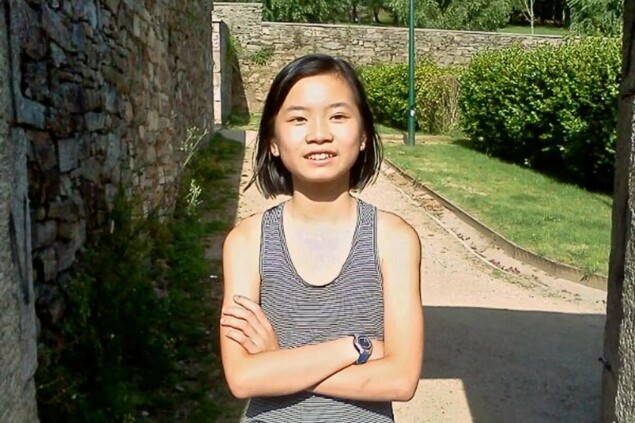
On the night of September 22, 2013, Alfredo Balsa, who was over 40 at the time, got behind the wheel. His driver's license was confiscated some time ago for drunk driving. But this did not stop Balsa. He was already known to the police in Santiago de Compostela, where he lived, because of his habit of driving drunk.
That night, he and his friend Jose Alvarez were looking for somewhere to have fun and were planning to go to a club. On the way there, a terrible discovery awaited them. At some point on the road, among the shadows, Balsa noticed something strange. He thought it was a scarecrow or a mannequin.
The men first drove past, but then returned - at first Balsa was afraid that the police would catch him driving without a license, but then remorse took over. On the side of the road they saw the body of a girl lying on the ground.
Her face was covered in blood - judging by the traces, shortly before her death, she had a nosebleed, and there were stains on her cheek - as experts later determined, it was palm oil. The girl was barefoot, she was wearing a white T-shirt and blue sweatpants. There were abrasions on her chest, and experts counted several bruises on her body, but they ruled out rape.
The find was shocking for this quiet area. The men called 911. It quickly became clear that the body belonged to 12-year-old Asunta Basterra. She was reported missing the day before, on the evening of September 21, by her adoptive mother Rosario Porto.
One of the Civil Guard officers who arrived at the scene (this is one of the structures of the Spanish police), having learned that this was not the first time Balsa had come to the attention of the police, asked the friends who discovered the body: “What did you do with the girl?” However, the hypothesis about their involvement in the crime was quickly dismissed.

One of the first in the Asunta case, the police interrogated a certain young man of Colombian origin - his sperm, according to the results of the examination, was found on Asunta’s clothes (the police did not specify how exactly they found him). But he had an alibi: on the day of the murder, he was in Madrid, picking up a wedding suit from a shopping center and spending time with his girlfriend. He provided a receipt from the store as proof.
Only two and a half months later, investigators found out that the sperm for which the man was interrogated in the Asunta case ended up on the girl’s clothes in the laboratory - apparently, someone cut it with scissors, which had previously been used when working with a used condom in another case not related to the girl’s murder. Officially, the forensic laboratory of the Civil Guard never recognized this fact, but its anonymous employees later confirmed the veracity of this version to journalists.
Local authorities later said: Asunta was most likely brought to the road already dead and deliberately left where the body could be easily seen.
Feeling unwell
Shortly before her death, Asunta came to school for music classes with severe dizziness, her teachers said . “She could not study, walked like a sleepwalker and did not respond to words, even to the question of what was wrong with her,” recalled her music teacher. “She played very loudly, didn’t listen, couldn’t coordinate, but when she left, she walked on her own and moved normally,” another added.
By that time, Asunta's adoptive parents had divorced.
Her father Alfonso Basterra explained the girl’s strange, “drugged” state by saying that she was taking antihistamines due to an allergy. The teachers conveyed these words to her adoptive mother, Rosario, and she replied that Asunta needed to be taken to a doctor - such a condition was not normal for her.
On July 22, the girl felt very bad. At one point during her violin lesson, she shouted, “If someone doesn’t hold me, I’ll fall.” She staggered and missed notes, which had never happened to her before - she was called an outstanding student who "always did everything right."
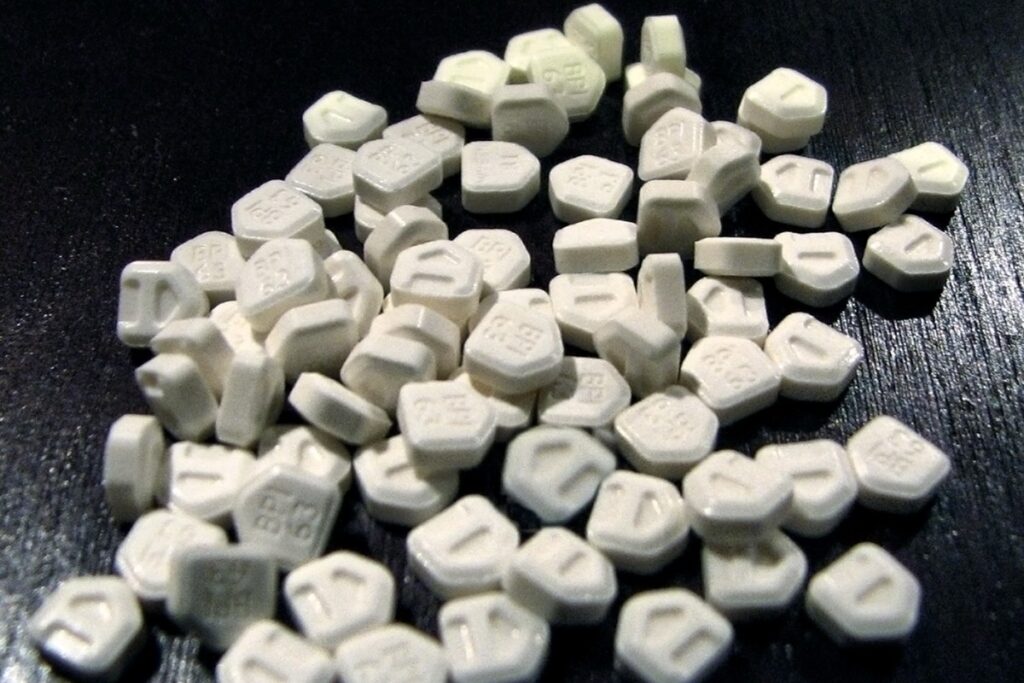
The teacher asked if her condition was related to the allergy her father had previously mentioned. “I don’t have allergies,” Assunta objected. - I don’t know what’s wrong with me. They gave me a white powder that tasted terrible and I slept for two days straight. And no one wants to tell me the truth."
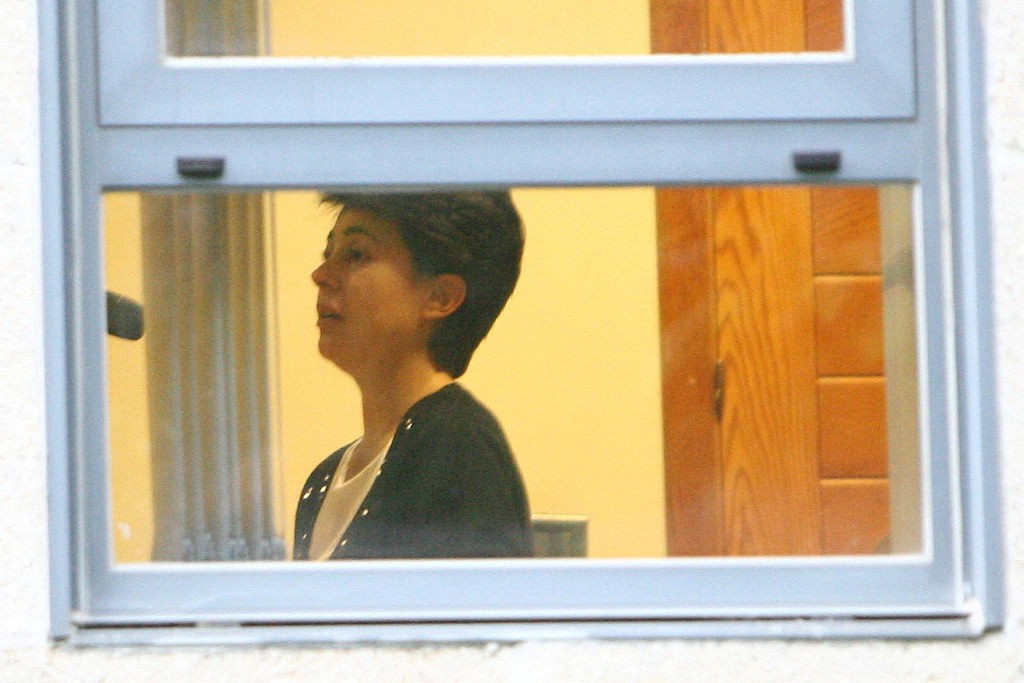
When the teachers asked who gave her the powder, Asunta replied: “My mother.” And when they asked where her mother got it from, she said: “A friend at the entrance.” Another teacher later said that Asunta also called her mother's friend a doctor.
The dance teacher later recalled how earlier, in June, Asunta justified absences from classes as “an allergy or a bad cold.” On June 20, while preparing for her graduation performance, she got confused in her movements and had watery eyes. On September 18, a week before the alleged murder, Rosario warned a teacher via WhatsApp that Asunta was “taking medication and could not attend class.” The last time the teacher, as she later said in court, saw the girl was on September 20. “I noticed a change in her posture... Body language plays an important role in ballet,” she later said in court.
Apparently, none of the teachers contacted the police.
Adoptive family
Lawyer Rosario Porto and her husband, journalist Alfonso Basterra, adopted Asunta, then called Yun Fan, in China 12 years before the events described - then the girl was not even a year old. At that time they had been married for about five years. Then Rosario and Alfonso talked about their adoption experience to the Spanish media and said that the baby was adapting perfectly to her new life. They could often be seen walking with the whole family around the city center.
Rosario Porto was born in 1969 to the family of lawyer Francisco Porto Mella and art history professor Maria del Socorro Ortega Romero . She studied at the prestigious IES Rosalía de Castro school, then received a degree in law in Santiago de Compostela, after which she continued her studies at universities in the UK and France. Until 2006, she was the honorary consul of France in Galicia (the community of Spain whose capital is Santiago de Compostela).
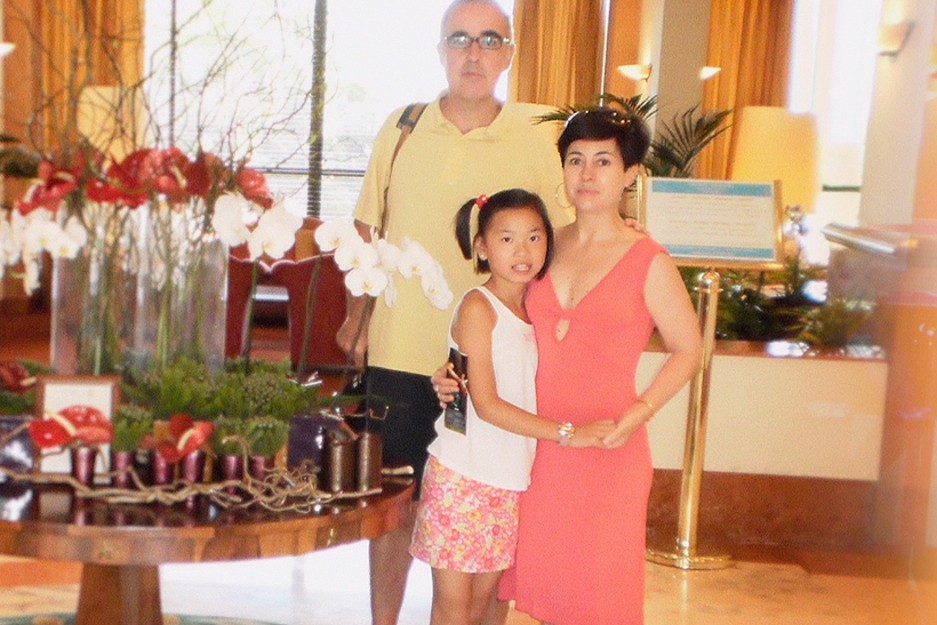
In 2011, Rosario quit her job - then she worked in a law office. At the same time, her mother died suddenly, and seven months later her father also died. Then Rosario's relationship with her husband went wrong. In January 2013, they separated , and in February they officially divorced .
Alfonso Basterra was born in 1964 in Bilbao. At the age of 30 (some sources say earlier), he moved to Santiago de Compostela, where he began working as an economic journalist for the local newspaper El Correo Gallego. Having managed to work both as a freelancer and in the press services of various departments, over time Alfonso began to specialize in tourism. However, Rosario mainly provided for the family.
Acquaintances of Rosario and Alfonso remembered Assunta frolicking on the streets of the city from early childhood. Those who were close to her described her as a very responsible and mature girl for her age, strongly attached to her maternal grandparents and her parents.
Asunta studied at the same prestigious school as her mother, and after school she additionally studied English, piano, violin and dance with private teachers. The teachers spoke of her as a very capable girl - they even decided to move her to a class higher than her age. After Alfonso and Rosario's divorce, Asunta stayed with her mother, but continued to see her father, who lived just 20 meters away, every day, and in fact spent even more time with him than with her mother. After separating from his wife, Alfonso found himself in a difficult financial situation: he lived in an apartment with minimal amenities on money borrowed from one of his relatives.
Then Rosario was diagnosed with a severe rheumatic disease, and since she had no relatives other than her ex-husband, Alfonso became her only support.
White powder
After examining samples of Asunta's blood, experts found lorazepam in her, a tranquilizer used to treat anxiety disorders, sleep disorders and other diseases. Two pharmacists who were questioned by investigators reported that in a short period Alfonso bought as many as three packages of medicine from them - two of 50 and one of 25 tablets. Twice he received them with prescriptions issued by a private doctor, and the third time he bought them without a prescription, explaining that Rosario allegedly forgot the drug she needed.
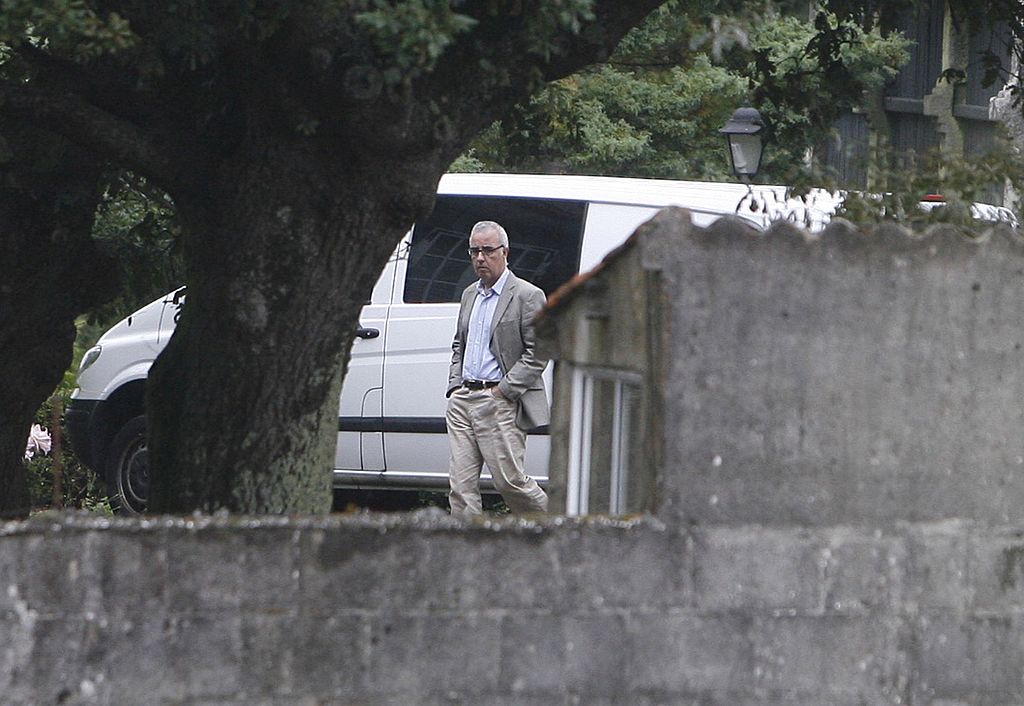
Investigators began to study recordings from surveillance cameras - and it was they who later became the main evidence. One of the cameras recorded that Rosario and Asunta were sitting in a car together at a time when the girl, according to the testimony of her mother, had already allegedly disappeared.
This discrepancy greatly alarmed investigators. Given other suspicious details, they decided to detain Rosario. That's what they did - on the day of Assunta's cremation and funeral, two days after the discovery of her body, on September 24, 2013, in a church in the center of Santiago de Compostela. That day, hundreds of local residents came to say goodbye to Asunta. The next day Alfonso was also detained . Before this, a search was conducted at his home that lasted more than seven hours.
The only concern
As the court later found, on the day of her death, Asunta had lunch with her parents at home. Over lunch they gave her at least 27 sedative pills. After that, according to the camera records, Rosario drove Assunta out of town, and, as the jury suggested, Alfonso could also be in the car, simply hiding in the back seat (the court did not consider this proven). In the evening, Rosario and Alfonso tied Assunta's hands and feet and then strangled her. Her body was then left on a forest road, where Alvarez and Balsa found it.
At the trial, the couple denied their involvement in the murder. Rosario said that the last time she saw her daughter was not far from the house, where she dropped her out of the car. She changed her testimony: she either claimed that she did not give her daughter sedatives, then she noted that Alfonso fed Asunta “white powder,” or she completely denied that any of them gave the girl pills.
When asked if Rosario cared about Asunta, she answered with tears: “That was my only concern.” She also said she suffered from depression and was taking lorazepam herself. “When you're depressed, you can barely take care of yourself,” she said.
A psychiatrist who treated Rosario at the La Robleda clinic in Santiago de Compostela in 2009 said that at the time she posed a “risk to herself” but was not a danger to others. This was also pointed out by Rosario's lawyer Jose Luis Gutiérrez Aranguren, who argued that there was a certain “black hand” that “corrected” the evidence and “discarded data” in the case.
In October 2015, a jury found the parents guilty of Assunta's murder. The girl, in their opinion, “could not defend herself effectively” because she was under the influence of lorazepam. The jury concluded that the incident could only be classified as murder. The court never established the reason, but there were many versions: perhaps the parents did not want her to inherit their fortune, or the girl simply disturbed them. Among the versions were also Rosario's mental instability and Alfonso's possible attraction to the girl. It was even assumed that Asunta could find out some secret of her parents and threatened to tell it.
On November 11, 2015, the court sentenced Rosario Porto and Alfonso Basterra to 18 years in prison each. When appealing, the couple’s sentence was not changed , but the court came to the conclusion that the plan to kill the girl was a common one, and only Rosario strangled her.
Letters and suicide
While in prison, Rosario tried to commit suicide several times. In the summer of 2017, she sent a letter to the editor of the newspaper El País. In it, she continued to deny her involvement in the murder. Rosario spoke about the lack of direct evidence and listed in detail the “inconsistencies” in the case.
“When investigating the murder of my princess, there was only haste and incompetence... I don’t understand anything, I’m in complete despair and bewilderment, I feel powerless.” The letter also said that she was the only one who cared about the fate of the dead girl.
In November 2020, Rosario hanged herself with a cloth belt tied to the window of her cell. Until her death, she continued to deny that she killed her daughter.
After this, the prison staff where Alfonso was imprisoned decided to apply a suicide prevention protocol to him. When they told him what had happened, they said he was “very shocked.”
In 2024, this case was remembered again - the series “The Assunta Case” was released on Netflix. In 2018, a documentary series about this murder was already released , and in 2017, the series “ Asunta Case: Operation Nenyufar” (“Nenyufar”, that is, water lily, was the name of the Asunta case among police officers and investigators).
Alfonso continues to serve his sentence to this day. He says he has chosen “the path of forgiveness.”
When I regain my freedom, I have the firm intention of disappearing - no one will know anything about me again,” he wrote in letters from prison.
He called his true punishment not prison, but “not being able to help my girl” when she needed him most: “This is something I will never forgive myself for. Therefore, when you learn of my death, I ask you to uncork a bottle of cava and raise a toast with your loved ones: only at that moment will you understand that I have found my happiness again.”
In 2025, Alfonso published the novel Cito, written while in prison, a love story set in 1940s Castile and León. He dedicated this book to Asunta.
Author: Maria Efimova
Photo: social networks