
Translated material
People ate penguins
If previously the main reason for the death of penguins was that people collected their eggs, now it is all due to hunger. More than 60,000 African penguins have died, possibly due to a shortage of sardines, a recent study has found. Without fish, they have no strength to hunt, and they hardly reproduce. An entire species of African penguin could become extinct by 2035. How to prevent the death of penguins - in the material "Cold" .
Because of this, more than 60 thousand individuals have already died, and in 10 years there may not be any left on the African continent. 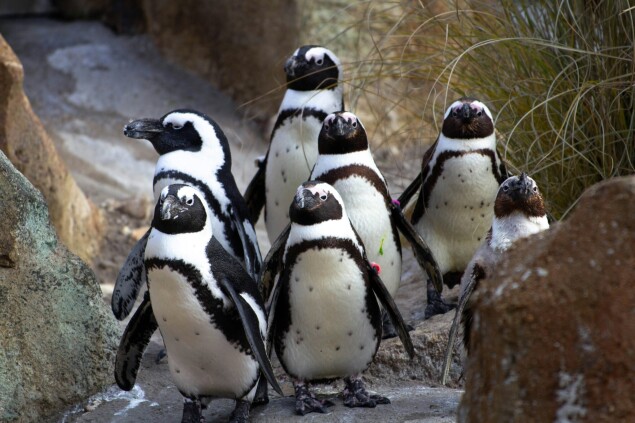
“Between 2004 and 2011, sardine numbers off the western coast of South Africa were consistently less than 25% of their peak abundance, and this appears to have caused severe food shortages for African penguins and resulted in the loss of around 62,000 individuals,” said one of the study’s authors, biologist Richard Shirley from the University of Exeter.
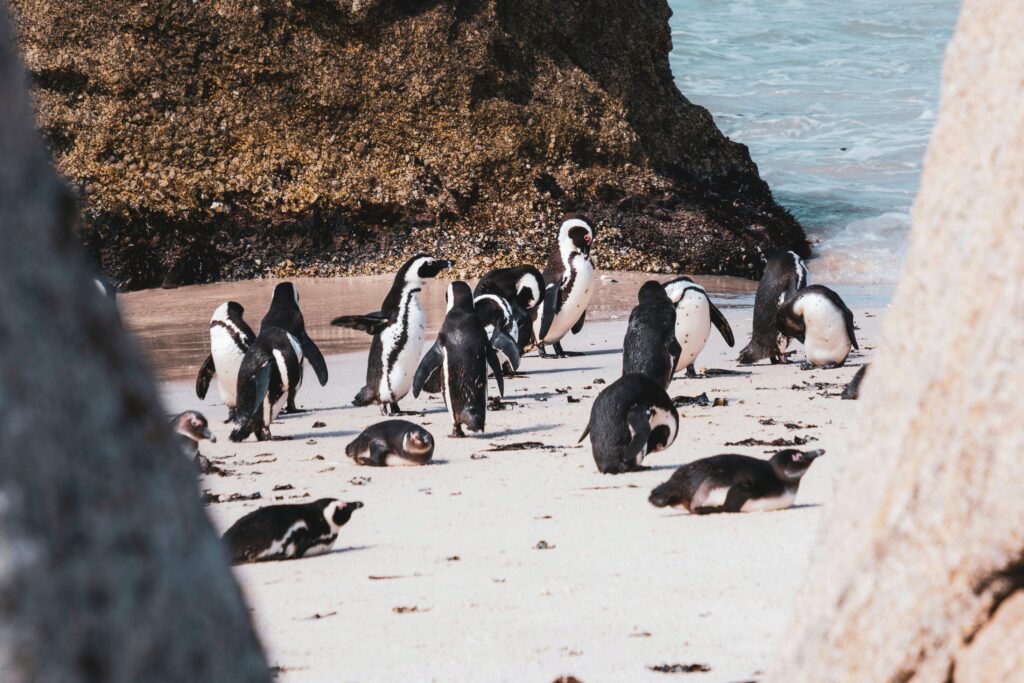
Most birds died during molting. Penguins molt annually, replacing old feathers with new ones to maintain insulation and water resistance. The molt lasts an average of 21 days - and the penguins, who feed mainly on fish, remain on the shore. They cannot stay underwater until new feathers grow. To survive the moult, penguins accumulate fat reserves in advance, but due to the lack of sardines, it is extremely difficult for them to do this.
“They evolve to store fat and then starve while their bodies metabolize those stores and the protein in their muscles so they can survive the moult,” said Richard Shirley. - After this, they must quickly restore their original state. If it is too difficult to find food before or immediately after molting, they won't have enough resources to survive starvation."
"There are no fish left in the sea"
Sardines are becoming scarcer due to climate change and human actions. Previously, they went to spawn off the western coast of South Africa. However,global warming has changed the temperature and salinity of the water. Because of this, spawning sites have shifted to the southern coasts. Additionally, sardine harvesting increased in the early 2000s, with humans harvesting a record 80% of the population in 2006.
“In a good year, [penguins from hunting] return with their bellies bulging,” BirdLife South Africa spokeswoman Eleanor Weideman explained to reporters. — In one day of searching for food, penguins can add up to a third of their body weight. But there are simply no fish left [in the sea].”
As a result, penguins, who already spend 21 days without food, go out hunting exhausted - and often do not return to land. “We are not finding large concentrations of remains. We think the penguins are probably dying at sea,” says Richard Shirley.
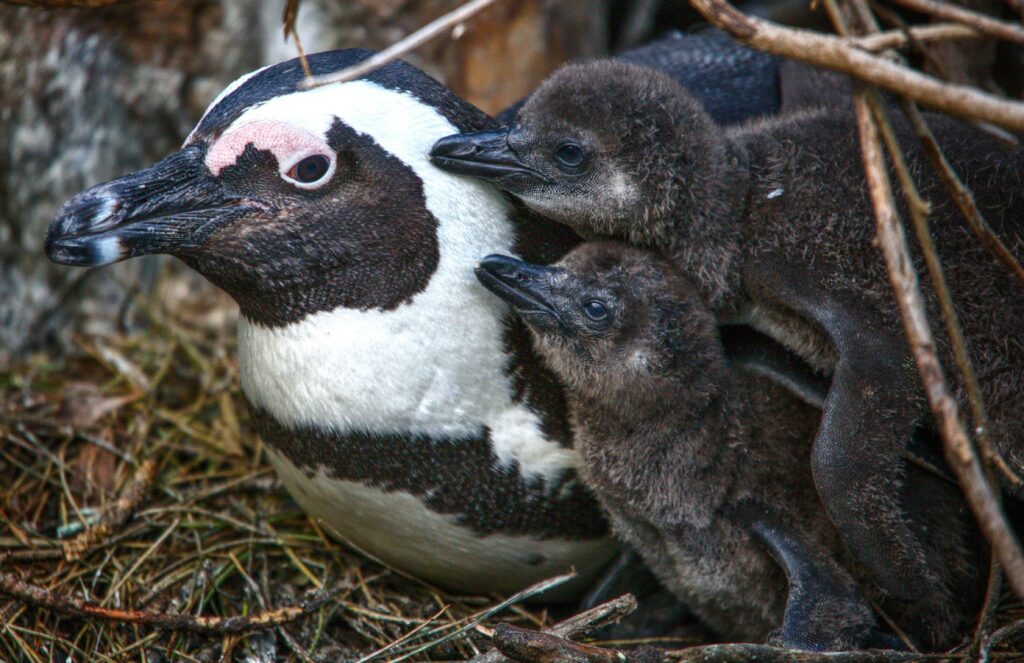
Moreover, hunger also affects the reproduction of penguins: normally, the female lays about two eggs per year, but penguins refuse to reproduce due to hunger.
Penguins are monogamous, and both partners share responsibilities equally: while one hunts, the other hatches the eggs, and then they switch roles. They also take turns taking care of the newborn chick. When the chick is 30 days old, it joins the “nursery” - where it and the other chicks are guarded by other adult penguins, while the parents go in search of food.
Hope for recovery
Researchers studied how penguin numbers on Dassin and Robben have changed since 1995. Adult birds were caught, banded and released into the wild, and then it was seen how many of them returned to their colony to molt. It turned out that the survival of adult penguins was related to the availability of prey - and hunger problems are not limited to Dassin and Robben.
In October 2024, the International Union for Conservation of Nature listed the African penguin as a critically endangered species. According to Richard Shirley, the penguin population has declined by 80% over the past 30 years.
Scientists have called increasing the African penguin population a “challenging task” because sardine spawning depends on the temperature and salinity of the ocean. To save penguins from extinction, Dr. Shirley suggests reducing sardine production.
Conservationists have fought for years against fishing industrialists, who have argued that the impact of fishing on penguin numbers is “negligible.” As a result, in the area of the six largest colonies of South African penguins, where 76% of their population lives, fishing for sardines and anchovies was banned at the beginning of 2025. True, only commercial fishing with purse seines was banned - huge nets up to a thousand meters long and up to 350 meters high, which are used to surround a school of fish, after which they tighten the bottom and take out the caught fish.
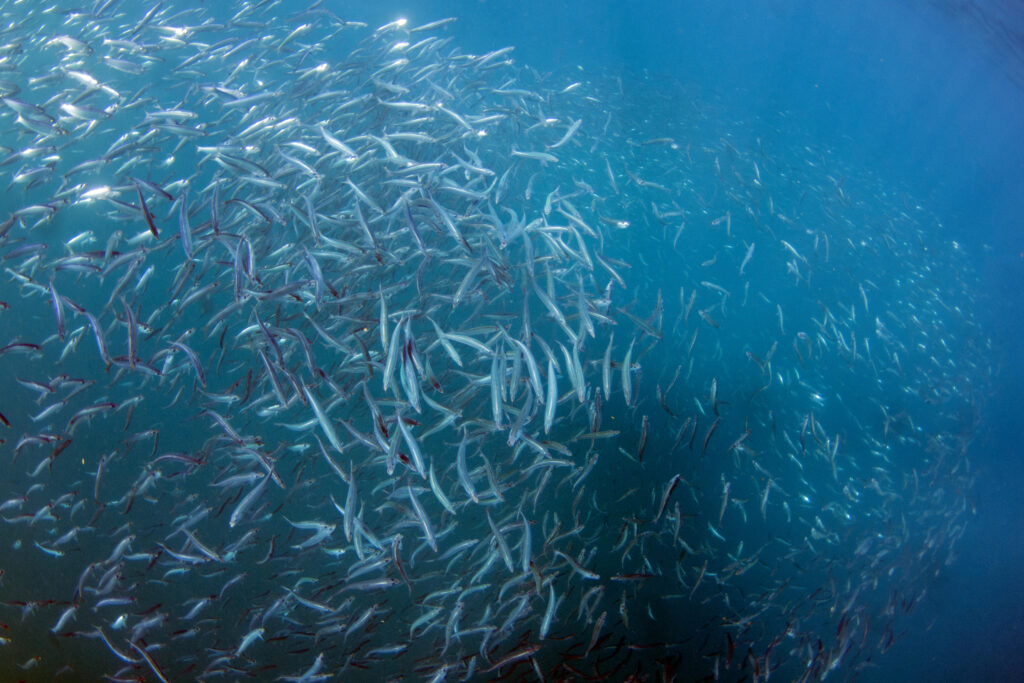
According to retired University of Glasgow professor Bob Furness, this ban alone may not be enough: sardines are already scarce, and catching them without using purse seines can harm the penguins. At the same time, conservationists are working on the South African coasts - creating artificial nests, protecting penguins from predators, and also rescuing, treating and raising injured chicks and adults in captivity.
Will disappear by 2035
Marine biology professor Lorien Pichegru of Nelson Mandela University in South Africa called her colleagues' study "extremely alarming" and said that catching standards for small fish in South Africa had been exceeded for decades. “The study results are based only on penguin survival data up to 2011, but the situation has not improved over time,” she said . The lack of small fish to feed penguins, she said , needs to be urgently corrected - this is important “not only for African penguins, but also for other endemic species that depend on [its] stocks.”
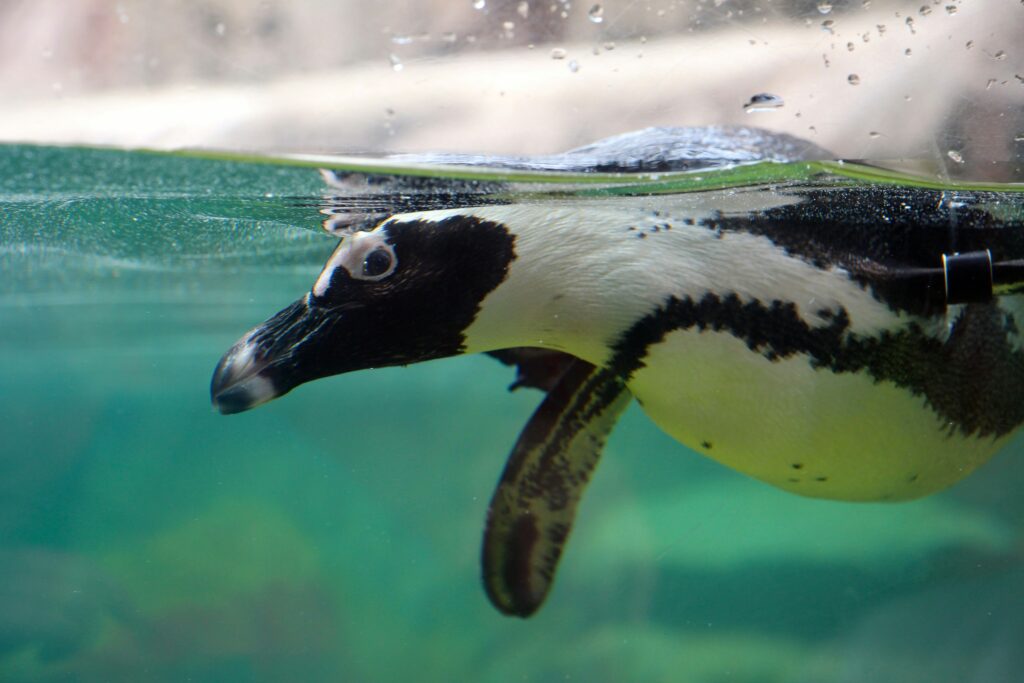
In 1956, there were 141 thousand pairs of African penguins in the world - now there are less than 20 thousand individuals left. According to animal rights activists, if nothing changes, these penguins will disappear from the wild by 2035.
“When populations are at such vulnerable levels and declining so much, they become more sensitive to other random impacts,” Alistair McInnes, head of seabird conservation at BirdLife South Africa, told reporters. “If there is a disease outbreak or an oil spill at sea, a disproportionately large portion of the [penguin] colony will be affected.”
When a cargo ship sank and an oil spill occurred near Cape Town in 2000, volunteers saved 40,000 African penguins - if not for their efforts, the species could have disappeared back in 2010.
Famine and oil spills are not the only threats to the population. Climate change is causing storms and coastal flooding that are destroying penguin nesting sites. There are also seaports near bird colonies - noise from bunkering, that is, filling a ship with fuel and engine oil, also affects the population. But people stopped collecting penguin eggs. In the 19th and first half of the 20th centuries, this was the main reason for their extinction, until the collection of penguin eggs was banned in South Africa in 1968.
Author: Daria Voloshina
Photo: Unsplash