
Translated material
Unnecessary
How Russian citizens survived in exile after the Civil War
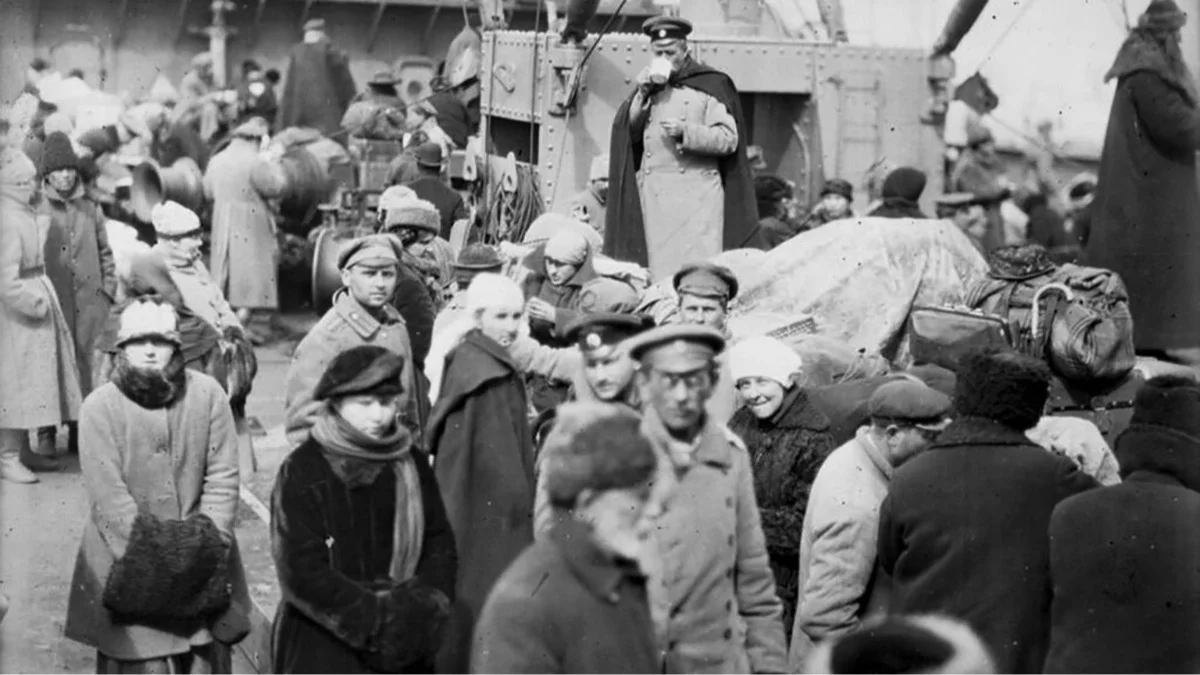
Russian emigrants after the 1917 revolution. Source: Russia Beyond
The State Duma is preparing a bill that will significantly limit the rights of Russians living abroad and convicted for political reasons, including administrative offenses. Deputies propose to deprive such citizens of the opportunity to receive government services online, register a vehicle, remotely service a bank and use some consular services. What exactly - and whether this includes, for example, the replacement of a foreign passport - is unknown. The legal situation of Russians abroad is beginning to resemble the situation of emigrants during the Civil War - they also left, hoping that it was temporary, and were also forced to fight either with the European bureaucracy or with the obstacles that the Soviet government put in their way.
The October Revolution and the Civil War split Russia in two. One part - the winners, the Bolsheviks under the leadership of Lenin - remained in the country, establishing their own rules. Russia turned into the RSFSR, and then into the USSR. The second part, the defeated, either went into internal emigration or physically left their homeland, hoping that everything that was happening was only temporary.
All these people who found themselves outside the former Russian Empire were, in fact, refugees. They were fleeing potential reprisals from the Bolsheviks and a terrible famine. In 1921, the Bolsheviks dealt the first blow to Russian emigrants.
The Soviet government issued a decree that deprived of citizenship those who were abroad without permission, participated in counter-revolutionary operations or in formations against the Soviet regime.
And in 1924, a decree was adopted on the creation of the USSR, which now meant that all those who fled became stateless persons, since they could not become citizens of the USSR.
Russian emigrants tried not to lose heart. While abroad, they hoped that the hated Bolshevik system would soon collapse and they would return home. This expectation helped refugees maintain their identity and sense of cohesion, despite the political differences among many. People saw their presence abroad as a specific mission - to preserve the values and traditions of Russian culture and to continue their creative work for the benefit of the spiritual progress of their homeland, no matter whether they were destined to return or die in exile. At first, emigrants organized their lives in such a way that, at the first opportunity (that is, with the theoretical fall of the regime), they could quickly integrate into the political, social and cultural life of their country. Many literally lived “out of suitcases.” They wanted their children to retain their Russian identity and were very opposed to their full integration in the new countries. However, over time, it became clear: the Soviet Union was not going to disappear anywhere, and hopes of returning home gradually faded.
One of the significant problems that refugees faced at that time was the problem of their legal status - passports and visas. At that time, there were no international conventions that would regulate the rights and opportunities of such people. Fortunately, these refugees had at least some kind of protector - the Russian embassies and their employees. In the early 1920s, most countries did not recognize the Soviet government and continued to consider as diplomatic representatives of Russia those ambassadors who were appointed by the emperor or the Provisional Government. These embassies issued passports, certified official documents, and provided legal advice and assistance to their countrymen. Most embassies still had some funds, and in some cases they even benefited from income from government property abroad.
But as the Soviet Union began to gain recognition from other states, the “old” ambassadors were forced to vacate embassy premises, dismiss their staff, and cease their activities. As a result, the emigrants were left without any protection or representation, and the new Soviet embassies refused to deal with them.
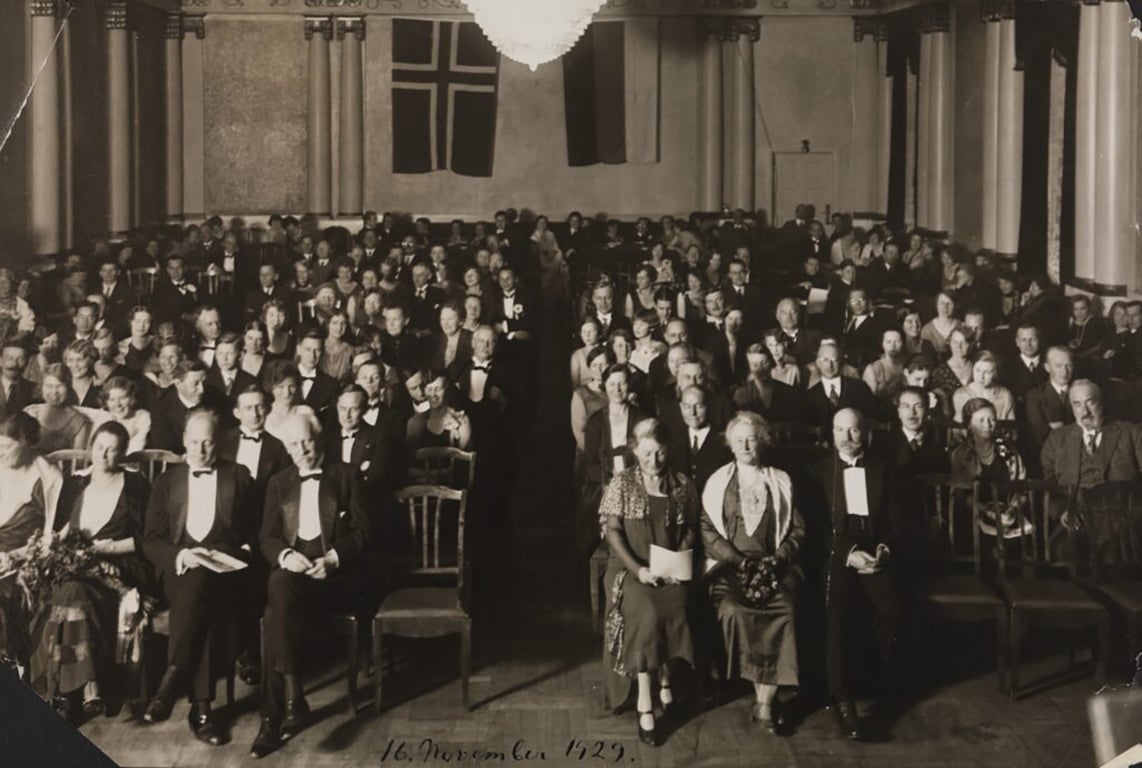
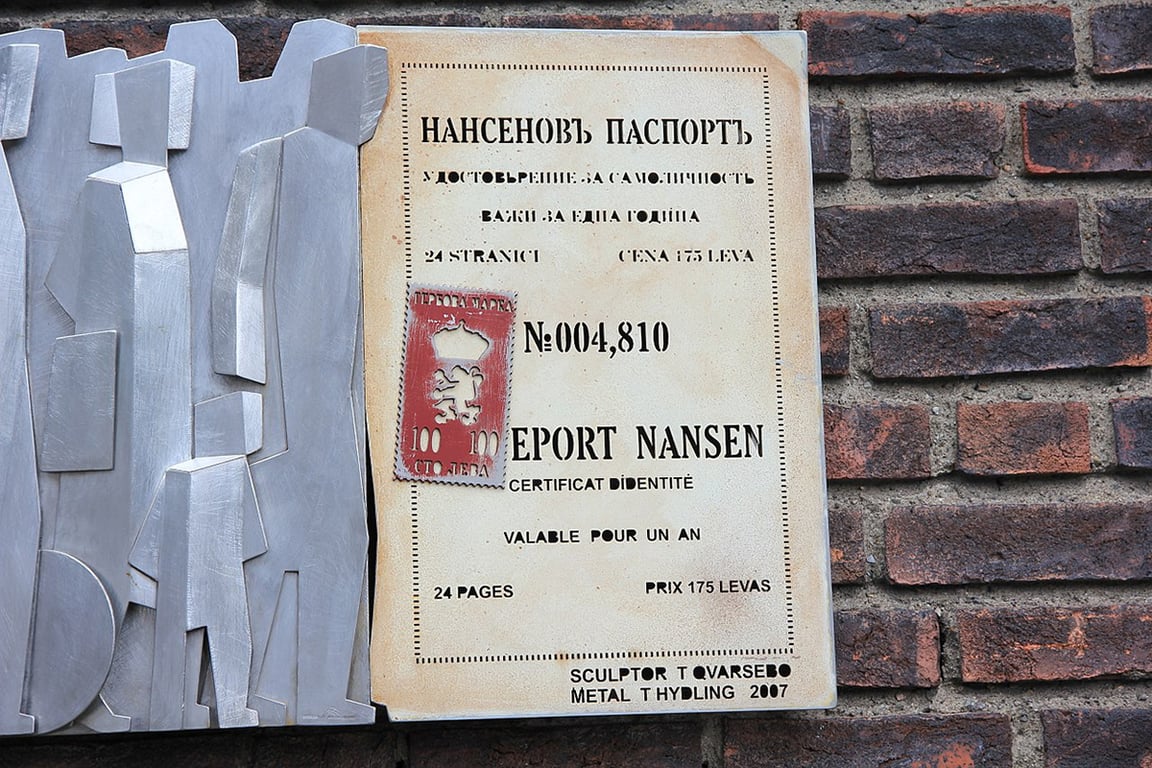
The problems of illegal immigrants were taken up by the Nansen Committee under the auspices of the League of Nations, an international organization founded after the First World War to ensure collective security and resolve disputes between countries through diplomatic negotiations. The Nansen Committee issued a special document to all Russian emigrants - the so-called Nansen passport, which verified the identity of the owner and his status as a stateless person.
Among the owners of this passport were many famous people: writer Ivan Bunin, composer Sergei Rachmaninov and poetess Marina Tsvetaeva.
Holders of a Nansen passport could use it to apply for visas and obtain travel abroad in their host country. This passport also gave the holder the right to apply for a residence permit in the host country. Moreover, holders of a Nansen passport had permission not only to reside in a specific country, but also to work under more favorable conditions than those enjoyed by other foreigners. However, there were a number of restrictions - the document did not give the right to receive unemployment benefits, and in order to travel with it to another country, special permission was required.
As the Soviet state gained recognition, the Russian emigrant community was sometimes swelled with Soviet passport holders. These were people expelled from the USSR, or those who decided not to return there during an official departure on some mission. Although they were technically emigrants, they were often condemned by emigrants without a Soviet passport and were not accepted into their circle.
Meanwhile, officials and representatives of the new creative elite began to travel freely around the world with Soviet passports and with state support. Thus, the famous film director Sergei Eisenstein went on a world tour in 1929 with the official goal of “mastering sound film technology,” but in fact - to promote Soviet culture. Eisenstein gave lectures and reports in cities in Switzerland, Germany, England, Belgium, the Netherlands and France.
The Soviet poet Vladimir Mayakovsky wrote that he simply “needed to travel,” because “handling living things” replaced reading books for him. In 1920, the poet traveled nine times, including trips to European countries “in the interests of the country.” Soviet officials also had no problems traveling abroad and visiting Europe. Georgy Chicherin, a famous Soviet diplomat, underwent treatment in Berlin for several years.
At the same time, for Russian emigrants who left their homeland, renewal of documents and movement abroad were a constant headache due to their uncertain status. Thus, the writer Vladimir Nabokov, who left Russia after the revolution, wrote: “Our hopeless physical dependence on one state or another became especially obvious when it was necessary to obtain or extend some stupid visa... for then the greedy bureaucratic hell immediately strove to suck in the applicant, and he languished and wasted away while his files swelled on the shelves of all sorts of consuls and police officials.” Nabokov was also dissatisfied with Nansen’s passport: “the pale green, unfortunate Nansen passport was worse than a wolf’s ticket; moving from one country to another was fraught with fantastic difficulties and delays,” and the English, German and French authorities believed that “every fugitive from his country must be considered a priori contemptible and suspicious, since he exists outside any national administration.”