
Translated material
And God created Brigitte Bardot
Anton Dolin - in memory of the famous French actress
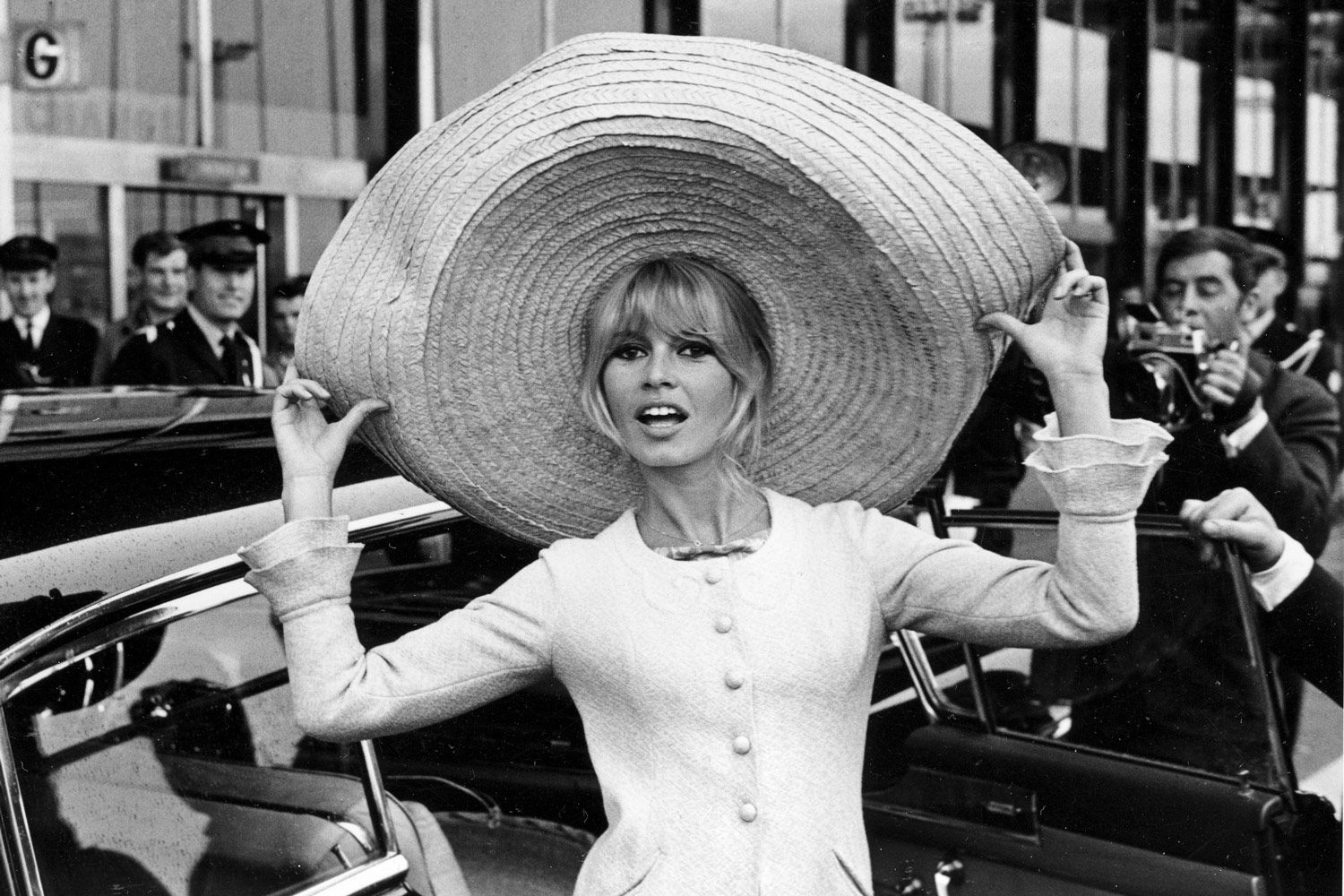
French actress, singer and model Brigitte Bardot died on December 28 at the age of 91. She got into cinema almost by accident, and was never delighted with the profession that brought her fame. This is largely why she decided to end her career at the age of 39, despite the fact that the best directors and producers offered her promising roles. Anton Dolin recalls the main films with the participation of Brigitte Bardot and tries to figure out who this actress ultimately became for world culture.
Last year took away Alain Delon, this year – Brigitte Bardot. Two absolute, supra-worldly, international, although at the same time distinctly French, embodiments of beauty and cinema left modernity, to which they no longer belonged. Two icons disappeared, which (as befits icons) possessed an inexplicable mystery and attractiveness that cannot be explained rationally. The gap between eras became even more obvious, the feeling of a completely changed cultural paradigm became more acute.
Bardo left gracefully, she always succeeded. She passed away on International Cinema Day, exactly 130 years after the first public screening of the Lumière brothers in Paris. Meanwhile, she became an actress more or less by accident and was never delighted with the profession that made her famous - neither in the painful first years of her career, nor at the peak of fame, which was difficult for her, and especially after leaving cinema at the age of 39.
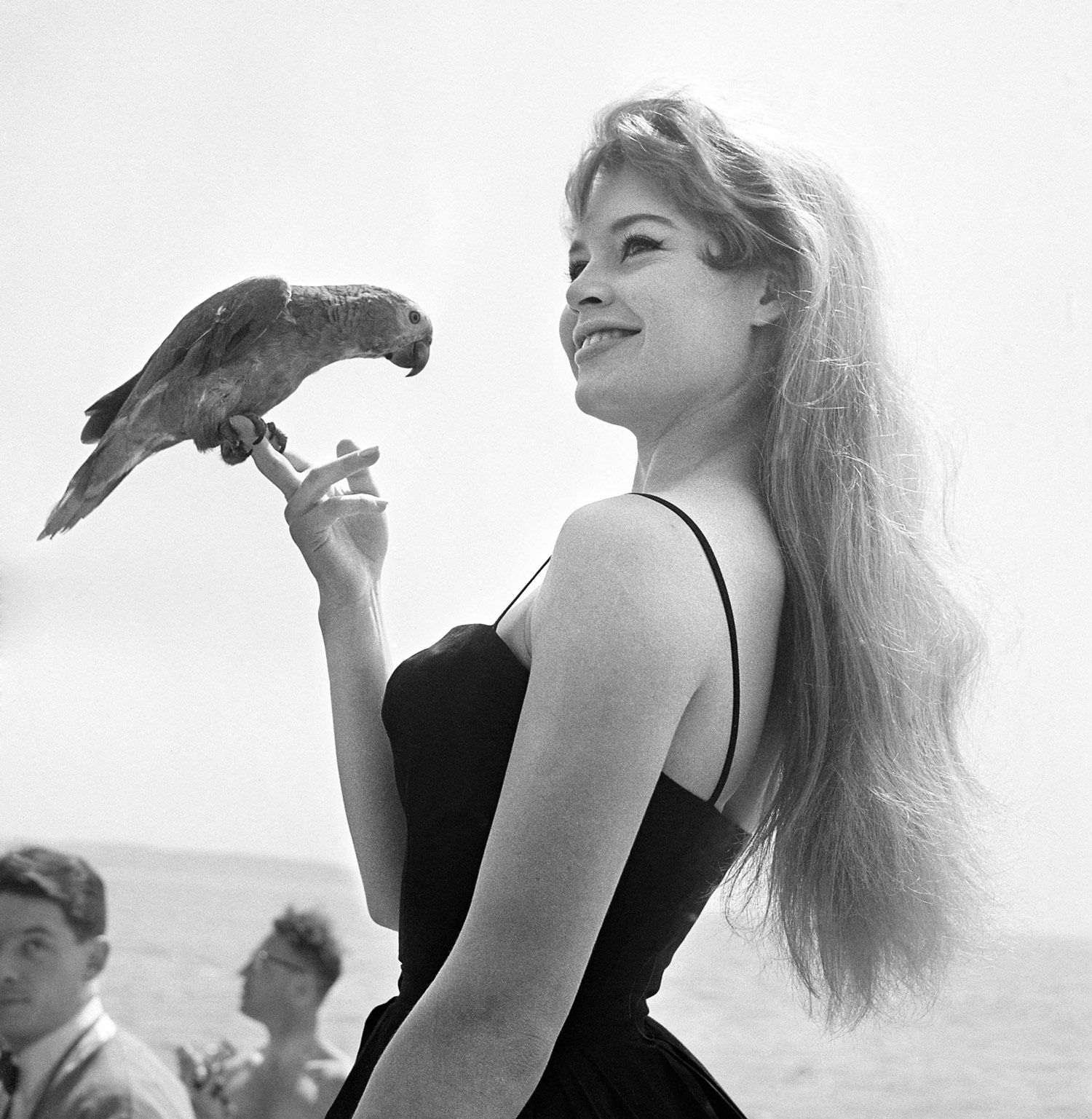
Bardot's film career lasted only twenty years out of the ninety she lived; the vast majority of her films and roles were lightweight nonsense, naturally forgotten by the public and critics. Like Marilyn Monroe, she fell short of being a great or even outstanding actress—and, likewise, she was a phenomenon more significant to the culture as a whole than many undisputed geniuses. Diva? Goddess? Not quite. On the contrary, in the conflicting post-war years, Brigitte and Marilyn, from both sides of the ocean, destroyed the pedestal on which the stars of the 1930s and 40s were usually placed. The open sexuality of their screen images destroyed barriers, leveled the distance necessary for worship, but also increased the adoration of the crowd.
At the same time, Monroe’s early tragic death and the aura of mystery around her love life still turned her into an inaccessible, albeit desirable, ideal, while Bardot insisted on her earthly, human nature. Her romantic biography was incredibly stormy, but after the fact it turned out that many relationships came to naught due to Brigitte’s reluctance to play the queen and fit into the role of a “sex symbol.” Most of all, the most beautiful woman in Europe dreamed of a calm, one might say philistine, routine.
Bardot's acting legacy definitely needs revision. It's probably worth carefully re-watching the films of the 1950s and 60s and seriously analyzing their contribution to mass culture. However, it is impossible to do this within the framework of an obituary: I did not see most of them at all, since I belong to a different generation. We are content with a common place - a short list of roles that we are not ashamed to present before the gates of heaven.
The first issue is, of course, “And God Created Woman” from 1956. The film was born out of the love of Roger Vadim (this was the directorial debut of Vadim Plemyannikov - this was the name at birth of the son of an emigrant from Kyiv) for his wife and muse Brigitte Bardot, at that time a fashion model and aspiring actress, better known for her appearance and skimpy bikinis than for her talent. The story of the pragmatic and romantic Juliette from Saint-Tropez - Bardot also introduced fashion to this resort - who chooses a suitable gentleman from three candidates, amazed the public with the naturalness of her intonation and fearlessness of ideas, becoming a prerequisite for the sexual revolution.
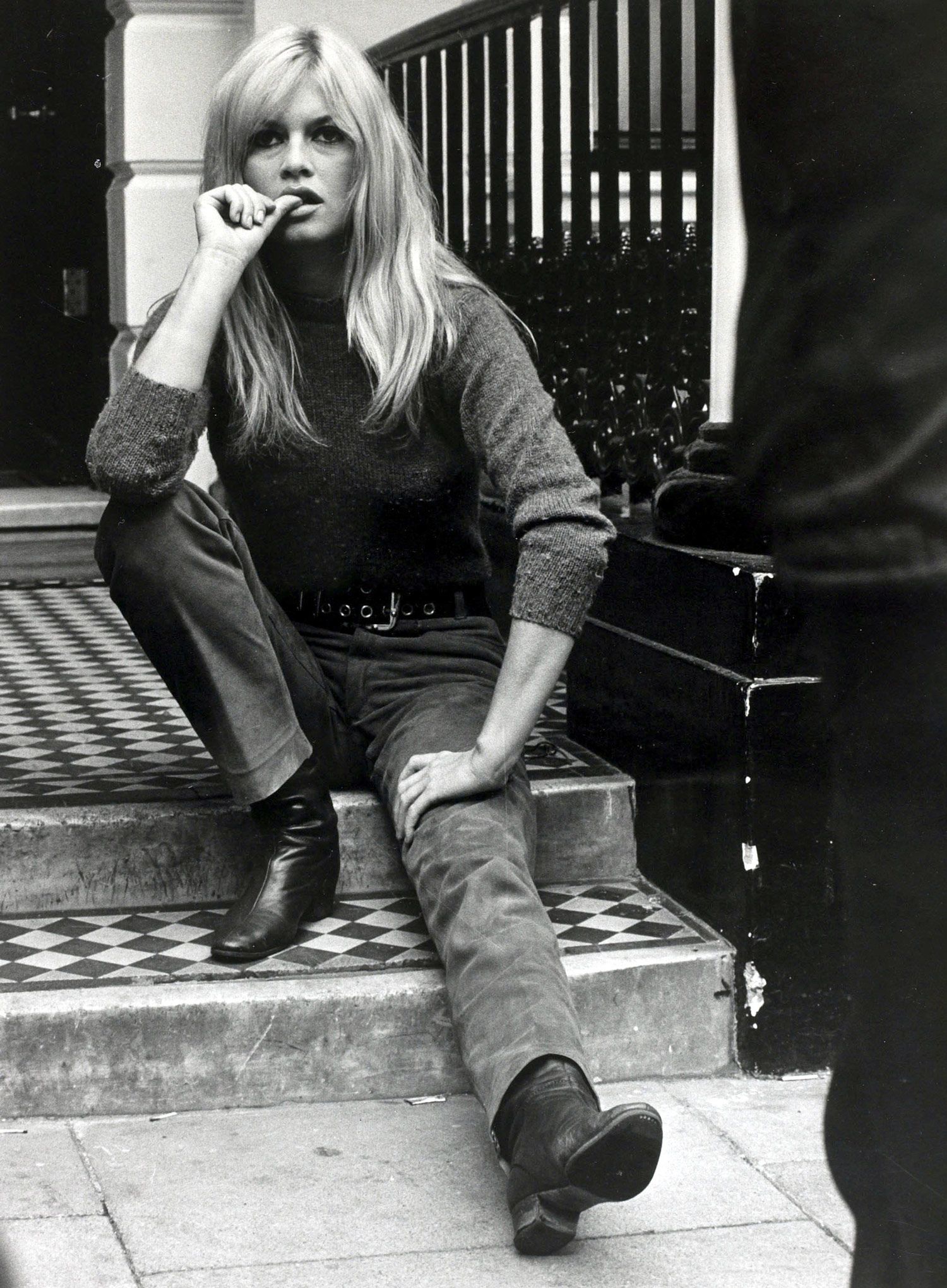
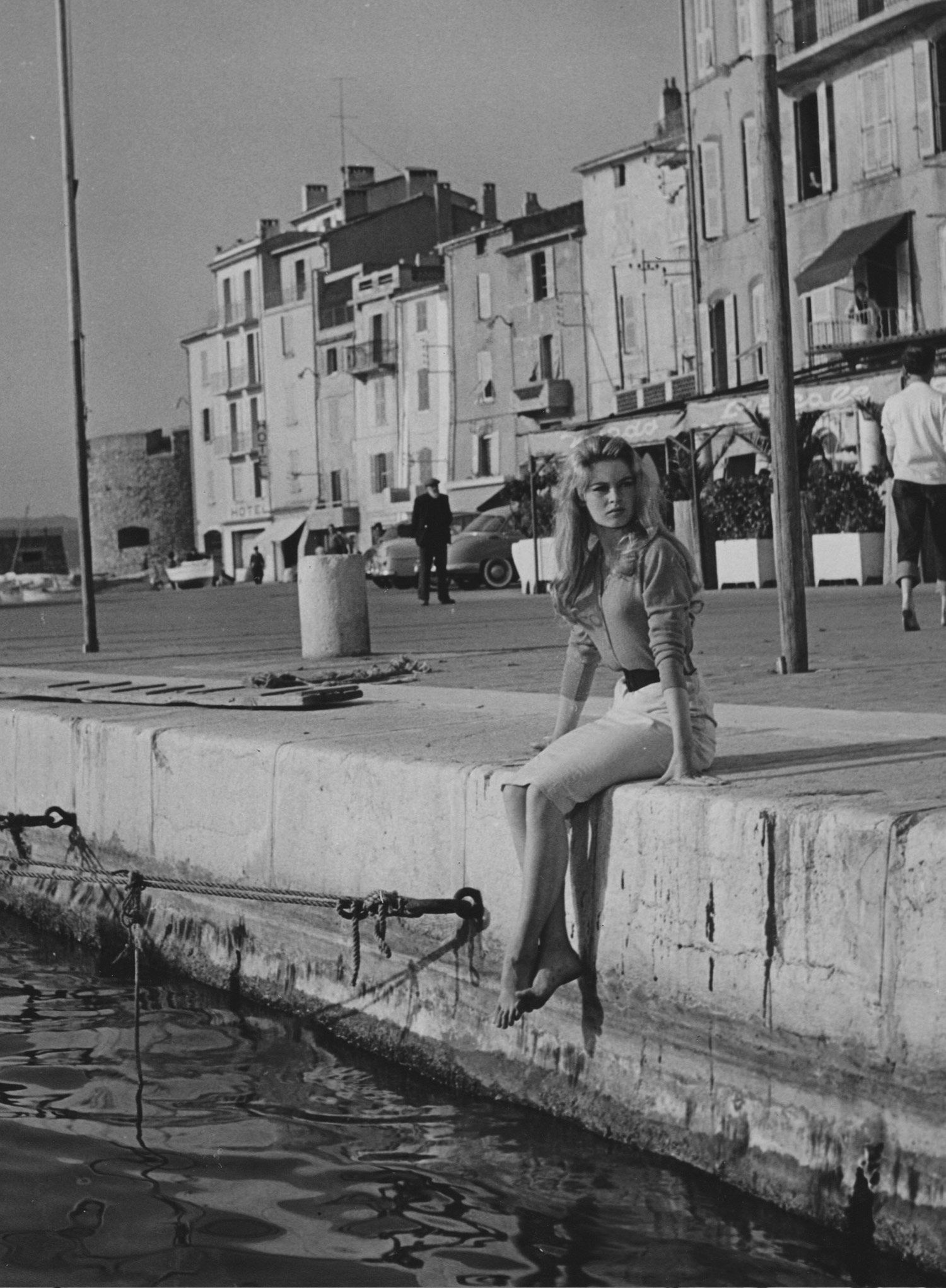
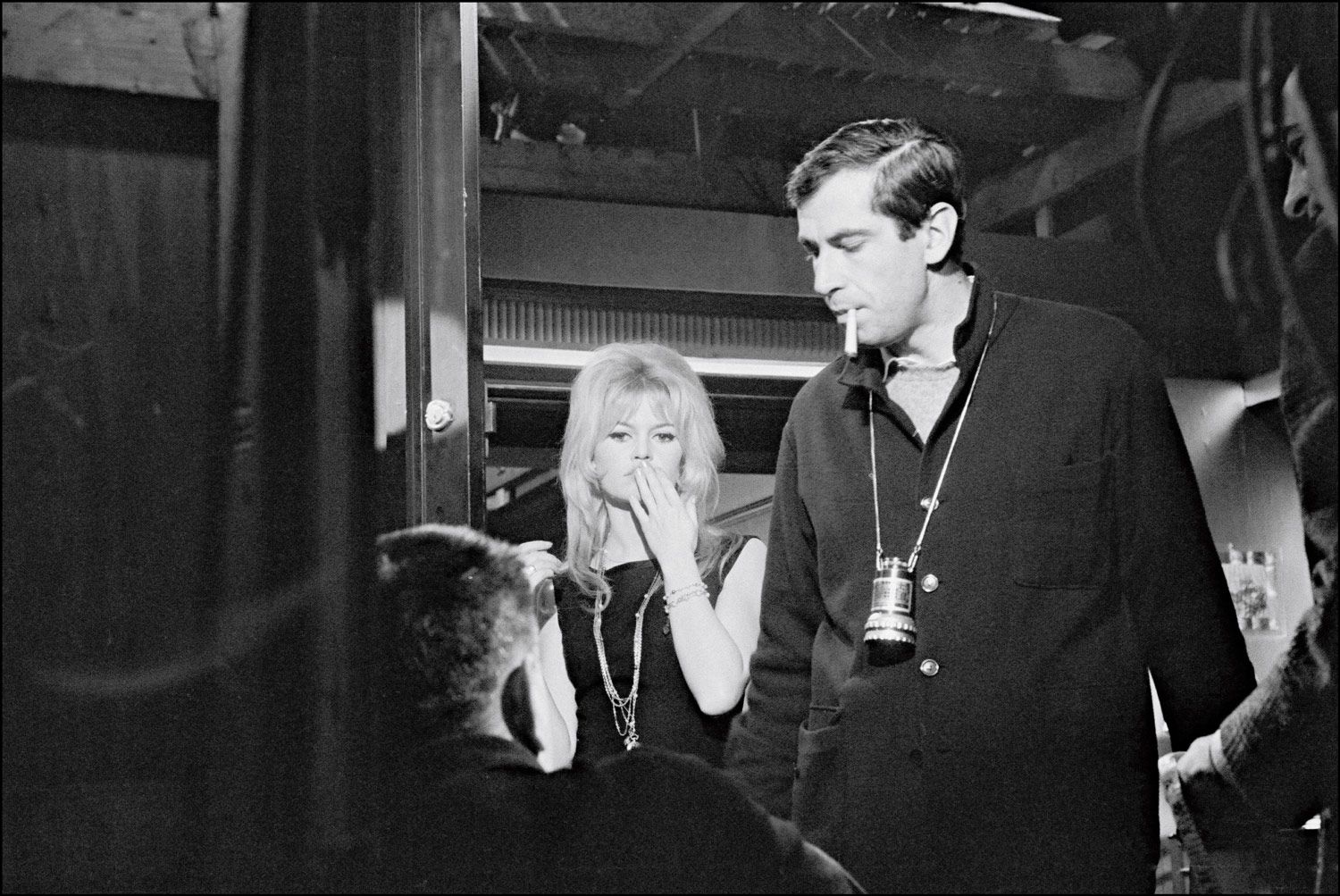
Brigitte fell in love with one of the on-screen partners (in the story, an unlucky mug) Jean-Louis Trintignant, whose career was launched by the same film. A year later, this destroyed her marriage with Vadim - however, in the future she would be no less a womanizer than an actress. Among his wives and lovers are Catherine Deneuve, Jane Fonda and Sylvia Kristel. And Bardot, having set off on her own, instantly became an international star. All four Beatles fell in love with her, her films were banned in the United States for obscenity, which did not stop producers from tempting her with Hollywood fees and prospects. Brigitte rejected them: she did not want to leave Europe, did not believe in her success and simply was not ambitious enough.
Next is “Truth” by Henri-Georges Clouzot (1960). Perhaps one of the most expressive and original legal dramas in the history of cinema, and the best not made in the United States, it is based entirely on the character of Bardot. She plays a girl accused of murdering her lover, a promising young musician and composer. Through flashbacks, plunging into different versions of reality, not so much the judges as the audience gradually establish the “truth” while the image of the main character becomes more complex and deeper. Filmed under the obvious influence of Dostoevsky’s prose and Kurosawa’s “Rashomon,” the film became a directorial triumph for the “French Hitchcock,” proving once and for all to skeptics that Bardot’s acting potential is by no means limited to a spectacular type.
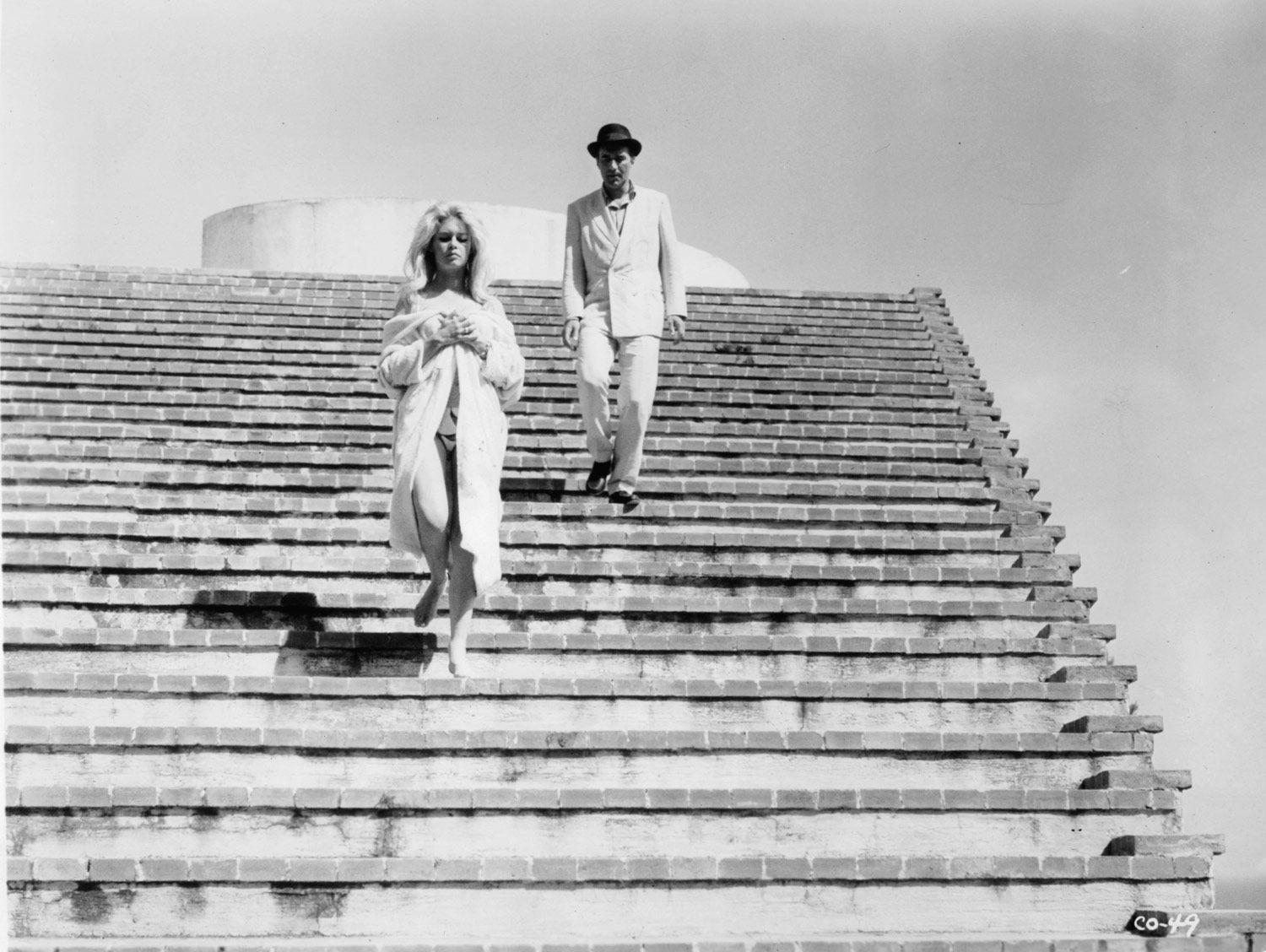
Finally, Contempt (1963) by Jean-Luc Godard, based on the novel of the same name by Alberto Moravia. This picture is an undeniable masterpiece of an innovative director, which strikes the perfect balance between his artistic radicalism and accessibility for a wide audience. Bardot's role in the crafty parable of conformism in art could remain something of a declarative gesture, an author's slap in the face (and at the same time a concession) to public taste. But ultimately it grew to an aesthetic absolute, a kind of “litmus test” testing the sincerity of the main character - a writer who humiliated himself to work as a screenwriter for a Hollywood producer.
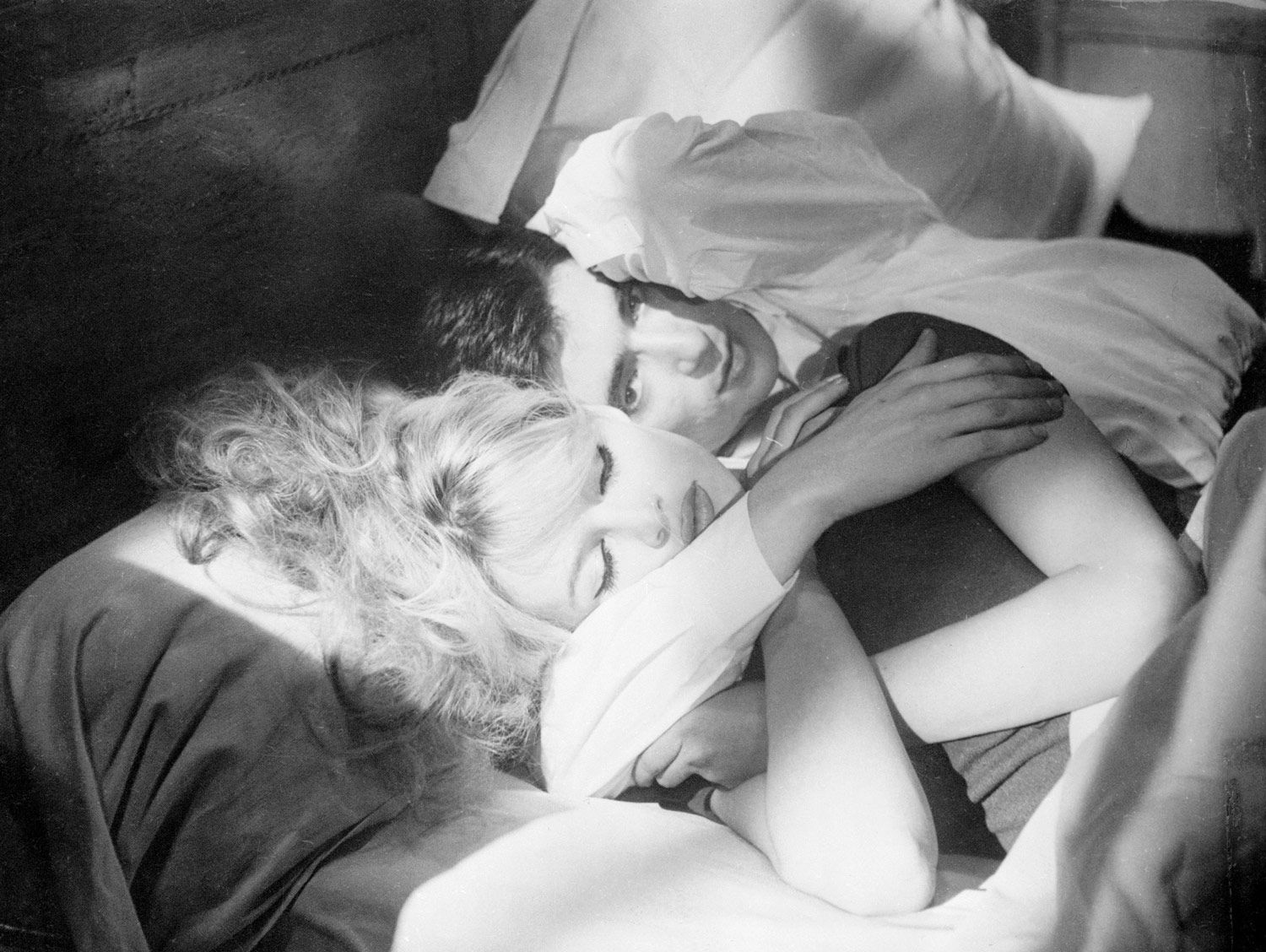
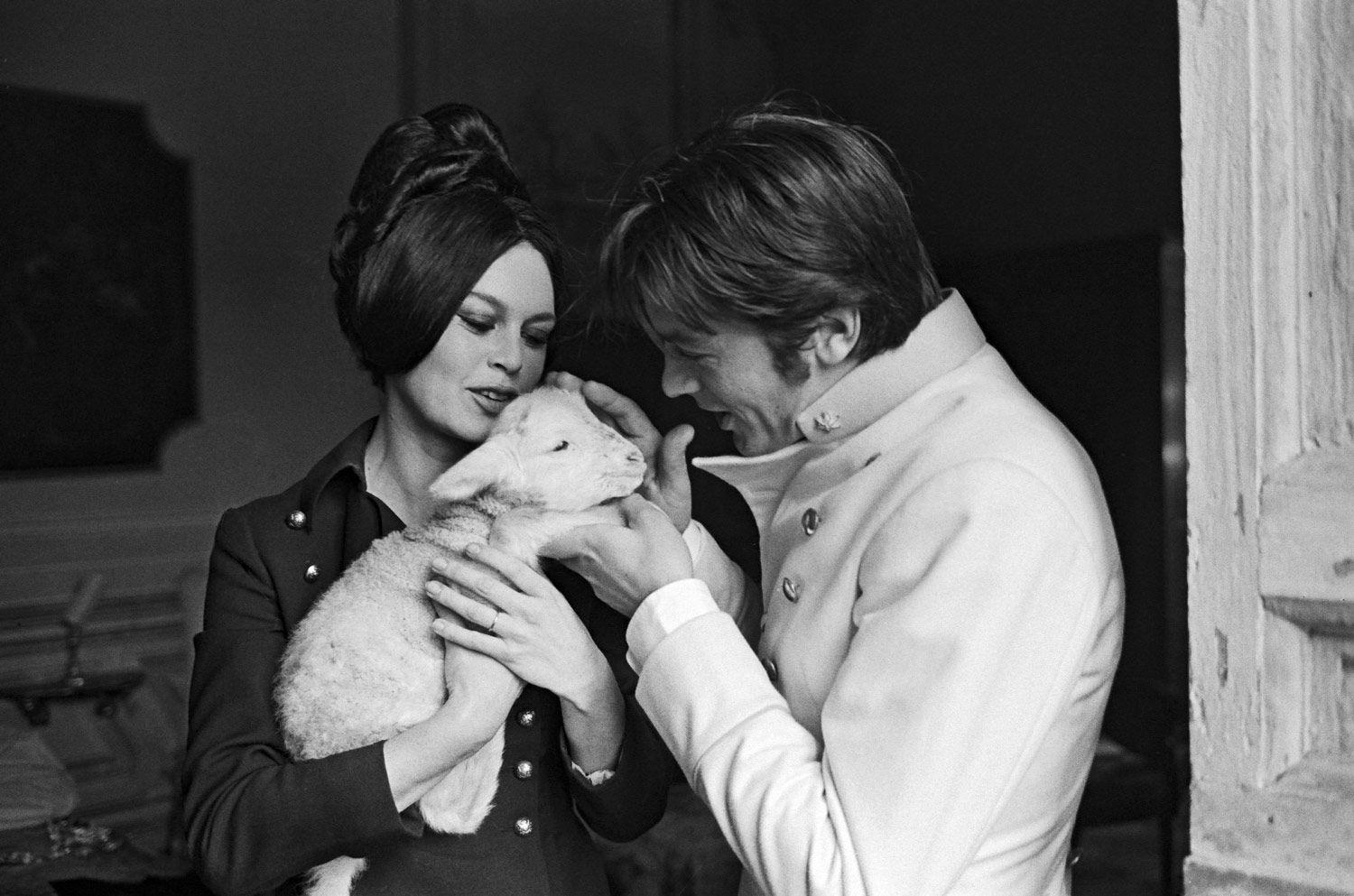
She starred with Bourville (in her debut, the comedy “Le Normandy Hole”), Jean Marais, Gerard Philippe, Alain Delon (there was no “chemistry” between them, which both complained about), Henri Vidal, Jean Gabin (“In Case of Misfortune” based on the novel by Simenon, on the contrary, turned out to be a creative success), Jean-Pierre Cassel, Lino Ventura and Michel Piccoli. Vadim tried to summarize her ability to attract, charm and never belong to anyone in Roger’s film with the telling title “If Don Juan Were a Woman” (1973). It didn’t work: the press trashed the film, the audience didn’t understand. In the same year, Brigitte Bardot announced her retirement from cinema, not wanting to waste years on “antics”; She herself used this word in her autobiography. She never changed her decision, although the best directors and producers tried many times to seduce her with promising roles.
Let reporters or biographers explain the rest; film critics have nothing to do with the second part of Brigitte Bardot’s biography. She went through several colorful romances, managed to maintain her independence, and became the world's most famous animal activist long before it became fashionable. In the 1980s, she survived cancer and recovered. She filed lawsuits many times, scrupulously defending her reputation, but she also had the opportunity to be a defendant. She was condemned five times for “inciting ethnic hatred” alone: Bardot consistently continued to speak out against the “Islamization” of France and the “dominance of migrants.” On this basis, she became friends with the Le Pen political dynasty and more than once openly supported the National Front party. At other stages, she harshly criticized Emmanuel Macron, expressed solidarity with the “yellow vests” and sympathy for Vladimir Putin. At the same time, she managed to insist on her apoliticality.
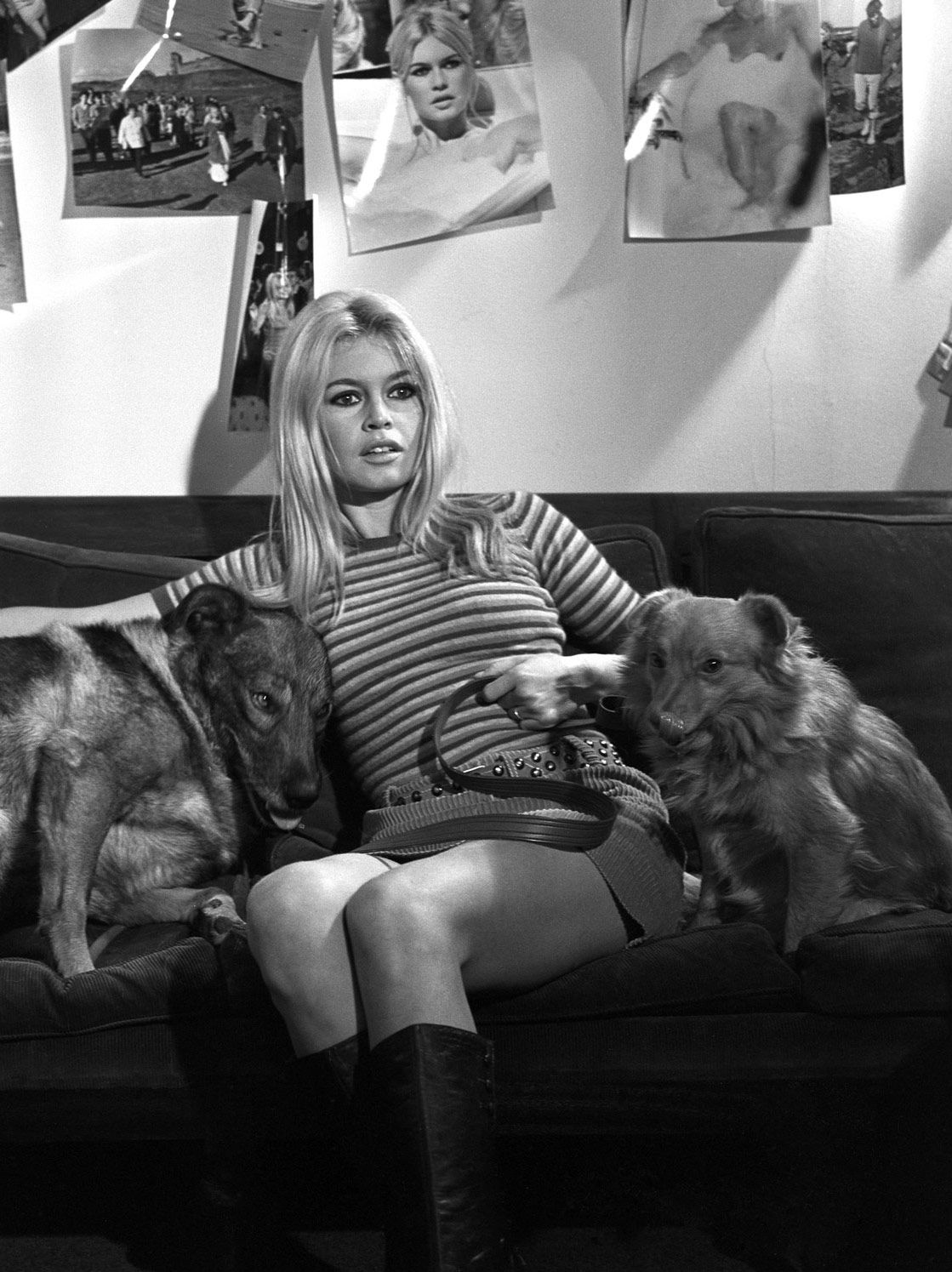
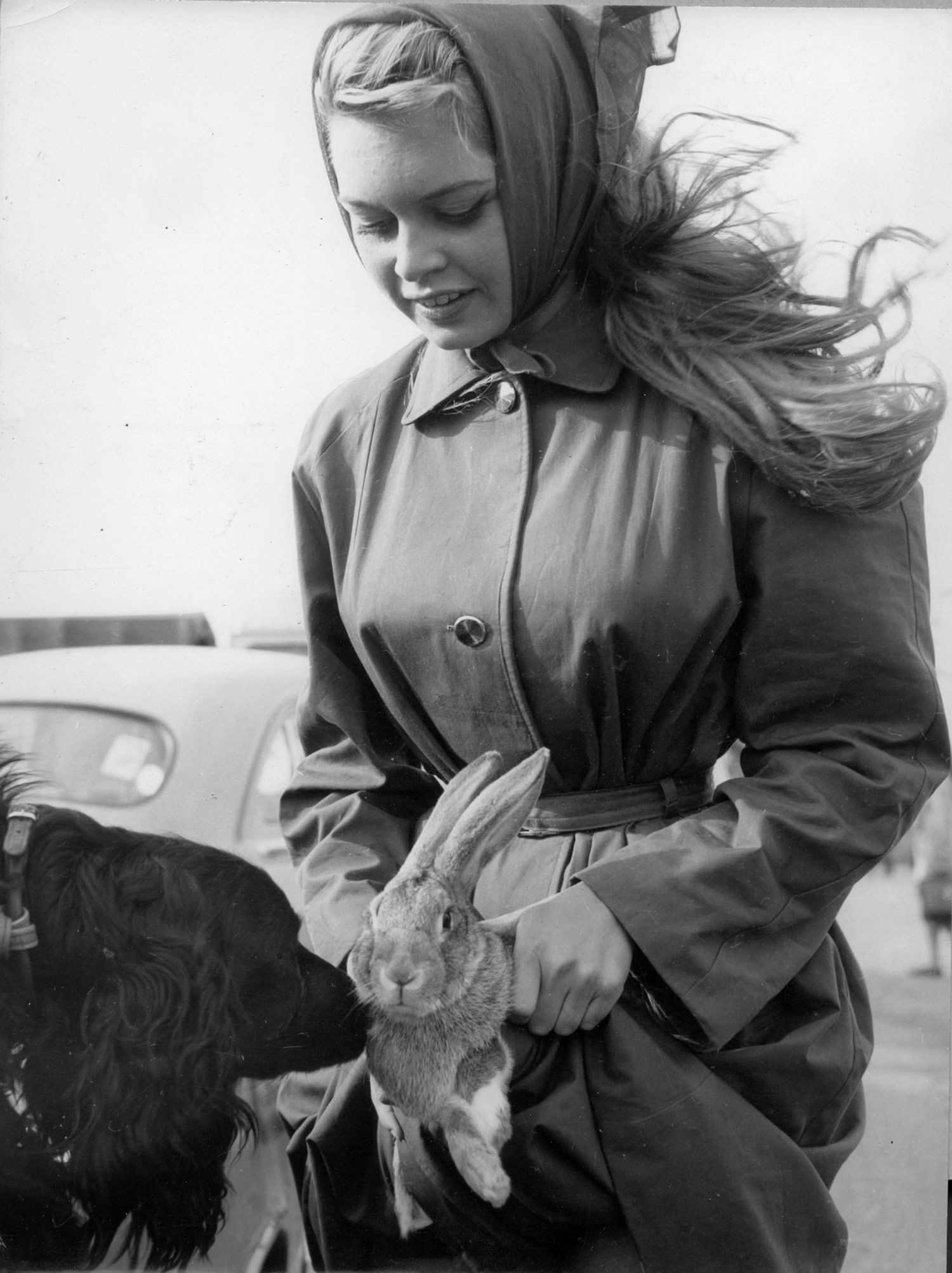
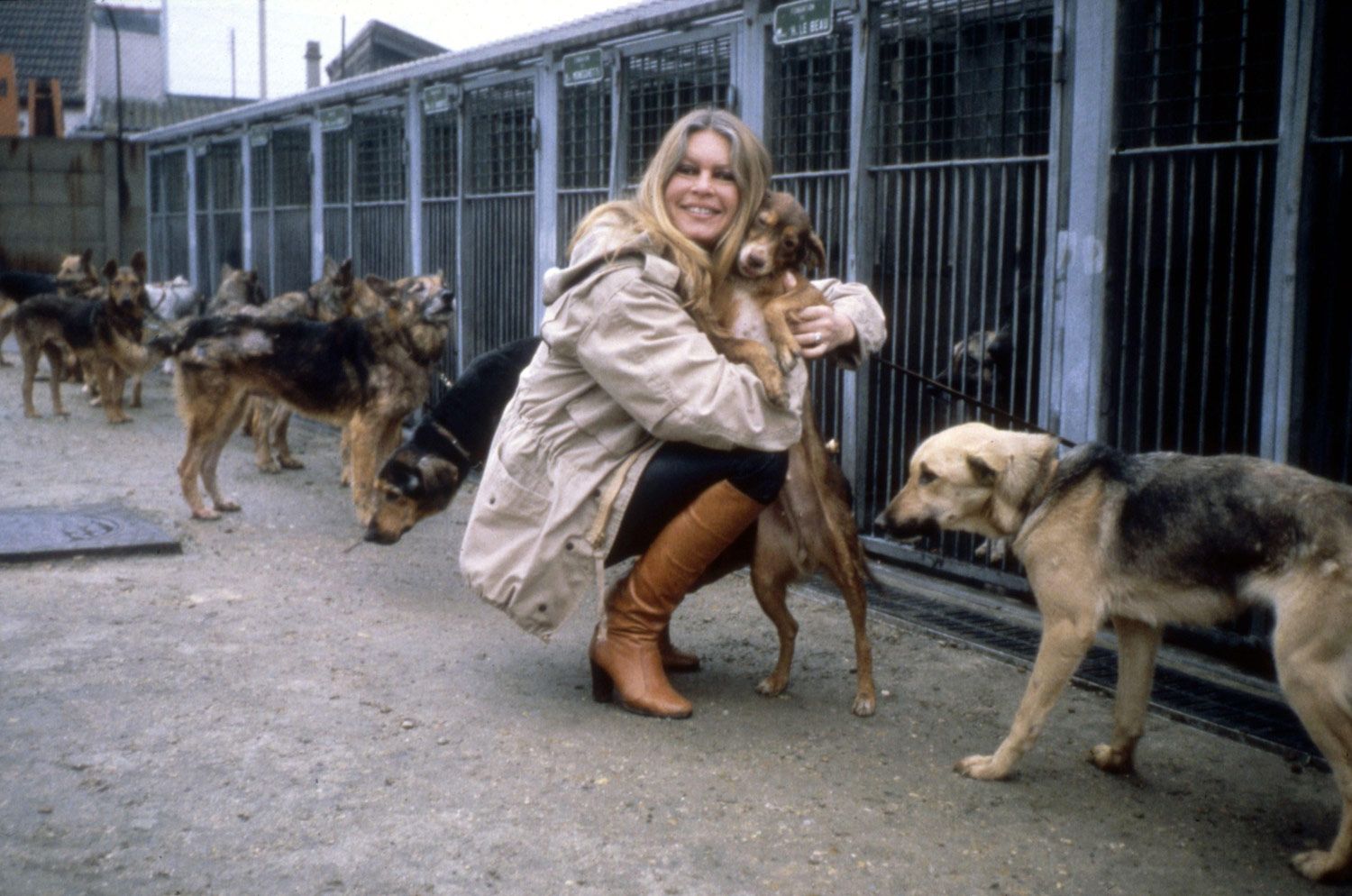
In a certain higher sense, she was undoubtedly right: having turned into an image that captivated millions, with all her desire, Brigitte Bardot could not fully regain either her political or human subjectivity. This also explains her decision to leave cinema, breaking off relations with this unfading, eternally beautiful icon, who no longer has a direct connection with her.
Anton Dolin