
Translated material
The end of childhood
Stranger Things has ended. Anton Dolin sums up the results and explains why the series will remain in history, despite any questions about the finale
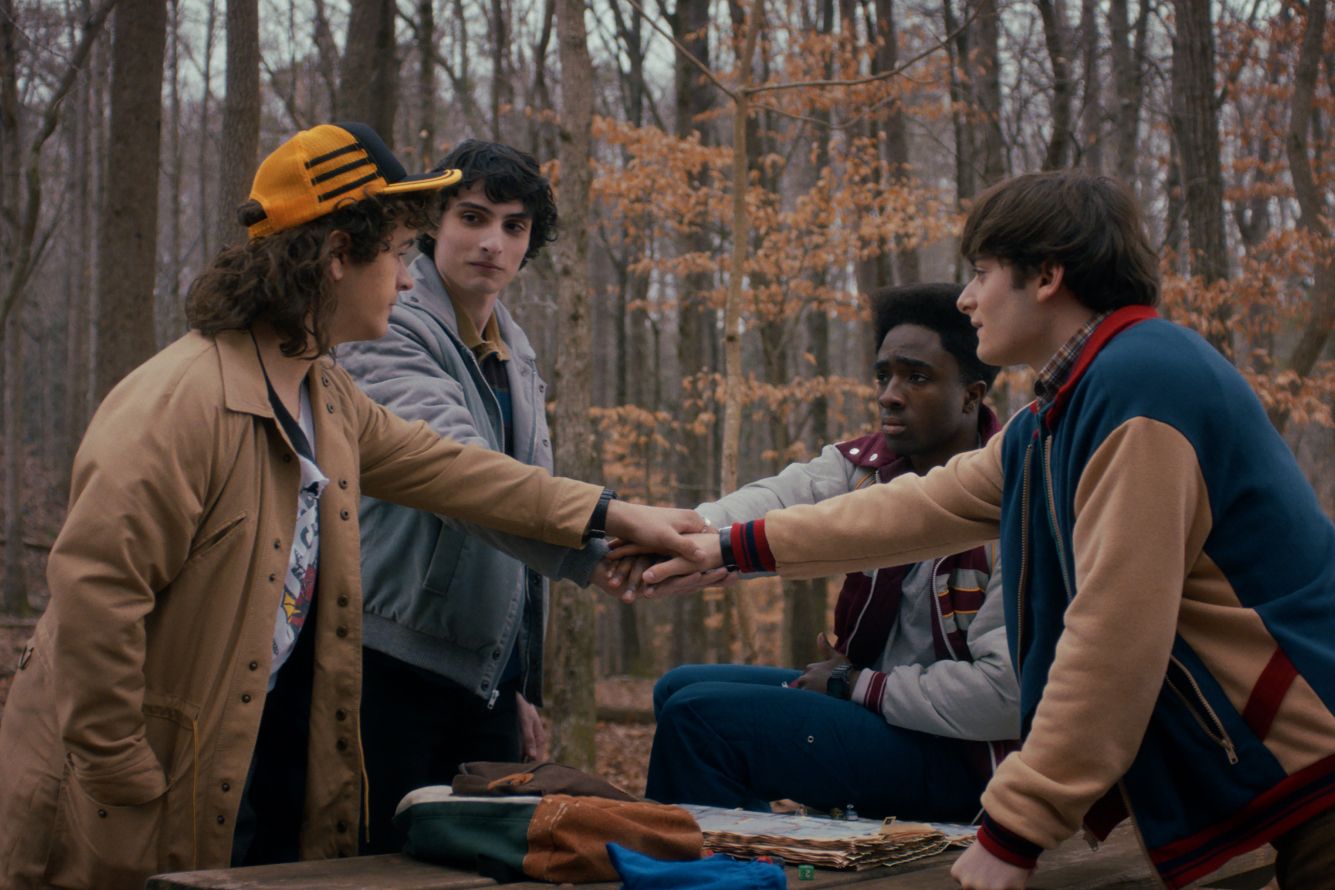
Netflix has released the final episode of the fifth season of Stranger Things, one of the most popular shows in the history of the service. Almost ten years have passed since the release of the first season, and during this time the characters (and the actors who played them) have grown and the audience has changed. How will the series remain in our memory? Film critic Anton Dolin discusses the ending of the large-scale project of the brothers Ross and Matt Duffer.
Warning: the text contains spoilers. If you are still planning to watch the finale, come back to this material after watching.
Thanks Duffer brothers, it was fun. And the last season with an epic two-hour finale, quite comparable to a decent full-length film, and the entire decade forever marked by Stranger Things, Netflix’s flagship project. The Duffers' blockbuster series depicted an apocalyptic decade with a comforting nostalgic tone - the brothers used postmodern detachment as a healing elixir, without forgetting to scare their motley audience in due measure. The combination of scary and cute was irresistible.
There are plenty of dissatisfied people. This is the fate of the latest seasons of popular and popular TV series, especially if the main roles are occupied by inevitably growing children - remember “Harry Potter”. Not every time it is possible to successfully raise the stakes and meet expectations; not every nuance is under the control of the creators. The boys and girls became too grown up, the wait was too long, there were too many characters and personal storylines by the end - as well as tears, horror, and emotional manipulation. The need to present the public with something impressively new and at the same time continue to feed them familiar dishes is a difficult cross, but the Duffers, with their permanent co-director Shawn Levy and the timely addition of Frank Darabont (who would be surprised by the invitation of the best screenwriter Stephen King?) coped with a strong B plus. Was it worth wishing for better?
The ending is the Achilles heel of any great series. Even if the viewer is exhausted, he would prefer that his favorite tale last forever. At some point, showrunners become dependent on the fans and their demands. You can make a radical gesture and subvert expectations, as in the second season of Twin Peaks (which remained the last for a quarter of a century) or Game of Thrones - the chance of mutual understanding with the audience is small, but you will be remembered for a long time.
The Duffers chose a different, safer strategy: they took everything that made the world love Stranger Things and tried to please everyone. The calculation, it seems, was that for this they would be forgiven for lengthiness, plot holes, and cringe moments. Was he justified? The answer will be given by the posthumous fame of the series, because budget and viewing records have been broken. I’ll say for myself personally: during the rather long epilogue my eyes were wet, and I wasn’t ashamed of it.
Let's leave the bores the inalienable right to grumble about the acting, dialogue, the quality of special effects and the outrageous, for many, inclusion of a supposedly modern (we're talking about the LGBT theme ) “agenda” in a series about the 1980s. It's useful to remember that Stranger Things initially took off not because of precise timing, but despite the concerns of the producers - many studios confidently rejected the Duffers' proposal and did not believe in success. Throughout all these years, critics have been cautiously perplexed: the plot devices and aesthetic solutions are openly imitative, the combination of touchingly childish and frighteningly adult components is inappropriate, there is an obvious overkill of kitsch... Why does this work? Obviously, the point is in the counterintuitive decisions of the creators, who caught and held the nerve of their time. The reward for this, and not for originality or particularly careful production, was the loyalty of the fans.
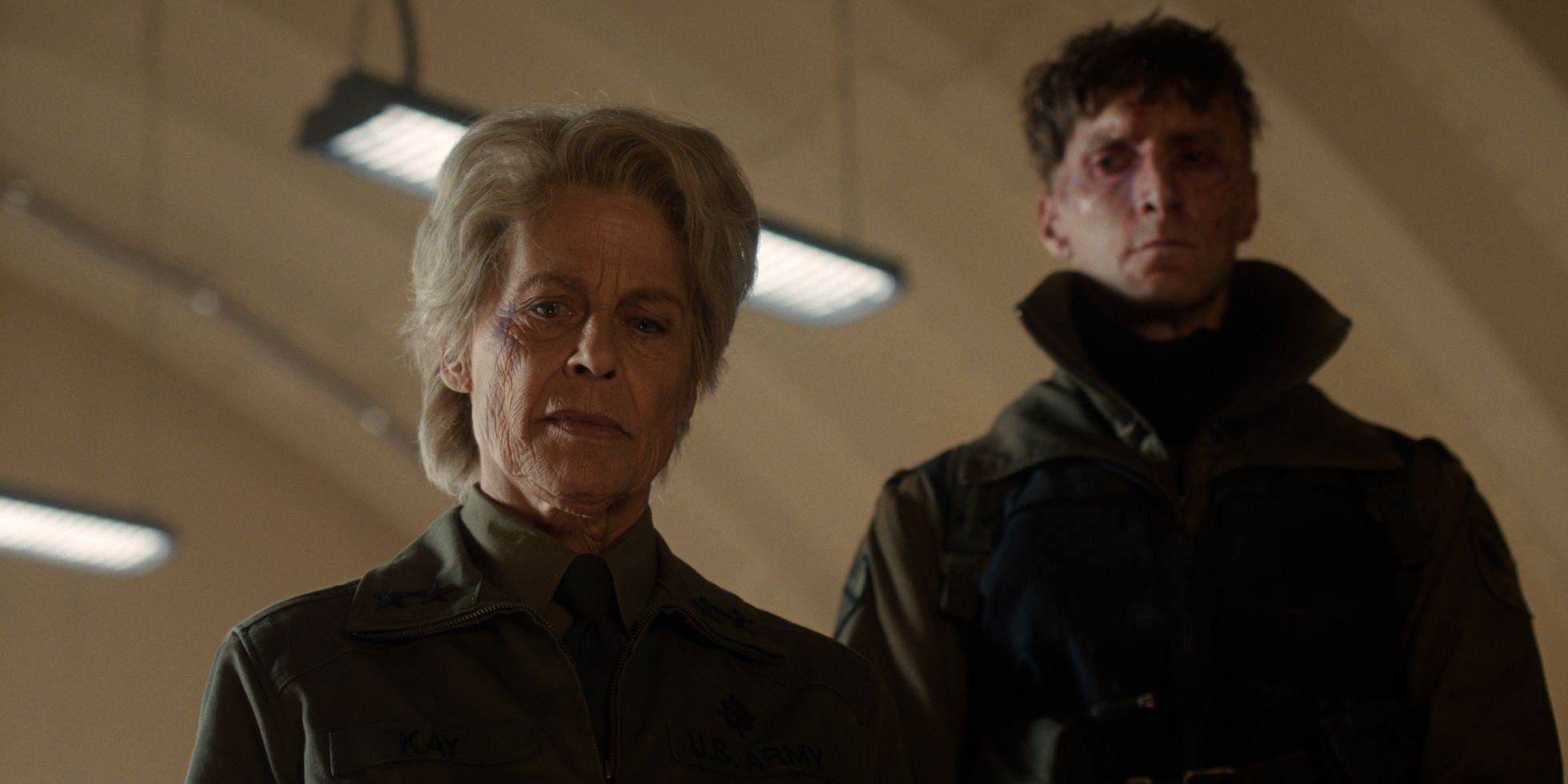
Added to the list of captivating references that viewers are so excited to guess is the appearance of Terminator star Linda Hamilton in the role of the villainous Doctor Kay, direct quotes and allusions from A Nightmare on Elm Street (the methods of the infernal Vecna are reminiscent of Freddy Krueger), the combination in a large-scale denouement of a mental duel with Vecna and a battle with his nightmarish outer shell - expanded a reminiscence from “It,” to which previous seasons also appealed in different ways. For the well-read, there is a plot key from Lovecraft, the pioneer of American horror - this is where the infection begins, which gave rise to ominous transformations (remember “The Color from Other Worlds” ?). The soundtrack, alongside Kate Bush, featured Prince, Iron Maiden and, at the end credits, the more than appropriate “Heroes” by David Bowie. And if you don’t want to, you’ll sing along.
No wonder one of the heroines - the talkative Robin, who took the pseudonym Rock 'n' Robin - now works part-time as a DJ on a local radio. The compilation talents of the Duffers can also be considered quite DJ-like. But even if “Stranger Things” as a whole is a vitamin cocktail of King’s prose and Spielberg-Cameron-Zemeckis-Carpenter cinema (you can easily continue the series), the fifth season is definitely not reduced to a squeeze of the previous four. It has its own intonation and figurative system, leading to an understanding of the entire project as a whole.
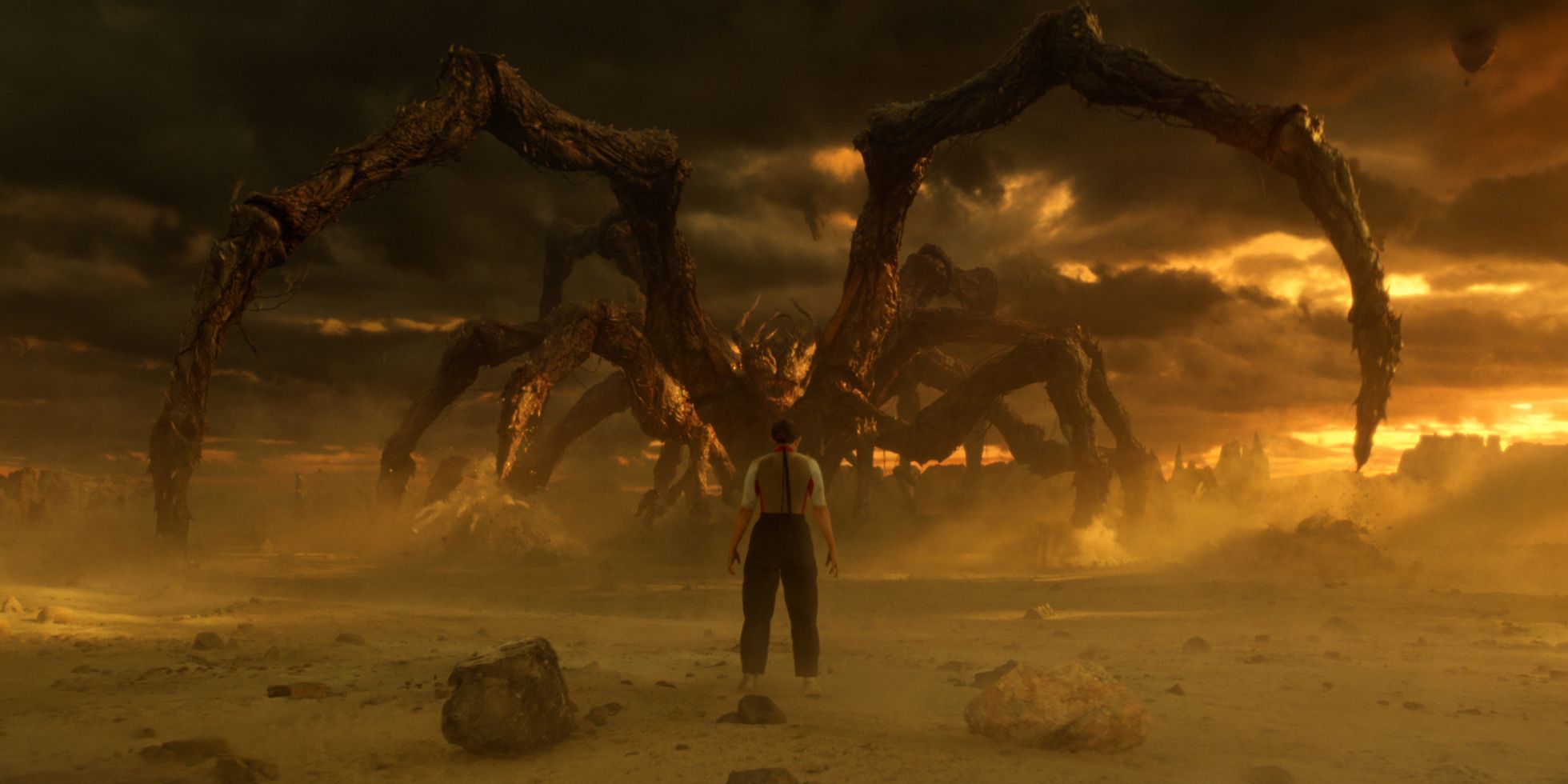
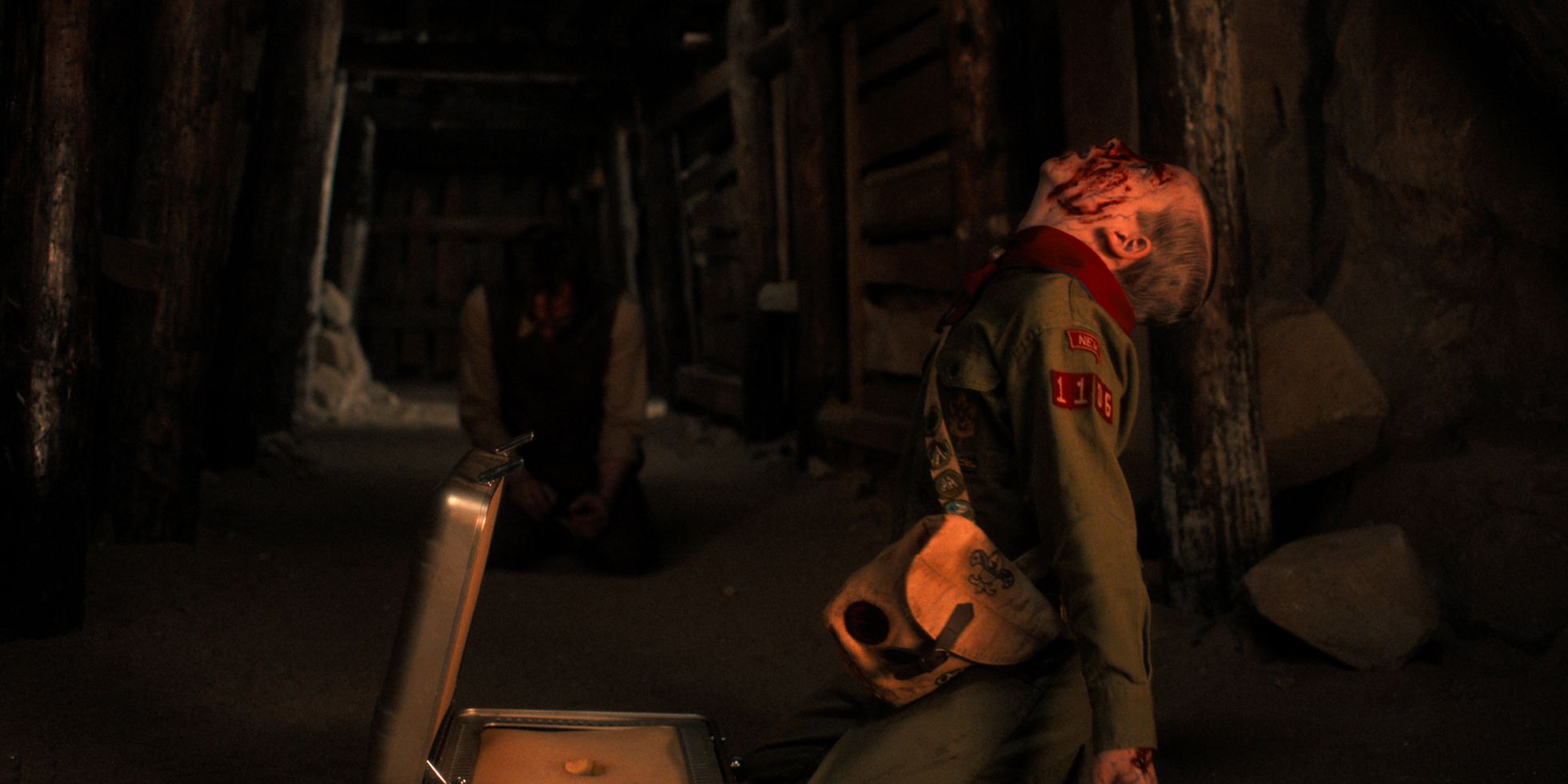
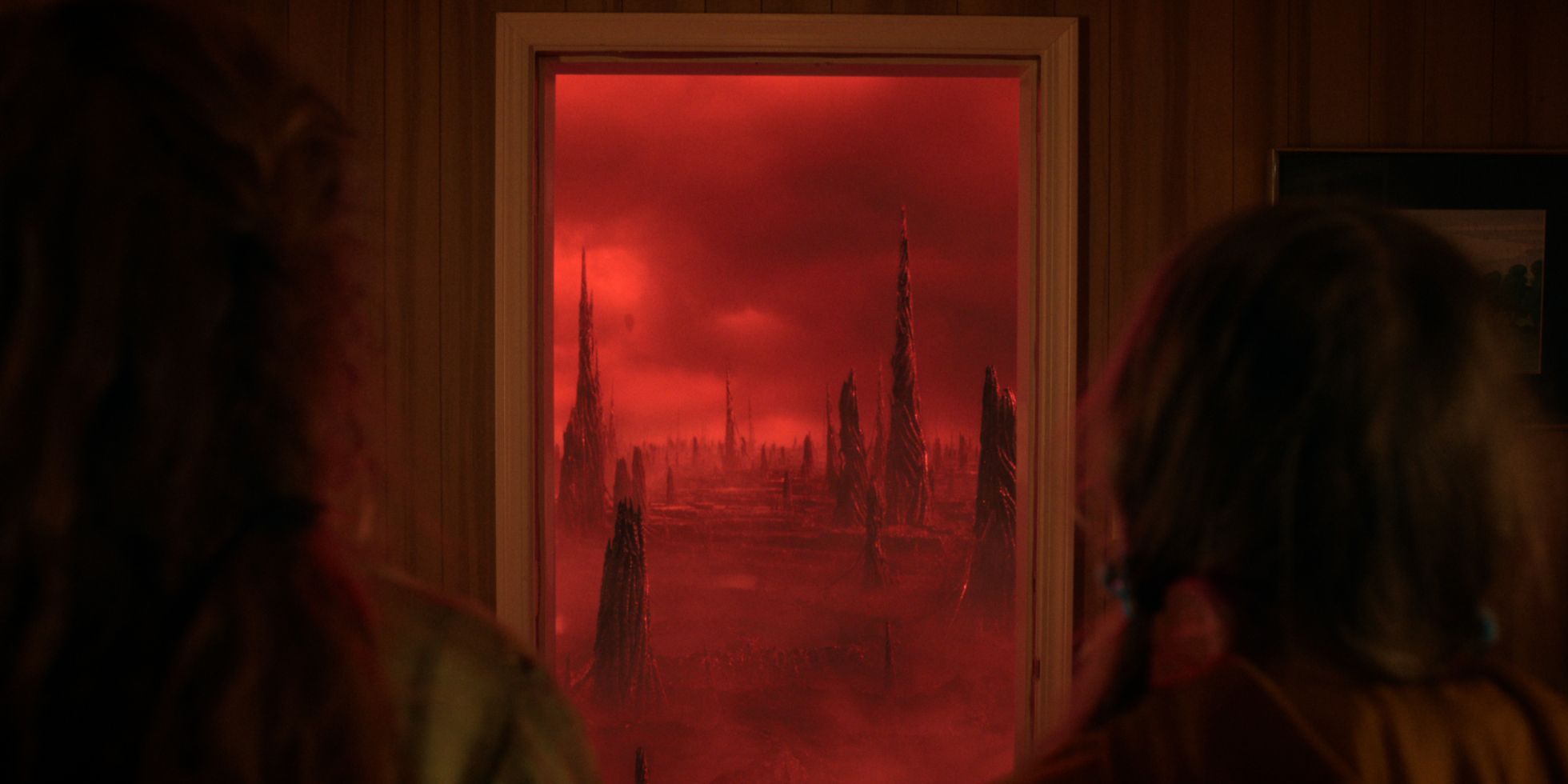
Finally, it becomes clear what Vecna is after: he has decided to end this world by unleashing the deceptively desolate but monster-infested Abyss upon it. The long-term creepy tale about the coexistence of the cozy provincial town of Hawkins with the monstrously dangerous Upside Down logically turned into an eschatological scenario. However, more interesting than the ends are the means. It becomes clear why the protagonists of Stranger Things are children. The fifth season is based on the legend of the Pied Piper of Hamelin, who lures elementary school children (the main characters have grown up!) into his lair. There, smart kids will help the Devil-tempter, who has taken the guise of the suave Henry (Jamie Campbell Bower, the best role of the season), who has long been deprived of an ordinary physical body, to destroy our reality.
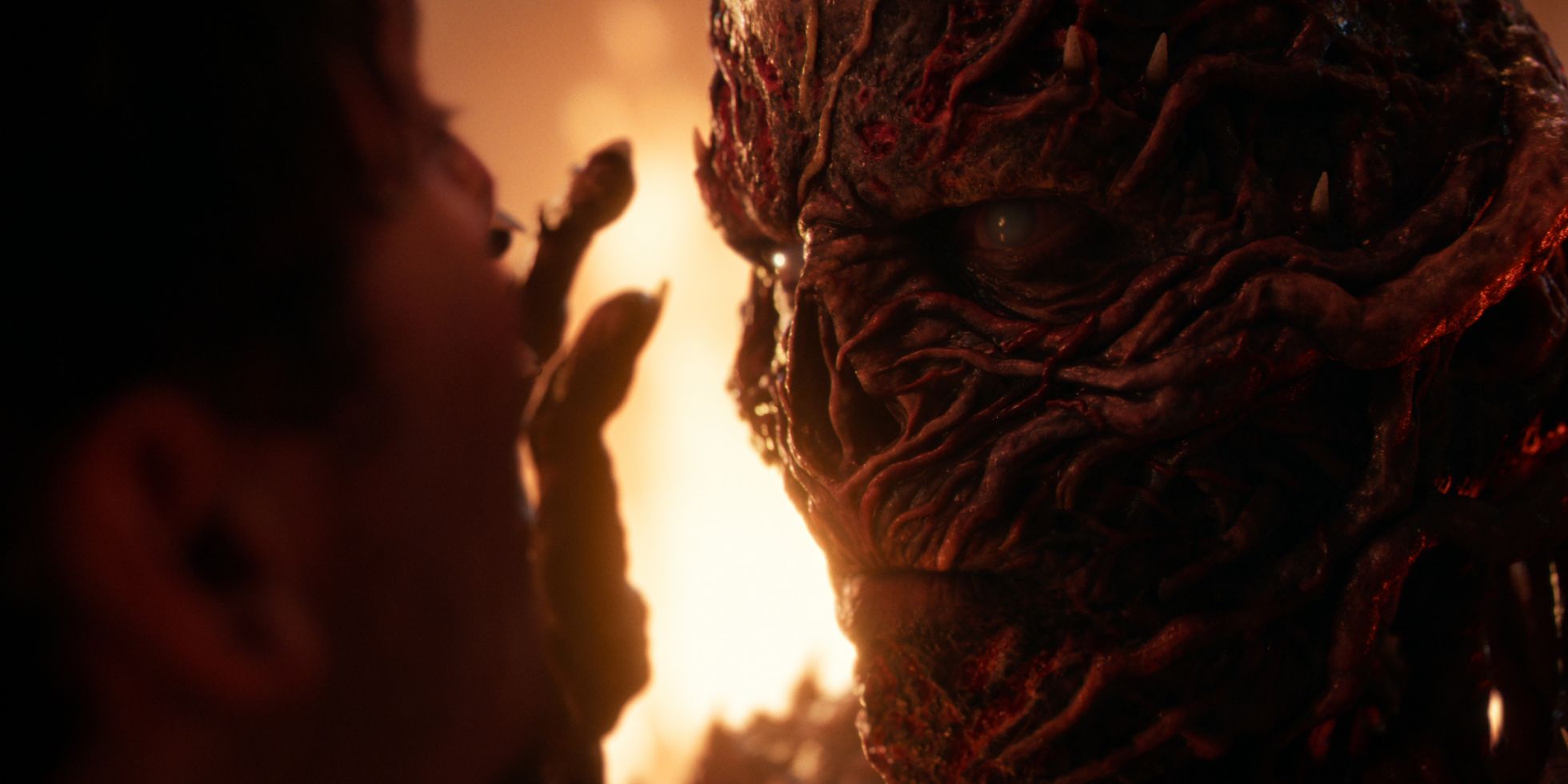
Children become “vessels” for Vecna, which amusingly echoes the most sensational horror of 2025 -“Tools” by Zach Cregger, another variation of the myth of the Pied Piper. Technically, this line allows the Duffers to organically introduce new characters and return Stranger Things to the lost innocence it had lost, since it’s about the next generation: Nancy and Mike’s younger sister, the independent and fearless Holly Wheeler (a convincing breakthrough from Nell Fisher), essentially becomes the central character, with whom the irritatingly textured bully Derek (the unforgettable Jake Connelly) can compete for the audience’s attention, another character with a double bottom. Content-wise, it returns the focus from the tedious suffering of teenagers to the tragic leitmotif of violence against the weakest.
A variety of readings, including openly political ones, can become legitimate - this mood is set up by the menacing leitmotif of the special services and security forces, who represent the omnipresent state and, following Vecna, see children exclusively as “vessels” or “tools.” Pop culture, with some reluctance, admits that Armageddon is inevitable and, moreover, is already in full swing, but after this it insists: the priority should be to save children, since in the future they will become the only chance for us. The theme of manipulation of children's consciousness, its reshaping in the name of crafty ideologies and outright lies, comes to the fore. I’m sure everyone will have their own associations with relevance.
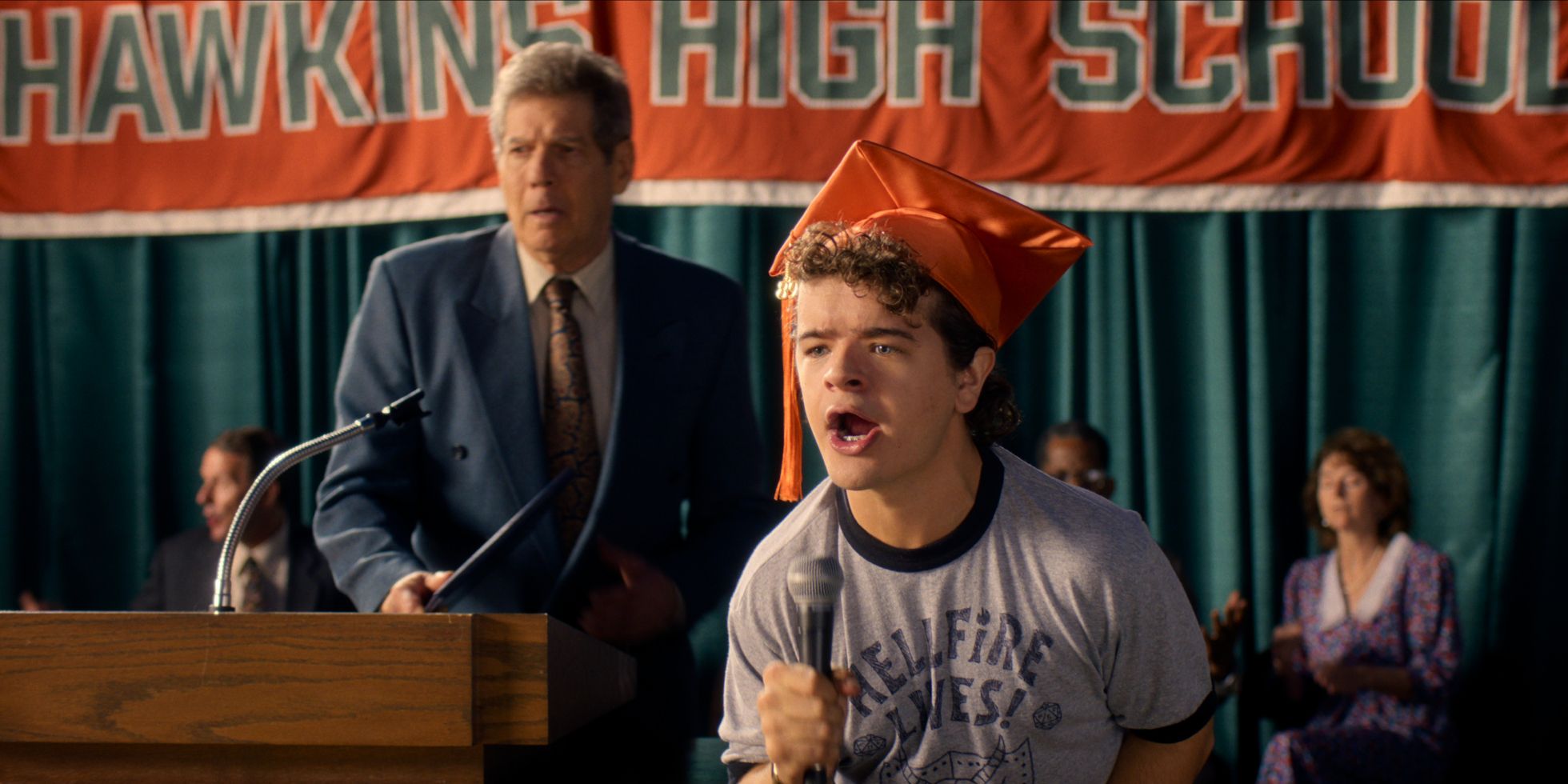
Regardless, Stranger Things turns out to be the biggest coming-of-age novel on television in recent years, one that echoes not only the sci-fi and fantasy of the 1980s, but also more disturbing, realistic reflections on the topic, be it Salinger, Haneke or the recent Coming of Age . The Duffers emphasize this almost didactically in the central prom scene of the epilogue, where the best student, Dustin, speaks. Yes, these five seasons were a real school for the “losers club” of Hawkins, their allies and friends, and “my universities” for their older brothers and sisters. They learned to love, overcome fear, defend boundaries, make decisions, and we along with them. The eleven (is it a coincidence?) underage protagonists of Stranger Things are a real encyclopedia not so much of types or temperaments, but of behavioral models of an individual growing up and gaining subjectivity. Sometimes these models changed during the course of the action, but the more instructive and fascinating the spectacle was.
Single mother Joyce (Winona Ryder) and single father Hopper (David Harbour), who naturally found solace in each other's arms, played the roles of fairytale-archetypal Parents, and the older Wheelers - Karen (Cara Buono) and Ted (Joe Chrest), oblivious until the last moment - were a kind of American parody of them. Hawkins, conveniently isolated by the military from the outside world in the last season - so it becomes a more visual model of the universe, like a teaching aid - does not just repeat the fate of similar fictional towns like Derry, Castle Rock or Twin Peaks, but becomes the House that the grown-up children will first have to protect and save, and in the end - will certainly leave. Without this, the cycle of growing up cannot be considered complete.
From this perspective, the coming out of one of the most mysterious characters in the series, Will (Noah Schnapp), ridiculed by the homophobic part of the audience, takes on extreme importance and does not at all seem artificial and excessively sentimental addition to the adventurous intrigue. Each of the heroes needs to find and understand themselves during the trials. The more painful the secrets hidden from others, the more difficult it is to take part in the decisive battle - in essence, for the right to freedom from Vecna, who controls the minds. The inner and outer worlds in season five reflect each other. They are equal in size and equally intricate, the labyrinths of Henry-Vecna’s consciousness and memories are no less impressive than the alien Abyss into which the teenagers from Hawkins manage to penetrate. Moreover, it was Henry’s childhood trauma that allowed him to bring the world to the brink of extinction, and Will’s shameful secret, as he himself believes, helped dig tunnels and build bridges between existence and non-existence.
Thus, the epic battle for the very existence of Hawkins, America and planet Earth is a not-so-disguised metaphor for the internal conflicts of an insecure teenager who is just learning to comprehend himself. This will probably disappoint some viewers. But with the last scene of the series, the Duffers will remind you that they were honest from the very beginning, openly admitting that the adventure they started is just a game of magic, like Dungeons and Dragons. The last thing the grown Mike, Dustin, Lucas, Will and Max do in the frame is finish the game and leave the basement upstairs, closing the door behind them.
But if they rise to adulthood, then the audience moves in the opposite direction, descending into the dungeons of their sweetest memories, to the still frightening dragons. Perhaps we should admit the obvious: Stranger Things helped us take a tour of our own inner world and past. For some, this journey was more personal (it’s hard for me to ignore the fact that, despite all the differences in experience, my classmates and I are the same age as the heroes), for others it was less personal, but everyone came into contact with their childhood. This turned out to be more important than the script and dialogue, special effects and scenery, acting and direction.
Now that the series is finished, it has become part of our lived experience, and years later this tale will be dreamed of by many of us as a personal experience. It was as if we were saving Hawkins, challenging Vecna, swearing eternal loyalty to each other and riding along the night roads on creaky bicycles, while mothers called each other and asked with alarm in their voices: “Have you seen mine? Somehow he didn’t show up for dinner.”
Anton Dolin