
Translated material
Policy shift
Compulsory health insurance has been introduced in Armenia. Ordinary residents are happy for now, doctors are not so happy

Photo: Armine Martirosyan
One of the largest healthcare reforms has been launched in Armenia - a system of universal health insurance. The corresponding law came into force on January 1, 2026 and provided citizens of the country with access to free medical care without a significant financial burden. However, already at the start of the reform, the healthcare sector faces serious challenges: a sharp increase in the flow of patients, overload of medical institutions and risks to their financial sustainability.
Health is not for everyone
The universal health insurance system will be implemented in stages over three years (2026–2028).
At the first stage, the reforms will affect vulnerable social groups: these are children and adolescents (under 18 years of age), citizens over 65 years of age, citizens with I-III degree disabilities, persons with limited functional capabilities, socially vulnerable segments of the population, families of deceased military personnel, as well as citizens with a monthly income of more than 200 thousand drams (about $524). Their number is about 1.6 million people, and 100% of the costs of treatment, if necessary, will be covered by the state.
Only those with a monthly income above 200 thousand drams must pay contributions. However, a subsidy mechanism has been developed to ease their financial burden. This year, the state will reimburse them for most of their insurance premiums from the taxes they pay monthly to the Zinapa fund (National Military Insurance Fund). In particular, out of 5,500 drams that will be paid to Zinapa, 4,500 drams will be redirected to the insurance fund. In addition, a refund of the social loan is provided, that is, people will end up paying only 300 drams per month. Those with higher incomes will receive a refund when they declare their income in 2027. They will receive a refund of their income tax.
The size and scope of subsidizing health insurance for citizens will be determined annually during discussions of the state budget. The 2026 budget provides 127 billion drams for the implementation of the health insurance system. By the end of 2028, other groups of the population will also have to have an insurance package. That is, it is planned that the entire population of Armenia will be insured in three years.
To carry out the reform, a fund with a board of trustees has been created, as well as a Universal Health Insurance Register, which is an electronic database with personal and other data. The fund operates a call center; citizens can receive clarification on all questions by calling the short number 8866.
Everyone is insured, but not everything
The insurance package is the same for everyone and amounts to 129 thousand 600 drams per year. The monthly fee is 10 thousand 800 drams.
The insurance does not include all medical services, but the most popular ones, including those provided on an outpatient basis, in clinics, visits by a family doctor, consultations with specialists, laboratory tests, but a certain number per year. The list of services will be expanded and refined; it will cover certain surgical interventions, in particular ophthalmological (cataracts), cardiovascular, etc.
Medical services under health insurance can be obtained in both public and private medical institutions. All information about the list of diseases, diagnoses, examinations and medications included in the insurance package is available to citizens in the Armed application (a single platform) on the official website of the Ministry of Health of Armenia, as well as in the Universal Health Insurance Fund.
“Universal insurance includes all citizens of Armenia, but does not cover all the medical needs of everyone. The reform aims to reduce the underlying burden of morbidity and mortality and ensure the best possible treatment outcomes. The main goal of the reform is to preserve the health of citizens, increase life expectancy, reduce premature mortality and improve the quality of life,” said Anahit Avanesyan, Minister of Health of Armenia, during a discussion of the bill in parliament.

The reform, according to plan, should provide equal conditions for all citizens of Armenia, regardless of their place of residence. According to the minister, the patient himself can choose the medical institution where he wants to seek medical care.
“The laws of competition are already starting to work here: the higher the quality of services, the more patients and financial flows, which will contribute to the development of this medical institution. This is especially important for regional medical institutions, which may have new opportunities,” Avanesyan emphasized.
Black Friday for the healthcare system
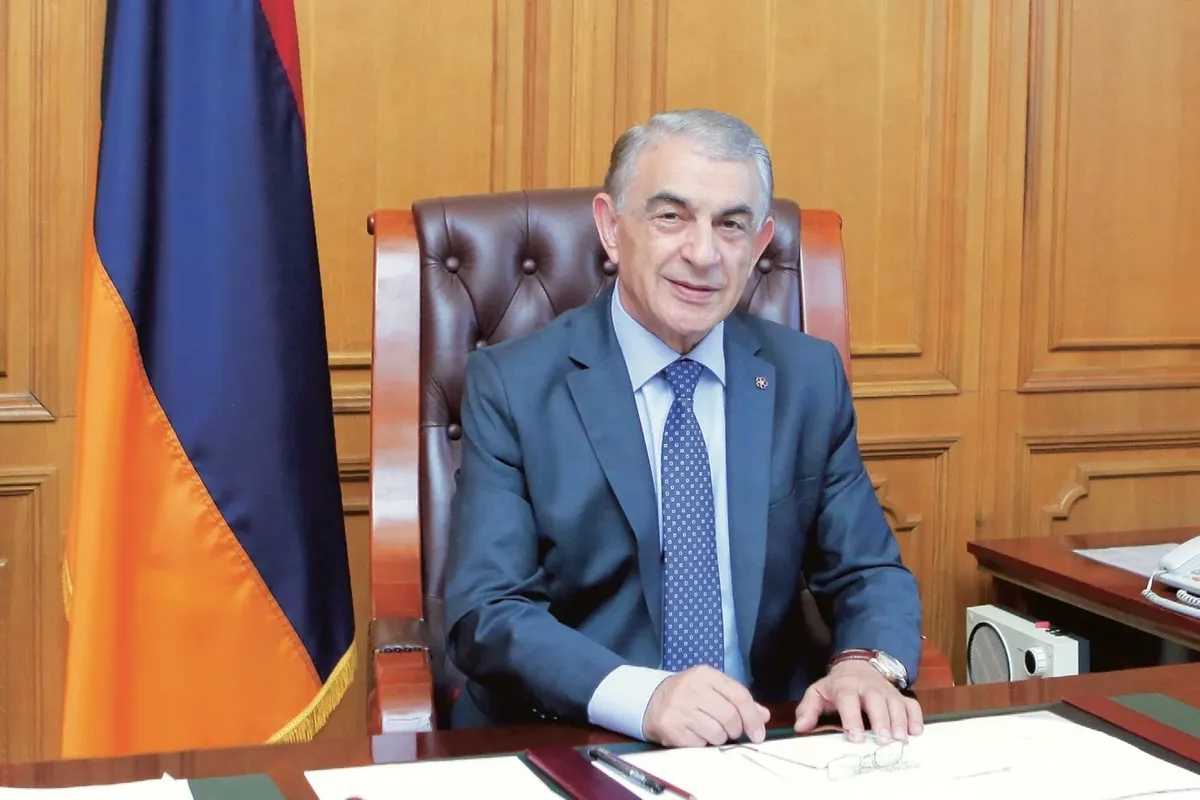
The issue of introducing universal health insurance has been raised in Armenia since the first years of independence, noted the author of the corresponding bill submitted to parliament back in 1995, Doctor of Medical Sciences, professor, former Minister of Health Ara Babloyan .
The bill, he said, was not adopted then due to the economic crisis in the post-war country. Instead, the state took upon itself to finance medical care only for the most vulnerable segments of the population. “After 30 years, universal health insurance is being implemented. This is a very responsible and complex reform that requires an integrated and thoughtful approach,” says Babloyan.
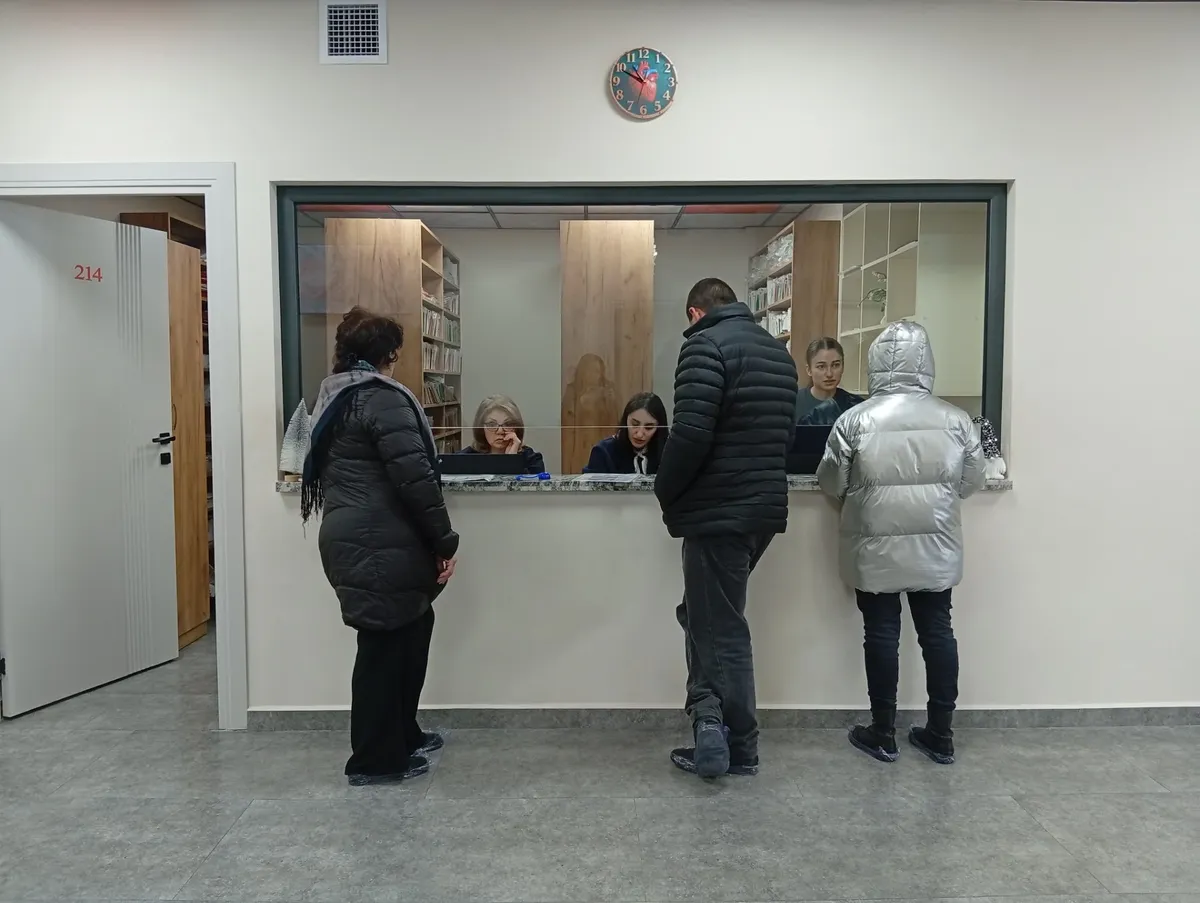
At the first stages, he notes, difficulties are inevitable. First of all, with a sharp increase in the flow of patients and overload of medical institutions. A large burden will fall on clinics as the primary link in the system, and they must be prepared for this. A flow of mainly citizens over 65 years of age is expected, since working people have previously used the services of the healthcare system as part of voluntary insurance in private companies.
The massive flow of patients, according to Babloyan, is planned to be regulated using a queue management system, with priority given to urgent requests rather than scheduled visits. “Medical institutions should think about increasing their resources in order to be prepared for increased workload,” says Babloyan.
Even the Prime Minister of Armenia Nikol Pashinyan called “not to attack medical centers from January 1,” because “this is not necessary, hospitals and clinics will not run away, but they must cope.” “This is not Black Friday for the healthcare system,” the prime minister said.
The head of the Ministry of Health, Anahit Avanesyan, assures that medical centers have begun to increase their capacity, and have begun to use available resources rationally, for example, reducing the average length of a patient’s stay in hospital from eight to nine days to five.
Medical insurance arrived on time
After the law on universal health insurance came into force, 70-year-old Yerevan resident Marat Vasilyan underwent surgery on his legs (balloon angioplasty with stenting) at the Nork Marash medical center. The cost of such an operation is about 1.5 million drams. “I no longer slept at night, there was a threat of losing my limbs. I have atherosclerosis and diabetes, so the situation was difficult. I don’t have that kind of money, and if it weren’t for the support of the state, my legs would have been amputated,” says Vasilyan.
The man is confident that if the insurance system had been introduced earlier, he would not have brought himself to such a serious condition and would have consulted doctors in the early stages of the disease.
The operation of 84-year-old Norayr Margaryan , who was admitted to the Erebuni medical center on January 1, 2026 with a diagnosis of “brain aneurysm,” costs about 5 million drams. The entire financial burden was assumed by the state as part of universal health insurance. Margaryan says that for a long time he had headaches, but he never went to the doctors. First of all, due to lack of money.
Risks of the new reform
“There have always been a lot of operations in our medical center, and since January there have been more. There were some planned ones, but most were urgent. All operations are carried out within the framework of compulsory health insurance,” says a surgeon from Yerevan medical centers on condition of anonymity.
At the same time, the doctor is in no hurry to give an unambiguous assessment of the effectiveness of the reform; he notes that “there are nuances that they prefer not to talk about out loud.” Using the example of appendectomy, he explains the situation after the introduction of universal health insurance. According to the doctor, if earlier this operation cost the patient 250-300 thousand drams in their clinic, now its cost is compensated by the state, but at a tariff half as much (100-150 thousand drams). “The prices for services are set by the state, which directly impacts the income of doctors and all medical staff,” the surgeon explained.
He added that
Under such conditions, private clinics will lose motivation to work under pressure, and patients may begin to be redirected to other hospitals. In addition, clinics may face financial risks if government payments are delayed amid a massive influx of patients.
The doctor highlighted another issue regarding the trust factor. According to our interlocutor, patients, as a rule, go to “their” trusted specialist, and in conditions of overworked doctors and long queues, the risk of corruption will increase.
Employees of the Ministry of Health explain that they have a clearly established price list, according to which compensation will be made, regardless of which private clinic has what prices for certain services, “especially since in some clinics certain prices are artificially and unreasonably inflated.”
The reform has already come under criticism due to its mandatory component. According to the law, all citizens who previously voluntarily insured their health in private companies are automatically included in the universal health insurance system. Critics fear that in this way the Ministry of Health becomes a monopolist in the health insurance market, and citizens are deprived of the right to choose.

“Many have existing contracts with private insurance companies, many are paid for by employers, and these packages are much better and more attractive than those offered as part of government reform. It is possible that people will gradually begin to refuse private insurance, because it is illogical to pay in two systems. As a result, it may turn out that, while providing one part of the population, the state deprives another part of quality medical care,” says Yerevan resident Sasun Khachatryan .
The Ministry of Health emphasizes that the universal health insurance system is mandatory for everyone, and it is impossible to refuse it. But those who want to keep their private insurance can be on both systems at the same time. As for private insurance companies, the department noted that they will have to review their insurance packages so that the medical services of citizens insured in both systems are supplemented as much as possible.
Let us note that as of the beginning of January, according to official data, more than 40 thousand citizens of the country took advantage of health insurance. The flow of patients to medical institutions, according to the Ministry of Health of Armenia, is growing every day, especially the number of requests for preventive diagnostics.
Armine Martirosyan