
Translated material
Deputy and terminators
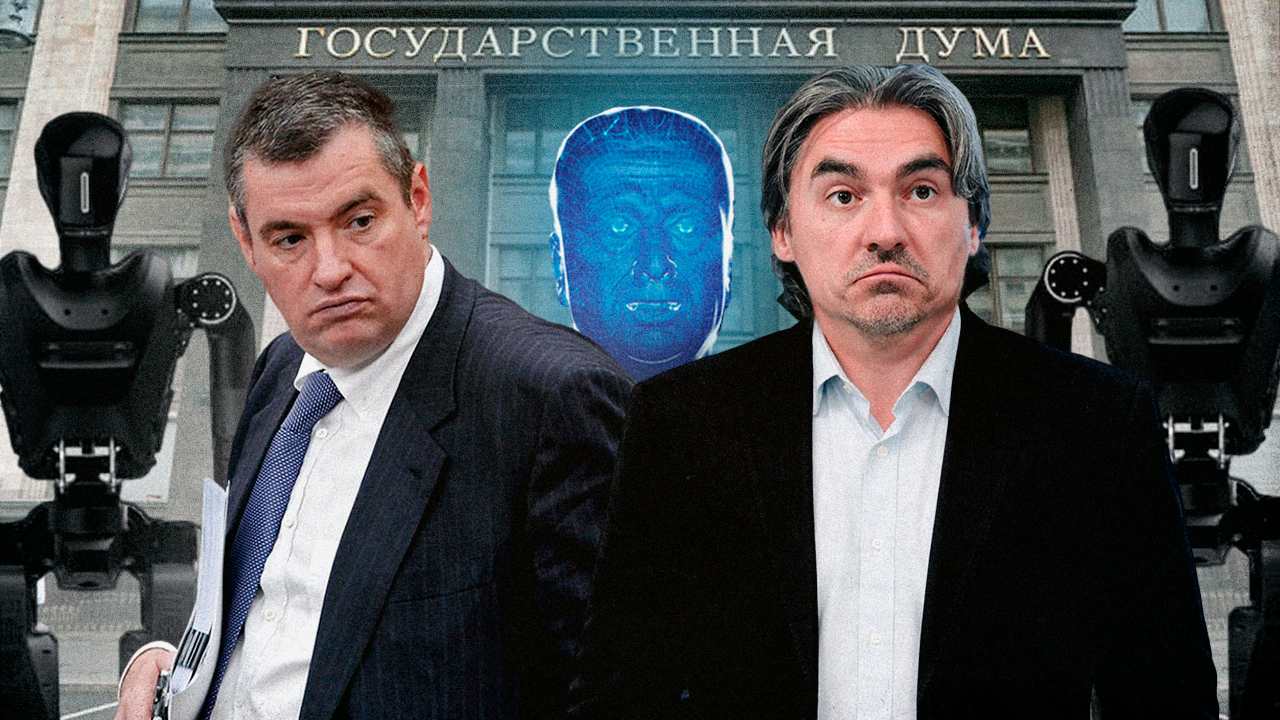
Why was Andrei Svintsov, who supported the blocking of Telegram, expelled from the LDPR?
Deputy Chairman of the State Duma Committee on Information Policy Andrei Svintsov was nevertheless expelled from the LDPR. The decision was made unanimously in the party “in connection with his actions discrediting the reputation of the LDPR, massive complaints from residents of Russia, as well as demands from all party regional branches.” Svintsov received his mandate in 2022, after the death of Vladimir Zhirinovsky.
Recently, Andrei Svintsov has been actively commenting to journalists about the blocking of Telegram. The politician stated that after complete blocking, the messenger will not work through a VPN - in his opinion, Roskomnadzor has such technical capabilities. As Vedomosti writes, LDPR leader Leonid Slutsky repeatedly gave Svintsov a “final warning” and urged him not to comment on anything.
Svintsov continues his media activity. On a stream from pro-war blogger Vladislav Zhmilevsky, a deputy said that robots are fighting against Russia: “Yesterday the first two terminators arrived. Have you seen the movie “Terminator”? They are completely ironclad fighters who are already fighting against us on the front line. That movie “Terminator” from 1984 became a reality yesterday - they came and are fighting against us.” Svintsov also touched on his favorite topic of blocking. He believes that the blocking of Internet services is associated with a “technological confrontation between cyborgs,” and failures in watching videos on YouTube are a side effect of the war with robots. Svintsov also suggested the possibility of destroying foreign servers only with the help of missile strikes.
Meanwhile, the Kremlin has already begun preparing for election campaigning in the Max messenger. At the same time, according to sources close to the Kremlin, “in a year of difficult elections, no one wanted to block” - “work with Telegram is structured, understandable and convenient,” writes the publication “Vestka.” The bloc of the first deputy head of the Presidential Administration, Sergei Kiriyenko, opposed the blocking of Telegram and wanted to postpone it at least until the end of the Duma campaign.
Can the exclusion of Svintsov be considered a continuation of the trend towards purges in the LDPR? What are the parties and the Kremlin preparing for the autumn Duma elections? We are discussing with the editor-in-chief of Novaya Gazeta Europe, Kirill Martynov .
Deputy Andrei Svintsov , expelled from the LDPR for actively criticizing Internet blocking, told the Fontanka publication that he does not connect his expulsion from the party with his active position on Telegram: “No, I don’t directly connect this in any way, because my position is the position of our president. Many times Dmitry Peskov spoke and said exactly the same thing as me,” Svintsov noted. According to Vedomosti, at the beginning of the year the deputy considered the possibility of moving to A Just Russia.
Why was Andrei Svintsov, who supported the blocking of Telegram, expelled from the LDPR?
by Radio Liberty Text copied width px height px The URL has been copied to your clipboard
No media source currently available
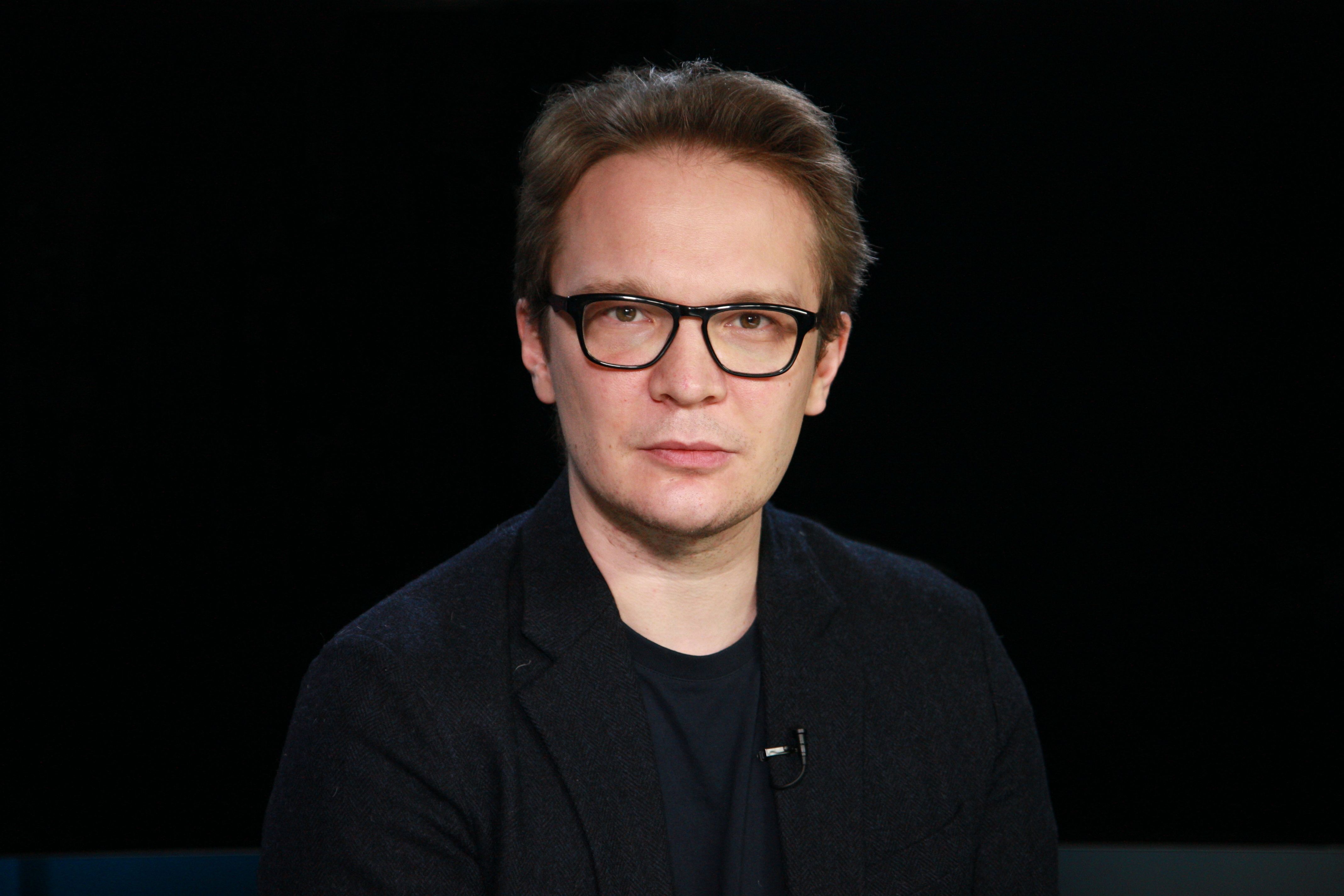
The expulsion of Andrei Svintsov from the LDPR may be connected not only with criticism of Internet blocking, but also with an attempt by the party leadership to get rid of prominent rivals on the eve of the State Duma elections, believes editor-in-chief of Novaya Gazeta Europe Kirill Martynov :
Leonid Slutsky suppresses all potential charismatics, although the casting of these charismatics also looks rather pathetic
- I think that there is a person in the LDPR who believes that he should become the next Vladimir Zhirinovsky. The former party leader was a master of rhetoric and possessed a specific charisma. The problem is that the LDPR apparatus structure is now headed by an absolutely wooden man who is practically unable to walk or talk - Leonid Slutsky. He suppresses all potential charismatics, although the casting of these charismatics also looks rather pathetic. We see that even if Svintsov is trying to be Zhirinovsky, he is not particularly successful at it. The agenda about blocking the Internet and instant messengers is extremely unpopular, and will not help either the LDPR party or the deputy Svintsov himself. At least from the point of view of some kind of counting of votes, if in Russia they will actually be counted by the votes of living people, and not through a remote electronic drawing system.
This incident makes us wonder under what unusual conditions the so-called State Duma elections will take place in September this year. Their entire configuration raises one question: in whose interests the so-called special military operation continues. Who are the beneficiaries of the war, who insists that it continue, where are the deputies, where are the forces that will protect Russian citizens from the war and, first of all, from its consequences - from insecurity, economic problems, absolutely insane restrictions on the Internet. I think that the so-called systemic opposition comes from such a structure that for now in Russia it is possible to oppose blocking. This is not a criminal article; there is no direct punishment for this. Deputies should have their own minimum agenda before the elections.
There will be no party that would stand for peace in these elections
And those people who implement blockades in Russia are simply extremely disconnected from reality, from people’s lives, from the soil. Many of them do not use the Internet themselves. We know that Vladimir Putin uses special communications instead of the Internet, like in the 70s, which are so dear to his heart. And so the parties, trying to somehow build connections with voters, with the real needs of people, are trying to declare in some relatively safe field that they, unlike United Russia, know at least something about the main problems of Russian voters. There will be no party that would advocate peace in these elections, because it is illegal. But perhaps, if everything is not completely banned by this point, there will be parties that will advocate reducing the level of other madness, for example, restrictions on the Internet.
As for which of Vladimir Putin’s friends and associates benefits from the blocking of Telegram and the Internet, the media wrote a lot about this. Among the beneficiaries is the son of the deputy head of the presidential administration Sergei Kirenko, Vladimir, who is the general director of VKontakte. I think that's the mechanics here. On the one hand, the intelligence services tell those in charge and Putin: we do not completely control this hostile Internet, this is a terrible place, terrible things happen to children there, saboteurs and terrorists are recruited through Telegram. The voices of various enemies, foreign agents and extremists are spreading there, and therefore all this must be blocked.
And it so fortunately happened that literally the day before, in accordance with the order of the Russian authorities, Russian analogues of these popular messengers appeared. Yes, they don’t work so well, they don’t succeed in everything, but they are completely loyal and controllable. Children and relatives of respected people from the presidential administration and FSB generals participate in their development and implementation. It turns out such an amazing thing that the patriotic gesture associated with the self-isolation of the Runet is simultaneously associated with government investments in projects like Max, in the construction of an increasingly advanced blocking system, in the import of TSPU systems that should filter traffic. And all this is done by very specific people who want to make money from it,” believes Kirill Martynov.
On the eve of the September elections, the State Duma of the Russian Federation adopted in the first reading a bill regulating the use of AI in election campaigning. Deputies fear that neural networks capable of creating images of real-life people will form among voters a “distorted image of a candidate or party.”
Why State Duma deputies decided to regulate neural networks on the eve of the elections, and what can be distorted in election videos in modern Russia, explains the editor-in-chief of Novaya Gazeta Europe, Kirill Martynov:
Deputies are afraid that the citizens, whom they left to their fate, are ready to believe any video that will be released on the eve of the elections
-Perhaps the deputies are afraid that the citizens, whom they left to the mercy of fate, as a result of everything that has happened in Russia in recent years, are ready to believe any video that will be released on the eve of the elections as election propaganda. Trust in government institutions is generally very low, people are disunited and have withdrawn into their personal lives. And it just so happened that by this election cycle, neural networks had become advanced enough to be able to generate any videos dedicated to parties, candidates, political leaders, and show it all to voters. I think that's what's going to happen from different angles. During this election campaign, various political forces will pursue their goals with the help of artificial intelligence.
The deputies decided that now they don’t need such problems - everything should be calm and the old fashioned way. At the same time, it is clear that by September a lot of illegal videos will appear on all banned social networks, regardless of what the deputies decide. Overall, if these videos are compelling and talented, it will be an important factor in influencing public opinion. Any form of black PR is suitable here: candidates will be drowned with the help of these videos, or, conversely, supported. As for the positions of United Russia in these elections, I assume that the party will be forced to make a serious bet on candidates from the war, its participants. We'll have to look at the entire lists. But they are not yet formed.
At the same time, United Russia primaries are underway, to participate in which you will need to register through State Services. There is a wonderful point that the participants in the war in these party primaries have a head start of 25% of the votes from above. That is, United Russia itself does not really believe that the party apparatus that participates in these primaries - various forced people, state employees, will vote for candidates from the war, but wants to see how it will be. I think that not only United Russia, but also other parties that compete for loyalty to Putin will definitely have to include supporters and participants in the war in their lists, regardless of how popular it is among the so-called “old elite” and among citizens. But I am sure that United Russia will take as much in these elections as it took in previous times, because nothing threatens it,” Kirill Martynov is sure.