Translated material
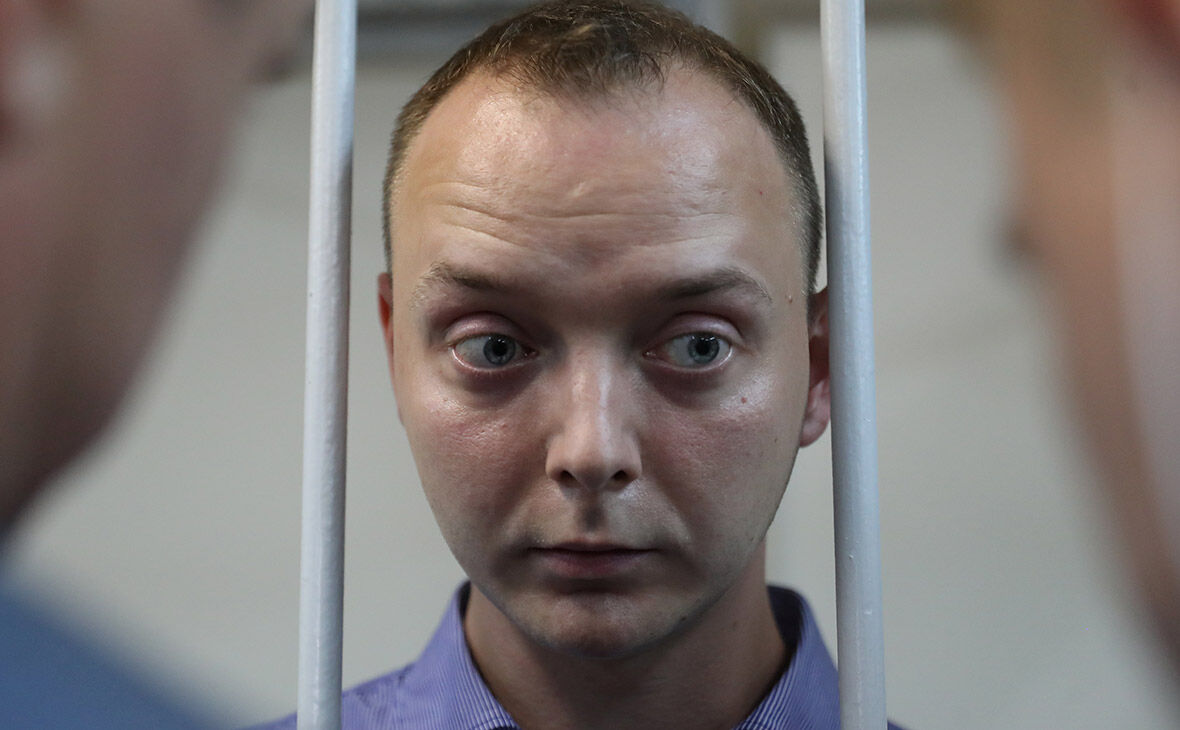
Safronov Ivan Ivanovich
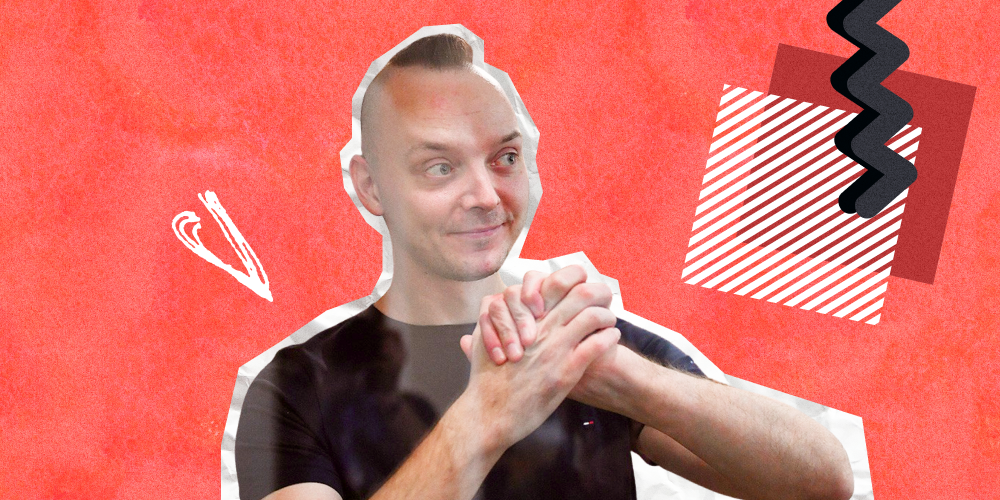
Safronov had not even worked at Roscosmos for a couple of months when, on a summer morning, he was detained at the entrance of the same house on Nizhegorodskaya Street, from the window of which his father allegedly voluntarily threw himself down. Ivan was charged with high treason for communicating with a Czech colleague. Alexander Chaban, one of the most brutal employees of the First “spy” department of the FSB, was appointed investigator in his case. On the day of the arrest, searches were carried out, including at Safronov’s mother and sister. Subsequently, Chaban applied a variety of pressure measures to Safronov in order to persuade him to cooperate: a ban on calling his mother, a ban on visits, a ban on correspondence and receiving correspondence, and a punishment cell. Ivan repeatedly tried to write texts freely - to newspapers and magazines that were ready to publish his columns and articles. Each time he was given the most severe punishments for this.
On September 5, 2022, Ivan Safronov was sentenced to 22 years in a maximum security colony.
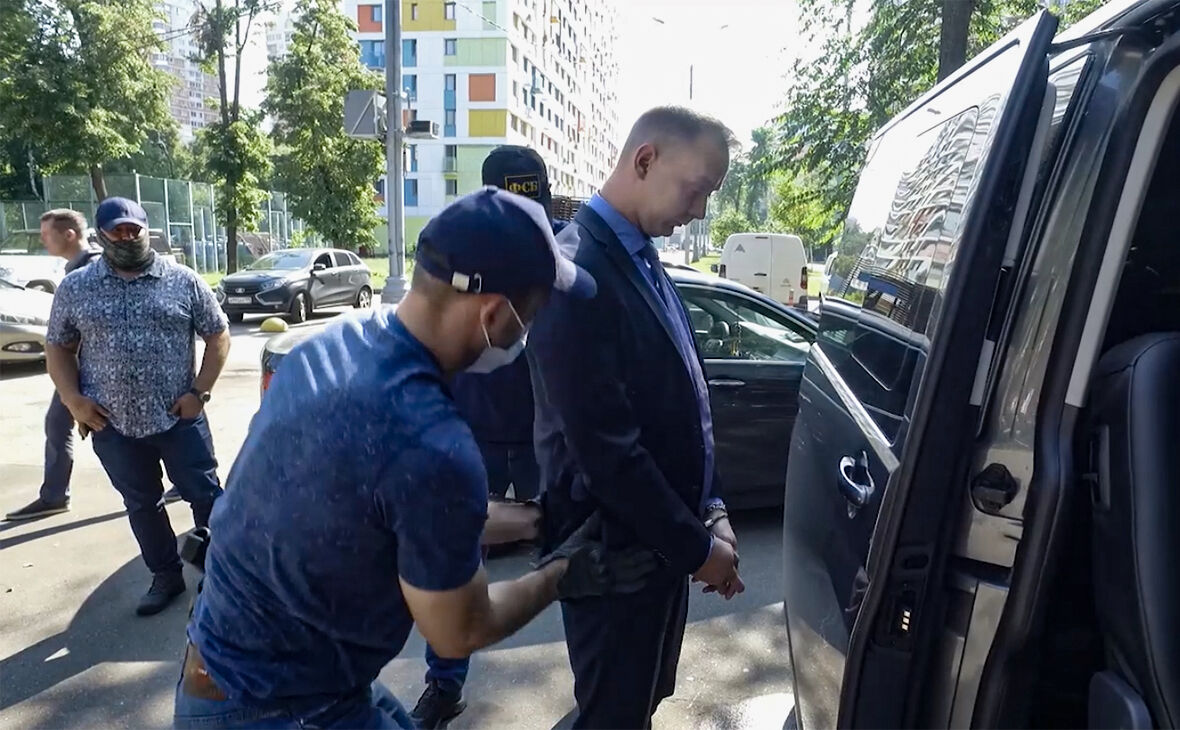
July 7, 2020
Ivan Safronov was detained on his way to work, his apartment was searched and he was taken to court. Since that day, the journalist has been in custody.
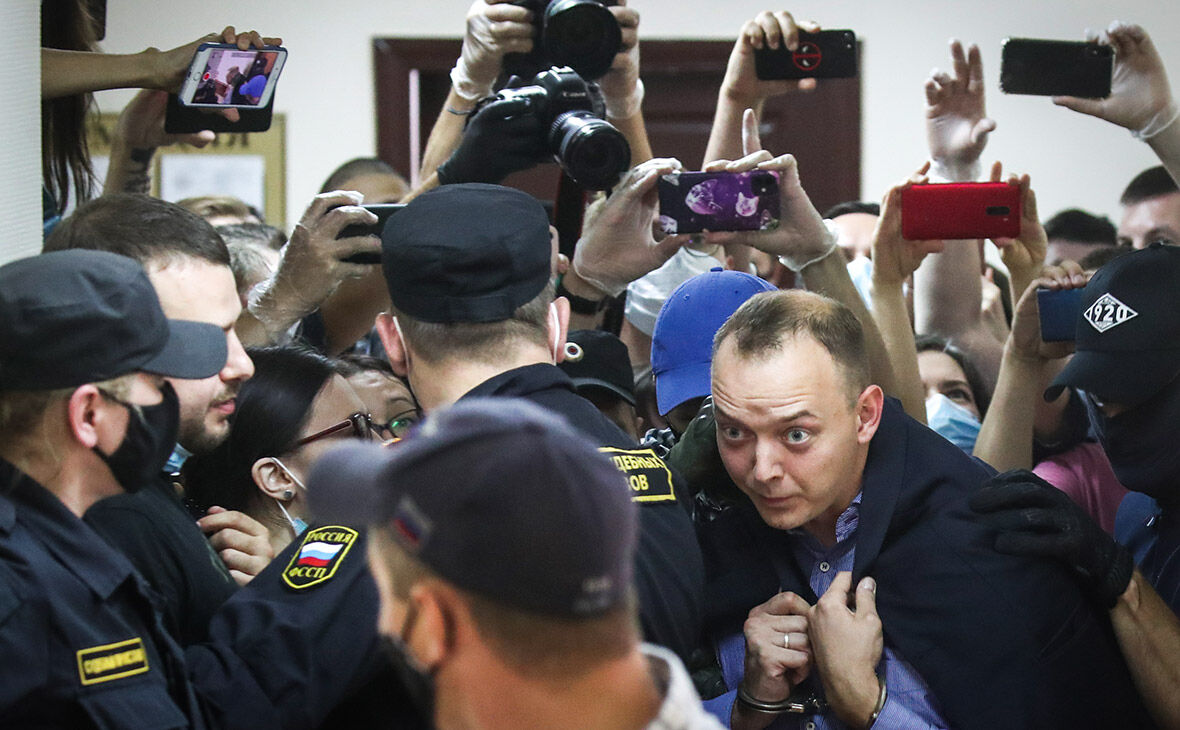
July 13, 2020
The investigation has charged the former Kommersant journalist with treason.
July 28, 2020
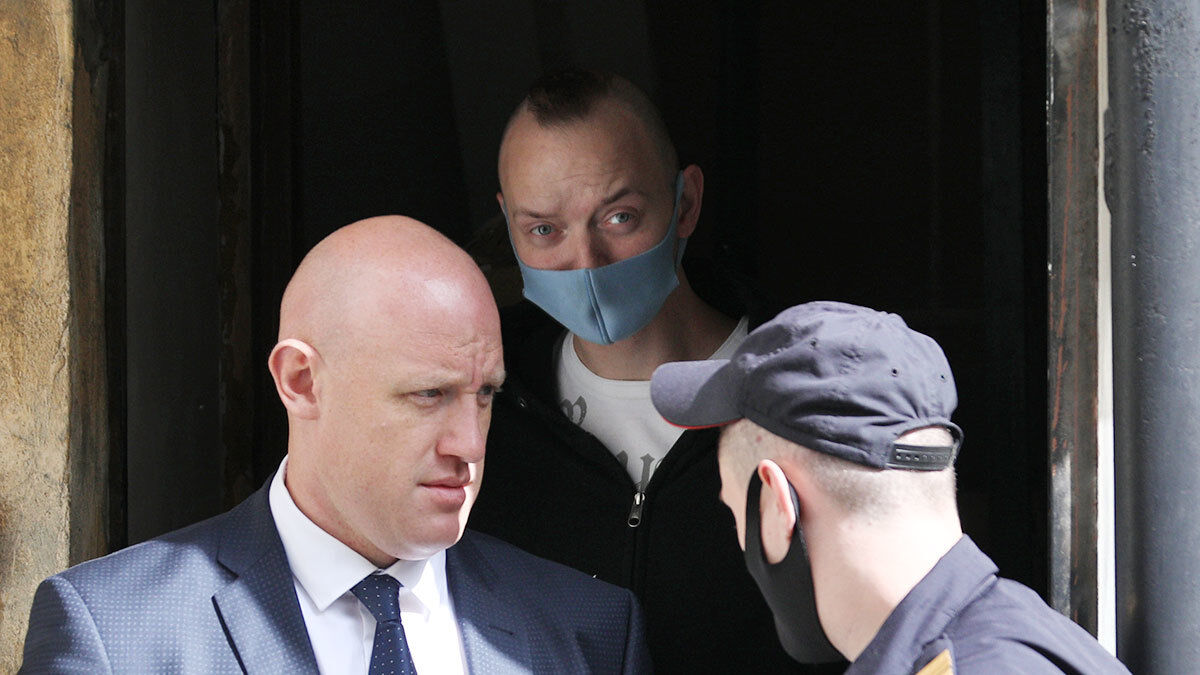
Ivan Safronov refused to enter into a plea deal. This proposal came from investigator Alexander Chaban
July 29, 2020
The lawyers and Ivan himself are not told exactly what information he gave to the Czech intelligence services and what exactly he is accused of. Ivan will not be told about this until December 2021.
October-November 2020
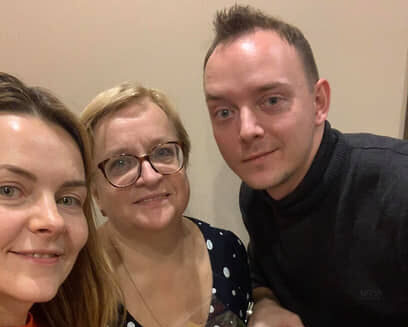
Investigator Alexander Chaban forbade Ivan from calling his mother to congratulate her on her birthday, because during the call our client could allegedly transfer secret information to foreign citizens. Friends, colleagues and relatives of Safronov launched a petition demanding that the journalist be allowed to communicate with his immediate family.
November 30, 2020
Almost 400 people vouched for Ivan Safronov for the new meeting to extend the preventive measure: Chulpan Khamatova, Alexander Arkhangelsky, Vladimir Zhelonkin, Ilya Yashin and others. But the court found this insufficient, and Safronov was again left at Lefortovo.
December 10, 2020
The President said that Ivan was not being persecuted for his journalistic activities. This is wrong. The accusation concerns precisely the period when Safronov worked at Kommersant.
March 2, 2021
This is the name of the famous Soviet journalist and photographer Olga Lander. She worked as a photographer for Komsomolskaya Pravda and was a front-line correspondent during the Great Patriotic War.
March 18, 2021
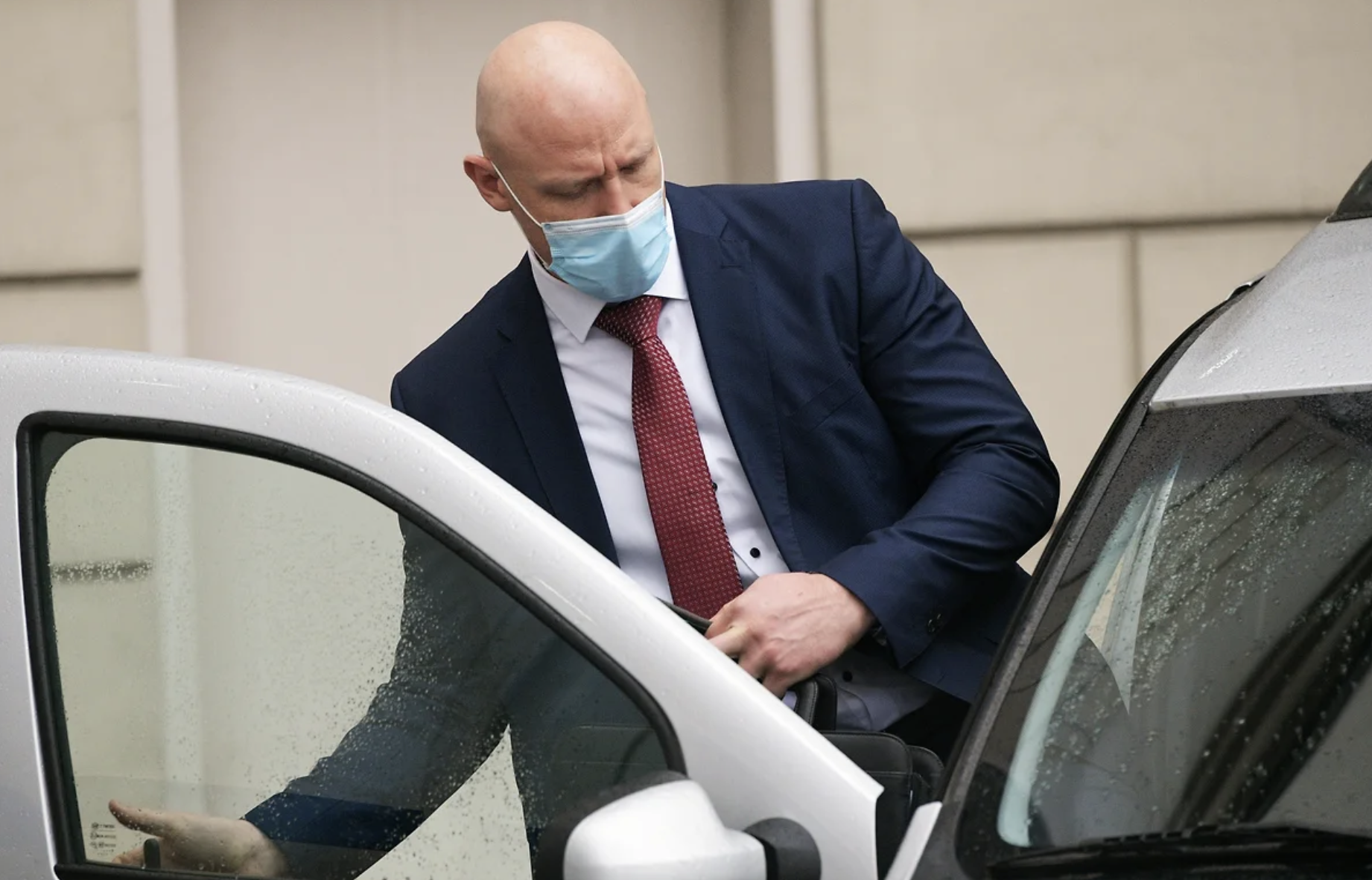
Investigator Alexander Chaban, who threatened Ivan with a long prison term, forced him to admit guilt and forbade him to call his mother, was promoted - he received the rank of colonel.
April 2021
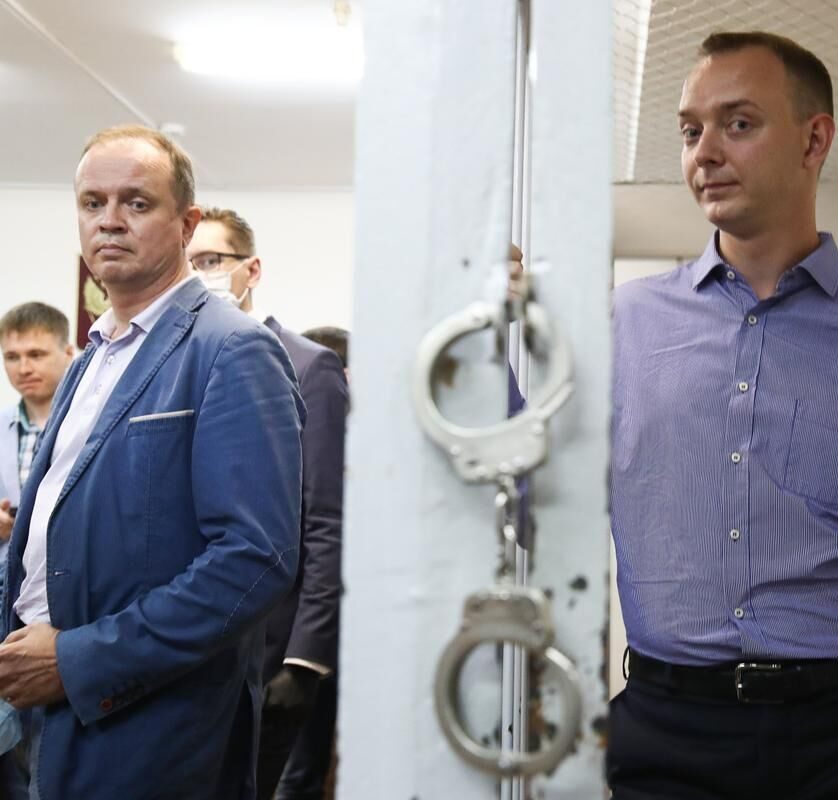
A criminal case was opened against lawyer Ivan Pavlov for allegedly disclosing data from the preliminary investigation into Safronov’s case; later he was banned from communicating with witnesses in the case, including Safronov himself.
June 30, 2021
At a press conference dedicated to the anniversary of Ivan’s arrest, the investigation made by Safronov in the Lefortovo pre-trial detention center was announced.
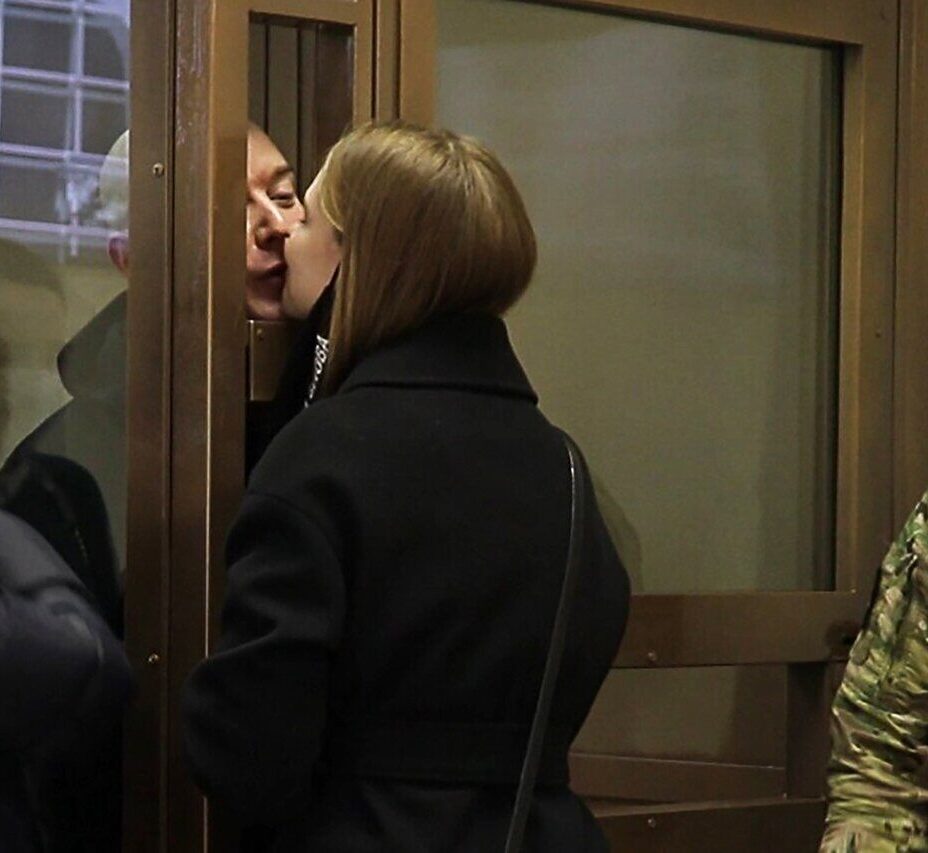
July 7, 2021
Journalist Ksenia Mironova wrote a touching post about how a year ago the security forces carried out a search in their apartment, how Vanya called her from the investigator’s office, and how investigator Chaban made it so that Ksenia’s lawyer could not attend the search.
July 23, 2021
The material is called “ Making spies out of these people .” After publication of the text on the Vedomosti website, the investigation was deleted without explanation.
September 2, 2021
Ivan Safronov begins writing columns about prison life for The New Times. Unfortunately, only one can be published, because journalists are punished for honest stories about life in a pre-trial detention center.
September 2021
In retaliation for the investigation and the column, investigator Chaban forbade Ivan from receiving and sending letters.
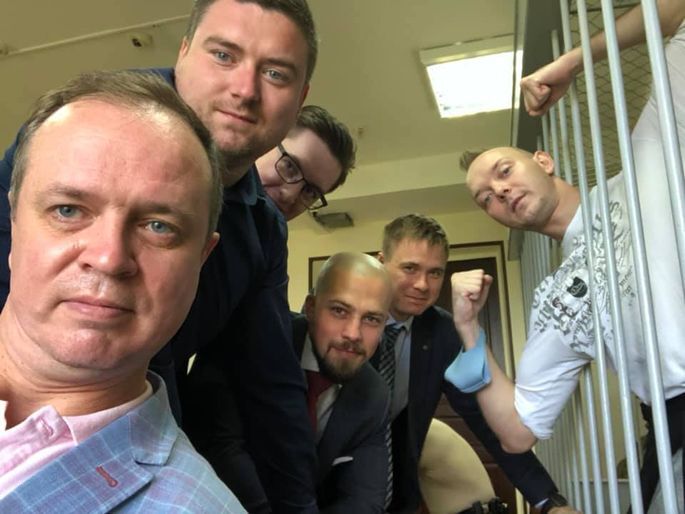
September-October 2021
The Ministry of Justice filed a motion to disbar Safronov’s defenders, Ivan Pavlov and Evgeny Smirnov. In September, Pavlov was forced to leave the country, and was later recognized as a foreign agent and put on the wanted list.
November 2, 2021
Ivan was sent to a punishment cell for trying to fix the TV in his cell.
May 2022
In court, they stated that Safronov used exclusively open sources and did not violate any laws.
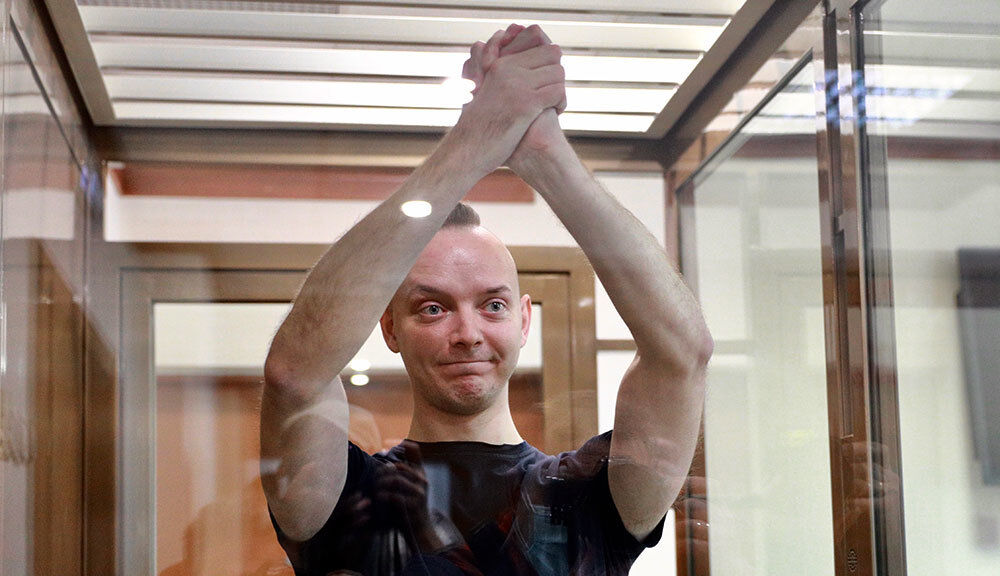
September 5, 2022
The court sentenced Ivan Safronov to 22 years in a maximum security colony and a fine of 500 thousand rubles. In addition, the court sentenced Ivan to two years of restriction of freedom - after his release, Safronov will be required to report to the Federal Penitentiary Service one to four times a month, and he will also not be able to leave the region and attend public events.
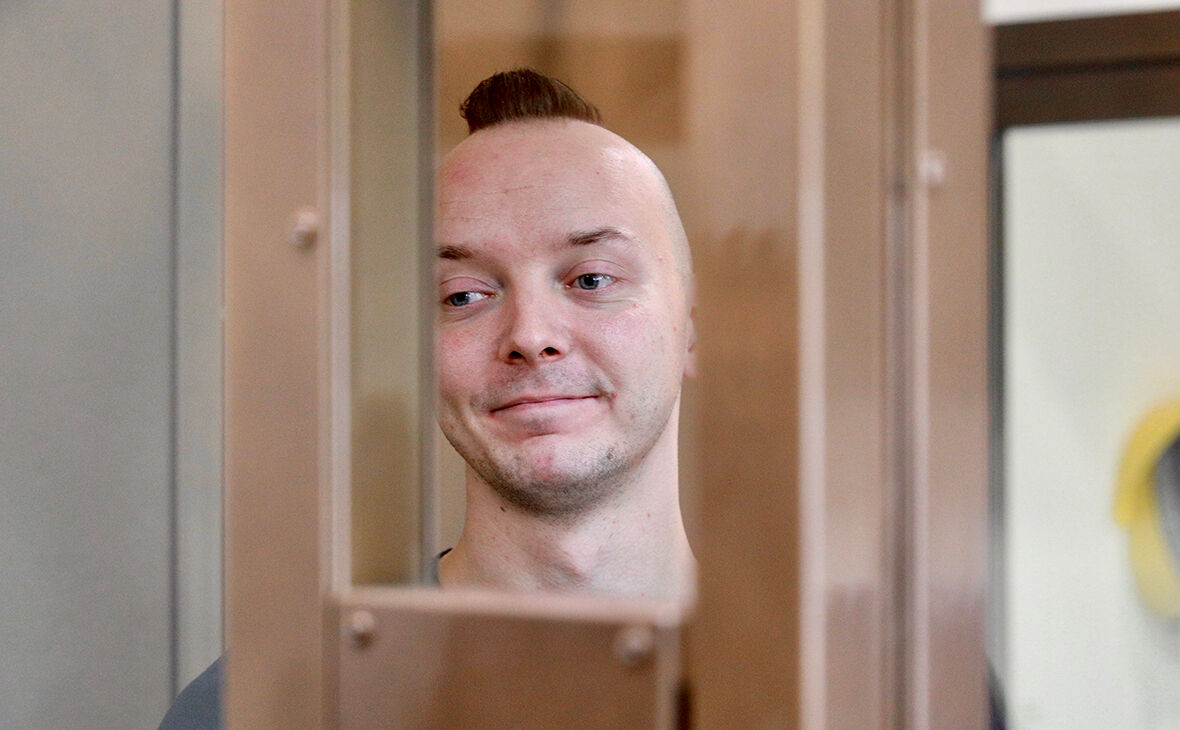
December 7, 2022
The court's decision was upheld. The court did not pay attention to the inadmissible evidence, to the actual prohibition for Ivan to challenge the false testimony of prosecution witnesses, to the lack of corpus delicti. The verdict contains direct violations of the criminal and criminal procedural codes, decisions of the Constitutional and Supreme Courts of the Russian Federation.
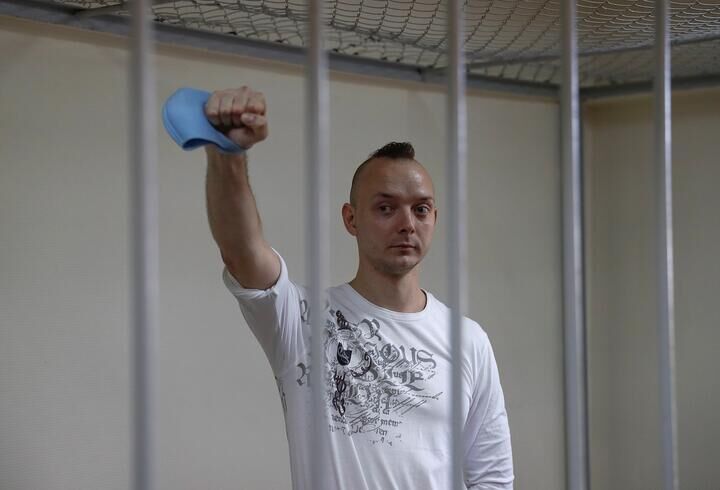
August 2, 2023
The Supreme Court rejected the lawyers' complaint and upheld the court's decision in Safronov's case.
Other news
- Comment July 7, 2020 “This is an attempt to take revenge for what Vanya did as a journalist” What Ivan Safronov’s colleagues say about his work, detention and charges of treason
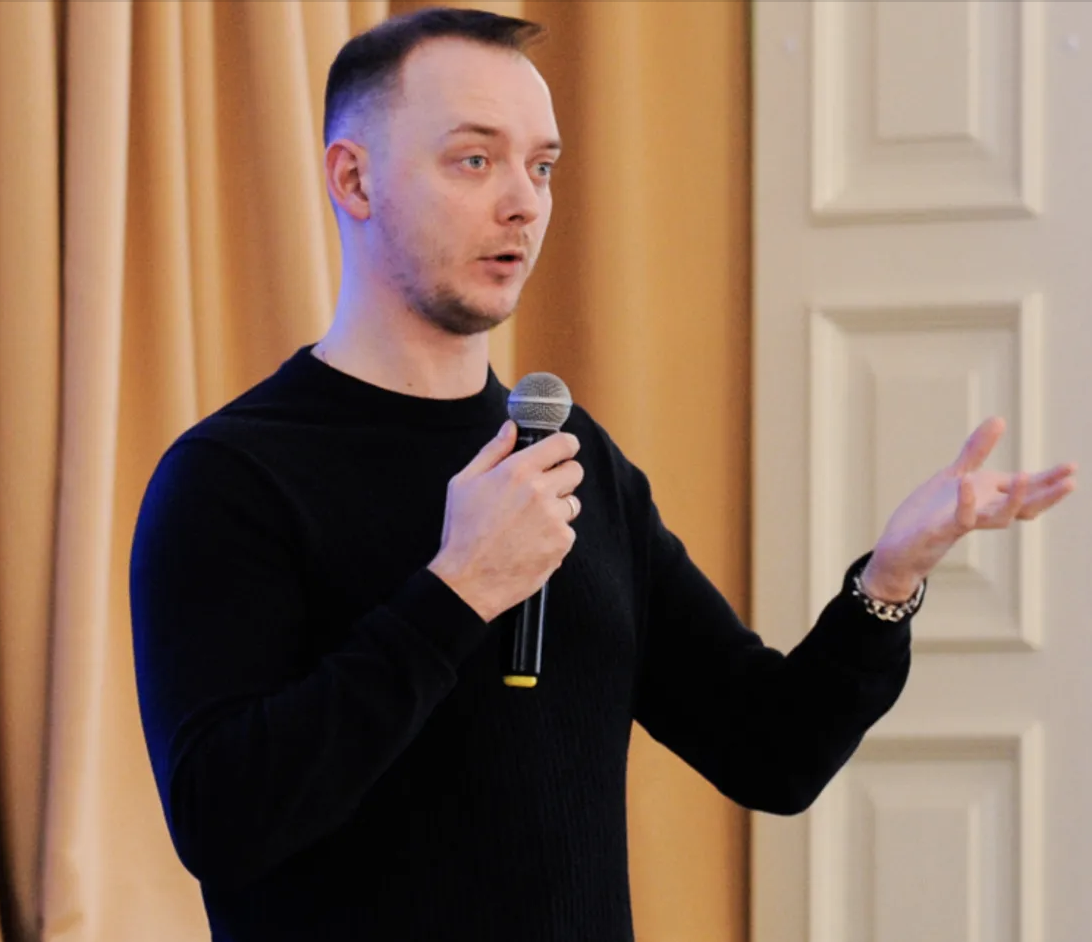

- Column July 23, 2021 “Make spies out of these people.” Safronov's column, written from a pre-trial detention center
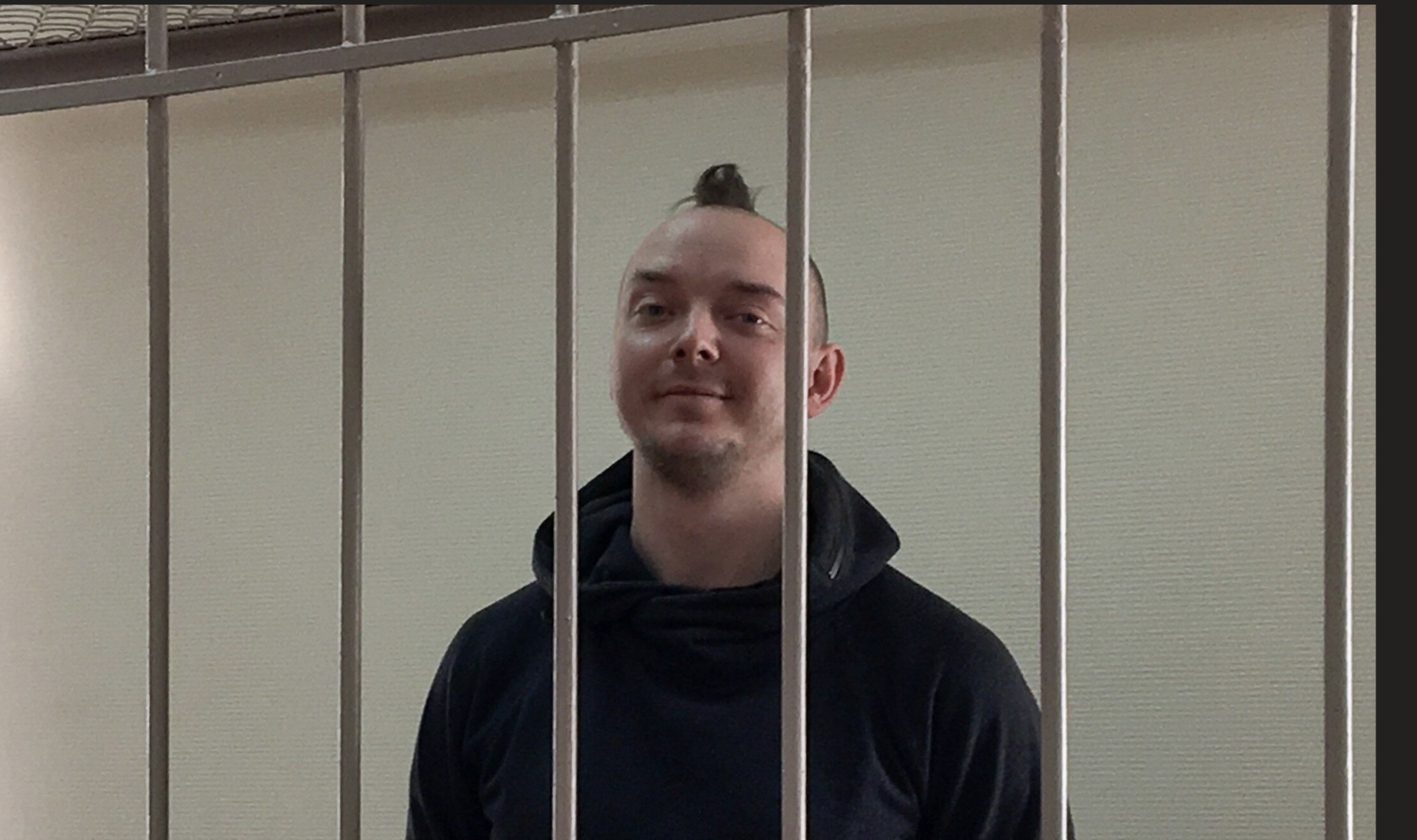

- Column September 2, 2021 “I smelled incense coming from behind the door.” Column by Ivan Safronov from the pre-trial detention center
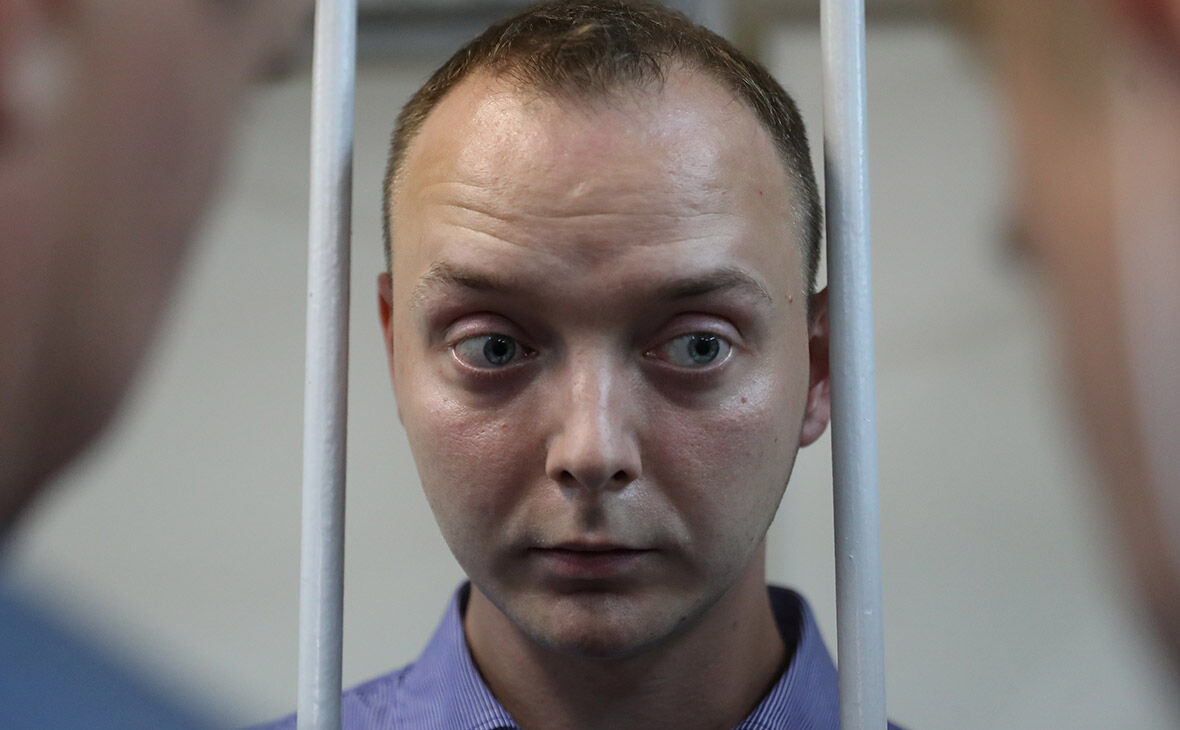

- Investigation August 22, 2022 Investigation: how the security officers came up with the case of Ivan Safronov
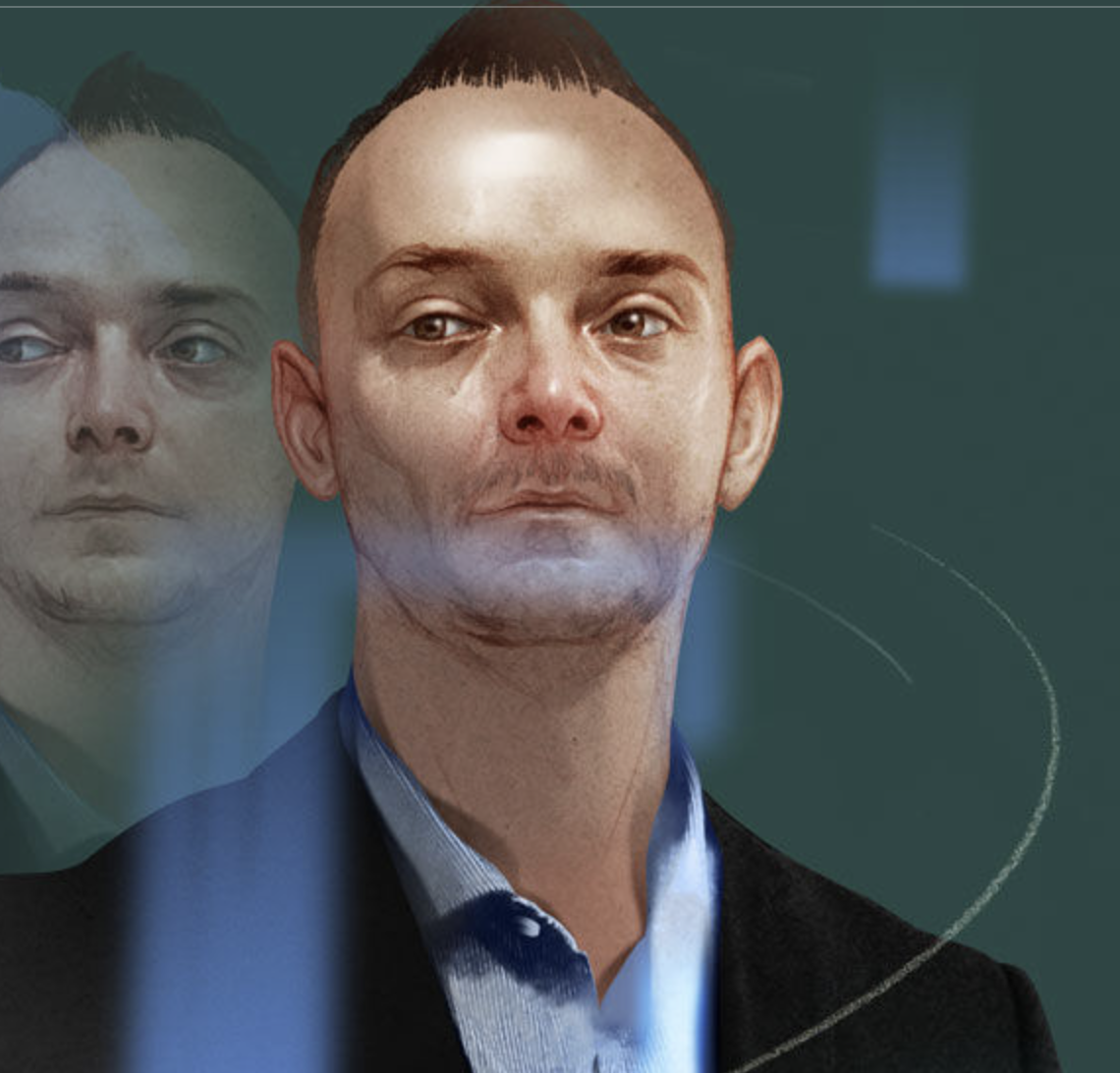

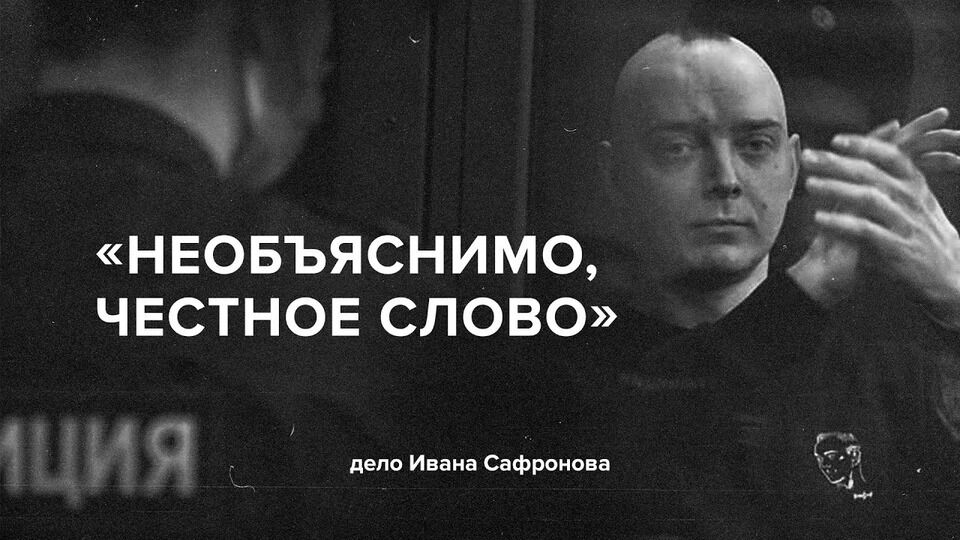
- Video September 5, 2022 “Inexplicable, honestly.” The case of Ivan Safronov // “Tell Gordeeva”

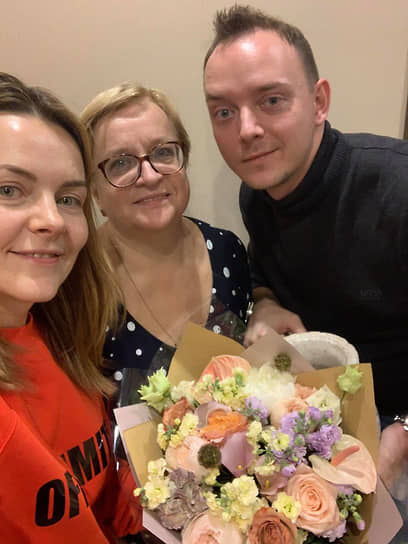
- Interview September 5, 2022 How Elena Safronova survived the death of her journalist husband and is waiting for the release of her son Ivan

- Case card Memorial recognized Ivan Safronov as a political prisoner
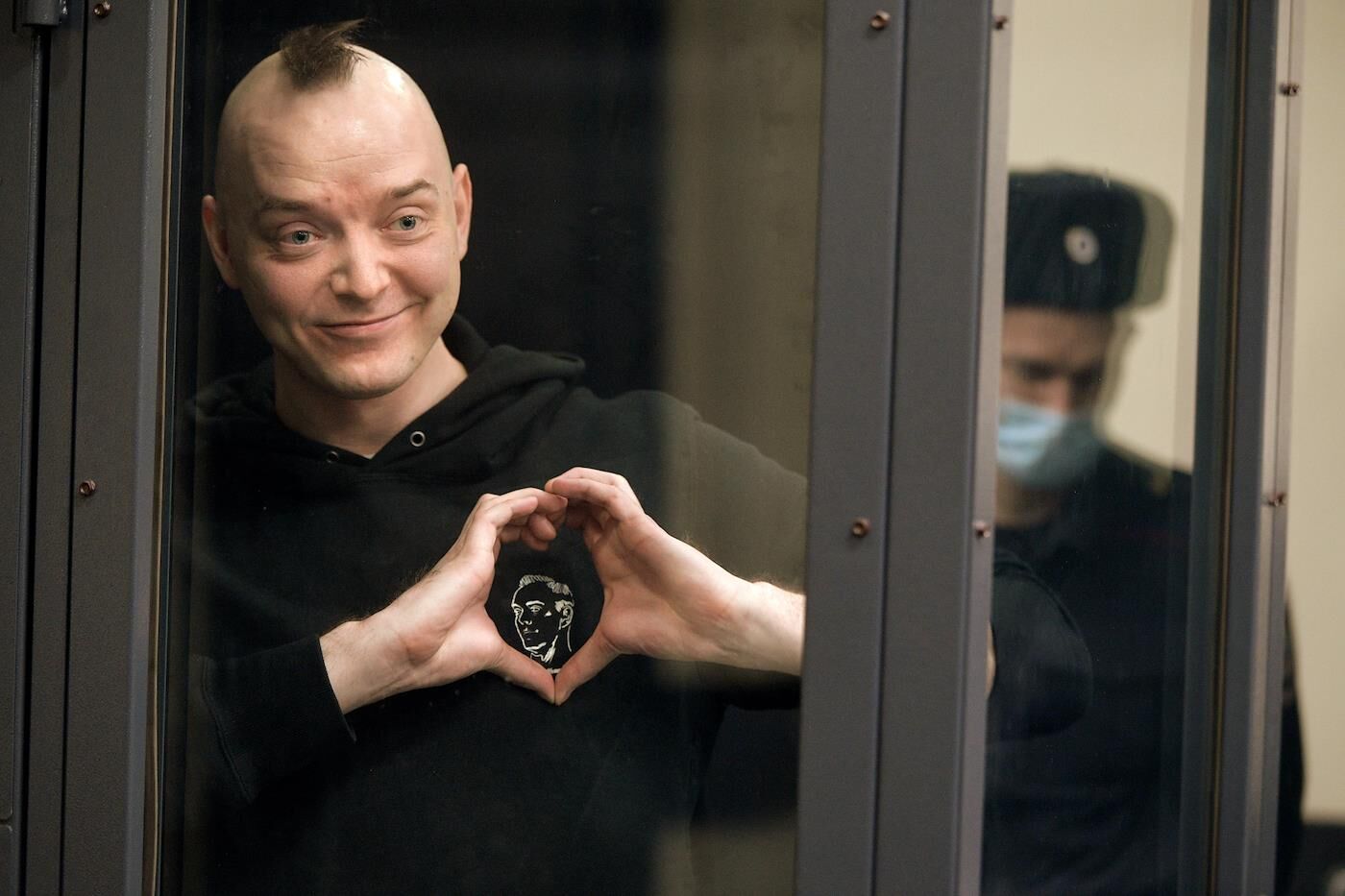

- Last word August 30, 2022 “There was no espionage, there was journalism.” Ivan Safronov's last word in court