Translated material
Barcelona
November 18, 2018
The best lowered curbs I've seen are in Barcelona.
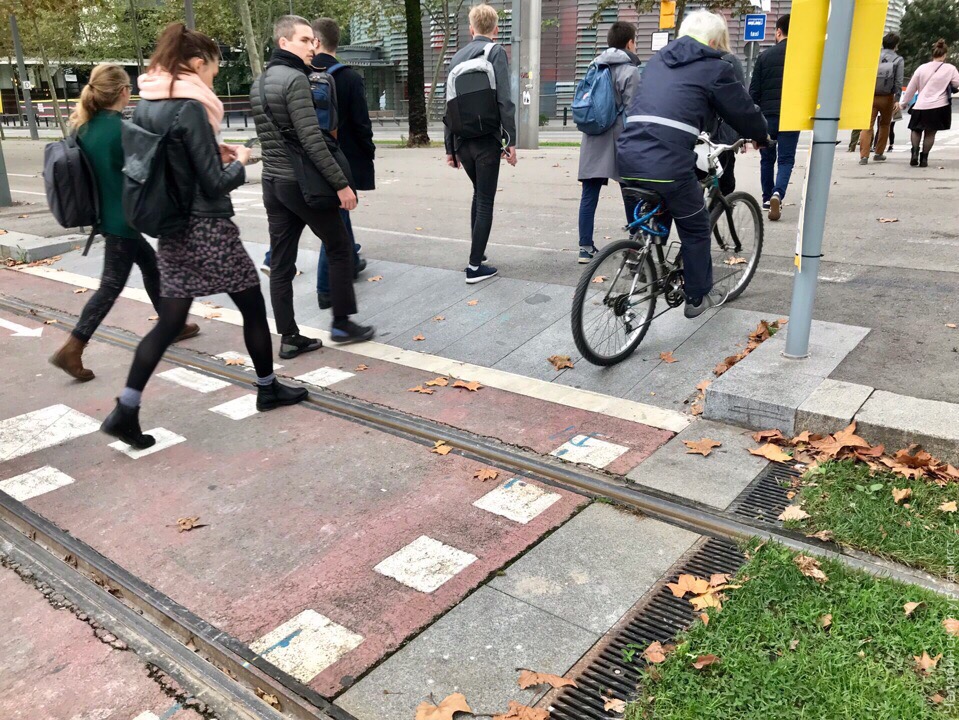
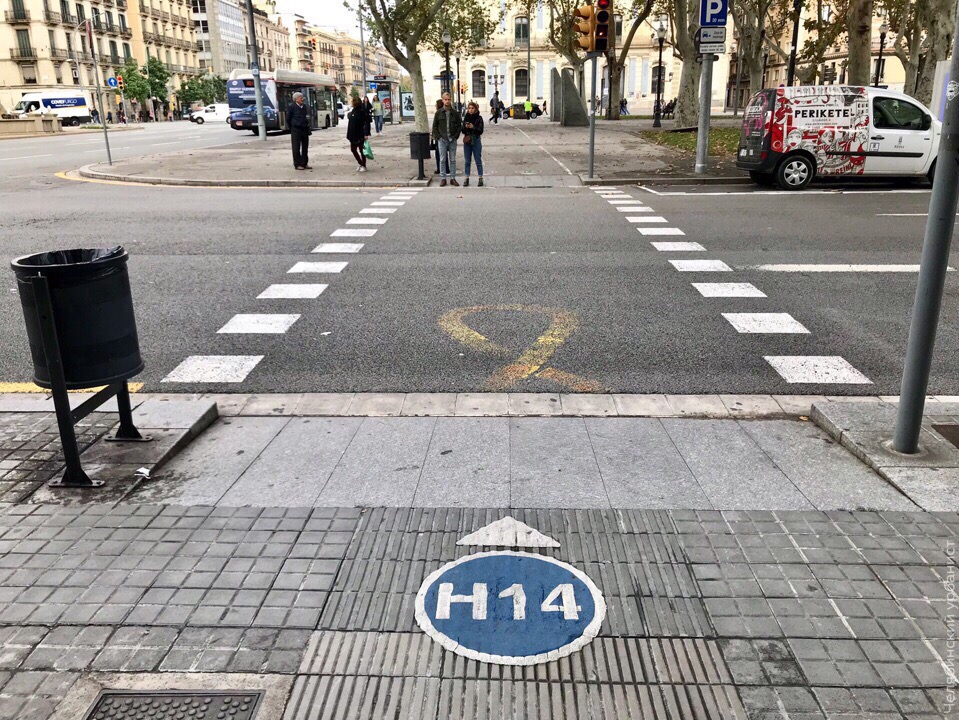
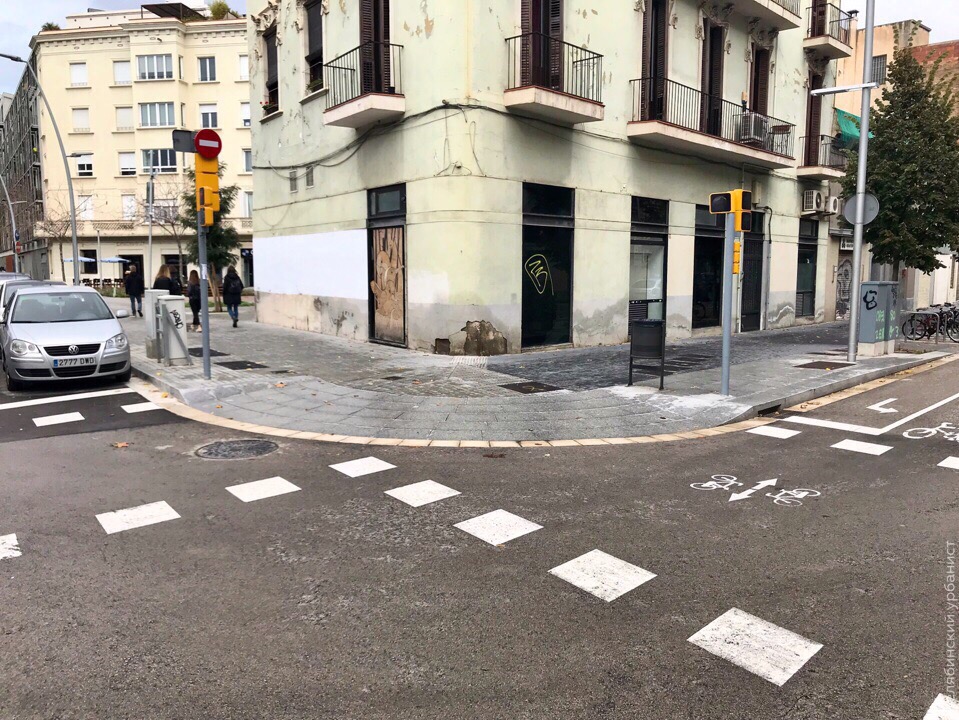
They are made so carefully that even the Germans can only envy. The joints are perfect, the differences are millimeters.
In general, I am pleasantly surprised by the quality of the road work here. Made with love. Approximately such underestimations should be everywhere, regardless of climate and budget.
ps Life hacks for those who are planning to slide off them under cars in winter:
- Don't step on them until the light turns green
- Go around the understatement from any edge
- Don't go outside in general - it's safer
The chain-link mesh is nervously smoking on the sidelines!
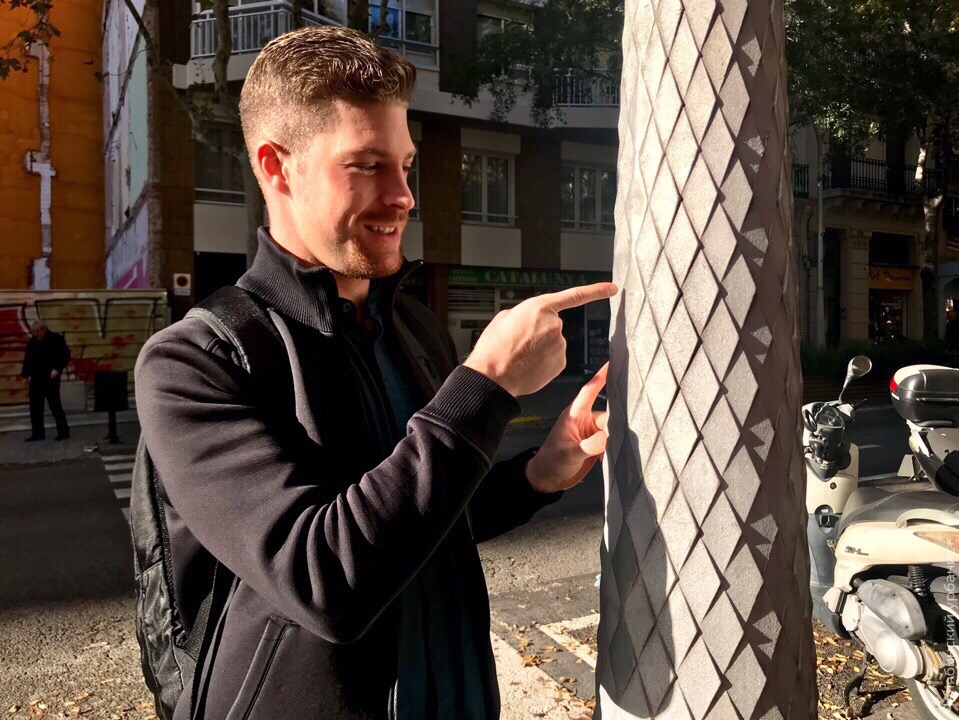
Barcelona has the coolest vandal-proof poles I've ever seen. It is difficult to stick anything on such a ribbed surface. You'll have to wrap it with tape the old fashioned way.
I don’t know if they make these in Russia, but if not, the first plant that can supply the same ones will make good money!
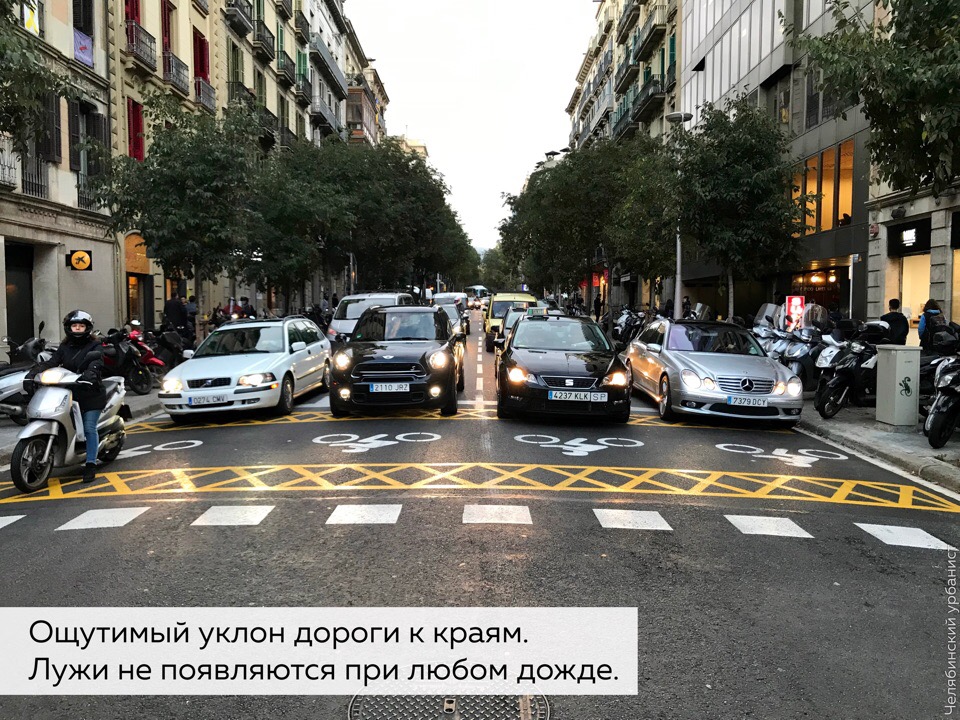
I have collected for you cool and clever things from the urban environment of Barcelona and Valencia. I agree that the heart of Catalonia can be called the capital of urbanism.
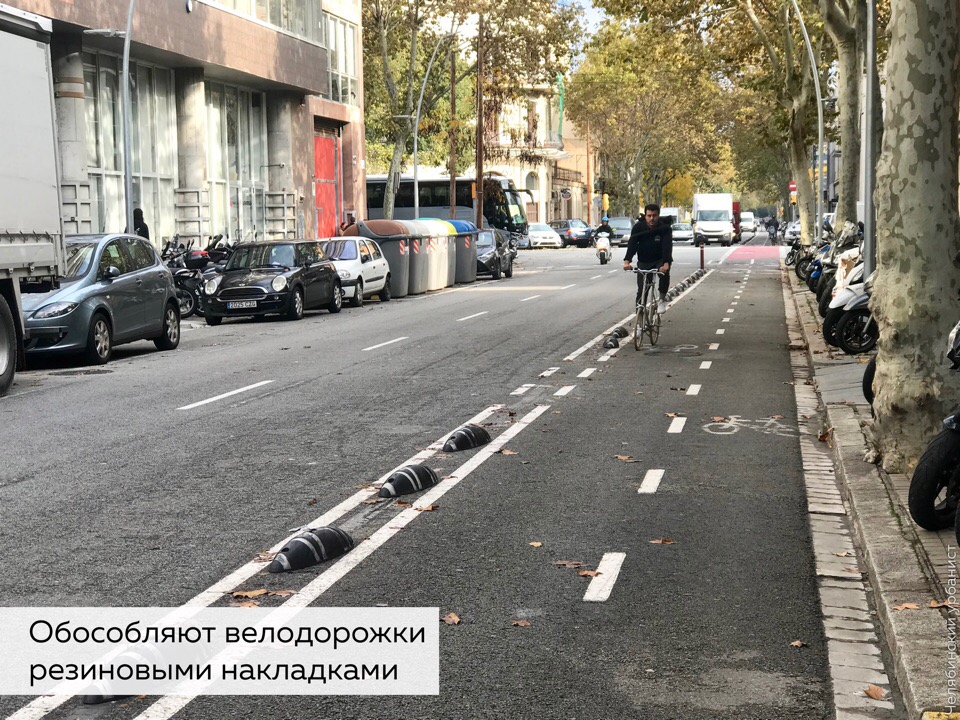
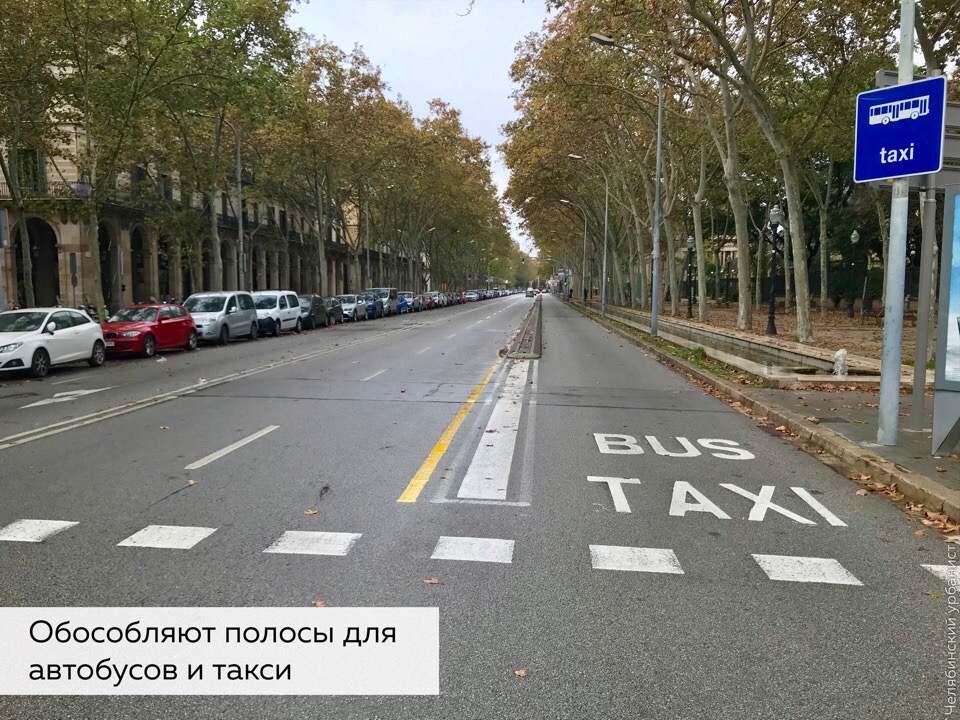
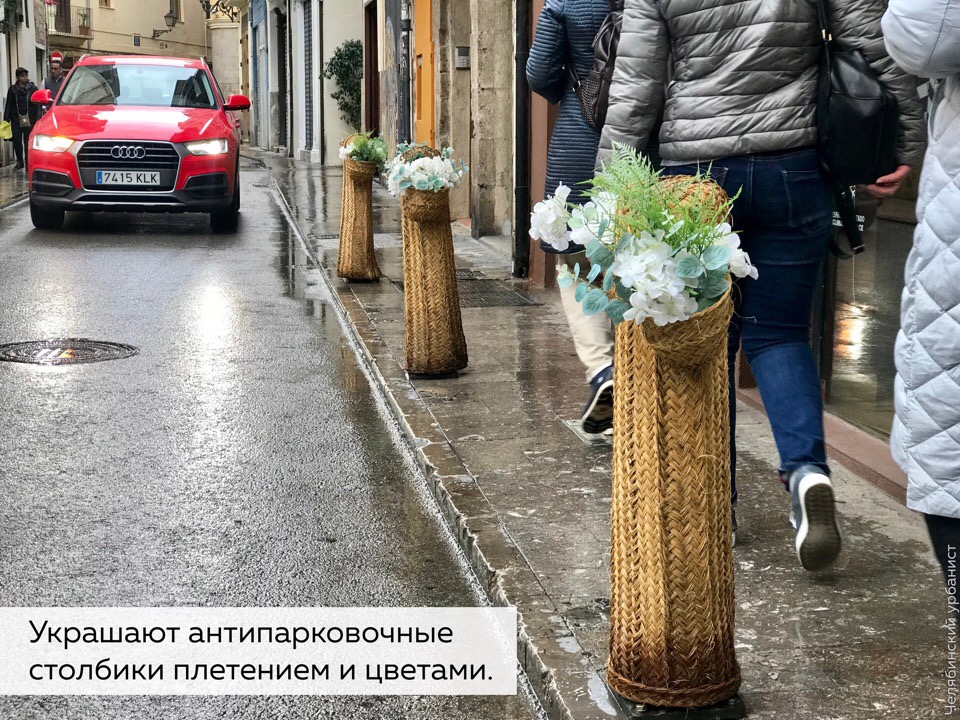
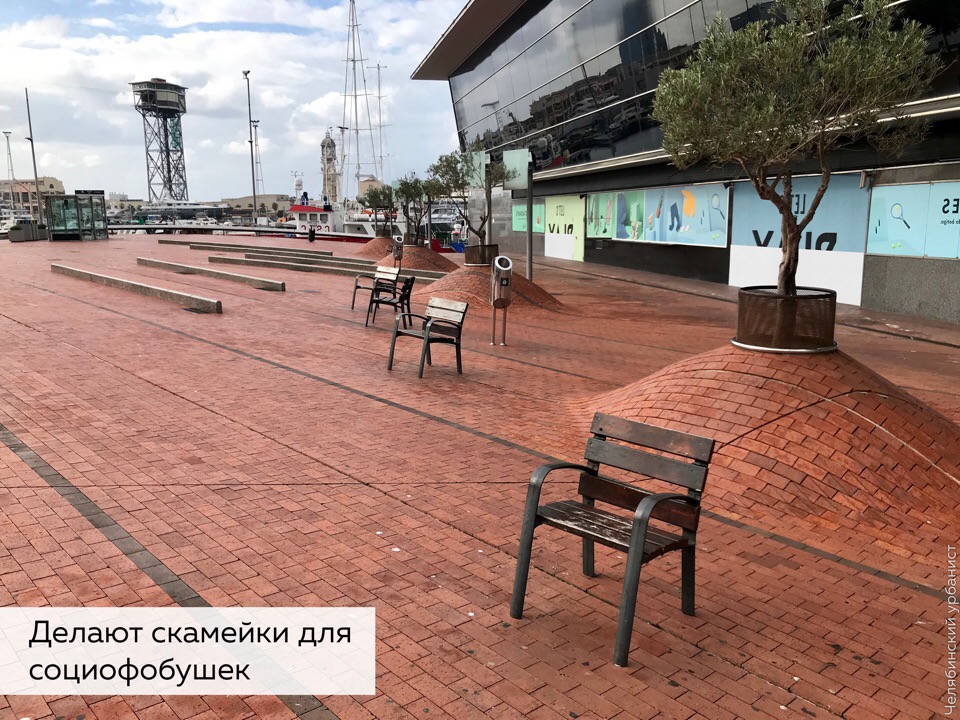
What do you know about the tram? Noisy, cold, slow? Ha ha!
Look at the streetcar in a city that knows how to manage its budget. I’m posting this specifically so that you can train your observation skills and change the concept of the norm in your head:
Europe and Russia have different standards. Because of this, some cities are cozy and beautiful, but sometimes not so much.
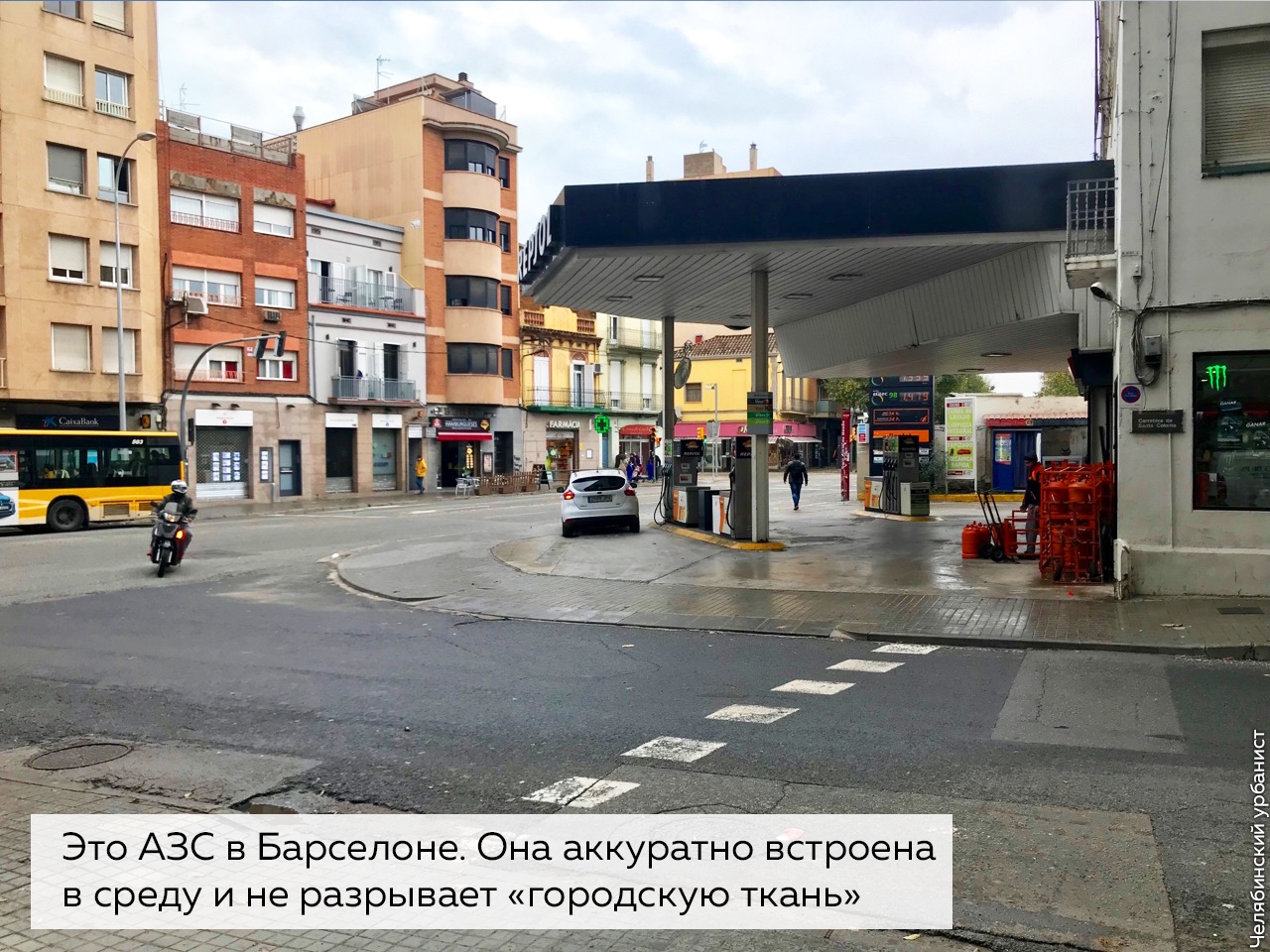
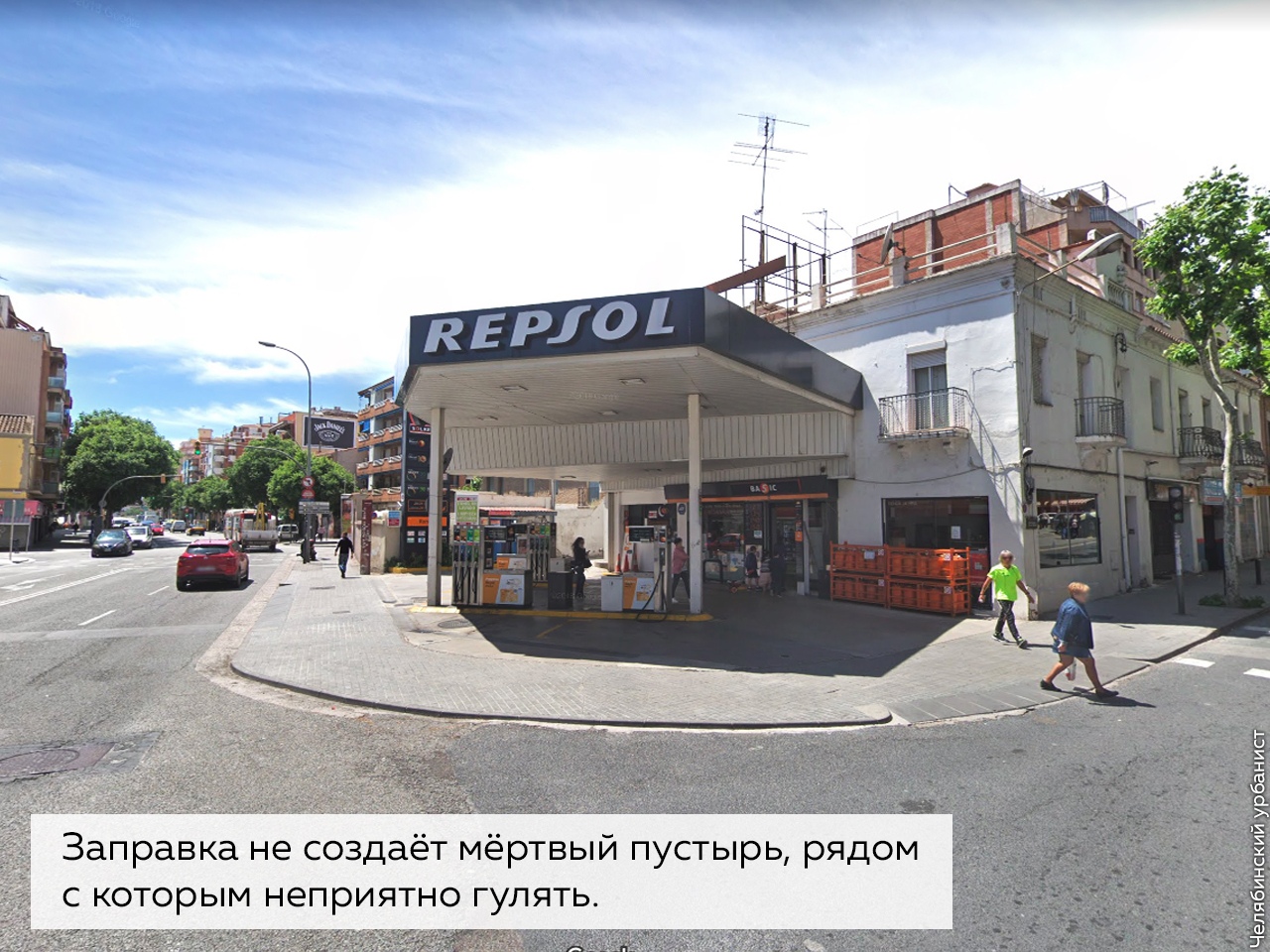
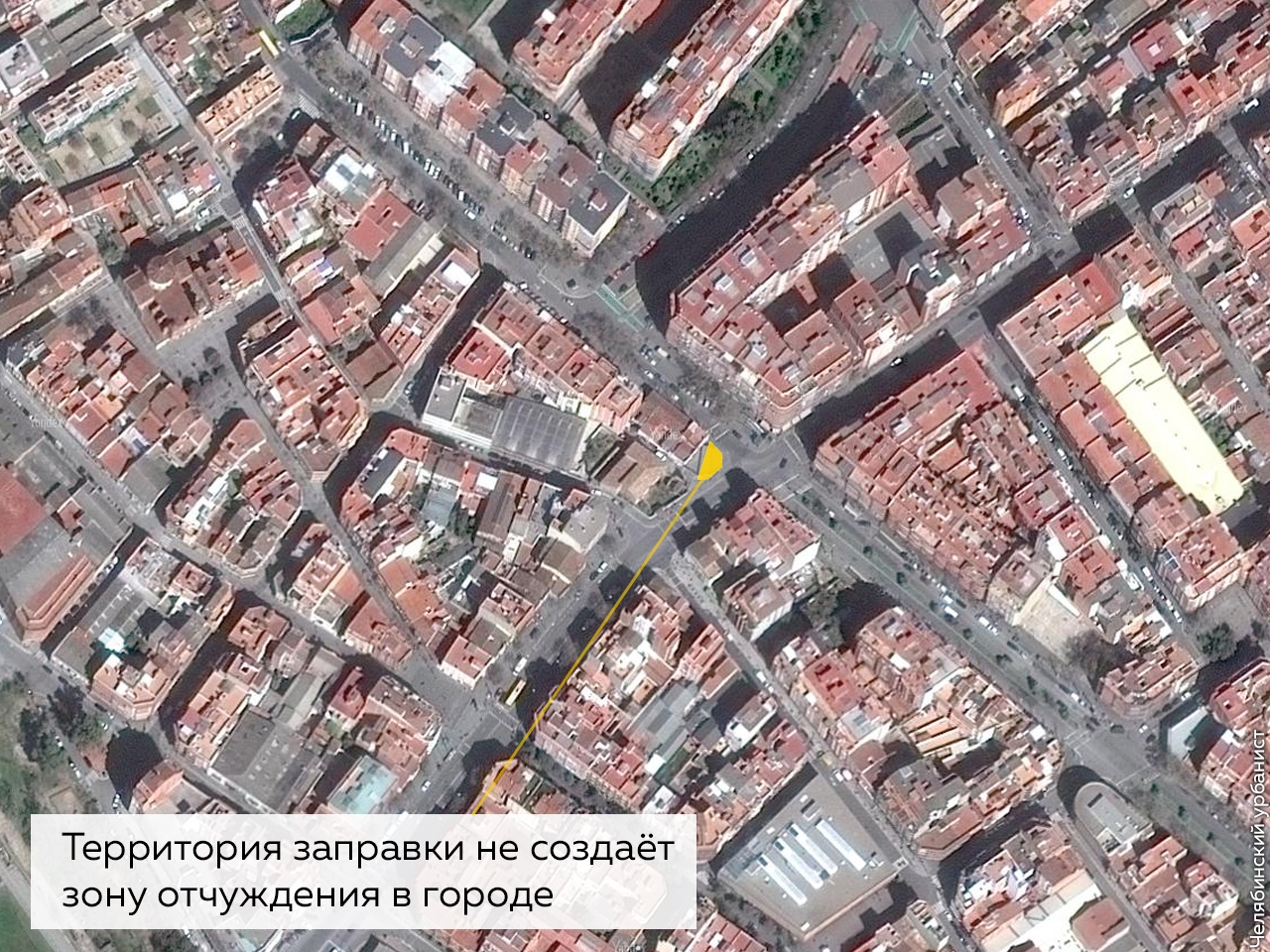
Today we are breaking the concept of gas stations. In our country, these are usually vacant lots with several pumps under a roof, surrounded by painted borders around the perimeter. On the highway you can put up with this, but in the city this format creates an exclusion zone.
When I was in Spain, I noticed that they manage to very compactly integrate gas stations into the urban environment. Obviously, they have different requirements for the joint venture. As a result, they save land on which they can place something else. Let me remind you that densification in the city is very good. This allows you to have all the necessary places within walking distance and not have the need for a car.
Russian cities are very loose. Because of this, we are forced to travel long distances every day. It’s a long walk, so you need cars, which means wide roads, parking lots, which means you need more land for them, and as a result, it’s impossible to achieve normal density. The generated demand for long journeys forces city planners to create standards that prevent the creation of a normal city.
As a result, what we have today: in Russia, developers are required by law to build parking fields next to new houses (because, due to the generated demand, everyone is driving a car), and, for example, in London they are generally allowed to build houses without parking lots.
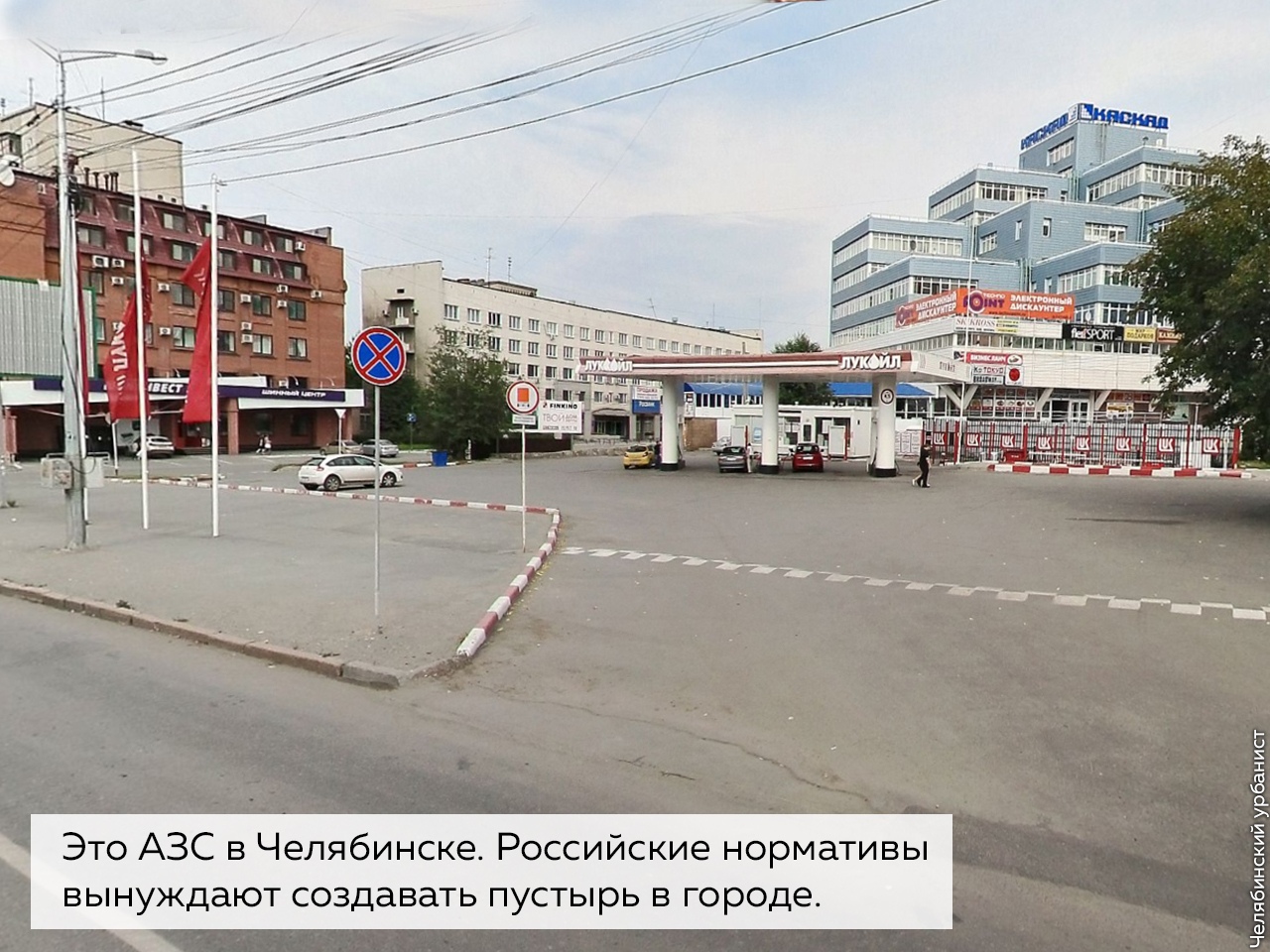
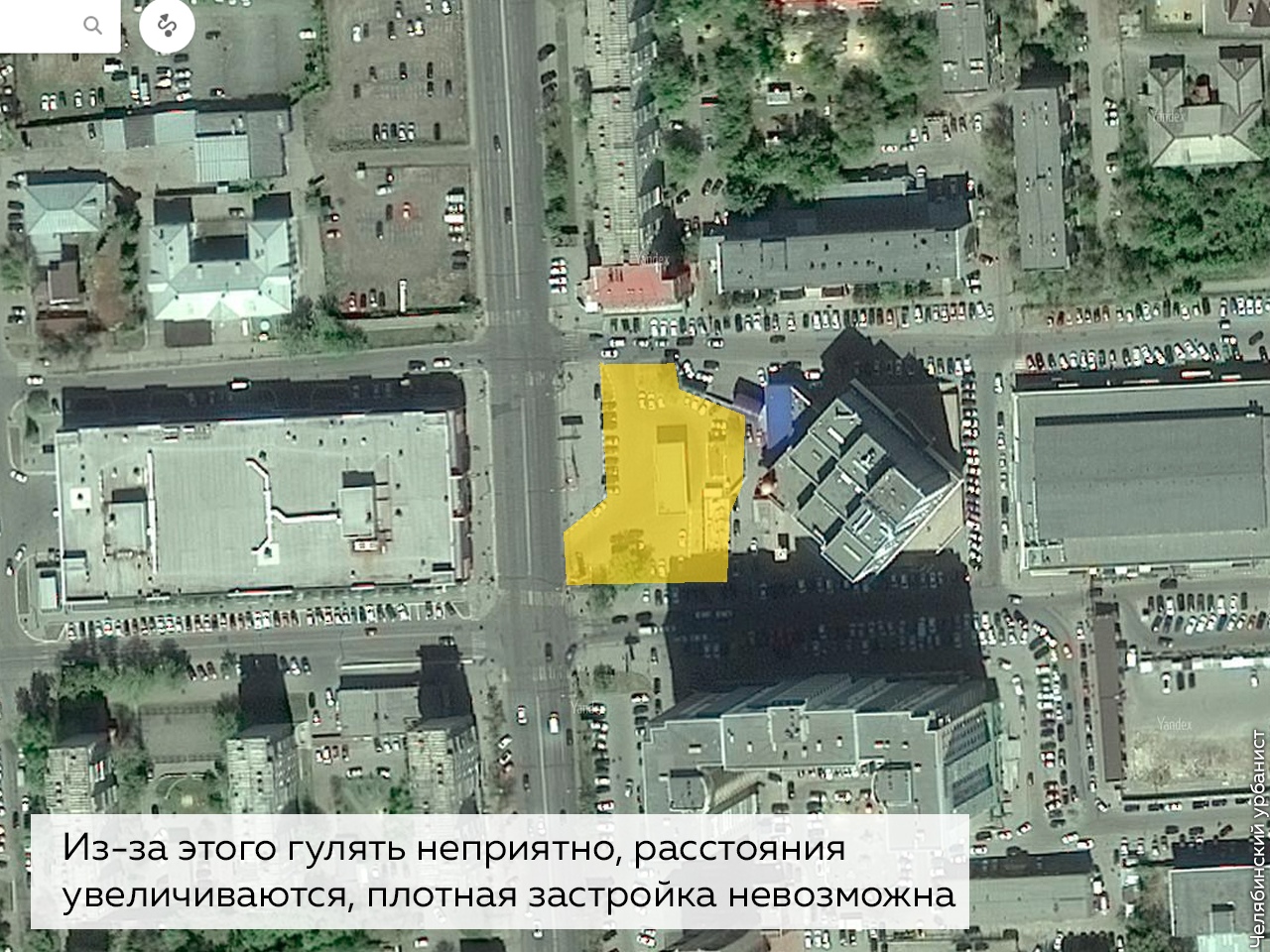
It is difficult to make a loose city comfortable to live in, because it will take a lot of unprofitable public transport to make movement convenient; Also, you need to build a lot of roads, parking lots and junctions and maintain their condition, which sucks money from the budget. And all of the above follows from differences in standards.
Regulations greatly influence the comfort and beauty of our cities, but we rarely think about it. The problem with Russia is that there are still many standards that were half a century ago. During this time, technology has flown forward. The bureaucratic machine does not keep up, and in the case of an ineffective decision-making system in the country, this greatly hinders the development of society.
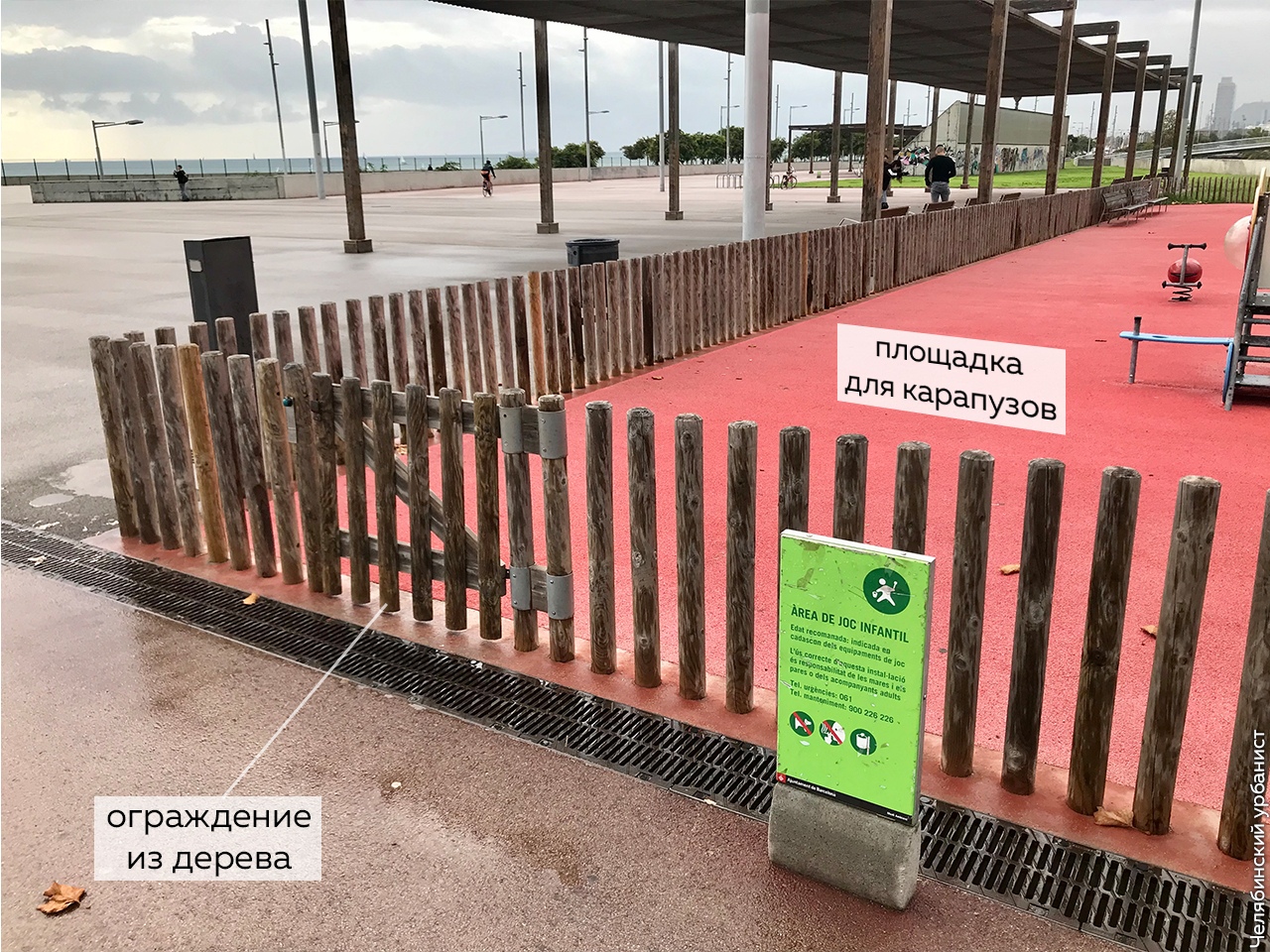
If fencing is inevitable, it must be pleasant.
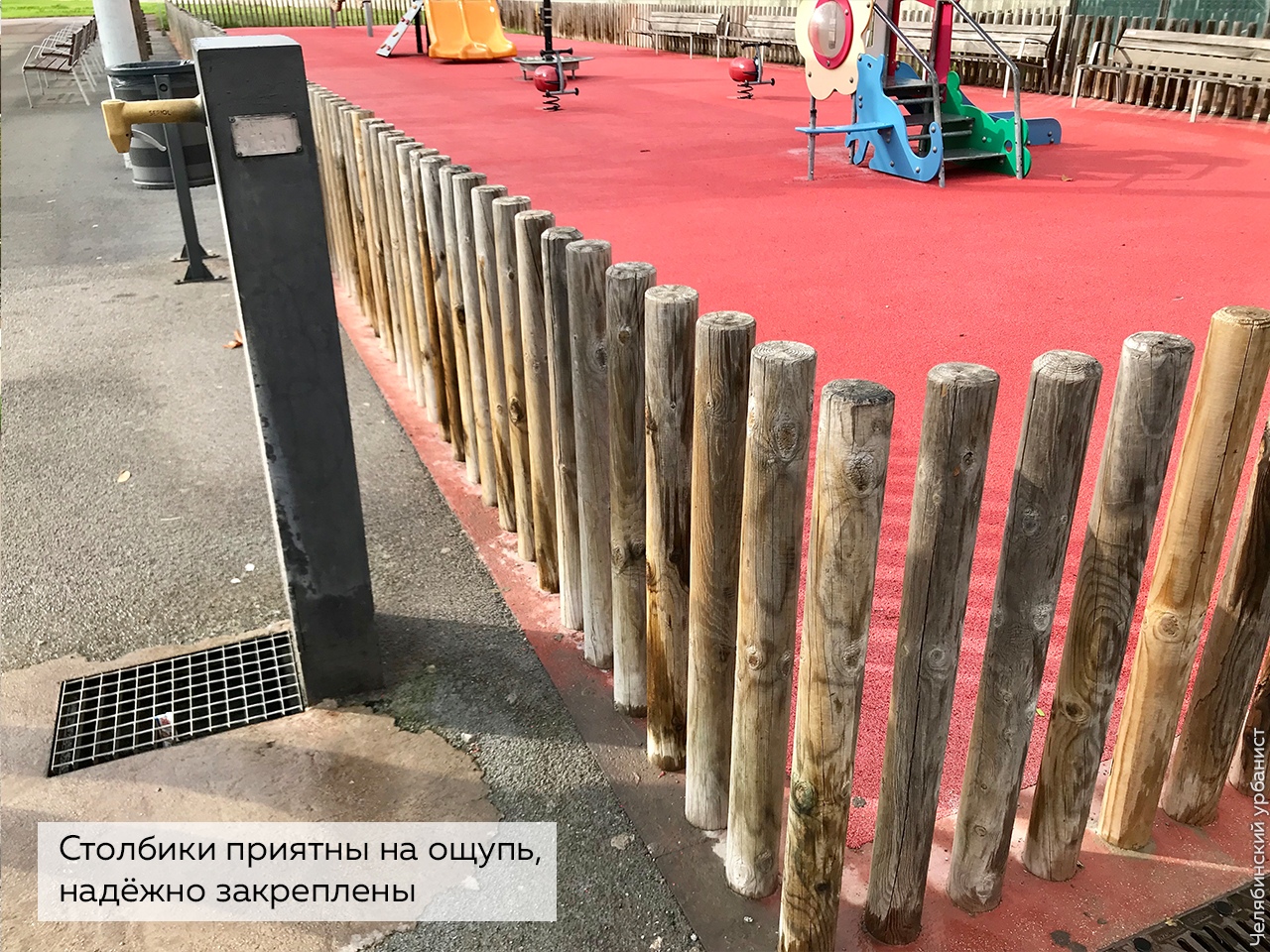
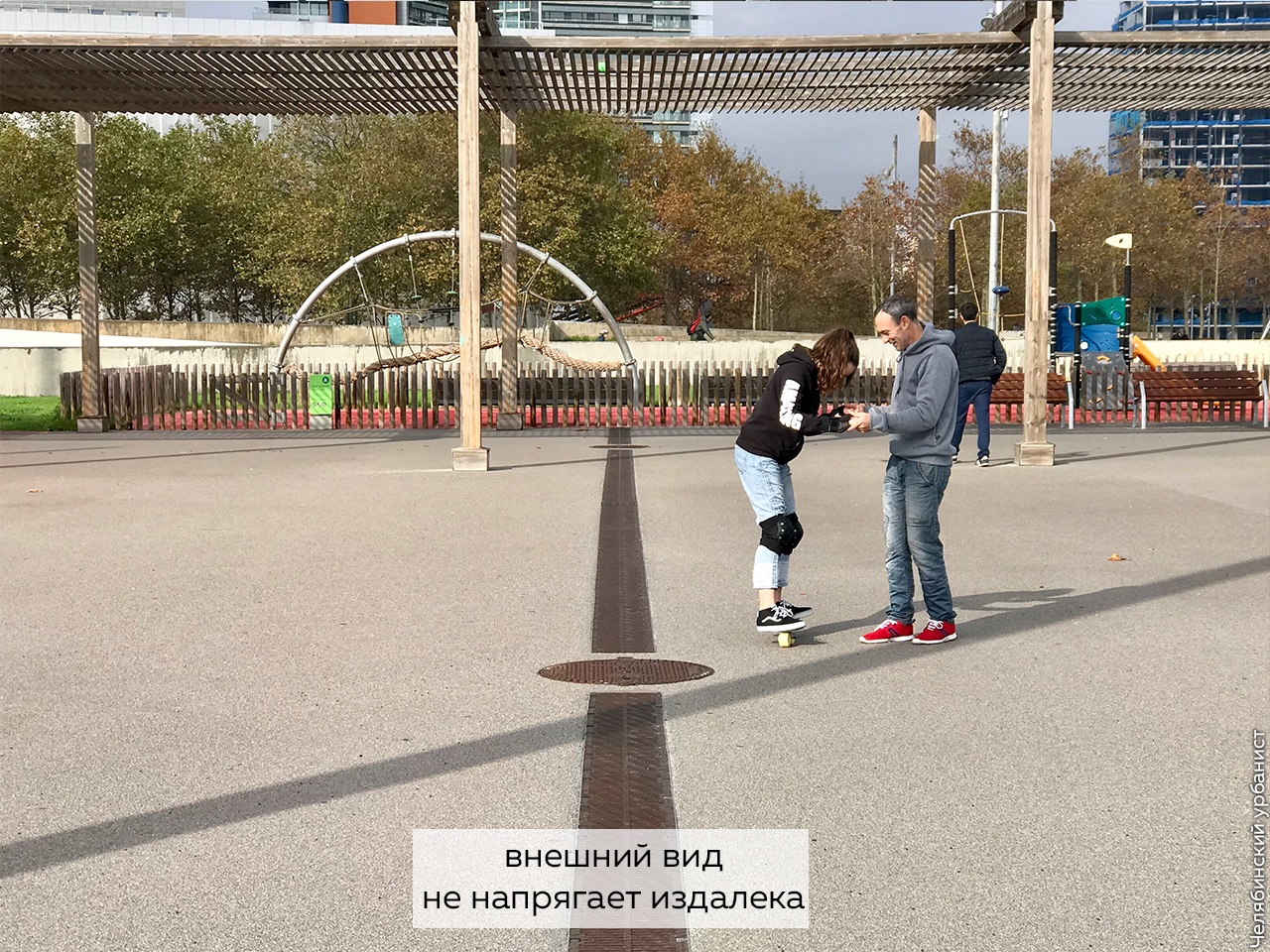
In Barcelona, I found a cool type of playground fencing for the little ones in a public space. Here it is done so that the little ones do not abruptly dissolve in a large crowd of people.
The wood, of course, is not painted here, only processed. It looks rhythmic and does not irritate the eye from afar.