
Translated material
My partner has HIV
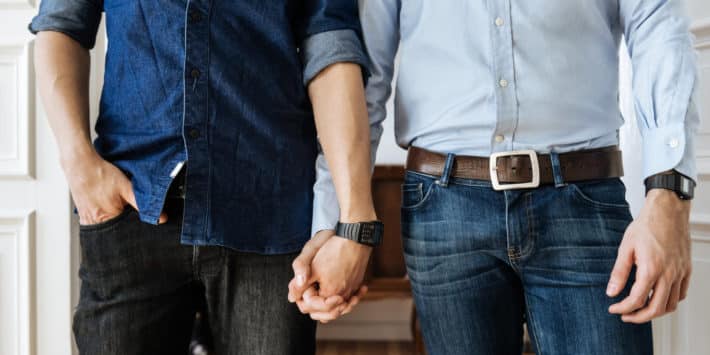
OK, you have HIV, and it’s not very easy, but I want to continue living with you, and it’s important for me to understand how we will do this. What depends on me? How can I help?
Good afternoon. My partner was diagnosed with HIV. As soon as he found out, we started having less sex. He has been gone for 10 months now. This is due to the fact that he says that he doesn’t want to, he doesn’t have excitement. When I touch him, his body begins to twist and becomes unpleasant for him. I don’t know what to do about this and which doctor to go to with him. Tell me what this could be connected with, that there is no sex. I am HIV negative.
The moment of discovering HIV infection is psychologically difficult and a turning point for almost any person. Awareness of one's positive HIV status threatens the duration and quality of life, health, and relationships with a partner. Many people need more than one day or even more than one month to get used to the new state of affairs, understand the situation, learn to help themselves and live with HIV. And, of course, the help of a partner or loved one at this stage is priceless.
Let's try to understand what may be behind the reluctance to have sex. First you need to understand how your partner feels in general. Decreased sexual function can be a symptom of depression (the likelihood of which is very possible when a person is diagnosed with HIV or any serious illness). You can observe whether there are other symptoms of depression: difficulty sleeping (falling asleep and waking up), worsening or other appetite disorders, low mood, reluctance to do favorite things, apathy. If yes, then this is a reason to contact a psychotherapist as soon as possible. At the same time, you can also contact a psychologist who, although he will not prescribe medications, can help you understand how depression arose, what it says, what it protects you from, and how you can get out of it.
If, in other respects, your partner, as it seems to you, has coped with the situation, but only your sex life suffers, then it is important to understand:
a) whether your partner is afraid of infecting you during sexual contact (you can find out about this only by asking him, and then discuss ways to protect yourself from HIV transmission - which is very important in any case);
b) does your partner feel guilty before you and himself for becoming HIV positive. Guilt can be a powerful blocker to sexual desire. In this case, both your confidential conversations and contacting a psychologist can help. A doctor is not needed in such a situation.
What is important on your part:
- try to remain patient and calm, emphasize in the conversation that you are ready to wait, but it is important for you to understand what is happening and help;
- you can ask your partner a question: “How would you help me if this happened to me?”;
- if you love your partner and he is close to you, then be sure to tell him about it; Be close, try to enjoy jointly the situations that are available to your partner now. Perhaps it's a walk in the park together? It is not a substitute for sex, but rather a support for intimacy in a relationship. Closeness, warmth and trust are always the main basis for being able to discuss any problems that arise with a partner;
- no matter how difficult it is, do not blame your partner either for becoming HIV positive or for not wanting sex now; perhaps he blames himself from morning to evening, and this is precisely what prevents him from living a normal life. It is important to help a person live through this guilt and move on.
You can tell your partner something like: “OK, you have HIV, and it’s not very easy, but I want to continue living with you, and it’s important for me to understand how we will do this. What depends on me? How can I help?
Another source of help can be a variety of resources for PLHIV—people living with HIV. These are websites of specialized organizations, groups on social networks, support groups at AIDS centers or HIV service organizations.
Your partner has found himself in a new situation: he still knows little about his problem and may not understand how to live with it. At the same time, millions of people are living well with HIV and could share their experiences if asked. It may be difficult for your partner in his condition to seek such contacts - but this is where you could help.
I wish you patience and optimism - and I hope that, having coped with his new condition, your partner will be able to return to normal life, enjoy sex and more!
Answered the question: Sabunaeva M.L., Candidate of Psychological Sciences
Related materials:
DISCORDANT GAY COUPLE: THE BEGINNING OF A RELATIONSHIP
SEX IN DISCORDANT COUPLES
SEX ISSUES IN DISCORDANT COUPLES (partners have different HIV statuses)