
Translated material
Myths about fitness
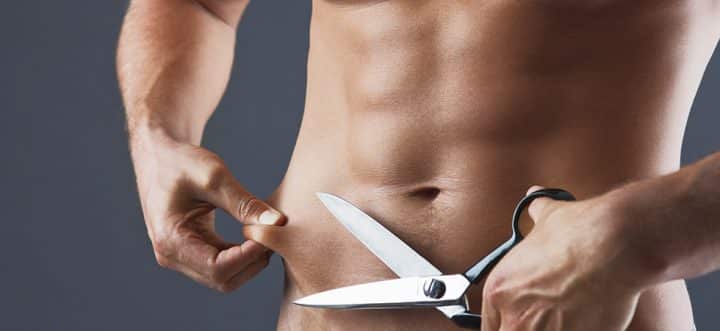
There are many myths about fitness floating around the Internet that beginners readily believe. The most common ones are listed below. Don't give in and don't believe the myths!
Muscles should ache after training
Muscle pain is considered an indicator of the effectiveness of training. However, pain is just the result of muscle microtrauma as a result of excessive stress; this means that you followed the wrong technique, did not warm up enough, or did the exercises incorrectly. The idea that pain is mandatory is erroneous.
Muscle pain can be relieved by stretching
Stretching at the end of a workout cannot eliminate the resulting microtraumas and relieve pain. Stretching in fitness is needed to give muscles elasticity.
Longer training is more effective than shorter training
The duration of a fitness class along with warm-up and stretching should not exceed 1.5 hours. Classes for 3-4 hours in the gym only overload the body and lead to overtraining.
You should exercise more often
Muscles need 2-3 days to recover after intense exercise. If there is insufficient time to rest, the body will react negatively. Proper adaptation to the new regime is especially important for beginners.
Local weight loss is possible
Many beginners believe that doing exercises for “problem” areas will ensure weight loss in them. However, fat is burned primarily from the face, neck and arms (and décolleté in women). Problem areas are the last to lose weight. You should lose weight gradually, at a rate of about 0.4 kg per week, otherwise fat will begin to accumulate in the most unwanted places.
To get a six-pack, you need to pump up your abs.
This is a misconception. The cubes will become visible only when the fat layer in the abdominal area disappears.
If you train, it doesn’t matter what or when you eat.
To achieve results, you need to eat properly and balanced. There is a risk of going over the calories of food based on the calories burned during training. It is necessary to maintain a balance of proteins, fats and carbohydrates calculated individually based on personal parameters and goals.
Eating fast food and alcohol after a workout will not help maintain and improve your health.
The greenhouse effect will burn more fat
A common misconception is that thermal underwear, neoprene suits and plastic wrap will help you burn fat during your workout.
By doing all this, you will only sweat intensely and lose water. As a result, dehydration may occur, including loss of consciousness.
The main thing is the scale readings
You should not rely solely on the scale readings when evaluating results. It is much better to use a tailor's centimeter and measure the volumes. You can also conduct bioimpedance measurements in a specialized center or calculate the ratio of fat and muscle mass using certain formulas.
Muscle has fewer calories than fat, so weight gain can occur as fat is converted to muscle.