
Translated material
War
1562nd day. A plan for Russian-Ukrainian negotiations is being discussed in Europe
Since February 24, 2022, Meduza has been broadcasting live about the Russian-Ukrainian war. We publish your letters every day because we are sure that we need to continue talking about the war. Share with us your thoughts about the war. What feelings are you experiencing? How does war affect your life and your attitude towards the world? If you have a story related to the war, tell it . The feedback form is at the end of this article. A review of the previous day can be read here .
World
Representatives of Europe's three largest economies - Germany, France and the UK - together with Ukraine are developing a plan on how to organize peace negotiations with Russia, sources told Bloomberg.
European countries believe that now is a good moment to try to bring Moscow to the negotiating table with Kiev with the participation of Europe. In their opinion, this is facilitated by the deadlock at the front, growing Russian losses, as well as a prolonged pause in the negotiation process, which was mediated by the United States.
Additional pressure on the Kremlin comes from Ukrainian drone attacks on Russian rear areas. In addition, there are reports that even high-ranking Russian officials from the Ministry of Finance and the Bank of Russia are dissatisfied with the ongoing war.
The final decision on negotiations with Vladimir Putin, the agency’s interlocutors say, remains with the President of Ukraine Vladimir Zelensky. European countries will not pressure him into adopting a strategy with which he does not agree.
British Prime Minister Keir Starmer is expected to discuss peace talks with German Chancellor Friedrich Merz and French President Emmanuel Macron in the coming days.
The day before, Starmer spoke by phone with Zelensky. According to the Ukrainian leader, he, among other things, discussed with the British prime minister “our joint diplomacy with Europe,” which is designed to bring the end of the war closer. “Europe needs its voice, its position, its contribution to all diplomatic efforts that can be made to end the war,” Zelensky added. “We coordinated exactly how to achieve this.”
At the same time, it is unclear whether Putin is ready to negotiate with the participation of Europe. Since the beginning of the war, he has repeatedly accused European countries of being involved in Ukraine's attacks on Russia. And although US President Donald Trump has retreated from negotiations to end the Russia-Ukraine war to focus on Iran, Putin likely still views Washington as the most important broker for an agreement that meets Moscow's demands.
On the other hand, Putin has repeatedly asserted that he is ready for negotiations and ending the war (albeit on Russia’s terms). He recently named former German Chancellor and his close friend Gerhard Schröder as his “preferred negotiator” on Ukraine. The German government rejected this proposal.
Opponents of the idea of negotiations believe that the time has not yet come for them. In their opinion, Putin does not demonstrate a serious readiness for dialogue and continues to put forward maximalist demands, including the cession of Ukrainian territories that Russia does not control.
Instead of negotiations, Kyiv’s allies, opponents of this idea believe, should seize the moment: transfer the necessary weapons to Ukraine and tighten sanctions against Russia. In their opinion, it is not Europe that should ask Putin for meetings, but, on the contrary, Moscow should look for an opportunity to resume negotiations.
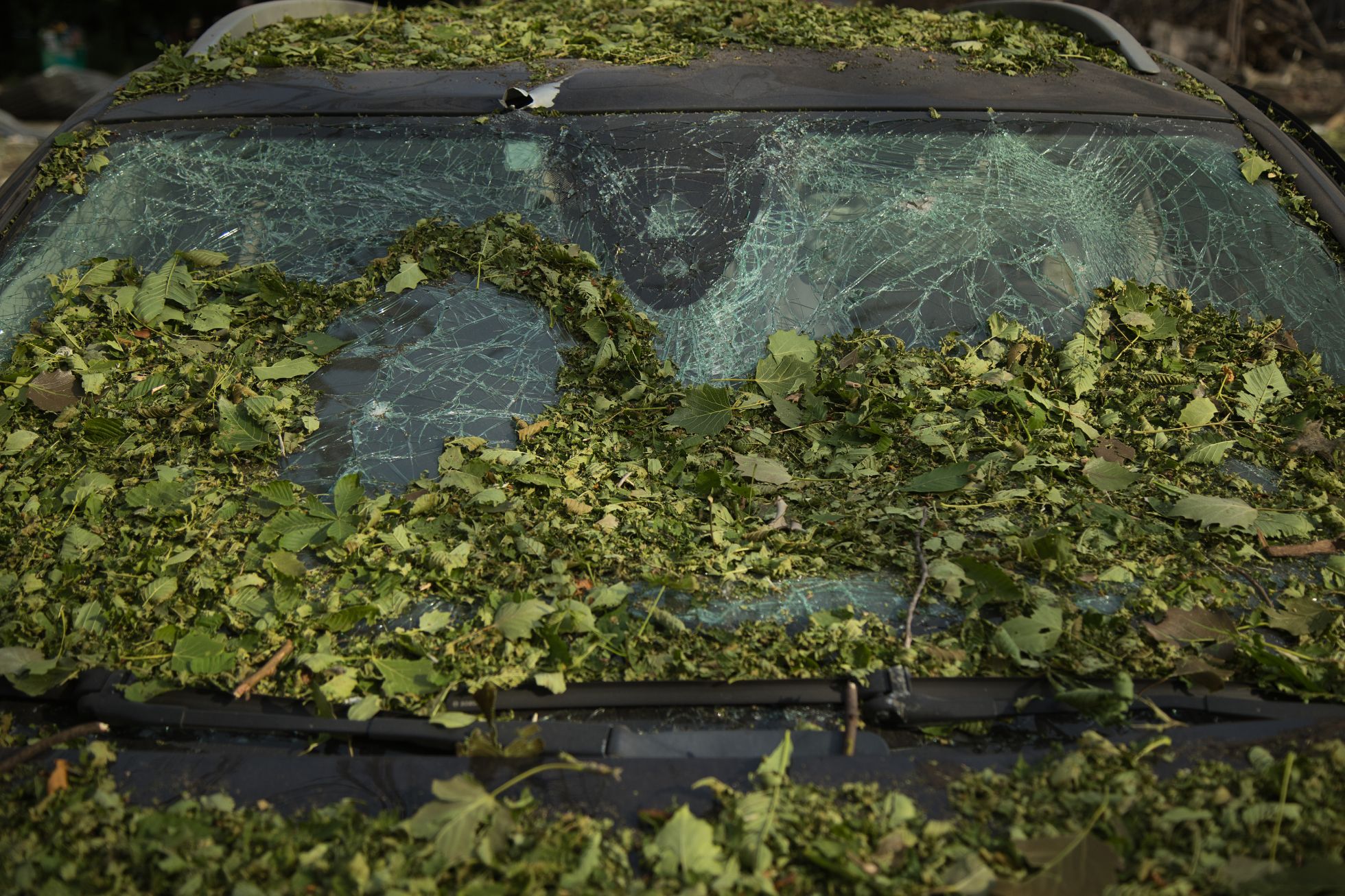
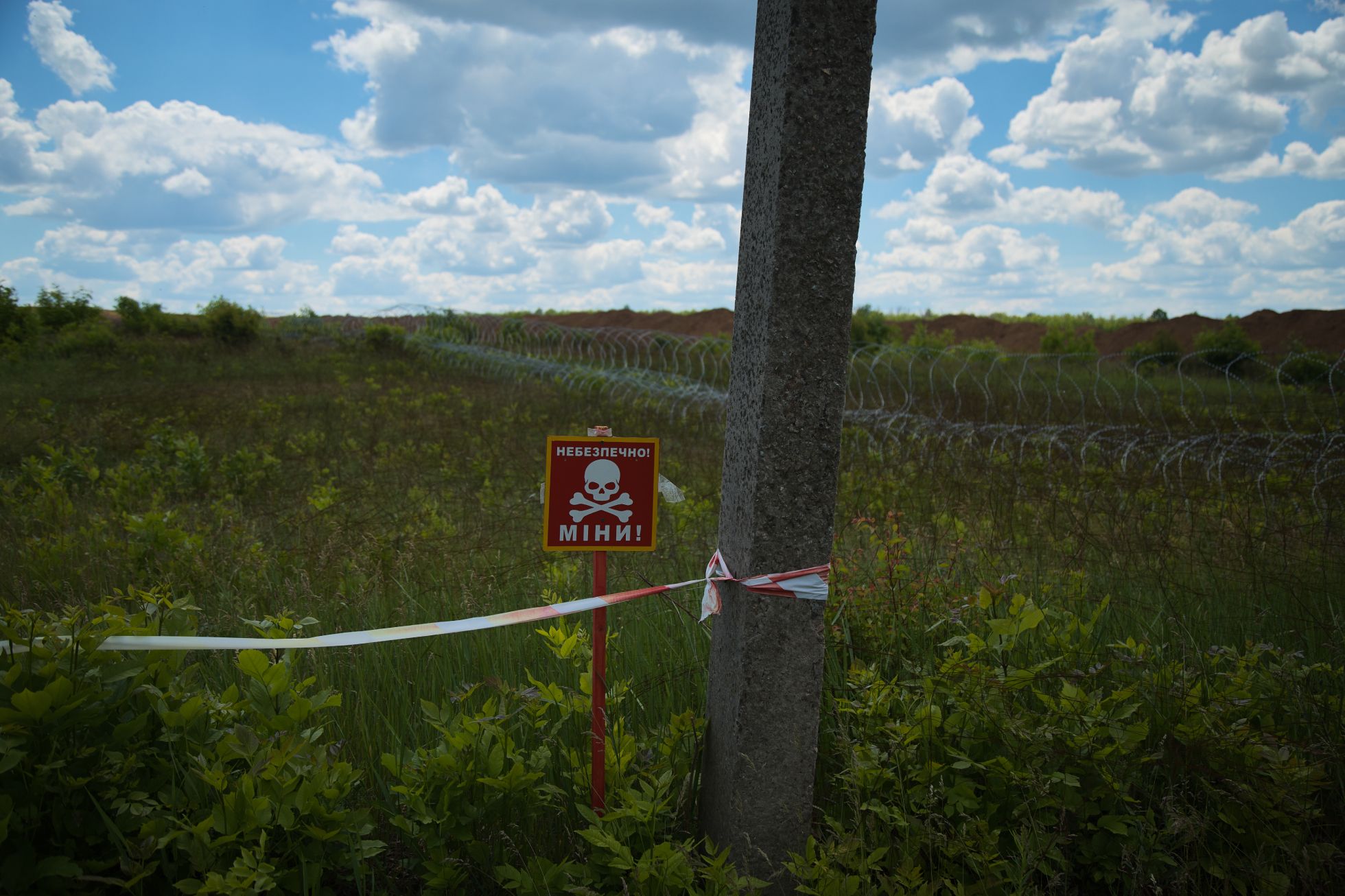
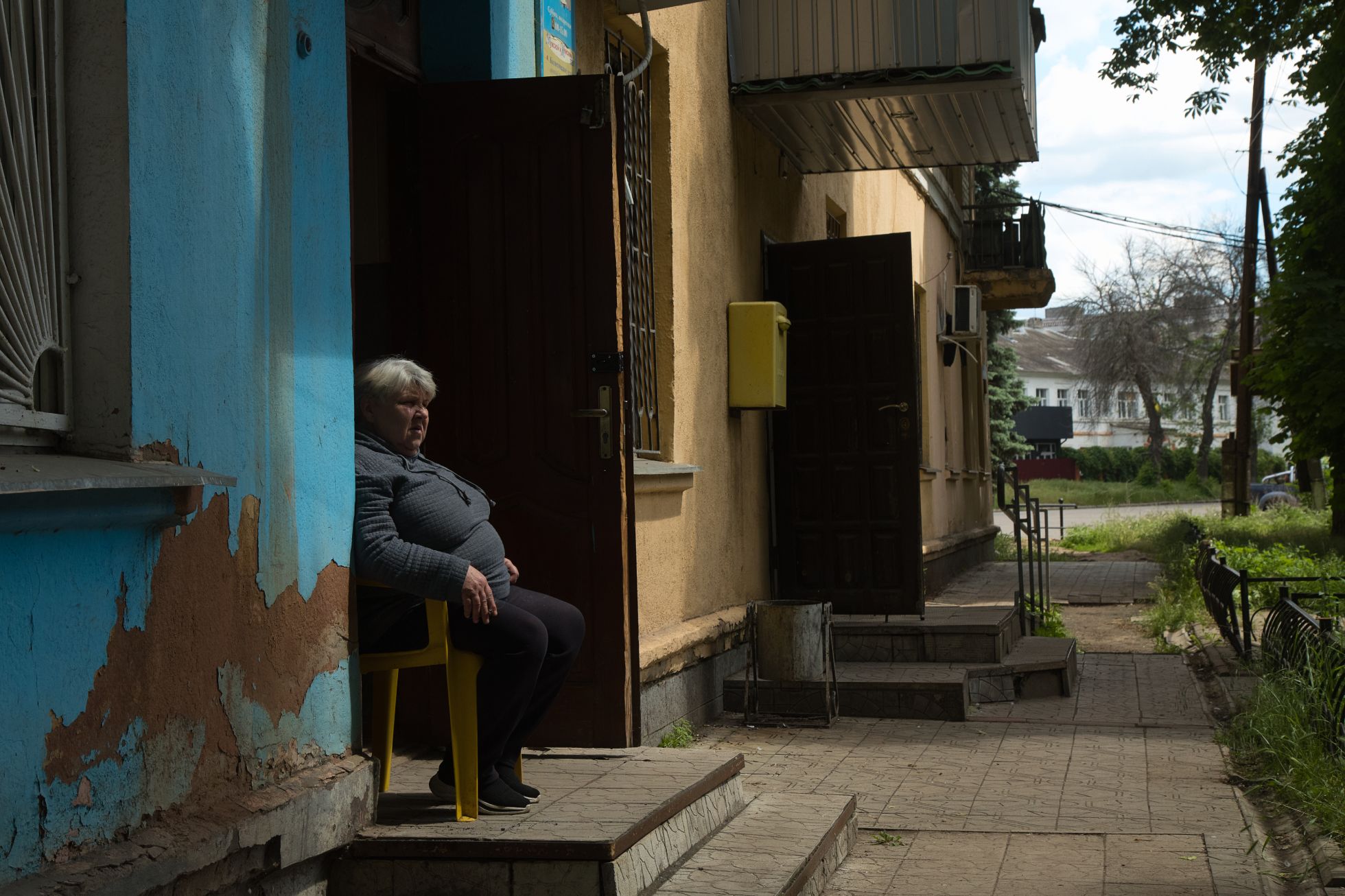
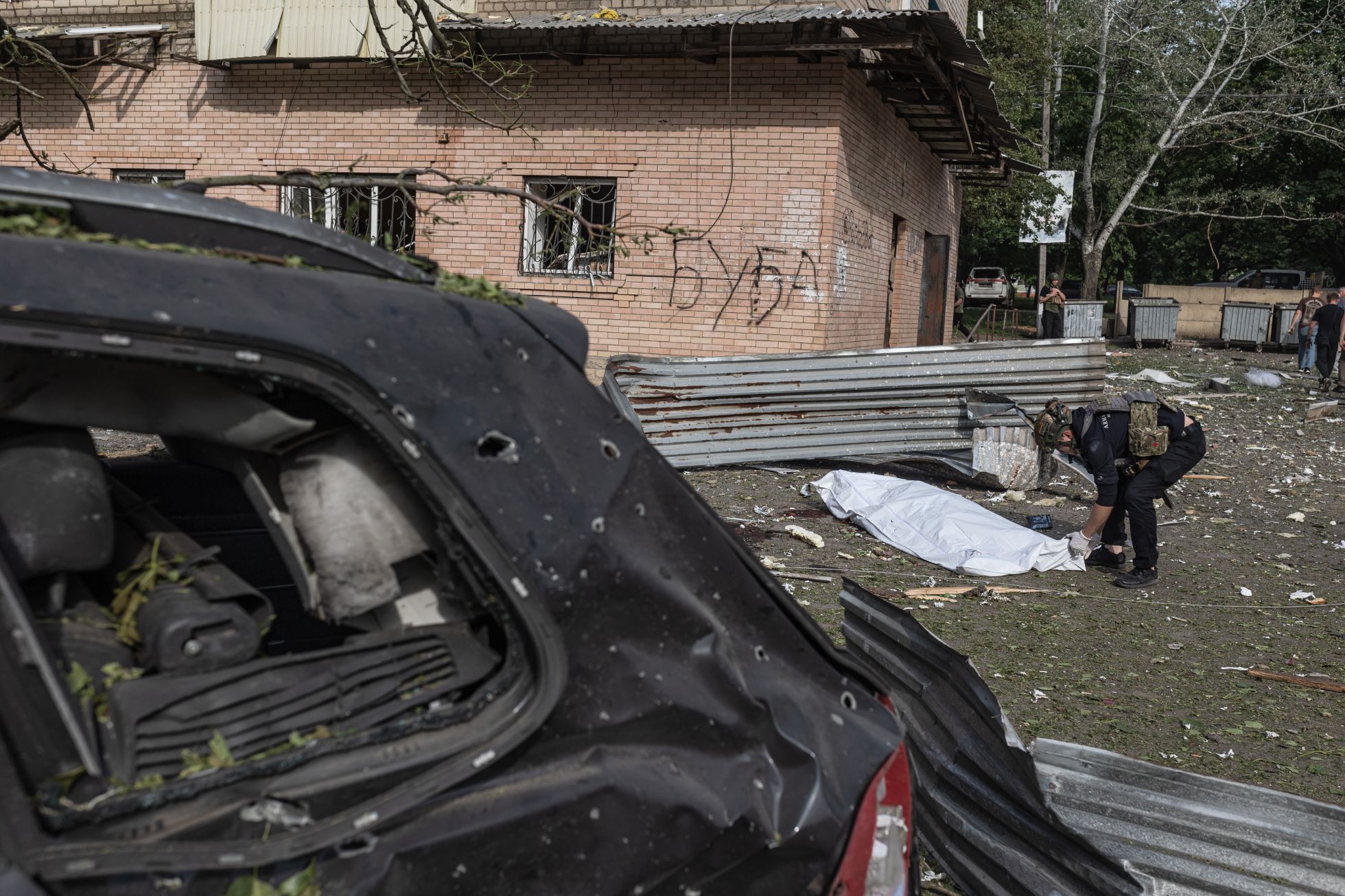
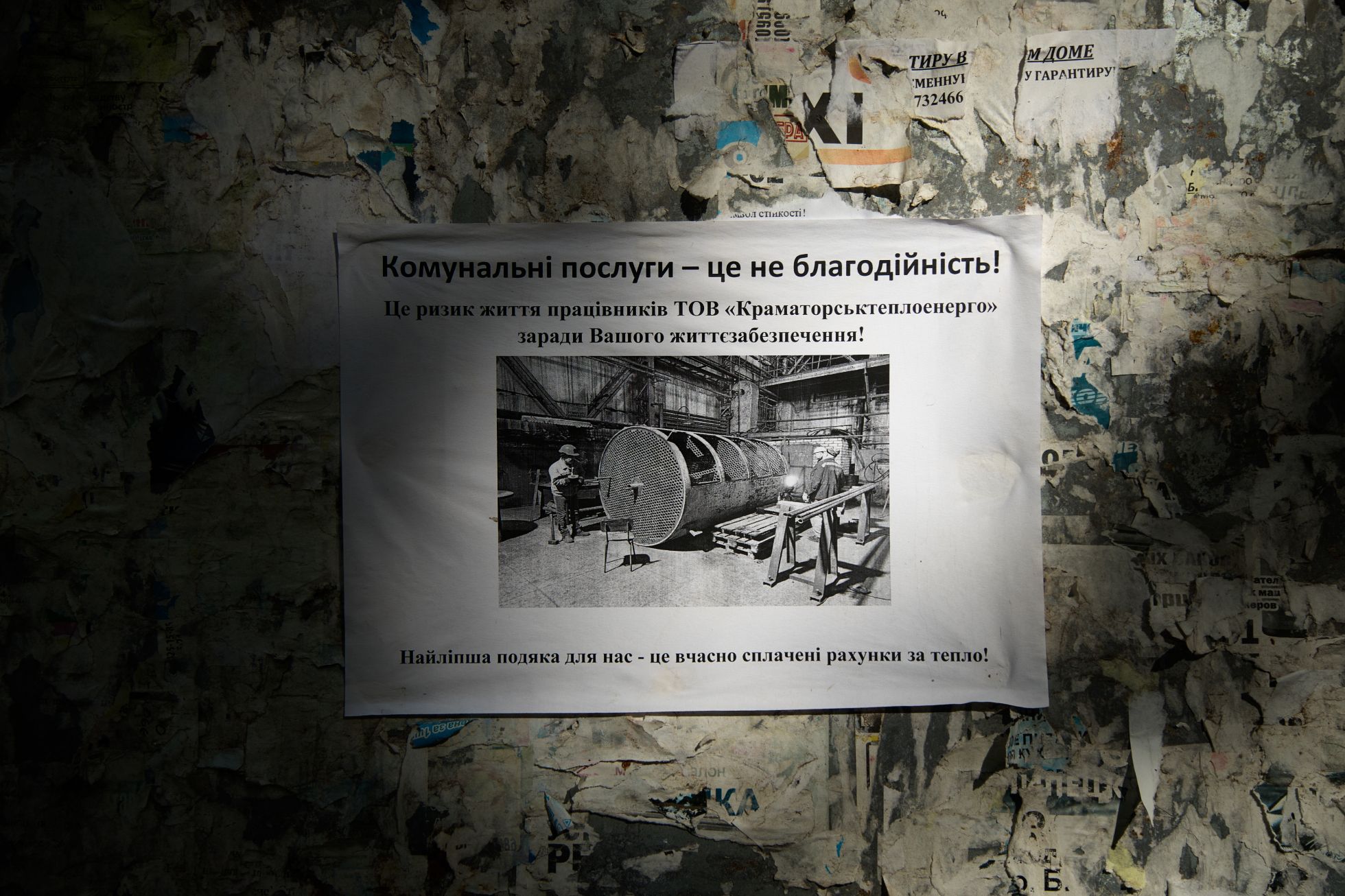
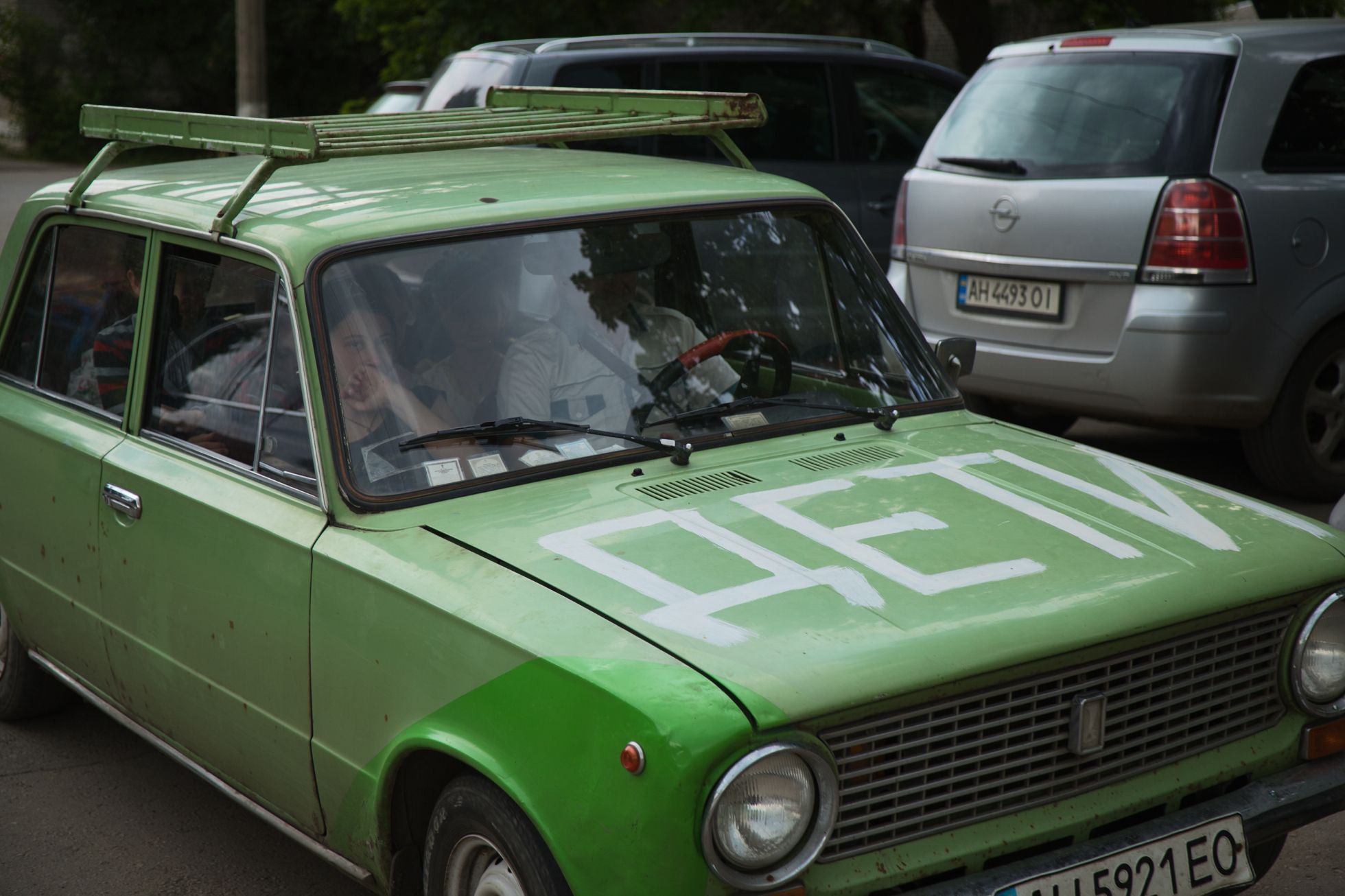
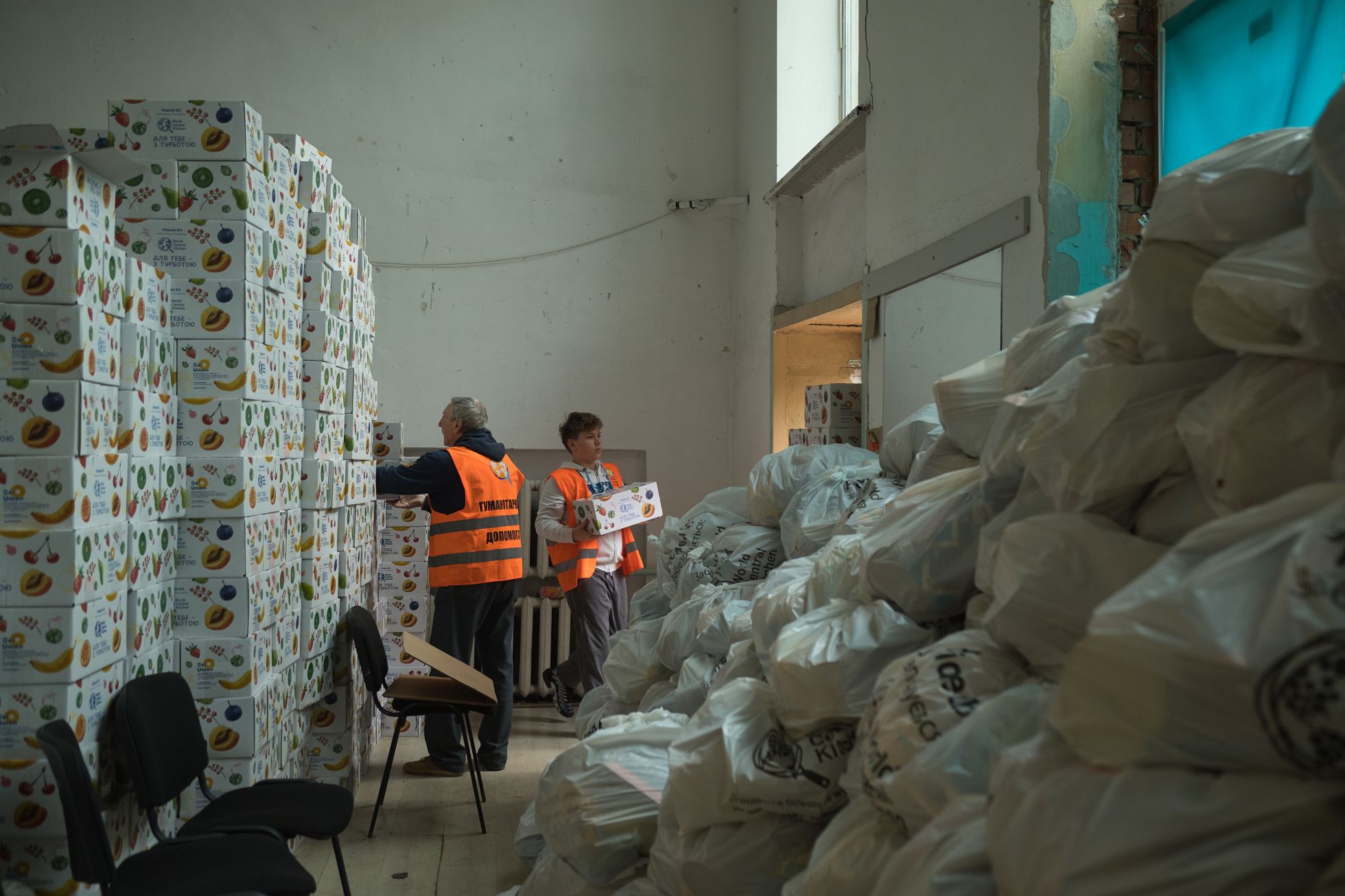
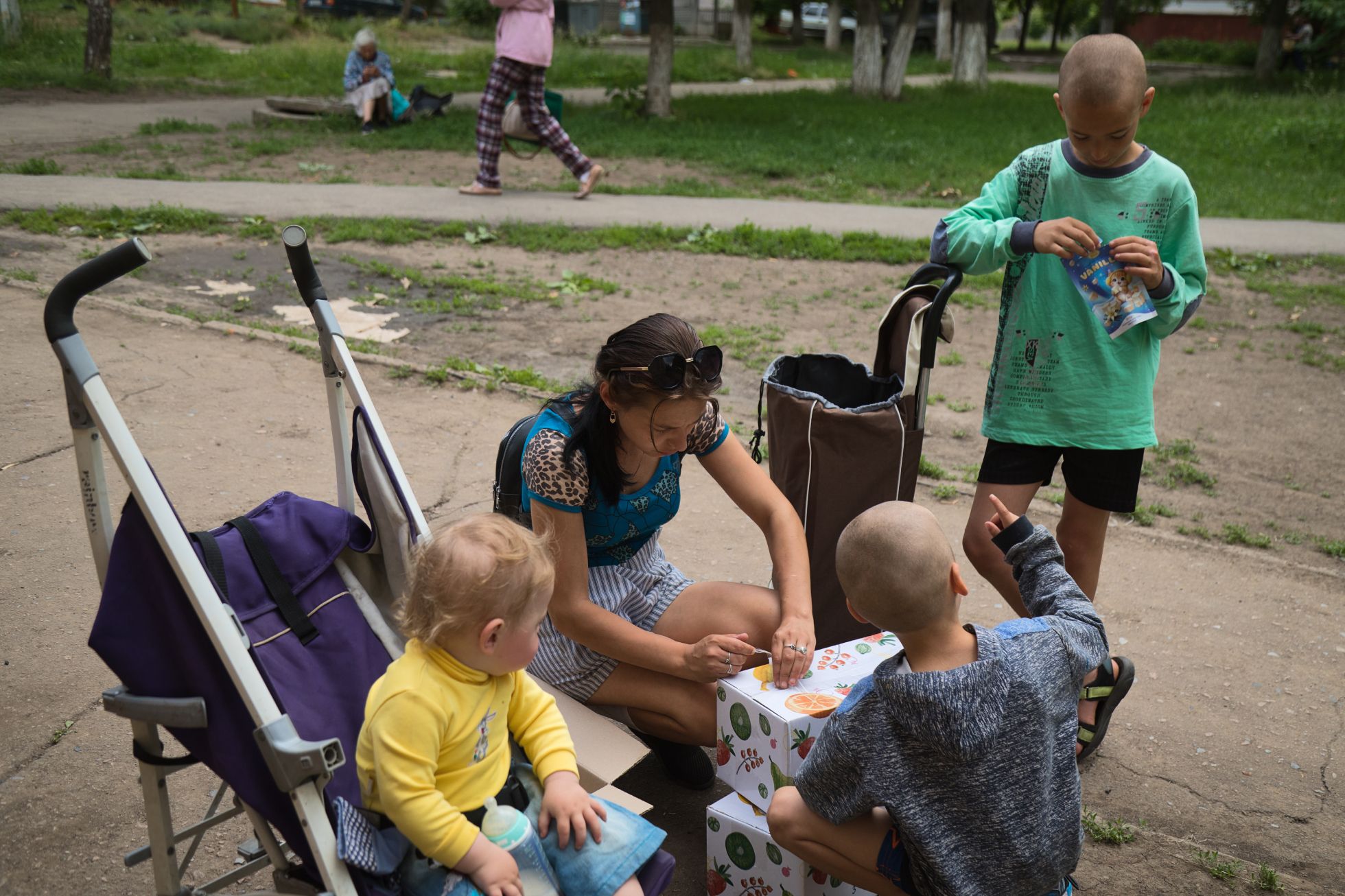
War in photographs. Kramatorsk
On June 3, the Russian military attacked Kramatorsk, an industrial city in the Donetsk region that, due to the war, found itself on the front line. Air bombs fell near apartment buildings. Three people were killed and four more were injured. Eight multi-storey buildings were damaged.
Before the war, more than 200 thousand people lived in Kramatorsk. Now about a quarter of the pre-war population remains in the city, including about three thousand children.
War through the eyes of Meduza readers
How we choose letters
Meduza's readers live in different countries and have different attitudes towards the war. We publish your letters to see this event through your eyes. Our editors try to present all points of view, even if they do not coincide with the editorial position. However, in accordance with the Meduza code, we do not publish messages that contain “hate speech,” justify the murder of civilians, or express direct support for an aggressive war.
Anya (Kaluga) . On the night of May 17 [when the largest attack of the Ukrainian Armed Forces on Moscow took place] we were at the dacha without the Internet. I learned about the massive attack from my sister’s call. Was I afraid for her? Undoubtedly. Was I surprised by the attack? Not at all. This is not the first attack; the Belgorod and Kursk regions live with this every day.
From the very first day of the war, I lived knowing that this would happen. She lived in horror and endless hatred for the one who started it all. But reading gloating comments does not bring me any joy. I can still understand when Ukrainians write, but when those who lived in Russia a couple of years ago, and now grind their teeth from afar, write, this is beyond my understanding.
Distance does not make you uninvolved. We are all in this together. The only difference is that those who remain here have to grieve with their country not from a safe distance.
Every day I pray that this will all end soon. I live my life not because I don’t understand what’s happening, because I agree or have come to terms with something. But because if I don’t live it, it won’t make it any easier for anyone. “If you live in Russia, you have to live here for a long time,” and I definitely intend to outlive someone here.