
Translated material
Super infection
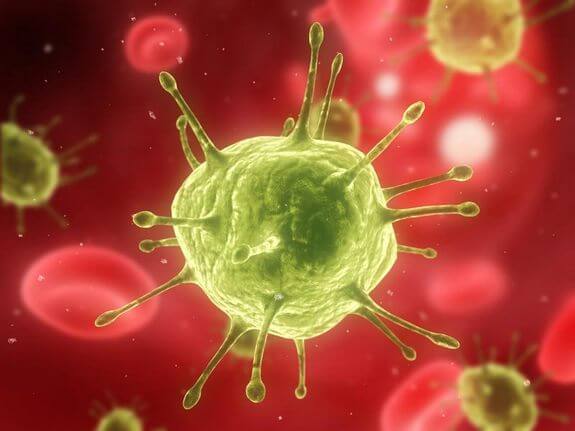
HIV superinfection: More questions than answers
According to recent studies, the incidence of HIV superinfection ranges from 0 to 7.7% per year, but these data, as well as our general knowledge about the phenomenon of infection of people with HIV with a second strain of the virus, are rather vague and undoubtedly require further research. The Lancet published a review of existing research on superinfection, in which scientists say new methods are better able to detect such cases; that physicians should strongly advise their HIV-infected patients to practice safe sex and use safer intravenous drug administration methods to prevent superinfection, as this may adversely affect their health; and that the existence of a superinfection complicates the process of creating a vaccine because it means the body is unable to prevent re-infection through its own immune response.
The first case of superinfection was reported in 2002. This occurs when a person who is already infected with HIV becomes infected with a different strain of HIV. Two different strains of HIV can enter the same cell, where their genetic materials can contact each other and thus form a so-called recombinant virus. In approximately 10% of cases, HIV-1 infection occurs with the participation of recombinant viruses, which, according to the article, is evidence of superinfection.
Observational studies and case reports from the United States, Canada, Europe, Australia, Asia, and Africa cover all documented cases of HIV superinfection. According to the article, "the availability of extensive data on cases of superinfection suggests that this is a significant problem that is greatly underreported."
The incidence rate of superinfection varies significantly between studies. Thus, some of them do not report cases of superinfection at all. This largely depends on the study design, the population studied, the prevalence of ART, the length of follow-up within the study, and the methods used to detect superinfection. A study in Uganda generally found that in one area the rate of superinfection was about the same as the rate of primary infection.
The article reports that superinfection can be contracted more than two years after the initial infection.
Scientists generally agree that superinfection causes a surge in viral load. However, it is unclear whether this leads to a long-term increase in viral load, as studies have given conflicting results. In addition, studies have varied on whether superinfection can affect CD4 cell counts.
The article states that the findings from superinfection studies are "discouraging for researchers trying to develop an HIV vaccine because they suggest that initial HIV infection and the subsequent host immune response are not able to fully protect the body from new HIV infection." However, the authors of the article argue that vaccine researchers can study individual processes of the natural immune response in search of the part that would be most effective and useful for research. They can also study superinfection to understand how the immune system reacts when a new strain of HIV enters the body.
Source: aidsmeds.com
Translation www.parniplus.ru