
Translated material
Chernomorit
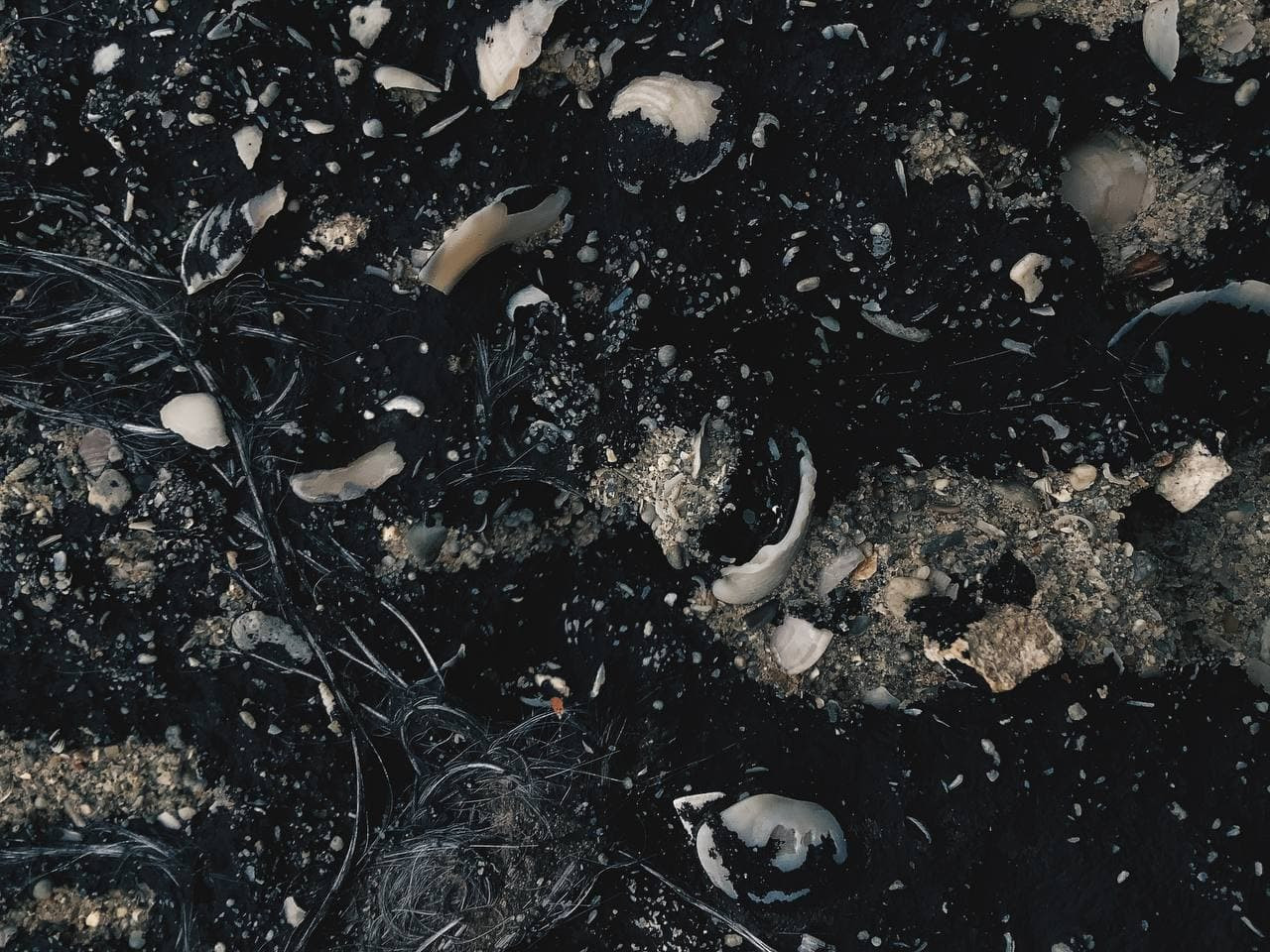
high-speed continuous line of roadside forest
broken in two
And you want to go inside
*** *** *** *** *** *** *** *** *** ***
It is impossible to prepare for Crimea. You find yourself in a strange zone of incomplete, non-final (optional) alienation with unclear dips into the gray zone. There is no Uber here, but there are Wildberries. Delivery services are local, store chains simply changed their names and continue to thrive. It is better to buy a SIM card from MTS or from local operators, if you are not afraid of running into heat. But YouTube Music lets me down: most of my playlist is simply unavailable, and VPN doesn’t always help, I still need to get the hang of it. By the third day I realize that Dimmu Borgir is not well suited to the road for the shift. But this is an important period of acquaintance with a new environment, and only in the morning there is this crumb of travel time. From the windows, a mountain range, a dawn, and a rising sea, bending the horizon, are falling on you. Try it, get used to it. And then you come to the film set, you turn into a working body, indifferent to the world around you, to everything except the filming process itself.
This is how the first days pass. The body rejects new land, water, food, the face is covered with acne, the lips become chapped, the muscles become sore from constant ascents and descents, the consciousness rejects the new reality, its curves and shapes, people, dogs and cats, unfamiliar light and air.
This is my first film expedition. Ahead of me is a whole month away from home, filled with work and rare days off.
But something always gets in the way.
Half of the scenes planned for the day are consistently not filmed for a variety of reasons. Most of the group suffers from idleness and idle time. When everything freezes, you freeze too, wandering around like a zombie, inside of which there is a person put on pause. Unfilmed scenes, objects, locations, people, lines and actors get stuck in your head. There is no catharsis at the end. You are driving back along the dark peninsula, looking dumbly in front of you without a single thought in your head, automatically moving your limbs. You are only a desire. You want to sleep. Or, as it would be more accurate, you want to disconnect. Tomorrow won't be better.
Something always gets in the way.
Weather.
She owns cinema like a cruel, capricious deity, inserting herself into the body of the film, speaking for herself, acting on her own behalf. It will be sunny here. Because She wants it that way. And all these sprinklers and smoke screens are only a weak imitation of Her imperative. We freeze in anticipation, watching as the smoke, planted for the shot, blurs in the stone forest in the mountains, is carried by an inexorable wind under the pine trees and, dissolving in the salty air, flies away to the sea.
Expectation.
It is colder in Yalta than in Moscow, Tula, Tyumen and Yaroslavl. Rain and fog. We drive back to the hotel, the minibus driver tells me: this is a climate cataclysm. This kind of terrain. Cold air from the mountains meets warm air from the sea, as the sea is already warming up this month. It takes my breath away. I imagine a thickness of endless waters, visible only as a blurred plane to a limited horizon, and inside IT, inaccessible, heats up.
Climate cataclysm. In front of the white nose of the minibus there is fog and night, fog and night, the markings are visible only half a meter ahead, and that’s all, uncertainty until the next clear gap. The fog descends in strips, growing unsteady, suffocating tentacles encircling the coastline of the peninsula.
The driver says: in the nineties there were no markings on all this serpentine road, and we drove by feel. I imagine the blind, cold nose of the car, fused with the arms and legs of this man, then still very young. Her nose is covered with small dewdrops and prowls, exploding the flesh of the fog, a kind of cuttlefish. In deep childhood, at night, when I was already lying in bed, there was a terrible roar outside the window. And my grandmother said to me, looking out into the street - wow, well, there’s a cuttlefish there. Behind the house there was a highway, the legacy of the oil workers, and I had no idea that they were probably talking about some kind of car. In horror, I imagined only a metallic, noisy monstrosity crawling on thin steel legs.
I don’t remember fogs here in Tyumen.
And it’s colder in Yalta. At lunch I hide from the rain in the Grimwagen. A colleague received a contract packed in an envelope. Reading aloud. “In accordance with the terms of this Agreement, the Make-up Artist undertakes, by order of the Company, to take part in the creation of the Film and fulfill the obligations stipulated by the Agreement, including by his creative work to create Works and transfer (alienate) to the Company the exclusive right in full to the Works created by the Make-up Artist...” This seems like poetry to me. Alienation from foreign powder, artificial blood, droplets of sweat in the form of glycerin, fingers textured with soil from the foot of the Ai-Petri, wasted napkins and sponges, now rotting somewhere in landfills. Alienation from the objects of labor, which are impossible to count and grasp: behind human labor there is an accident, behind the precision there is an improvisation of the smallest particles in the air, cobwebs, intertwining trees, birds and cats caught in the frame, diseases, rust. Behind a strict schedule - overtime, fatigue, hunger, force majeure, lack of sleep, hangover and lost dozens of hours, collapsing into several takes of fantastic time.
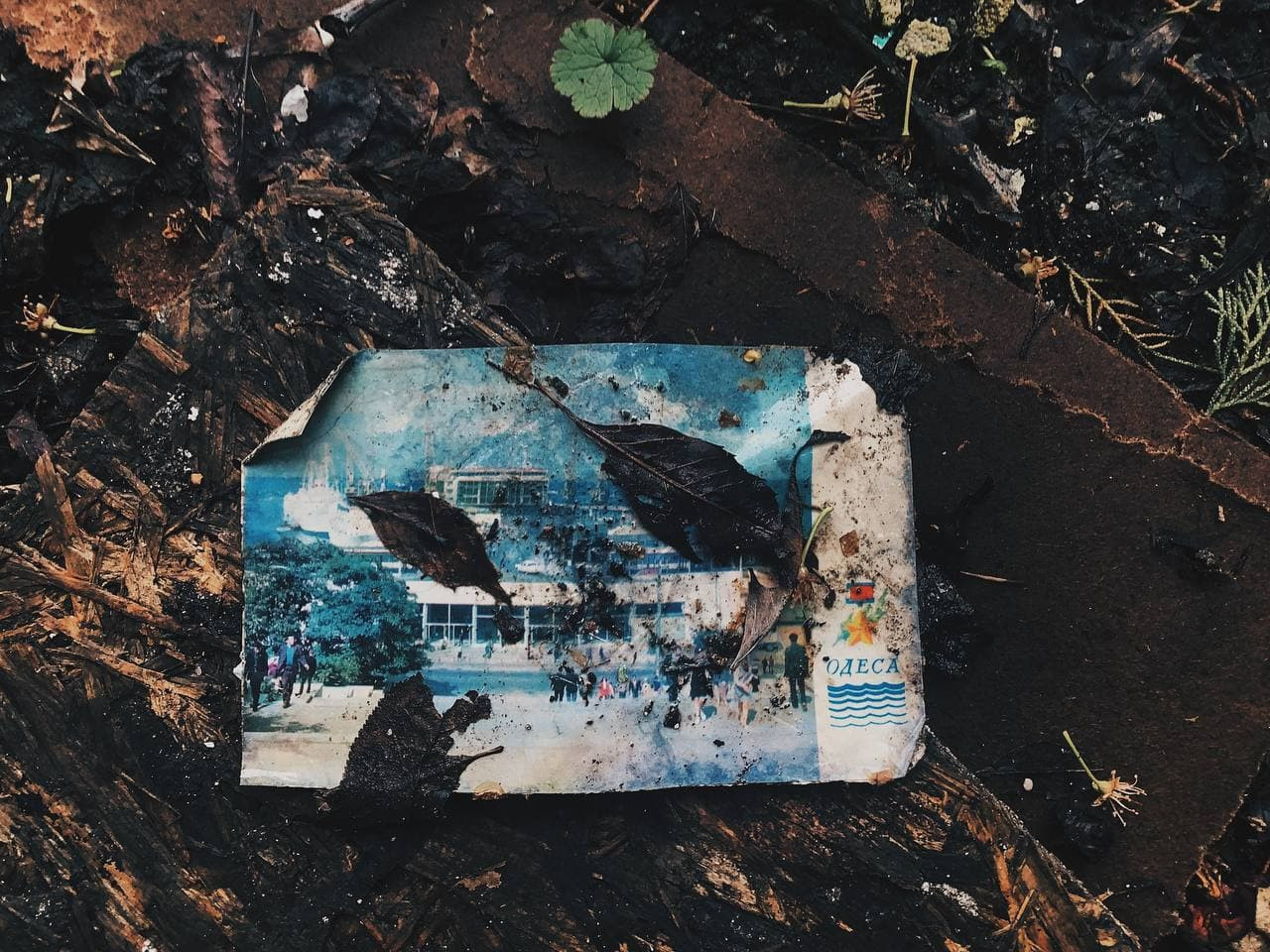
Lost, fantastic time corresponds to these places. We spent several days in Alupka on the territory of an abandoned sanatorium. Pre-revolutionary old houses, converted after the war into places of rest and treatment, completed for new needs then, and now empty. On the steps of the stairs I picked up a sanatorium sheet for medical research. In the column the year: 198_ and a blank. In the streets nearby, above the doors of the houses, pre-revolutionary signs can be seen behind the peeling plaster, painted directly on the wall “...A. LIMAR...”
- or maybe it was drawn by Soviet filmmakers?
Here lived Kuindzhi, Bunin, Rachmaninov and Chaliapin, Nicholas I, 184 people and 284 inhabitants and Crimean Tatars, here
we are going to the Vorontsov Palace “looks like in England”
we are again huddled with all the cinematic rubbish in the alleys of Yalta, “it’s like Mexico in the frame”
*** *** *** *** *** *** *** ***
*** *** *** *** ***
* *** *** ***
*** *** *** *** ***
"City of God"
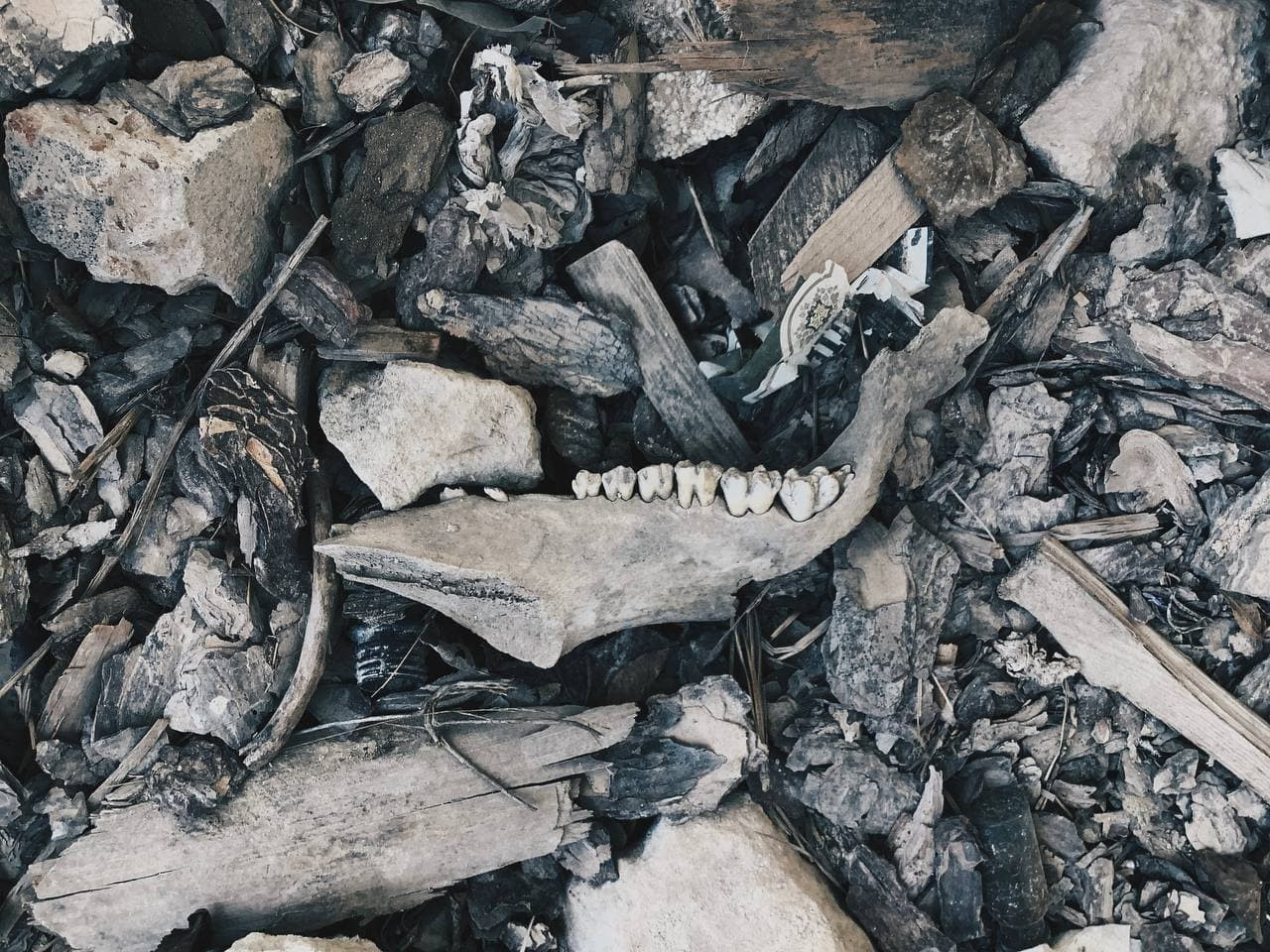
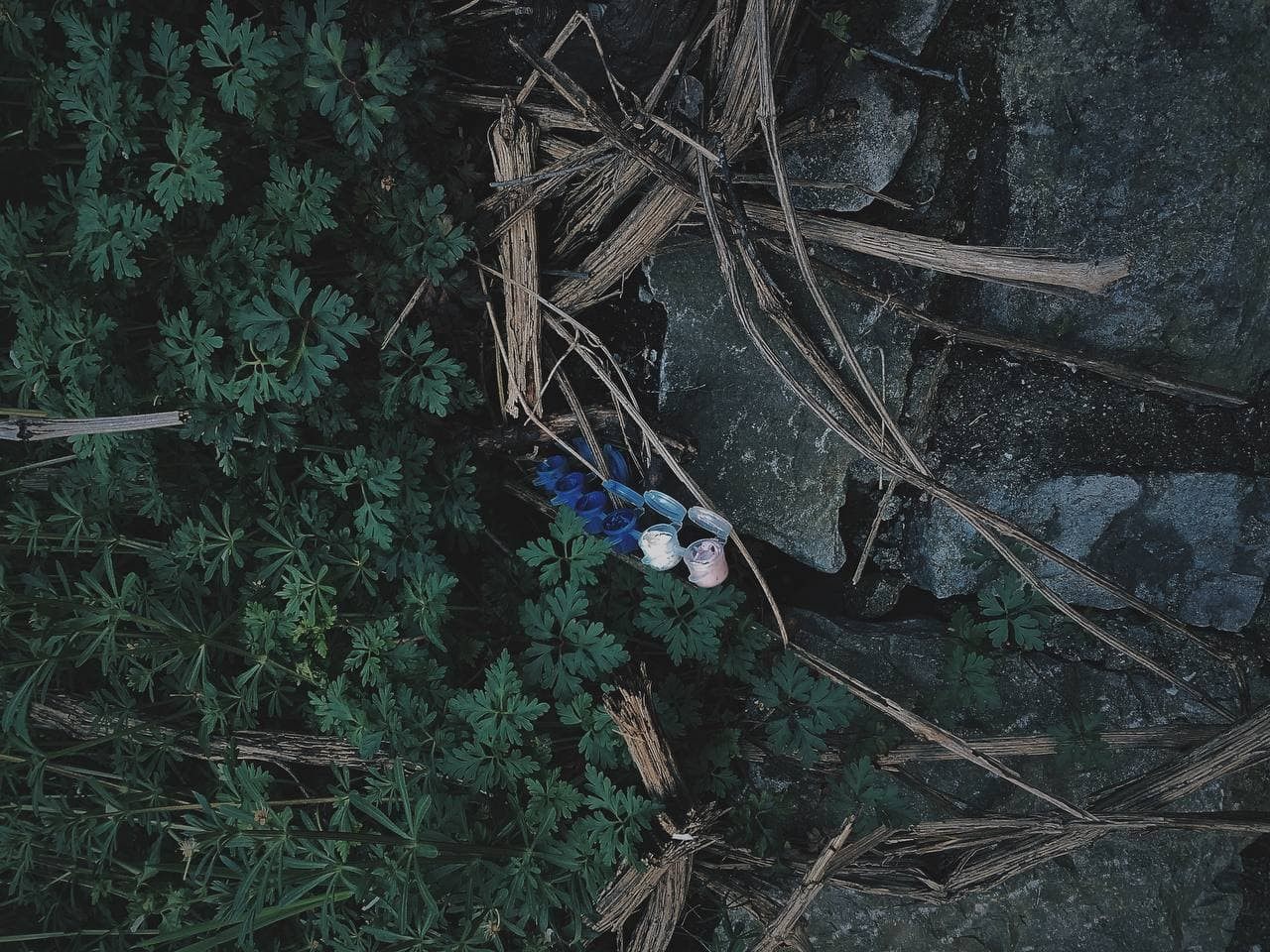
Six days later, a day off. I walk around Yalta, trying to cope with my derealization, but the city resists this, overgrown with abandoned palaces, estates with business centers stuck inside, pallets, mountains of rubbish. I can't face reality. On the surgical table there are trees and plastic bags instead of leaves, paint jars with tufts of grass, a waterfall with an old refrigerator full of empty bottles, a sea with burnt beams, mines with mountains of plastic bags and caves with folding beds. Garbage becomes another order of “nature”, an inexplicable element in the most unexpected places, far from the clean embankments. Mountains choking in the fog make for a great photo; from a pallet standing against the wall with a black bag with dramatic drapery thrown over it - a still life. I begin to notice a strange clumping of objects around me. It’s as if trembling pieces of reality are welded together in the hot air.
Something like cold and warm air above the road ribbon.
I myself stick to the peninsula, and my body takes on a shape that suits it better. Muscles swell, skin darkens, nails polish, and hair lightens. I become stuck with the garbage, the sea and my work.
*** *** *** *** *** *** *** *** *** *** *** *** ***
I haven't started writing again for a long time. Near Sevastopol, in a scattering of favelas occupied by us, turned into scenery, I am hiding from the sun in a tent, watching the dusty ray through the crack of the black awning. I have a hard time getting used to these places. The perverted logic of automobile traffic does not reconcile the mind with spaces, or even kills them, cancels them, preventing them from developing in their correct extent. Colorful sandy cliffs to the sea mockingly hang over me, as if they had just grown, and not all those millions of years had passed, which had accumulated layers of fractured rocks and clays that washed away the shapes and depressions. None of this exists and never happened. A cemetery overlooking the sea, beach flies hiding in pebble holes. Was it five days and a hundred kilometers ago? What about a hundred million years? On the far side of the planet?
Our profession is nomadic. In time, between imagination and reality, in spaces. You populate a piece of land for a short time, transform it, redefine its meaning and geography: Moscow is a small provincial town or Germany in the 80s, Yalta is like Latin America, or Inkerman is like Afghanistan. Where can you film the sea where there is no sea? Cinema and video, more than others, mix and confuse localities, imposing similarities on Places like filters. “It’s like being in…” is a constant of life or a deliberate pretense of avoiding the essence of places. And so, reality is again inaccessible to me.
"Why the delay?"
“Yes, according to the sun. The sun has changed, and we adapt to it, we need to put a filter on the camera.”
*
In my room, I watch TV for the first time in a long time and am surprised to notice how the Internet is intensively pressed into it: advertising of cards, tariffs, applications, websites, mobile banks and services.
Sticking again.
Cemeteries and beaches, flowers on the highway about a shot down stranger and a monument about two shot young partisans under a rock, airports and vineyards, a bank and wine. Why does the Bank of Russia need wine? We wait, lifting our heads to the sky, until the sound of the helicopter passes, so that we can record clear sound and start filming. “Gref is flying to get oil, he forgot to buy it the first time,” we joke. Politically uncertain sky, politically uncertain sand and other people's money in a territory with confused life times. We go down to the sea for lunch, we think about going down by the buildings of the old Soviet dachas of the highest ranks, because there is no other way here, but a fence stops us from afar. They tell us - don’t come any closer, there are FSO officers there, Matveenko’s dacha. We nod, go back, but soon they still call, complaining that we were watching. And I think about how strange it is: we looked, but did not see, and in response they looked at us and saw. Some amazing version of Didi-Huberman and split vision - a look at our view. Warning like a shot.
I'm trying to understand whether these people live in reality "as if"?
We are sitting on the seashore listening to Tuareg blues from my tablet, she says: “It’s like we’re in Morocco now.”
What does it look like?
Probably to Norway, I don’t know.
Laspi (probably) looks like Norway. The lush green meadows, surrounded by mountains and pine forests, are now covered in shade. Only graphic outlines. We jump out onto the street on one stage, but everything freezes for a while: we see a slender string of lights flying over the line of mountains, Starlink satellites, the globality of globality, all sixty - we believed, we appreciate the power, like the immortal ancients we freeze in religious reverence before someone else’s radiant ambition. A caravan of strange creatures, in an uneven, living formation, carries its inhuman tasks into the distance. And the day lasts longer than a century. This time we filmed everything.
** **** *** *** ** * * ** * ** ** *** * ***** * * ** *** * *** ** **** ** *** ** ** ** *;** ** ***
We leave our place and go to temporary shelters to watch our dreams, and in the morning we go to a new point to build, sculpt someone else’s imagination, which will eventually become collective. Ours and everything that can be in the frame, outside the frame, behind the scenes. Editing, they always tell me, will save me. From the sun, fog, forgetfulness and variability, movement of shadows, wind, speed deviations. Doesn't save. And everything that exists spills out in an endless wave, becoming alien “as if.” And so many, many times, until finally the last stable Place is completely demolished.
Imagine how a beautiful woman, an actress, comes out to the concrete edge of self-built favelas over the sea and looks straight ahead; after a few
"...for years Kabaeva will come out here, pregnant again, and just like that. Stand. You understand? And such things are inevitable. You can't do anything about it. This sea... is simply cosmic. There is something terrible in this. What we like, someone else may like. And it's scary."
It seems that there are only four elements here. Politics, Climate, Media and Time. This is felt, guessed, heard - in the sky, in construction sites, in posters and signs, in forests and beaches, on bus seats, fortresses, adits abandoned with cellophane and decorations from other filming, in our lunches and return tickets.
**. *
Of course, on the last day I think of being on the beach,
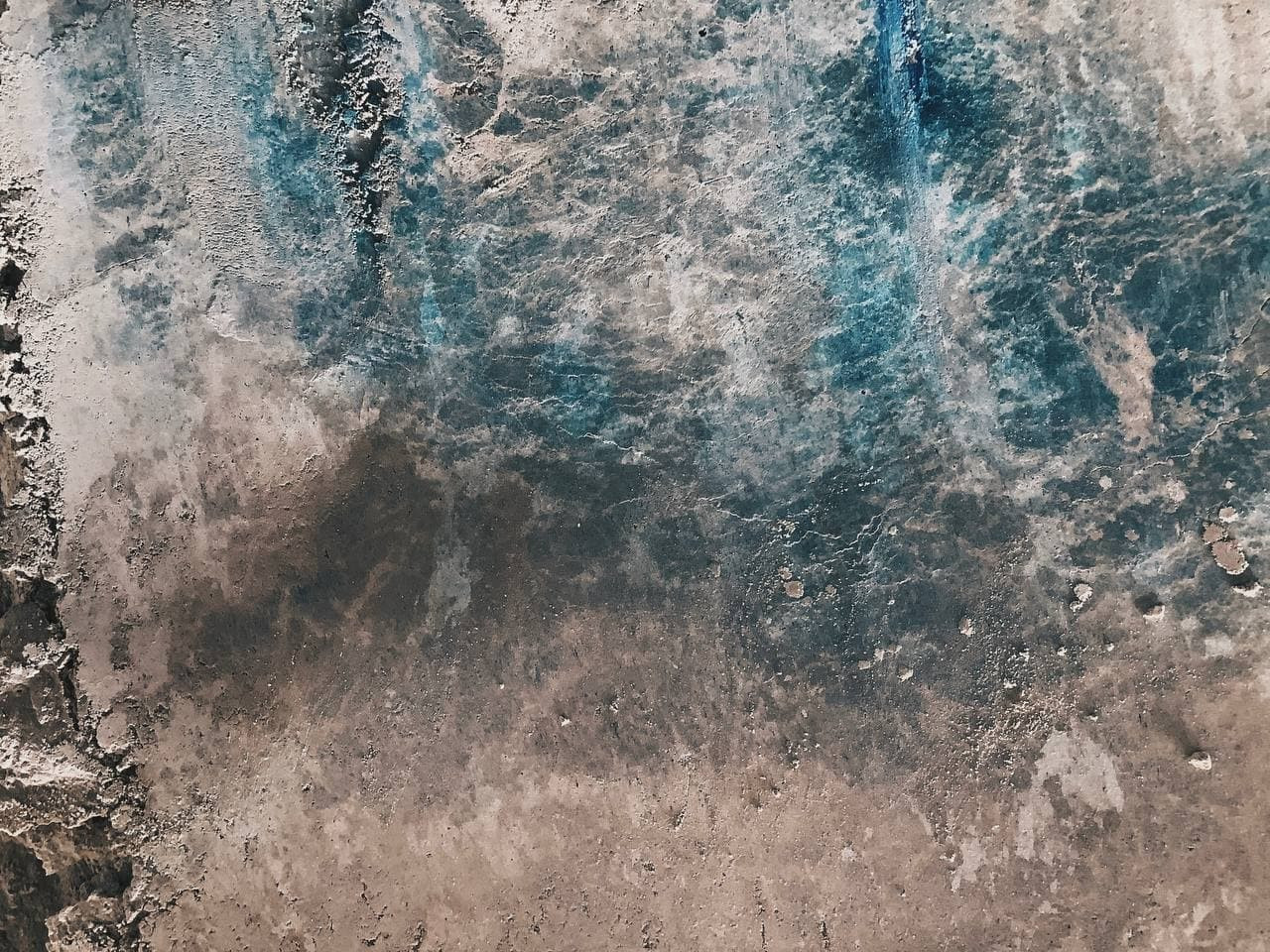
The layers on the pebbles and patterns make it possible to guess the outlines of past contortions and rocks cemented by time, mollusks and skeletons pressed together - time itself fused. I'm trying to understand what kind of cement is compressing our reality. Screens, cars, media space, airplanes? With whom will I lie on a future pebble stone? And who will I belong to then under the sky, surrounded by the global-global Internet?
I am happy that the algorithmic gaze of my camera is not able to understand this sunset. And all I can do is forget him after. Forever.
cinema climate media view Crimea notes politics work ethics