
Translated material
#bodypositive
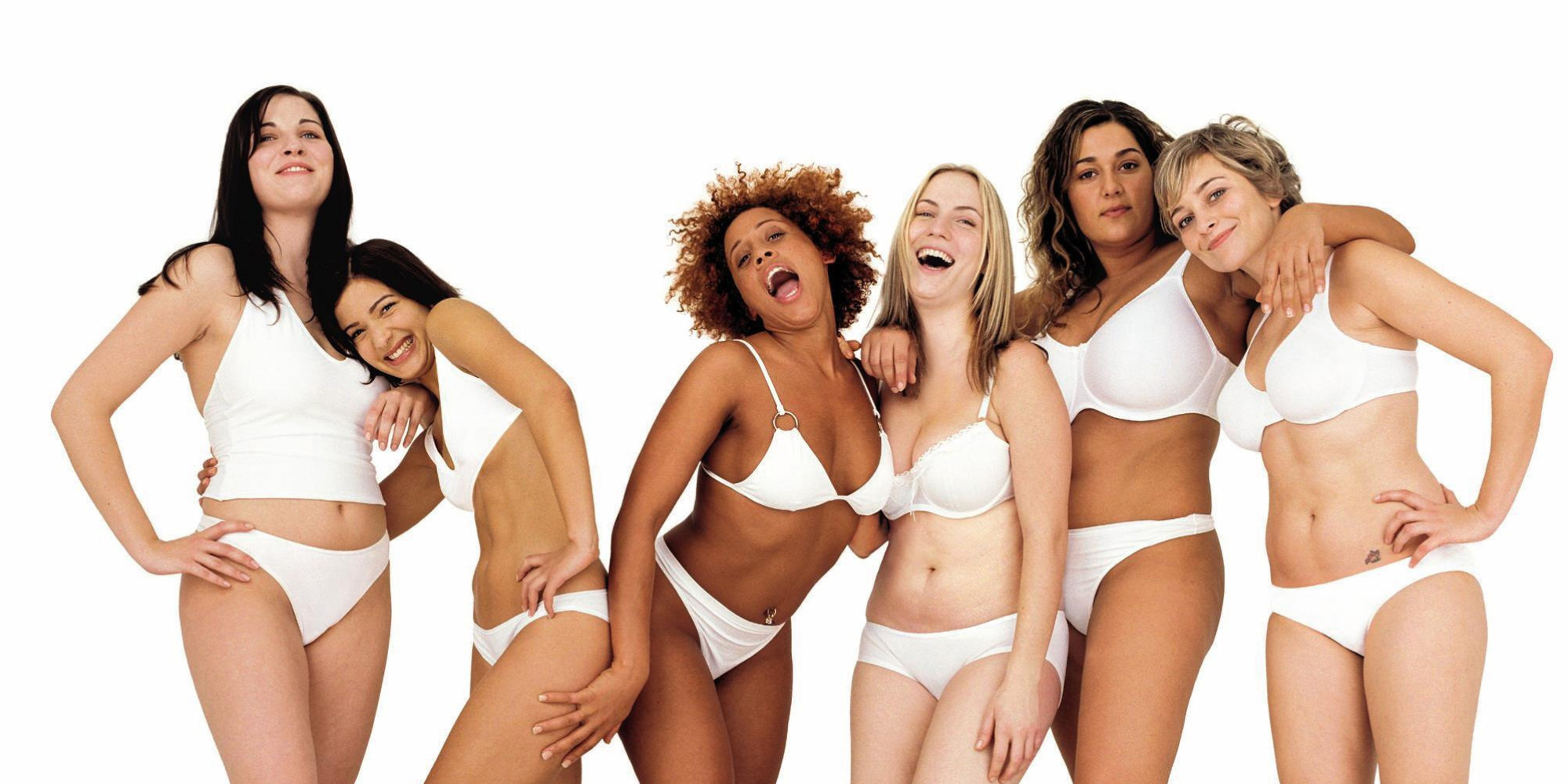
“You are accused of shaving your legs and will be cremated”©
Body positivity sounds very inspiring. You immediately imagine some buddhas or bodhisattvas, enlightened yogis or mahatmas. But there’s nothing like that here, it’s just a relatively new concept for a phenomenon as old as the world - the naturalness of our bodies. This movement refuses to accept generally accepted beauty standards in favor of the fact that our body is a purely personal, individual topic, and it does not need to impose standards. What does this neo-hippie movement promote?
Body positivity is called the teaching of accepting one's own body. He convinces women, since they are the target audience, that beauty does not require makeup, expensive clothes, Botox, manicures, hair coloring, hair removal and similar tricks. This movement refuses to be ashamed of what is natural and hide itself behind an artificial façade of cosmetics and hair extensions.
Initially, body positivity originated from the feminist movement, since the boundaries of “correct” beauty are more often set for women (thanks to glossy magazines and the advertising industry). Nowadays, various communities are promoting body positivity, both in conjunction with feminism and without it. Of course, body positivity preaches gender equality and the rejection of gender stereotypes.
Under pressure from angry women who do not always fit into the 90-60-90 standards, some brands and magazines are already beginning to gradually move away from the usual look of models, bringing their products closer to real people and their needs. Body positivity can be better understood through high-profile advertising campaigns and photo projects. For example, the Dove advertising series called “Real Beauty” does not use model women: the banners feature wrinkled, older women, women with gray hair, freckles, XXL size, and so on. At one time, the photo of Milla Jovovich, who appeared with unshaven armpits on the cover of Dazed and Confused magazine, caused a stir. With this photo she supported the feminist movement. Before her there was Sophia Loren, an icon of the 60s, who reclined languidly, throwing her hands behind her head and showing off her hairy armpits. And after them - Madonna, who does not shave herself, also leads her daughter Lourdes astray. The Italian goddess Monica Bellucci also advocates natural beauty: she demonstratively refuses the services of plastic surgeons and categorically does not want to lose weight (but she doesn’t need it, men will notice).
These famous women showed by their example that beauty is also present in naturalness, that you can be desirable even with unshaven armpits, and that you should not be ashamed of your body.
Where can one find this paradise for those tired of chasing an unattainable ideal of beauty?
On social networks, for example, on VKontakte, Facebook, etc. There are a large number of thematic groups dedicated to body positivity. Their participants (mostly, of course, participants) help each other learn to appreciate health, unique beauty and individuality of each, overcome complexes and live in harmony with themselves, without looking at fashion and public opinion. That's at least what is stated in the descriptions of these communities.
The movement itself seems to be good, but this is exactly the case when a good idea has very poor execution. Where are the pitfalls here?
Firstly, body-positive women, for example, from VKontakte, participate in “virtual” flash mobs: they photograph unattractive parts of their body and post the photo on the Internet. They glorify cellulite and claim that there is no need to fight it.
Secondly, very often administrators of such groups assure subscribers that excess weight is not caused by overeating or health problems, but that this is a genetically determined feature that is not chosen, and therefore it is beautiful. But don’t you think that this is just an attempt to justify your laziness and neglect of your own health?
The advanced ones go further. They expose their hairy legs to everyone and mercilessly ban those who even mention the existence of a razor or epilator. They dye their armpit hair and brag about it. They changed the motto: “My body is my business” and turned it into something unclear, proving that you can only love a fat and shaggy body, and if you take care of yourself, then you are automatically a “litter” that grovels in front of men. It turns out that if you are too lazy to keep yourself in healthy physical shape, style your hair, do makeup and shave your legs, then you are not a lazy ass, but a body positive person. A good, in general, idea of fighting complexes has turned into propaganda for neglecting oneself, getting fat, walking around with acne, stretch marks and cellulite, and also demonstrating this to others, as if in protest: “Look, I’m not a slave to stereotypes like you, I’m special.”
But these are all flowers. Sometimes people who need real psychological help end up in such public spaces. There is a well-known story about a girl who considered herself a squirrel from time to time (and this is not a joke). She tried to find help in one of the groups dedicated to body positivity, because on the main page it was written: “We will help you accept yourself as you are.” It is not known how the acceptance is, but for some reason no one thought to advise this unfortunate woman to see a specialist. Another girl identified as bi (or tri) gender. In fact, she just had problems with identity. And she didn’t need to turn to body-positive people, but to a specialist. But for some reason it did not occur to any of the group members to give such advice. But “be proud of who you are” is what they can advise.
It’s interesting that administrators of public pages dedicated to body positivity (at least those who put real photos of themselves on their avatars, not fake pictures) fit well into patriarchal standards, dress normally, use cosmetics, and have a family. And they simply assert themselves at the expense of their fat, pimply and hairy subscribers. And they, in turn, are trying to remake the world, forcing it to love what it does not like, instead of working on itself.