Translated material
WINDOWS
Goro Miyashita presented his WINDOWS at the Festival of Contemporary Photography in the Central Committee19
Goro Miyashita lives in Tokyo near the railway. Probably, it was this fact that became the prerequisite for the creation of the WINDOWS photo series.
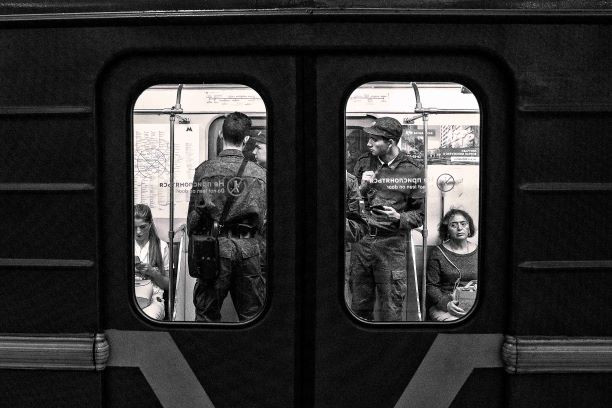
At some point, the photographer’s observations of people on trains acquired a certain format. WINDOWS Tokyo's first project, WINDOWS Tokyo, won the 2017 New Cosmos of Photography Award. The author continued to work on this topic. In 2018, a series was filmed in New York, and later in 2019 - in Moscow.
The Another Dimension festival presents all three series, created in three different countries. The author's narrative is not just about people on the subway. Each series is a collective image, expressed in emotions and body language. What these people are doing, what they are thinking, we most likely will not know for sure, but we can catch their sincere mood and think about what we are like.
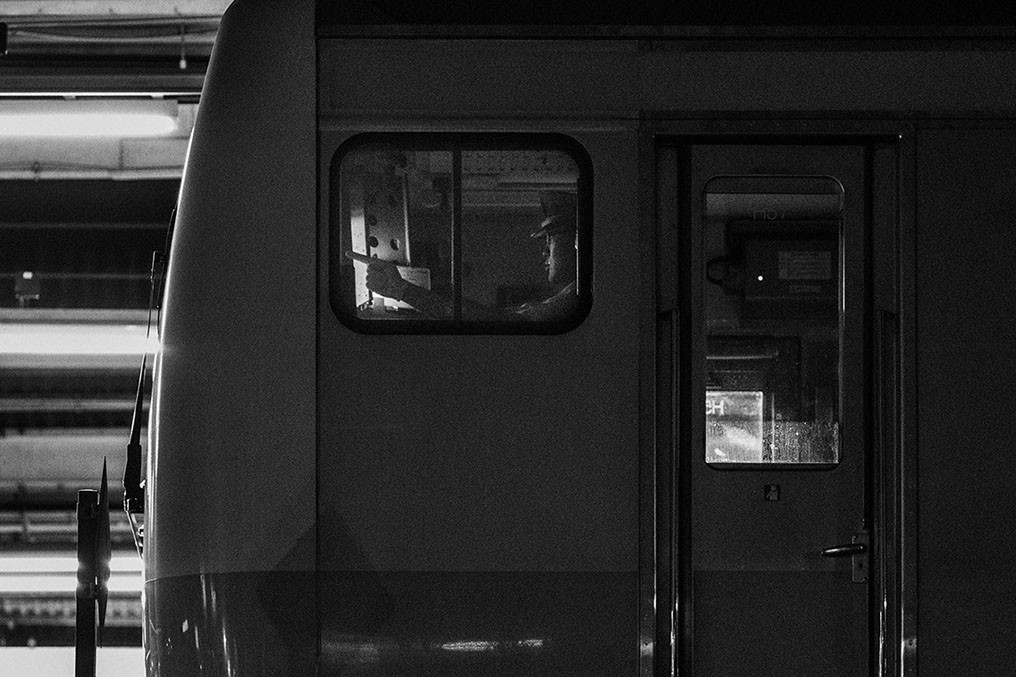
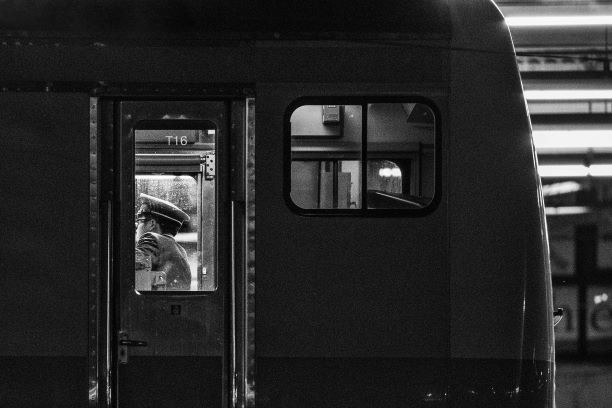
The exhibition is built sequentially. The first photo is with the driver - the most important person driving the train. Looking at three different people of the same profession, you see similar character traits. The following shots are of passengers in a line of carriages and on the platform. People of different ages, status and values appear in the illuminated window opening. The story ends with a shot of the last carriage running away. The black and white style makes the most of the theatrical technique and further exposes human sincerity. Nothing distracts the viewer from what is happening to the characters; the psychologism of the plot is more acutely felt. The topic of man at the current moment in time is relevant throughout the world. Viewers can find the truth in such photographs. Subtle attention to material and mental details creates not just social photography, but reflects the classic aesthetics of the moment. People in big cities spend a lot of time on trains. Every day they go to work and return home. This is a place where they can be themselves without conventions. They are left alone with their thoughts, feelings and plans. Perhaps without noticing, this is the best thing that happens to them that day. The train will always take you from point A to point B, without asking anything, without giving you a reason to worry, and with its non-impact, it allows you to dissolve in silence. Sometimes the journey doesn't take that long and we get there quickly. And sometimes we have to make superhuman efforts to get closer to our destination.
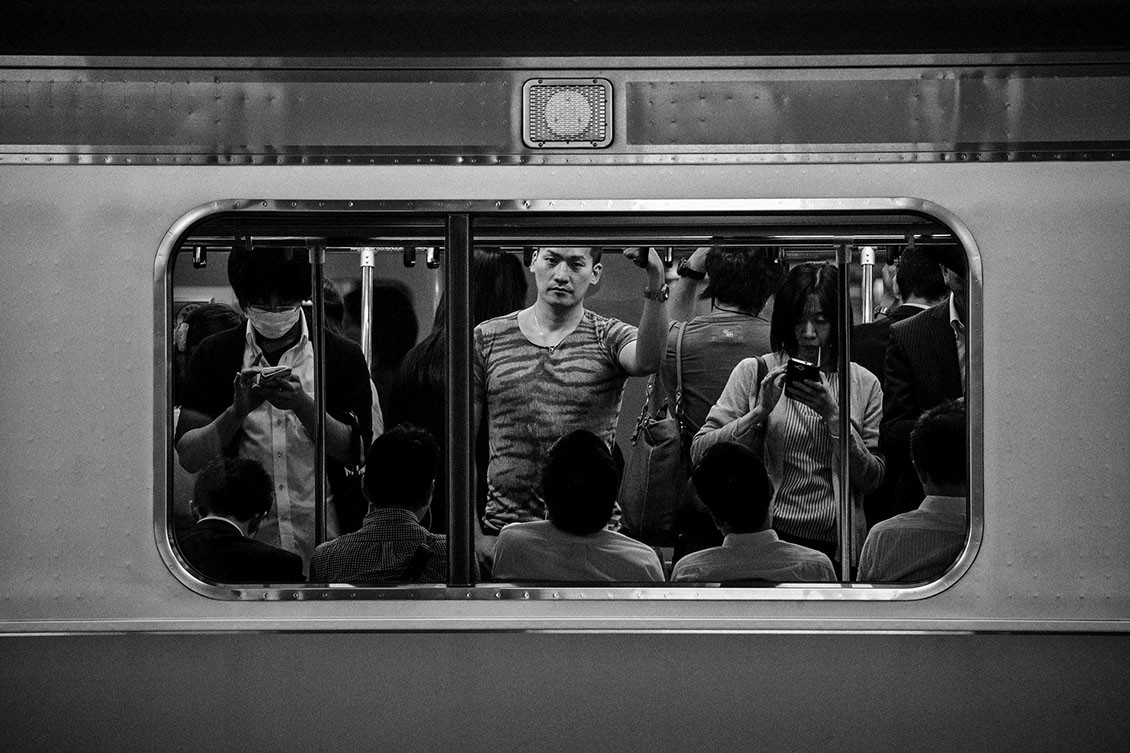
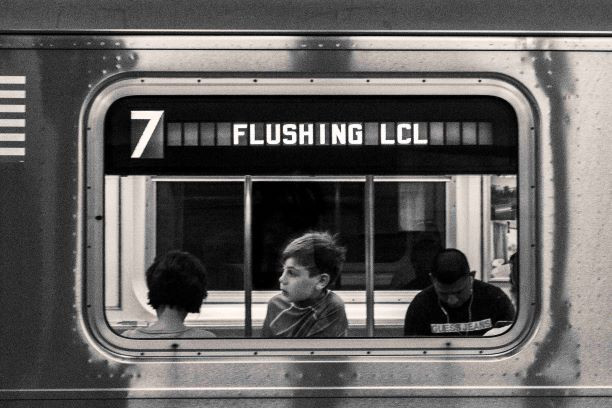
The gradations of real and virtual life are so erased that it is already quite difficult to determine in which world we are rapidly living our reality. For example, a window frame can be represented in the form of any gadget where the image of human faces and bodies can easily appear on the screen.
The subway has always attracted photographers from all over the world from the very beginning of its appearance in different countries, and each author found his own interpretation. Miyashita's work differs from the aesthetics of classics Walker Evans or Bruce Davidson, or contemporary Alexei Domrachev. This project touches on many social trends and processes of changing reality. The unbridled development of social networks and the lack of real communication, the DNA of the nation and the commonality of modern humanity. The speed of world changes is off the scale and is deposited in the form of stress. Now is the time to talk about values using any expressive means.
Goro Miyashita illustrates alienation, loneliness and joy, but ultimately these are all parts of the individual. The windows of all the trains in the world are the same, but the people are not. And there is something lyrical in this plot. In the way the texture of cold metal works in the foreground, and the eye passes through it. There is a feeling of through movement and an ascetic black and white solution, as if in reality the sound has been turned off and we see only the image, surrounded by poetic silence. We can ask ourselves the question: what would I look like in these photographs? And try to put together your own holistic image in each series.