
Translated material
Shinya Tsukamoto: Tetsuo, iron, city and flesh
Who is more likeable: Akira Kurosawa with a “classical” approach to film language or the mad devil Teruo Ishii, the maestro of genre cinema? Why should we be introduced to classic cinema in empty theaters from an early age? What distinguishes the poetry of image from the poetics of violence? Is cinema dying with the advent of the digital era or is it just being revived? And why shouldn't Kon Ichikawa's gun fire?
About the premonition of war, the collective fears of modern Japanese society, sea monsters and how to remain yourself - read in an interview with Shinya Tsukamoto, the author of the legendary avant-garde film Tetsuo the Iron Man, which was shown as part of the Japanese B Movies series at the Garage Museum of Contemporary Art. The conversation was conducted by Irina Dmitrieva, translator - Evgeniy Zatsepa.
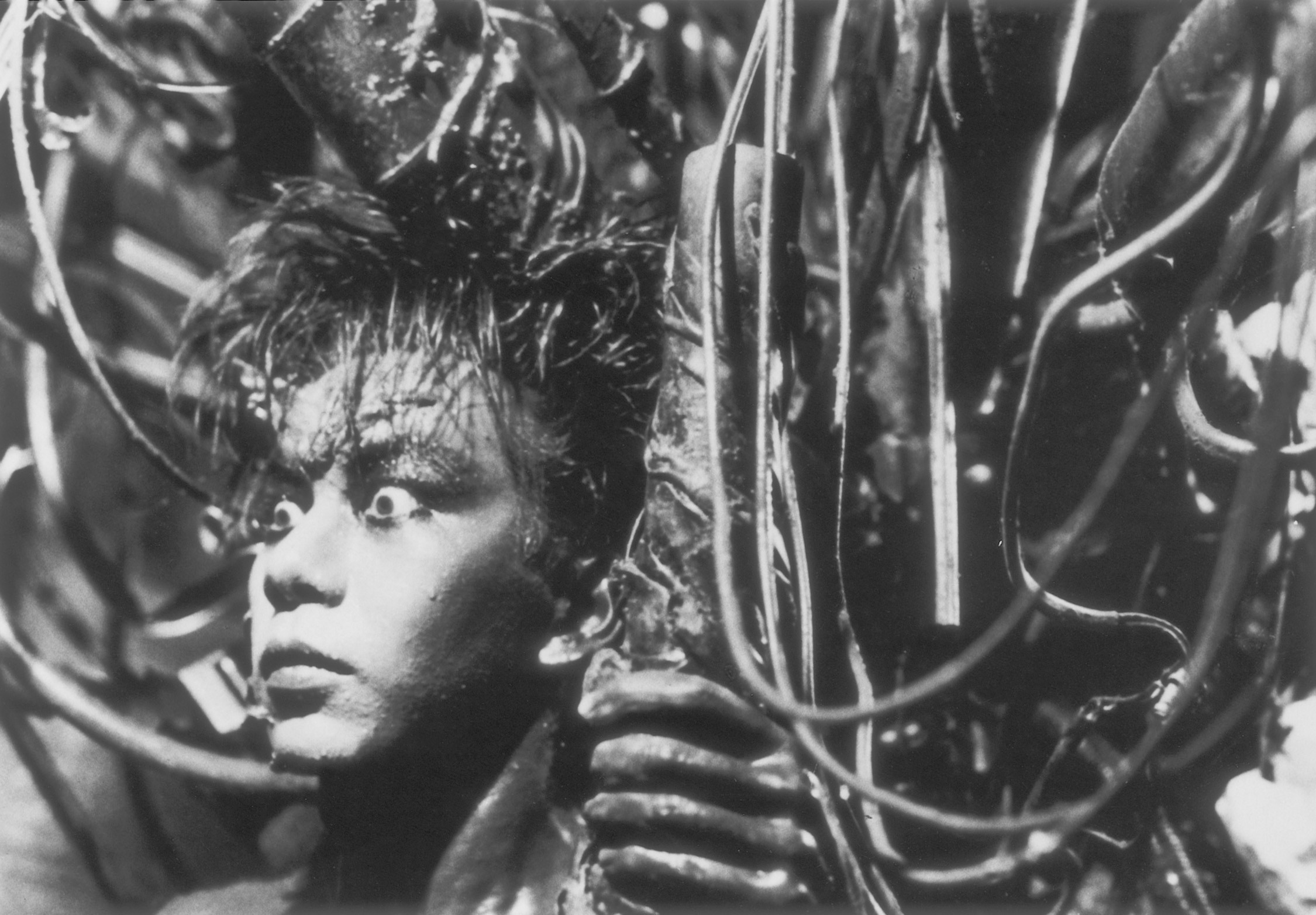
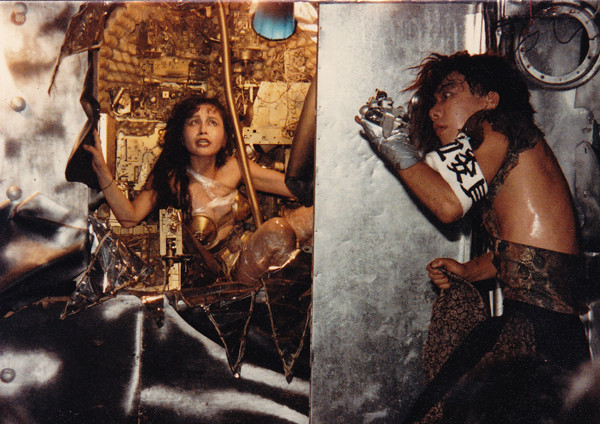
Your first two films, 1986's Strange Regular-Sized Creature and 1987's The Adventures of Electric Pole Boy, are considered precursors to Tetsuo. At the same time, the association Kaijyu Theater (translated from Japanese: Theater of Sea Monsters) appeared , which together with you included Kei Fujiwara, Nobu Kanaoka and Tomorovo Taguchi. Subsequently, you released all your films at the studio of the same name. What did your troupe do? How did you come from theatrical performances to filmmaking, and how was Tetsuo born?
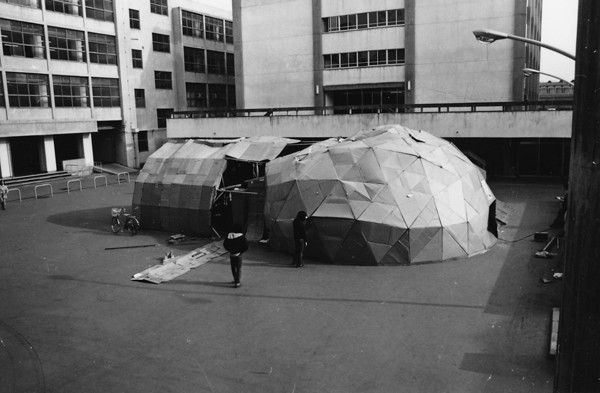
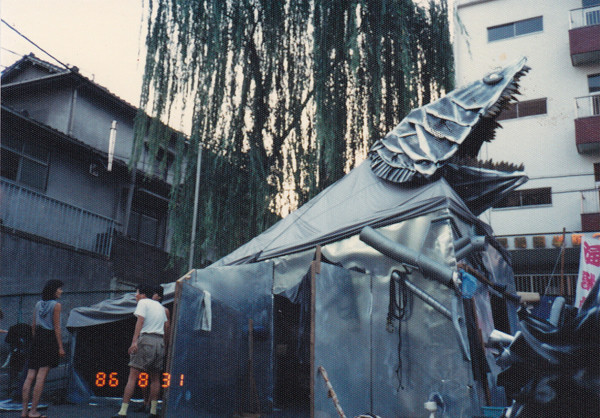
In general, I’ve been shooting with an 8mm camera since I was ten years old, but when I turned twenty, I started working in a production company producing commercials—where I had to give up my passion for cinema. After that, together with Kei Fujiwara, Nobu Kanaoka and Tomorovo Taguchi, I began staging theater works, but we managed to stage only three plays. The theater I did in my youth was more underground theater than classical theater, and it was quite interesting. We could put up tents in the shape of sea monsters right in the city (in accordance with the name of the theater) and perform performances in them.
And after that I moved on to making films. At first I worked with these same people, but after some time our paths diverged. My last film, Fire on the Plains, was also released by Kaiju Theater, but there are other works that were not filmed there. However, for the most part I released my films at this studio.
Were your street performances inspired by the work of experimental theater groups from the 60s, like Hi-Red Center , or is it an independent impulse and desire?
What inspired me most then was the work of Juro Kara and his “Situational Theatre”. This was a very interesting phenomenon in Japan in the 60s and 70s.
The name of the Kaiju Theater refers to Japanese mythological monsters from the underwater depths - kaiju . Is the image of Tetsuo connected with mythology or not?
In general, I myself do not fully understand to what extent the images of “Tetsuo” originate in Japanese mythology. But I have always liked whales - giant creatures that live in the depths of the sea. I was very attracted to the idea of placing such a huge creature in the sea called "Tokyo" and see
what will come of it?
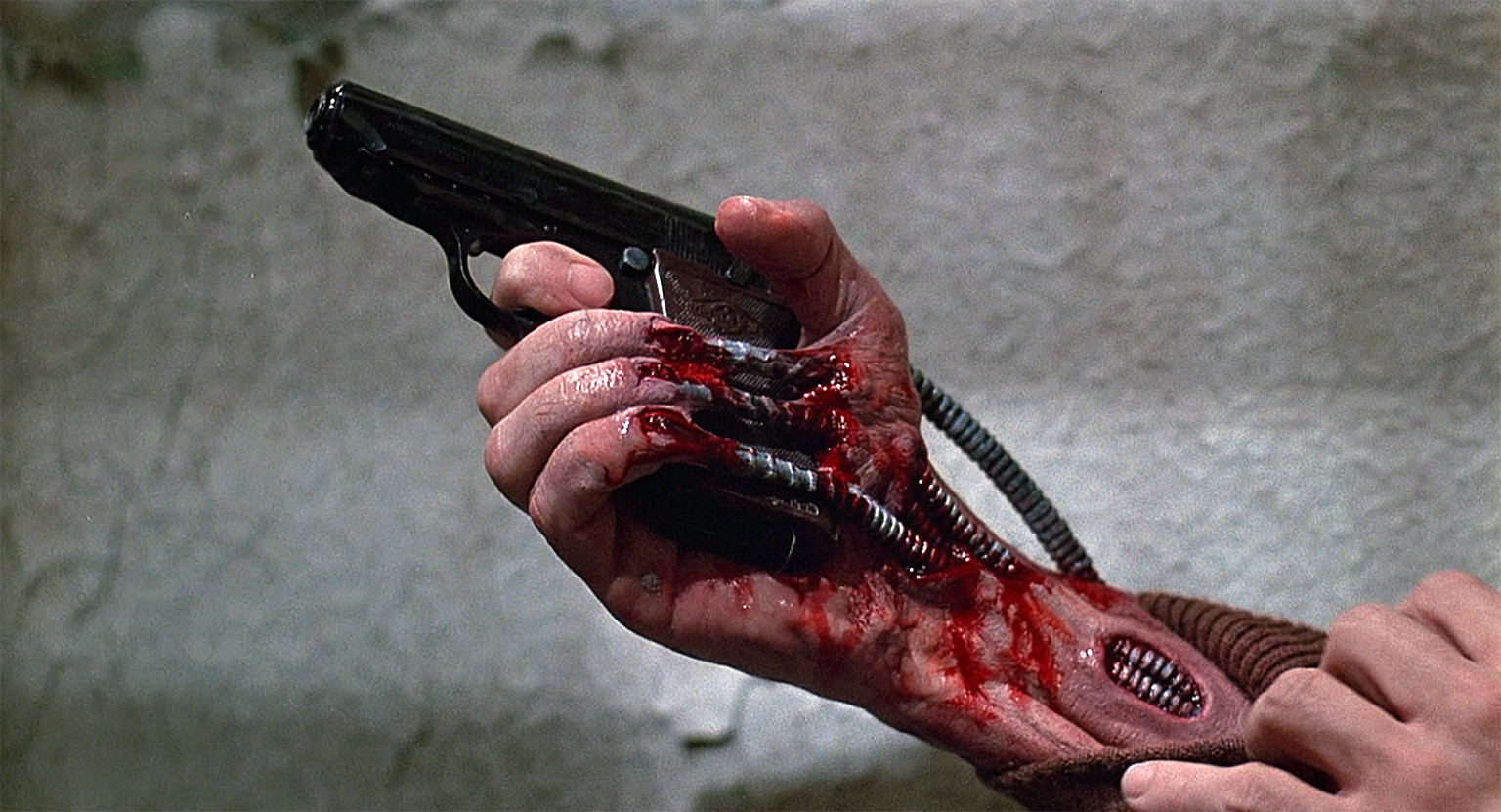
Tetsuo's character incorporates elements from experimental and sci-fi films - it has influences from Lynch's Eraserhead, Cronenberg's Videodrome, Ridley Scott's Blade Runner and Katsuhiro Otomo's Akira. Was it more important for you to explore the possibilities of science fiction or to create a story about the victory of the monstrous over the human?
I must say that it’s true that Videodrome and Blade Runner had a huge influence on me, that they were a kind of fatherly beginning in my work during the period when I was filming Tetsuo. But I want to note that the cartoon “Akira” appeared at the same time as “Tetsuo”, so I can’t say that I was inspired by it: they appeared at the same time - under the influence of “Videodrome” and “Blade Runner”. When I made Tetsuo, I didn't even know that there was such a thing as cyberpunk, until later I found out that it was called that. I absorbed everything that was in the underground culture of that time. Having absorbed this, I created what I created.
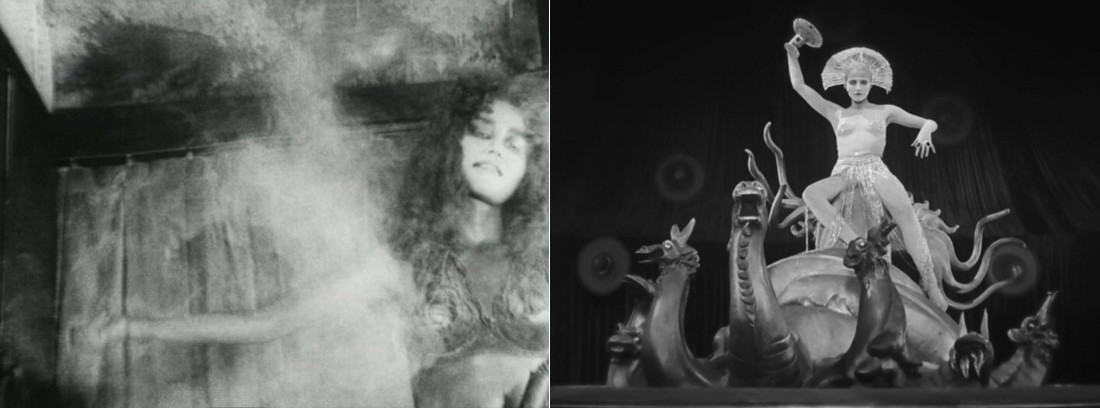
Is there a connection between German film expressionism and “Tetsuo”: the actors’ makeup, high contrast of light and shadows, lighting like in silent films, and a total sense of horror?
“Tetsuo” absorbed a variety of influences, everything that I was interested in at the time. Among this there were definitely works by the German Expressionists, as well as the Italian Futurists, whom I loved at the time. Of course, these are old Japanese kaiju-eiga monster movies and black and white nude photography.
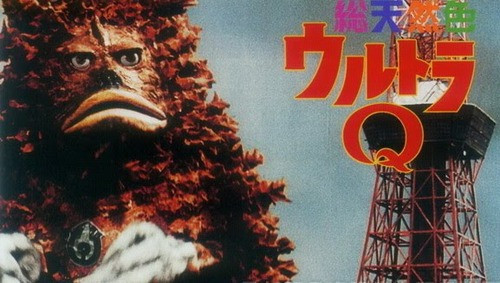
Can you name your favorite kaiju-eiga movie, Japanese sci-fi cinema from the 50s with giant monsters?
First of all, this is the first Godzilla from 1954. You may know that Godzilla's special effects director is Eiji Tsuburaya, who also directed the Ultra Q TV series, which came out before Ultra Man . As a child I loved him very much.
Tell us, were you familiar with Sogo Ishii, considered the father of the Japanese cyberpunk wave, in the 80s? Did you perhaps inspire each other and share ideas during that time?
Mr. Ishii and I studied at the same university, but he was two years older than me. Already in his student years he made films and was quite famous. We didn’t know each other then; it happened much later.
Did you see Sogo Ishii's first films at that time?
Yes, I saw Exploding City and Mad Thunder Road (the 1982 and 80 films that are considered the first Japanese cyberpunk films) .
Excerpt from the film Exploding City (Sōgo Ishii), 1982, with overdubbed music by Zeitlich Vergelter - industrial band Chu Ishikawa
How were the first screenings of your films and Tetsuo?
The first screenings of Tetsuo took place in small cinemas. But there were a lot of spectators there, and I realized that this was a success. After Tetsuo, I was already able to make commercial films, for example, Hiruko the Goblin. If you're asking about my youthful experiments with 8mm films, of course, these films were mostly seen only by those close to me.
How did the audience perceive “Tetsuo” and did the film have any influence on them?
My works are not works for a wide audience. I think that Japanese audiences of that time definitely looked at the film as something special, unique and interesting, and sometimes perceived what was happening on the screen with surprise. My films include works that combine art and entertainment. "Tokyo Fist" received recognition at the Sundance Film Festival, and then I was, of course, very happy. But in general, my films are not for mass audiences. I think that the people who came to see Tetsuo understood and appreciated the film for this.
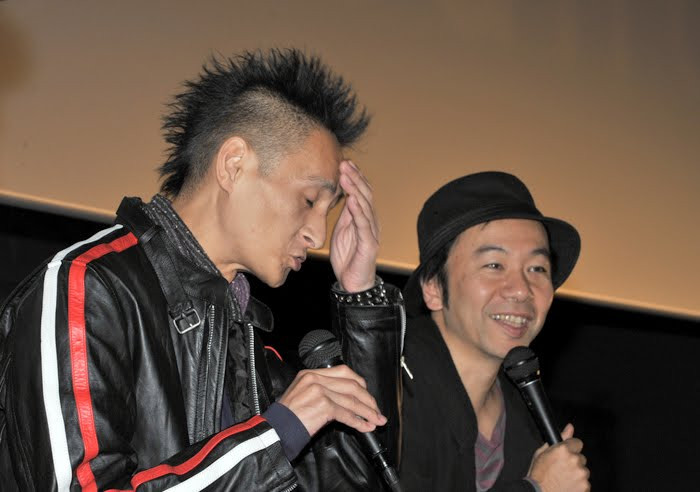
Was it the case that you became interested in industrial music after meeting Chu Ishikawa, who later became the composer of many of your films? And what was it like working with him?
Ishikawa is a very famous industrial musician. We met when I was thinking about Tetsuo and developing the idea for the film. I needed music that fit the concept, I wanted a metal sound, and Ishikawa helped me a lot here. After that we became friends, and subsequently I often asked him to work on soundtracks for my films. But it cannot be said that every time it was industrial music: he always wrote the soundtrack in accordance with my requests, so that the music would suit a particular film. And despite the fact that Ishikawa is associated with industrial music, he was an extremely gifted musician who represented much more than the industrial genre. (Chu Ishikawa sadly passed away last year.)
Track “Bullet Ballet” from the soundtrack to the film of the same name by Shinya Tsukamoto, 1998
Describe how the late 80s felt in Japan? Was it a happy or depressive period, from the point of view of economics and social processes? Because Tetsuo contains a critique of this era.
In the 80s, I was mostly concerned about the balance between humanity and technology, because I had a feeling that as people became more dependent on technology, they were losing their humanity. Of course, in the 80s, Japan began an era of economic growth. It seemed to be going well. But in the 80s I was haunted by a sense of crisis caused by this imbalance. In films like “Tokyo Fist” or “Bullet Ballet,” I was also concerned about the theme of the relationship between man and the city - this can be called one of the particular manifestations of the theme of man against technology.
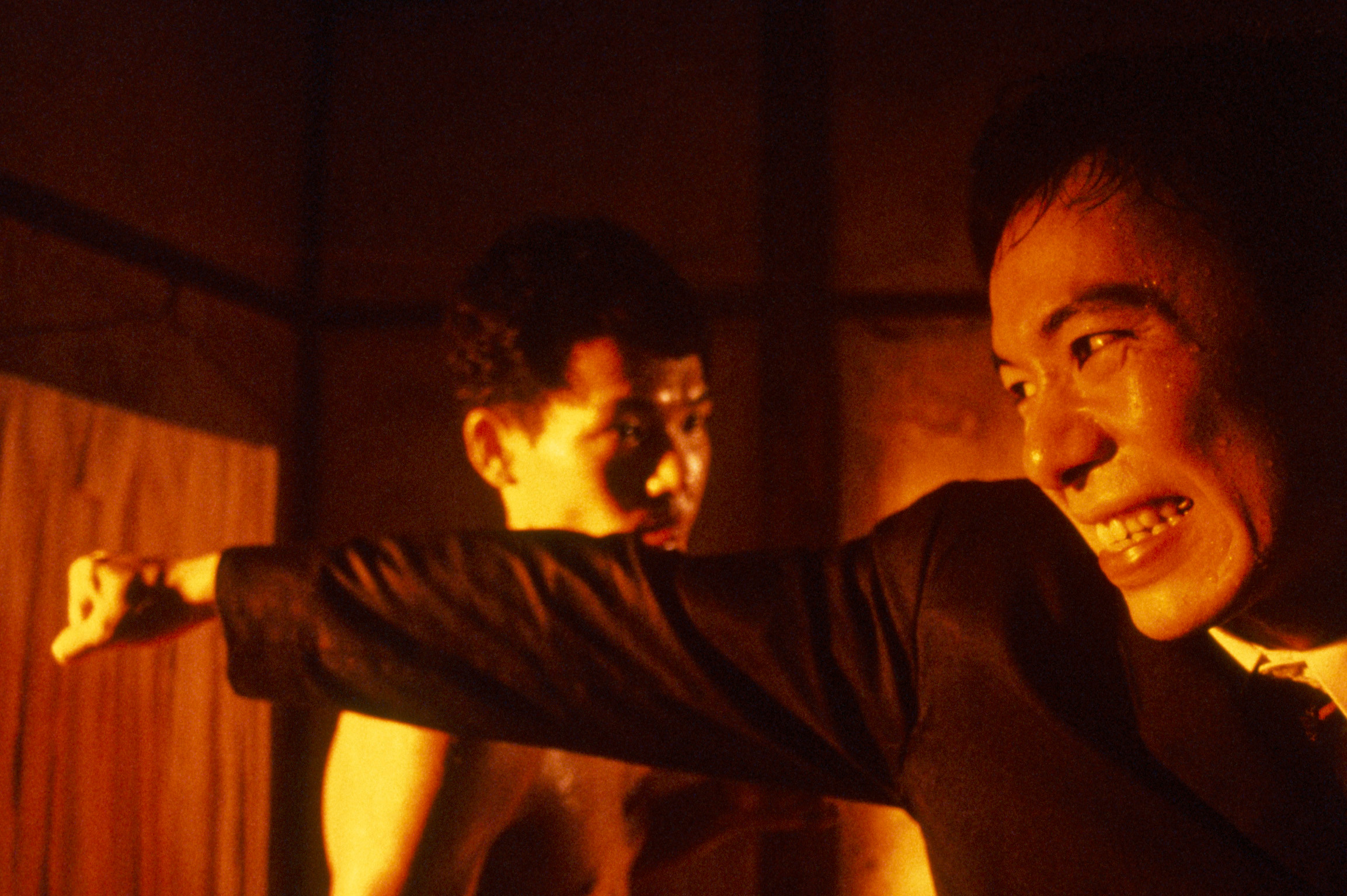
Often Tokyo is a separate character in your films - a parallel space inhabited by sleeping people, phantoms and affective creatures. What role does Tokyo play in your works?
The older generation of directors had their own themes: someone filmed about the war, someone raised the national issue because he was from Korea, someone was interested in the theater movement because he took part in it. Then we (the generation of the 80s) thought that we did not have our own theme. Later I realized that the city is what I can call her. This happened after one of my films was shown abroad: one of the critics said that it was a film about the city. And since then I think that really themes like man and the city, or flesh and concrete, are very important to me.
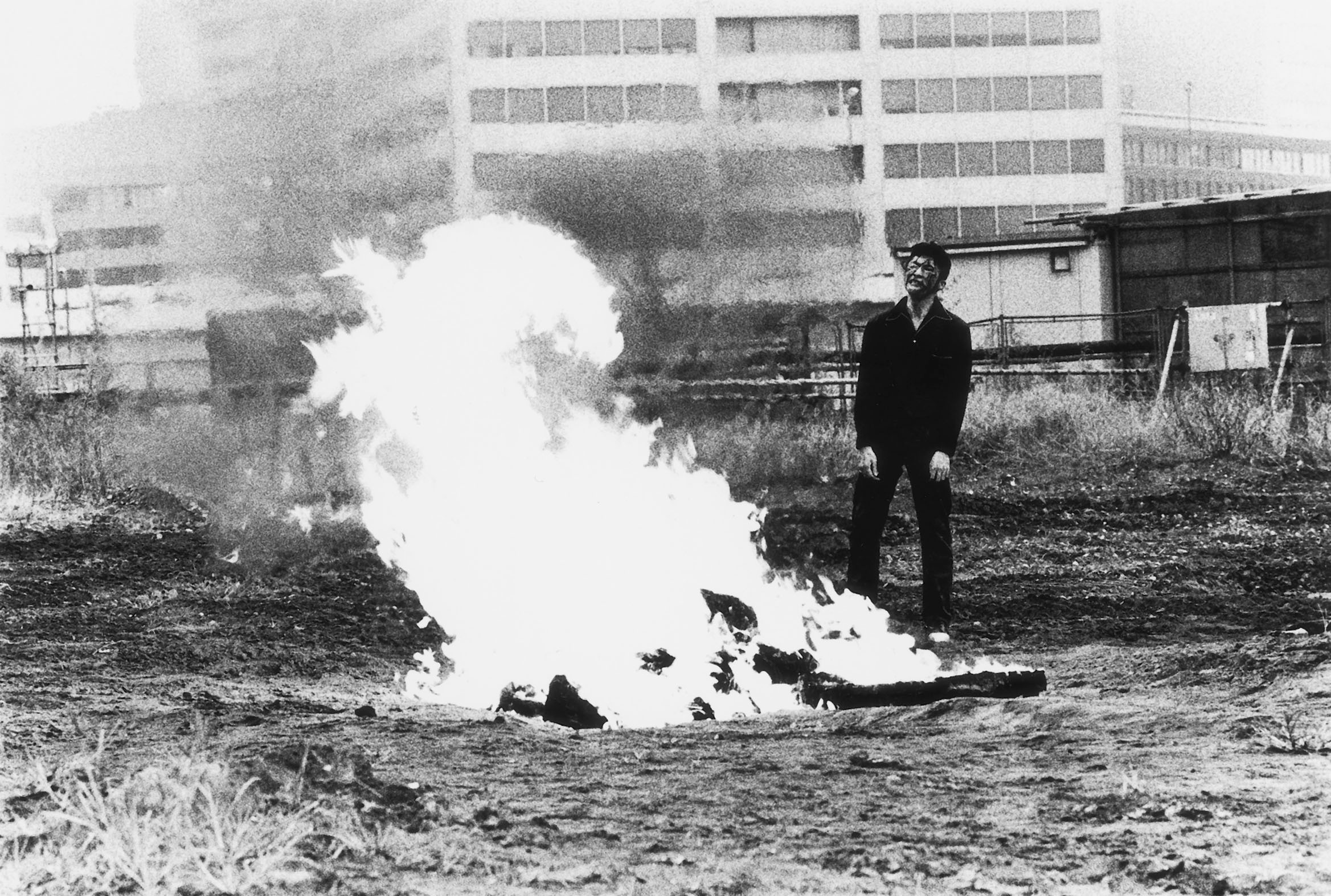
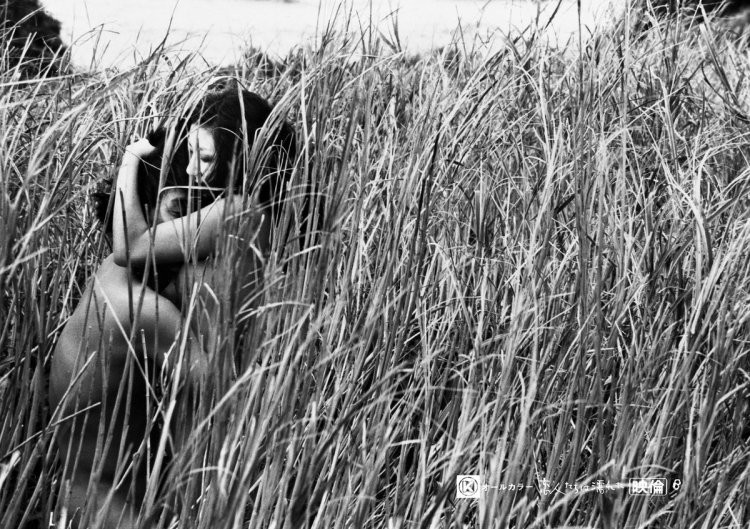
Director Kiyoshi Kurosawa once said that film researcher Shigehiko Hasumi instilled in him a love for genre and auteur cinema through his lectures. Can you call someone your teacher, not necessarily a teacher, someone who greatly influenced you?
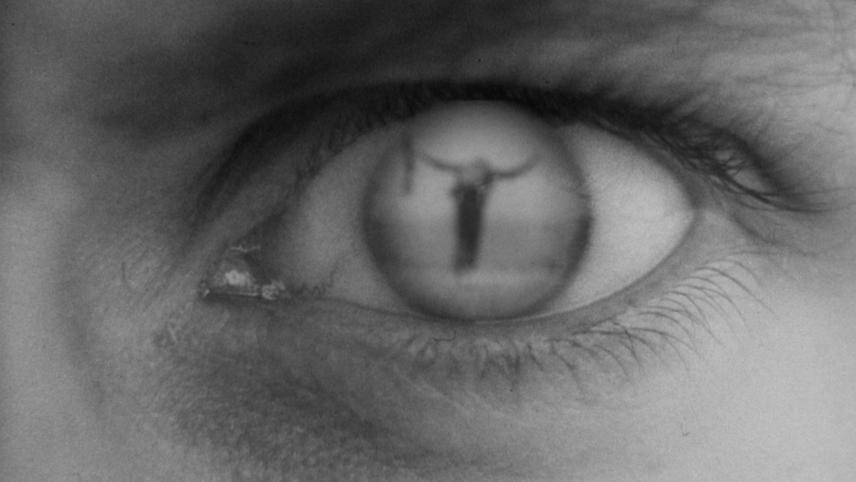
In fact, I taught myself how to make films: I went to cinemas and watched a lot of films there. I can't say that I learned this from someone. In middle school, I mostly watched famous Western films and went to meiga-za cinemas in Tokyo (single-screen cinemas that were popular until the late 80s). In high school, I exclusively watched Japanese films. Akira Kurosawa, Kon Ichikawa and Tatsumi Kumashiro, who worked at the Nikkatsu studio (and made films in the genre of roman porno), had a big influence on me.
You say you were inspired by Akira Kurosawa. At the same time, you are a big fan of the films of Teruo Ishii, who is considered one of the main nonconformists in Japanese cinema, combining incompatible things and inventing new genres. Which of these two approaches influenced you more: the “classical” approach of Kurosawa or the genre-film approach of Teruo Ishii?
Of course, I love Kurosawa very much. You all know that this is a luminary of Japanese cinema. And in a sense an orthodox figure. And Teruo Ishii even acted in my film once, which was an amazing experience. He is already over eighty. And he makes independent films. I really love his style, his rules of life. In addition, among such films, I really like the films that were produced at the ATD association, where Shuji Terayama worked. I remember watching Terayama's film Pastoral in high school. To die in the village” - I was completely delighted. “And so you can make a movie too?” - I thought. He was a poet, it is always interesting to see films made by a poet. In my work, I have always wanted to maintain this balance between experimental and entertaining. This has been important to me since the very early stages of my career. And in the same spirit I am going to continue making films.
TERUO ISHII:
I have never felt obligated to “represent” anything with my films. I tried to do what was interesting to me personally. Most filmmakers prefer the safe route of "trendy" films or "message films", but not me. I was ready to be criticized and denounced, although I did not expect that my work would be reviewed and appreciated after so many years.
SHUJI TERAYAMA:
When I was younger, I thought that the dream of becoming invisible and the dream of becoming a poet were contradictory. But now I can say that one does not interfere with the other.
In one of your interviews, you said that the most important film for you is “June Serpent,” which you spent about fifteen years of creative research creating, and that it could be the last in your filmography. Tell us how his idea and his experimental visual solution came about (noir-style atmosphere, black and blue contrasting colors, 16 mm film)?
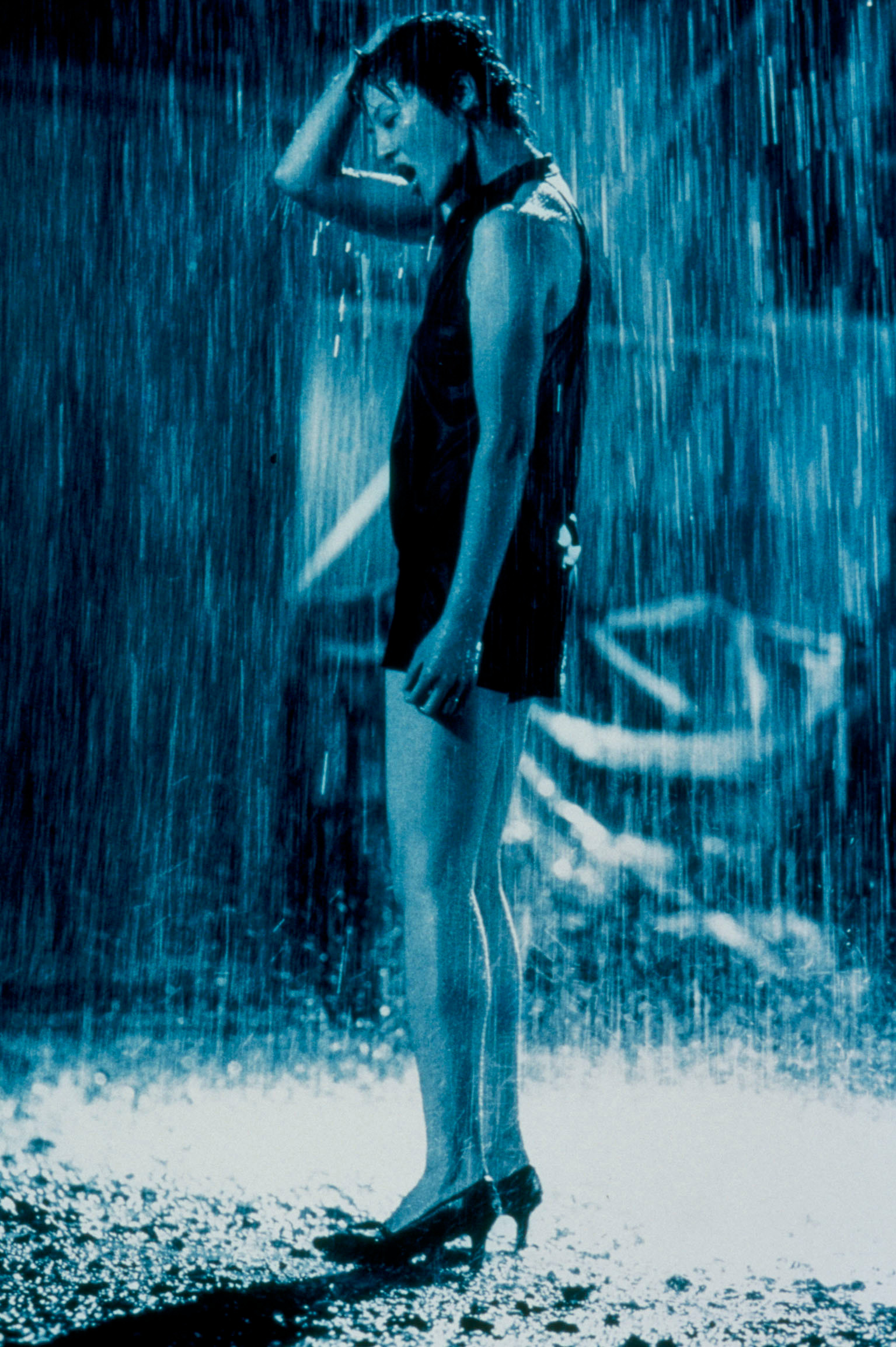
This is a really important film for me. But I never said that it could be my last. I thought about creating it even when I was working on Tetsuo. As you probably know, the rainy season begins in Japan in June, and that's when I wanted to start filming, but somehow it didn't work out. Every year I thought that I was about to start filming when the rainy season arrived, but each time I didn’t have time.
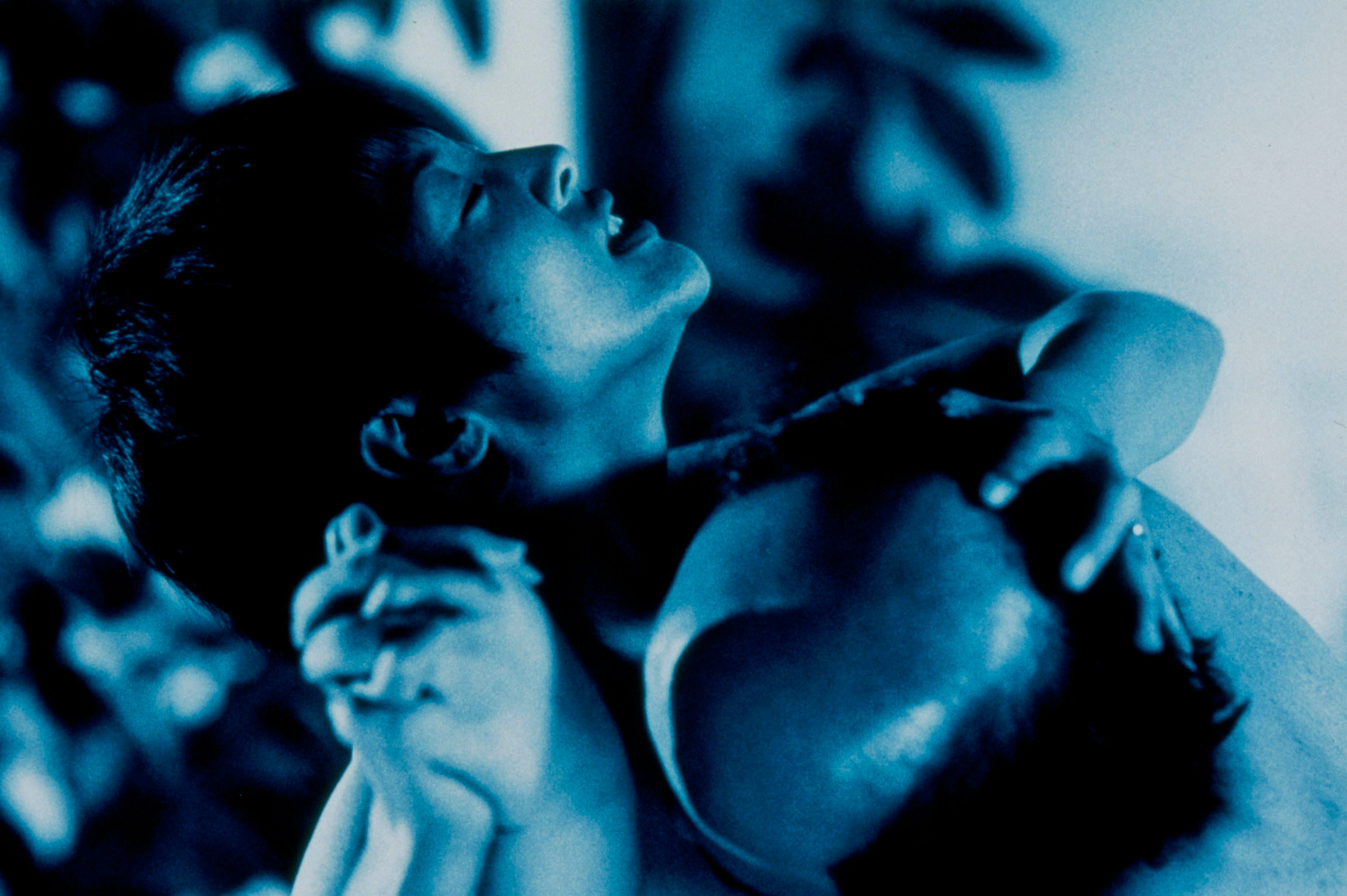
Initially, I wanted to make an erotic picture - a film about a woman who gets into an unpleasant situation. But then a lot of things changed, I was already 42 then, I was married, and I paid a lot of attention to the women who were next to me: my mother, my wife. I admired them. Then my vision for the film began to change. I completely changed the idea. According to the plot, the main character meets a photographer spying on her, becomes his victim, but at the same time discovers something in herself that was not there before. As a result, she stops being portrayed as a victim. From the banal male perception I came to a deeper understanding of the plot. This was a very important discovery for me.
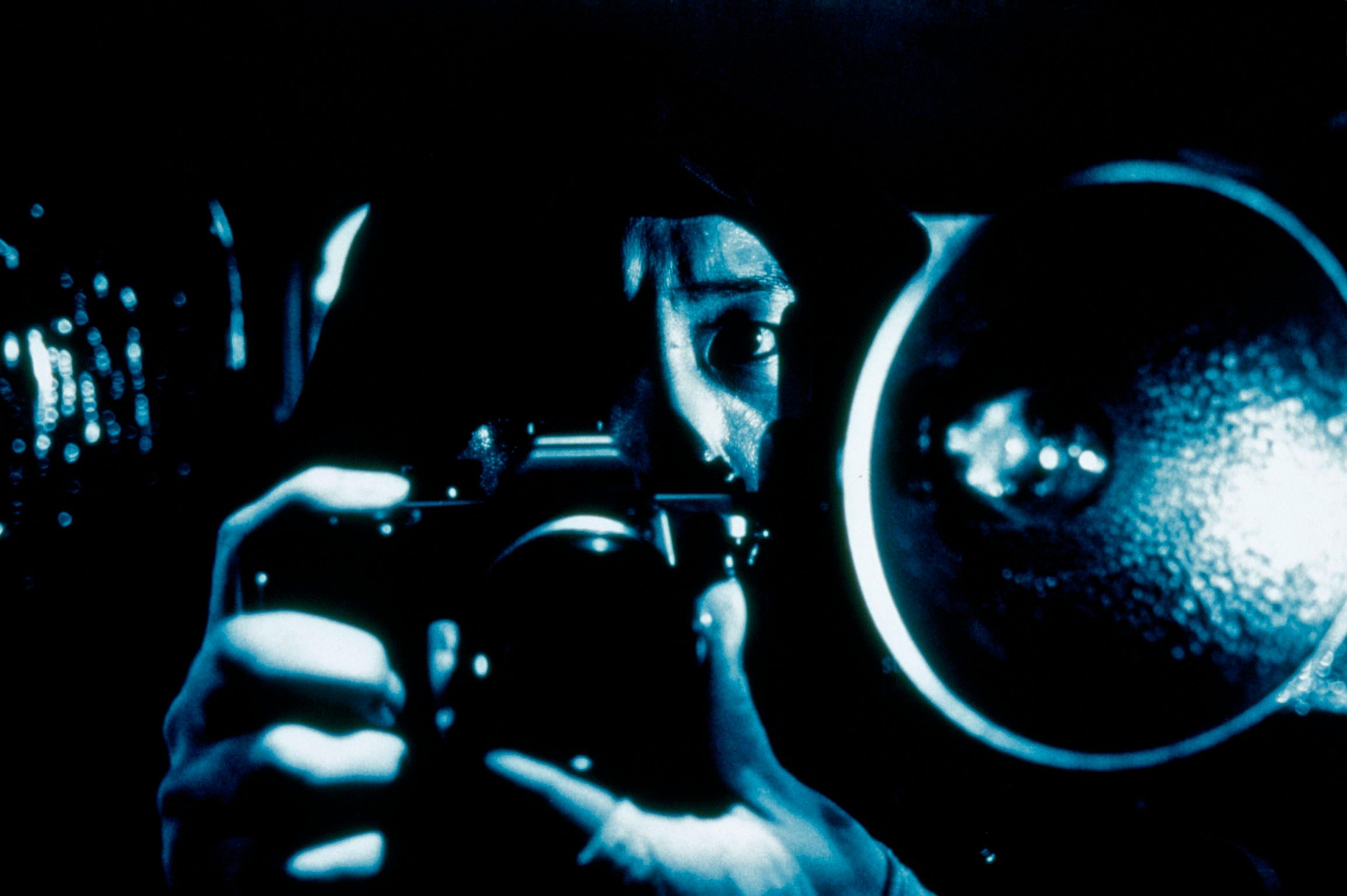
As for the visual side of it, initially I wanted to make it black and white. But then I thought that I should achieve the effect that we get, for example, when observing water flowing down concrete walls. So I tinted the image blue. And what happened was what happened.
Was it difficult to work with 16mm film and shoot such a long film on it?
This is not to say that the film is that long. Almost all of my films are approximately the same in length (about an hour) . Yes, I shot on 16mm, like many of my action films. In Japan it was a fairly affordable format; other film was more expensive. But then, of course, I switched to 35 mm.
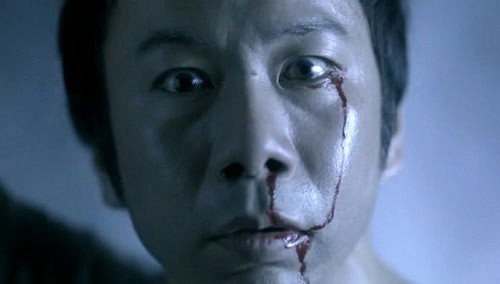
You are not only a director, but also an actor. At the same time, in your films you often play negative characters, for example, a fetishist in “Tetsuo” and “June Serpent”, an insecure avenger Godu in “Ballet of Bullets”, “0”, pushing people to suicide, in “Nightmare Detective”. Why do you choose these heroes ?
There's something appealing about playing villains. And there's something interesting about bringing something out of yourself while playing that you wouldn't normally notice. When I was in elementary school, I took part in a school play, where I played a negative character. I was an introvert and a rather introverted person. But this experience helped me realize the beauty of the game. It was like drawing out of ourselves many things that we often don’t even know exist.
You can be called a true representative of auteur cinema: you write scripts yourself, act as a cameraman, edit your films, and act in them. How difficult is it to remain independent and create the kind of cinema that interests you in modern Japan?
In the days of film, filming was difficult, and not many people were filming. Thanks to digital technology and new types of cameras, I have been able to do projects that would not have been possible in other times, such as Fires on the Plains. Nowadays there are a huge number of young directors who have many opportunities to film what they want. Of course, there is a danger of simplifying the creative method. But if you watch out for this, then everything will be all right. But I must say that I really love film, it brought a certain materiality to the work on the film.
Do you feel that due to the rapid development of technology, cinema as an art form is experiencing a crisis and is approaching its decline? How difficult is it to work in cinema when, for example, TV series are more popular?
Yes, with the departure of film, not very positive trends can be observed. Although I still believe that everything depends primarily on the person himself. Of course, when you stop dealing with film, the feeling of manual work leaves you. It is replaced by a feeling of lightness, which is not always beneficial. Although again it all depends on the person. But here you need to be extremely careful. In addition, cinema is currently divided into two camps: large-budget, mass-market films with simple plots, or very low-budget projects. What was in the middle is gone, and now I and similar directors have to work with small budgets. This is a big problem.
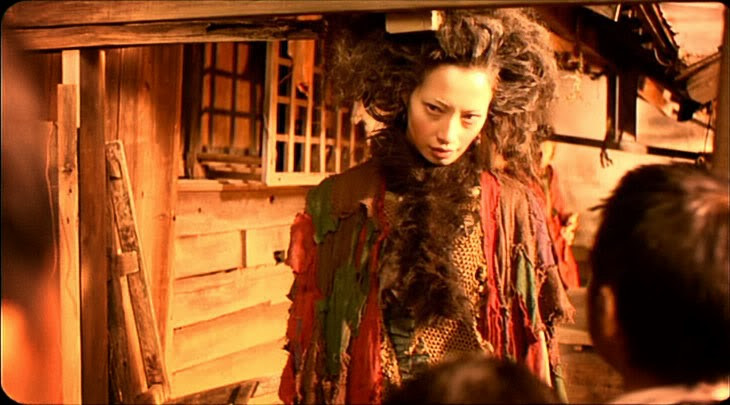
В последнее время из–за наступления эпохи высокого разрешения и максимальной чёткости японские режиссёры всё чаще привлекают айдолов (медиа-звёзд с идеальной внешностью) в качестве актёров . Вы же работали с айдолами и моделями и раньше. Как, по-вашему, почти идеальные их лица влияют на экспрессию и психологизм в кино?
В своих фильмах, например, в «Близнецах», я снимал бывших моделей. Делал я это для того, чтобы хоть как-то разбавить тяжёлую грузящую атмосферу моих фильмов женственностью и сексуальностью героинь. Кроме того, я люблю сам работать с камерой, и для меня важно снимать фотогеничные лица.
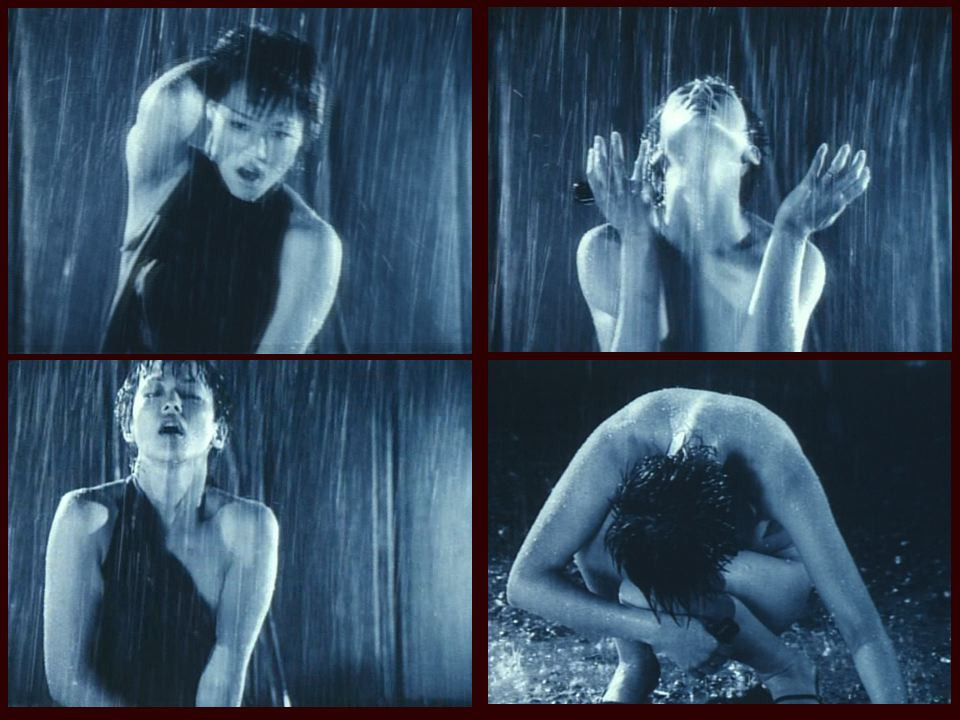
Как-то вы сказали: «Я всегда снимаю фильмы о том, чего боюсь больше всего, мой собственный страх становится основой сюжета». Но есть в ваших фильмах место и коллективным страхам: это ярко проявлено в «Кошмарном детективе» и «Котоко», который является не только историей певицы Котоко, но и рефлексией по поводу трагедии на Фукусиме. Насколько для вас сложно работать с такими глобальными темами и пропускать через себя страхи японского общества?
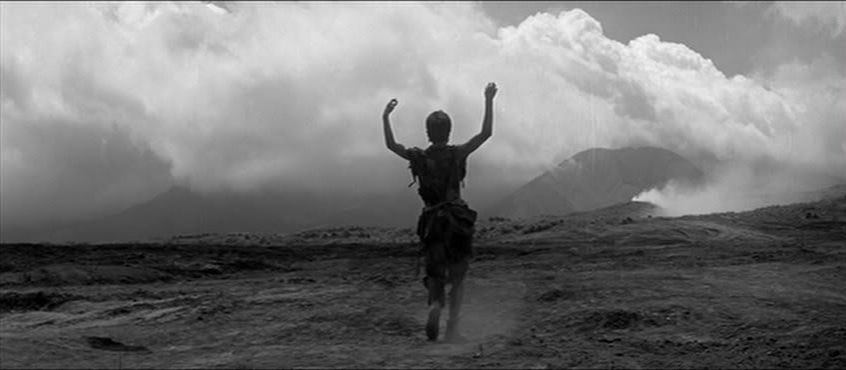
В начале своей карьеры я старался выбирать темы, которые не были бы интересны другим режиссёрам. Но впоследствии я увлёкся более глобальными и универсальными вопросами. Так, например, в «Котоко» звучит тема общества, мира, в котором нам становится сложнее заботиться о важных для нас людях. А в «Пожарах на равнинах» я открыто обратился к теме войны. Это связано с тем, что в Японии, которая уже 70 лет не участвовала в военных действиях, уже в открытую говорят о таких вещах, как «война». И этот страх я воплотил в своей картине.
Танец Котоко
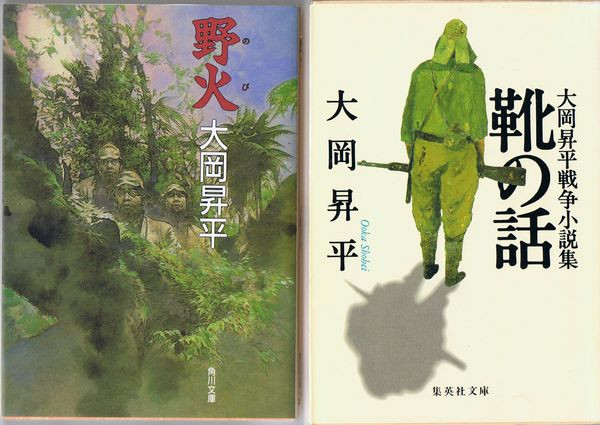
Ваш фильм «Пожары на равнинах» снят по роману Сёхэя Оока «Огни на равнине». Книга рассказывает об аффективном состоянии. По сюжету, деморализованные солдаты разбитой японской армии в конце Второй мировой войны пытаются выжить на одном из Филиппинских островов , скитаясь по джунглям и теряя остатки человечности. В романе после всех пережитых ужасов главный герой приходит к религиозному мировоззрению. Насколько тема религии была важна для вас в фильме? Поскольку, как мне кажется, акцент сделан на другом.
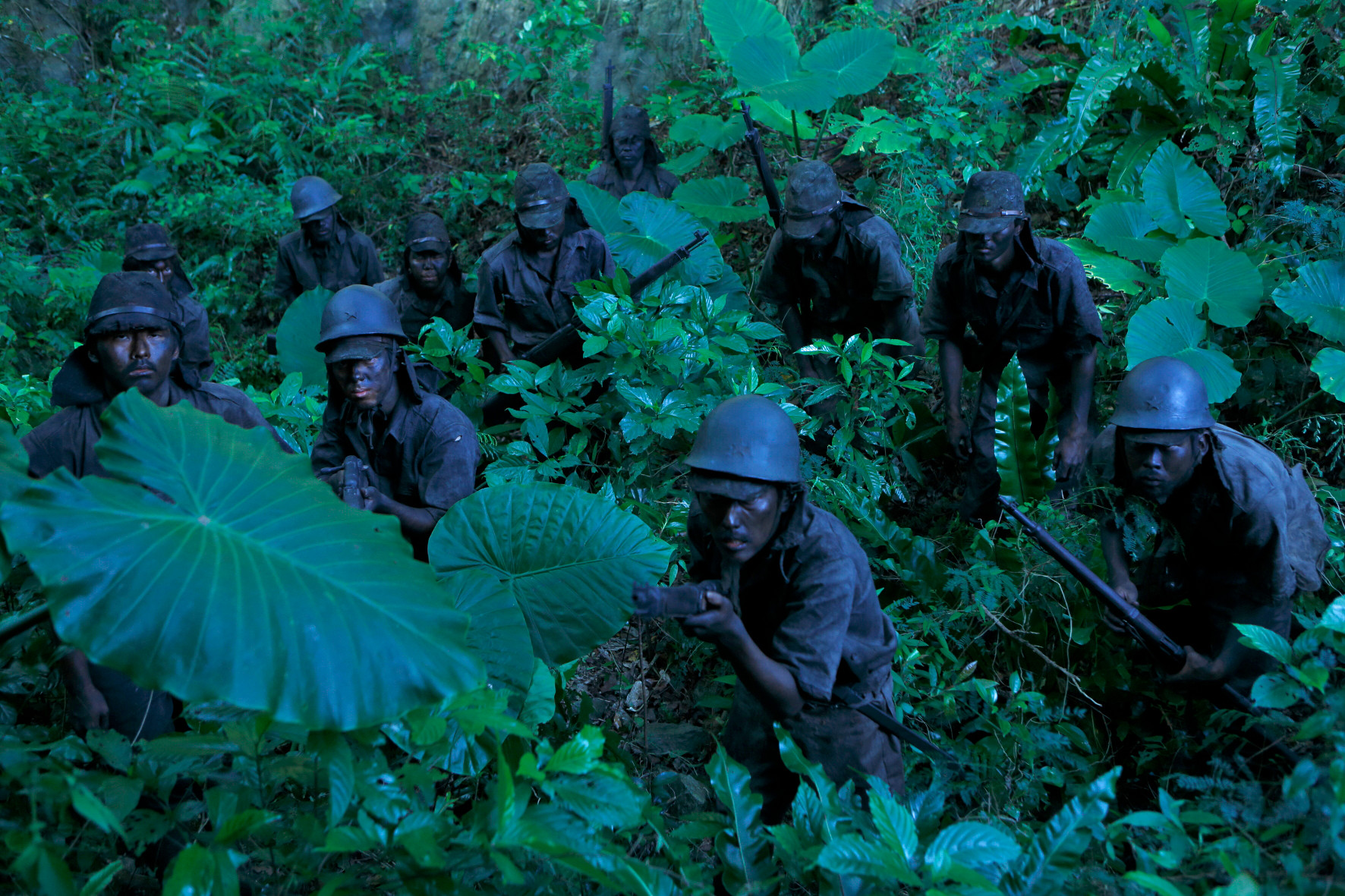
Вы правильно заметили, в фильме не такое большое внимание уделяется религии, хотя я старался экранизировать книгу, по возможности, сохраняя в ней всё. Однако в процессе производства для меня намного важнее было само противопоставление неописуемой по красоте природы и человека, который вынужден был на войне расстаться со своей человечностью. Там были показаны такие страшные сцены, как сцена с солдатом, который поедает плоть своего врага. Это уже создаёт драматургию: контраст бесчеловечности и природы — тема, которую я хотел бы отдельно осветить.
Мне показалось тогда, что религия лишь усложнила бы проблематику фильма, это ведь совершенно особая тема. И я подумал, что замысел произведения не пострадает, если я избавлюсь от нее. Кроме того, напомню, что Кон Итикава, который тоже экранизировал этот роман в 1959 году, точно так же, как и я, обошёлся без темы религии. Автор романа Сёхэй Оока ещё был жив тогда, и, по всей видимости, режиссёрская работа Кона Итикавы ему понравилась.
На сайте imdb.com указано, что сейчас вы работаете над новым самурайским фильмом. Расскажите, что это за проект?
Да, сейчас я занимаюсь производством одной самурайской картины: её съёмки закончились ещё в прошлом году, сейчас я работаю над монтажом. Чуть позже перейду к работе со звуком. Планирую закончить к концу апреля и надеюсь выпустить фильм в прокат в течение года. Как мы уже говорили, меня беспокоит, что в последнее время в японском обществе всё чаще говорят о возможности войны. Каждый год я отвечаю на запросы кинотеатров о показах фильма «Пожары на равнинах», приуроченных к годовщине окончания Японией Второй мировой войны. Мне кажется, это очень важная деятельность, я хочу, чтобы люди глубоко понимали всю суть проблемы. Вот этим я тоже сейчас занимаюсь.
Скажите пару слов о сюжете нового фильма.
Я очень давно хотел снять подобное кино, но у меня никак не рождался сюжет. Ключевой сценой нового фильма для меня стал образ молодого человека, который очень долго смотрит на меч и думает, почему в нашем мире мечами можно убивать людей. Эта сцена давно была мной задумана. Действие происходит в конце периода Эдо.
Цукамото-сан, мы ещё раз хотели бы выразить благодарность, что вы нашли время на проведение интервью. Мы являемся горячими поклонниками ваших фильмов и желаем вам оставаться в хорошей творческой форме. Thank you.
Нет, что вы, это вам спасибо. Я очень признателен, что вы так глубоко проникли в тему и задали мне столько интересных вопросов. Правда, боюсь, что мои ответы были слишком простыми.
январь, 2018
Интервьюер: Ира Дмитриева
Переводчик с японского: Евгений Зацепа
Помощь с организацией интервью и переводом на японский: Икуру Куваджима
Куратор программы «Японские фильмы категории B» в Музее современного искусства «Гараж»: Катерина Белоглазова
Кадры из фильмов Синьи Цукамото любезно предоставлены им самим.
Если вам понравился материал
— следите за обновлениями на нашем
медиа-ресурсе japanese , посвящённом японской культуре с акцентом на современность и авангард.