
Translated material
Art. Punk + fashion
Antagonists by birth, punk and fashion have long found common ground - freedom and the sexuality of rebellion.
TEXT: IRINA KULIK
COURTESY OF THE METROPOLITAN MUSEUM OF ART, PHOTOGRAPH © DENNIS MORRIS, BY CATWALKING © ROBERTA BAYLEY, © NATHALIE SANCHEZ FOR MAISON MARTIN MARGIELA
A series of publications from back issues of Numero magazine. This material was published in the magazine Numéro N 03 (May 2013)
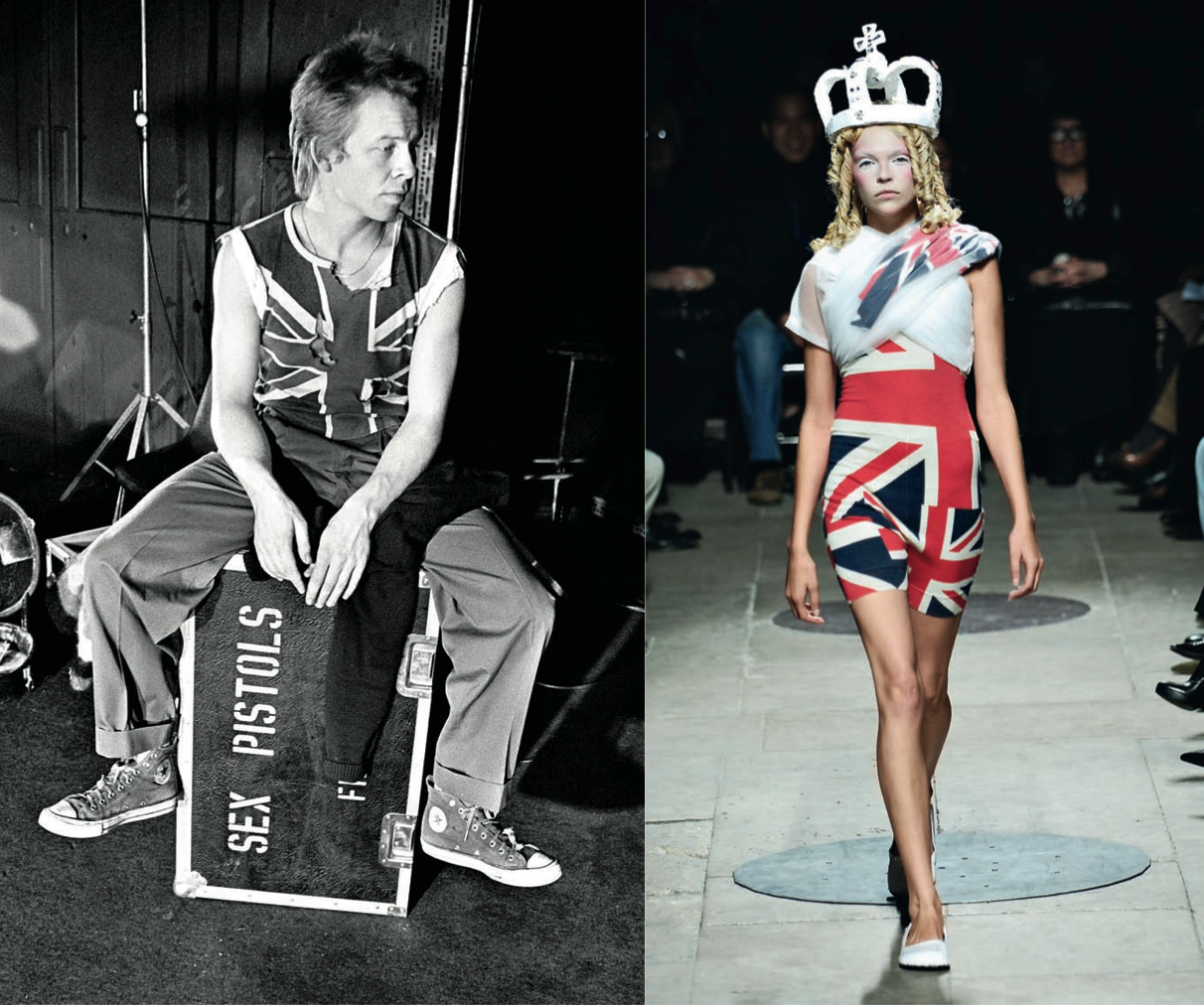
On May 9, the annual Costume Institute exhibition opens at the Metropolitan Museum of Art. This time it is dedicated to punk and is called “From Chaos to High Fashion.” The choice of such a plot no longer seems shocking. After all, perhaps the most recognizable and enduring element of punk culture from the point of view of the general public is clothing. And mohawks, leather jackets with spikes and studs, safety pins, artistically torn and graffiti-covered jeans and T-shirts have been making the rounds from the streets to the catwalks and back for decades. Punk fashion is truly a unique phenomenon, and not only because of its extravagance. Unlike hippies, mods, bikers and other previous subcultures, punks did not champion alternative ideas of beauty and sex appeal, but seemed to sincerely want to look disgusting. Punk - in music, behavior and clothing - arose as a real anti-aesthetic. It is no coincidence that he was genetically connected with modern art: American punk rock dates its history back to the Velvet Underground, which was produced by none other than Andy Warhol. American punk was first and foremost a music and a lifestyle, but not yet a fashion. Punk musicians overseas did not yet have their own “uniform” and dressed in anything, as long as it was blatantly unfashionable in the everyday sense of the word, and whether you look like a bohemian decadent or a street punk is not so important.
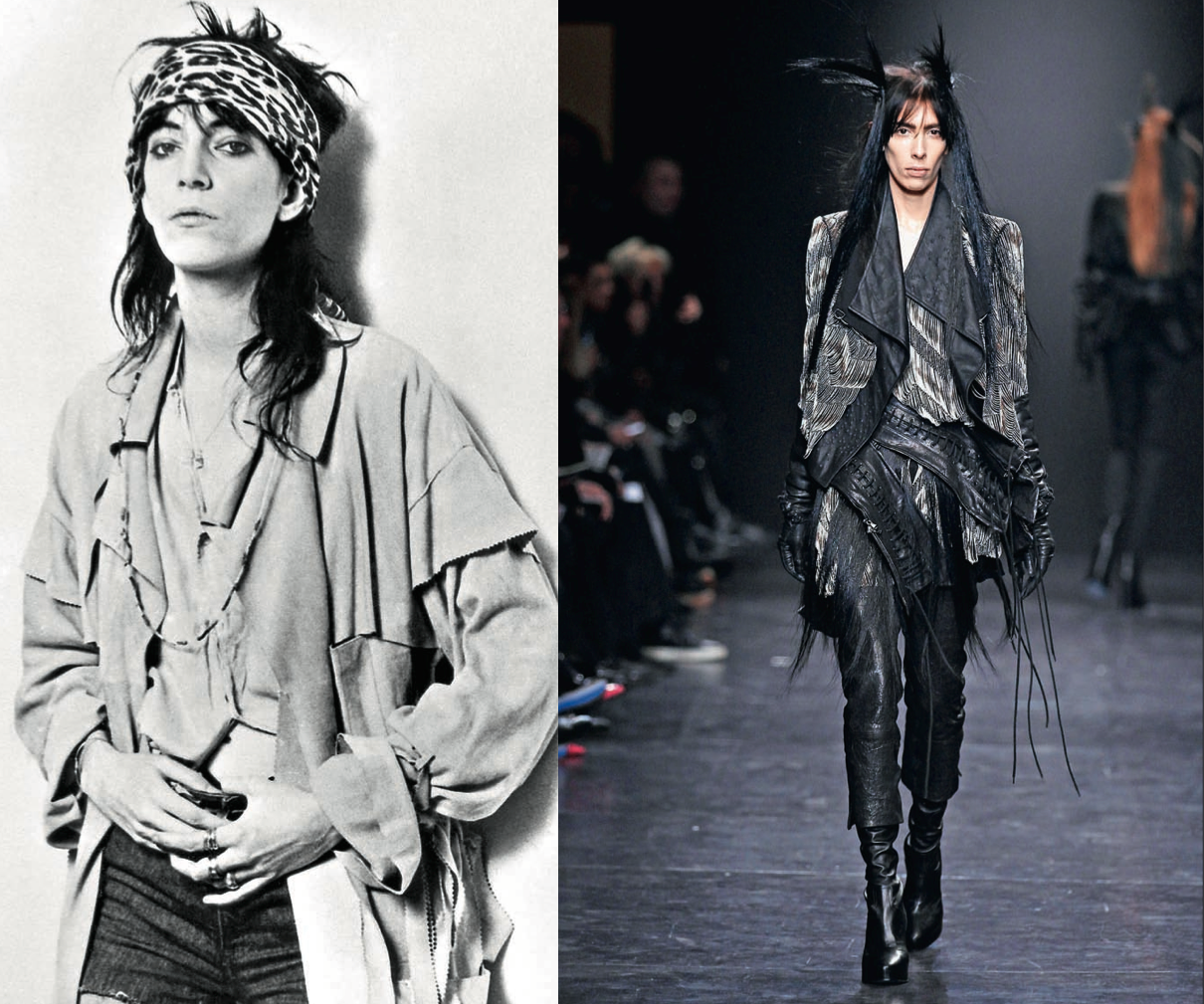
The clothing had to be, above all, inappropriate, be it Patti Smith's shabby men's suits or the women's dresses worn by male musicians from the New York Dolls. Punk as a clothing style appeared a little later and owes its birth largely to the Englishman Malcolm McLaren. In his youth, McLaren was fascinated by the ideas of the French Situationists and dreamed of changing society, but as a tool he chose not politics, but music and fashion: punk for him was a kind of total artistic project. McLaren, as you know, had a hand in creating the Sex Pistols, but even earlier, together with his wife, designer Vivienne Westwood (who for a long time was known only as the “queen of punks”), he opened a clothing store in London, which was first called Paradise Garage, then Let it Rock, and then Sex. All that specialized clothing for the new subculture was sold there, without which it is impossible to imagine the “scum” today. London's fashionable punks began to look not just unkemptly dressed guys drinking beer on lawns and sidewalks, but dressed up, as if they were performing their roles as actors. Torn clothes no longer indicated that its owner had just gotten out of a street fight or was completely worn out and did not have a penny for new trousers - picturesque rags became the product not of a hard life, but of inventive designers. Punk has become a fashion brand, and its followers are a kind of dandies, spending no less time on toilet, makeup and hairstyle than African warriors applying war paint or powdering wig curls and gluing on flies of the ladies and gentlemen of the gallant age. In a funny way, the subculture that once made the phrase “No future” its slogan becomes a source of inspiration for many science fiction films about this very future - from “Mad Max” to “Blade Runner”. The cinematic fiction of the eighties, in its own way, imagines a punk rebellion against the established social order, which did fall, and was replaced by an anarchist primitive freemen of either wild tribes or subcultures that inhabited the ruins of the current civilization. The average person, in theory, should be shocked and frightened, but, I must admit, this future looked quite seductive - as did the very picturesque and sexy outfits of its inhabitants. Even “cyberpunk”, the last, as it now appears, utopian model of the future of the late twentieth century, was etymologically related to “classical” punk. “Cyberpunk” was similarly constructed as a celebration of competing subcultures, where appearance was not the least important, even if it was no longer just about clothes, hairstyles, makeup or tattoos, but also about much more significant modifications of the body, giving a person the features of an animal or a machine.
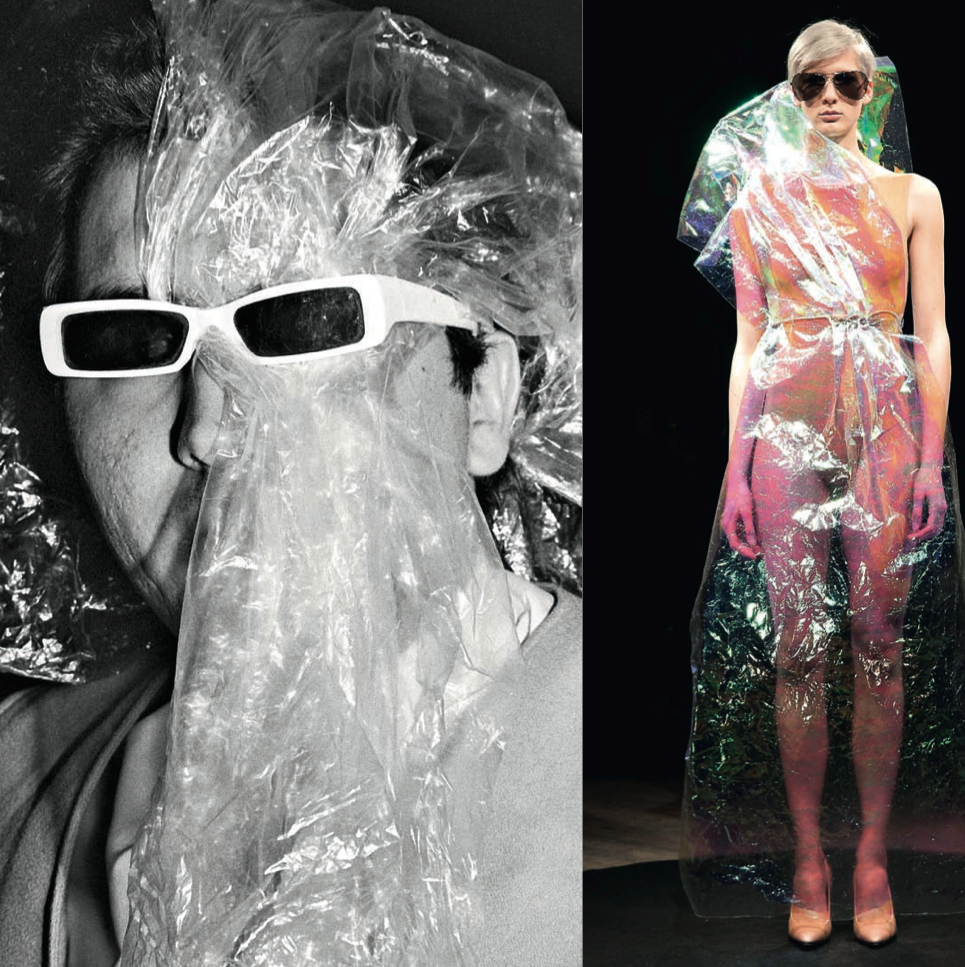
The exhibition at the Metropolitan showcases fashion's classic pairings of designer and muse through the example of punk heroes. This is the alternative future that turned out to be destined for punk fashion. Instead of walking on a scorched earth, she stepped onto the high fashion catwalks. The exhibition at the Met is not so much about the history of subcultures, the ideology of protest or anti-aesthetics, but rather about clothing. Sections of the exhibition detail exactly what contemporary designers have borrowed from the punk lexicon. Torn T-shirts, sweaters crawling into a web, clothes covered with stenciled inscriptions, sewn from British flags and even made from cellophane sheets - all this is now worn not by Paul Cook, Sid Vicious, Richard Hell, John Lydon and other alternative heroes, but by models of famous couturiers, and not only avant-garde artists, experimentalists and intellectuals like Comme des Garçons or Ann Demeulemeester, but also glamor monsters like Gianni Versace or Karl Lagerfeld. Metropolitan invites you to think about how the two concepts of a unique piece interact—the DIY streetwear and the made-to-measure couture. But the exhibition “From Chaos to High Fashion” is also about the eternal temptation of rebellion, which cannot help but become a commodity. Freedom is always at a price, and only a select few can afford it - those who have nothing or have absolutely everything, those who have the courage to go out on the street in a tattered T-shirt with a provocative inscription scrawled in a felt-tip pen, and those who have enough money for a designer imitation of this T-shirt and who can go to a party in it, where no one, not even the face control, will show dissatisfaction with the inappropriate appearance. Punk became a commodity the moment Malcolm McLaren and Vivienne Westwood opened their store in London. It is clear that sooner or later all attributes of nonconformism turn into consumer goods - even balaclavas from Pussy Riot will soon become a fashion accessory. And while designers play with spikes, kilts and mohawks, post-punk icons like Nick Cave or Blixa Bargeld have long been appearing on stage in three-piece suits.
Punk: chaos to couture. Metropolitan Museum of Art. May 9 - August 14, 2013.
Marina Fedorovskaya Music Art Magazines Philosophy People Photography Society Irina Kulik Punk Fashion MET Museum