
Translated material
Game of interests
Sofia softens European pressure where Bulgarian and Russian interests intersect

Rumen Radev. Photo: Jaap Arriens / Sipa USA / TASS
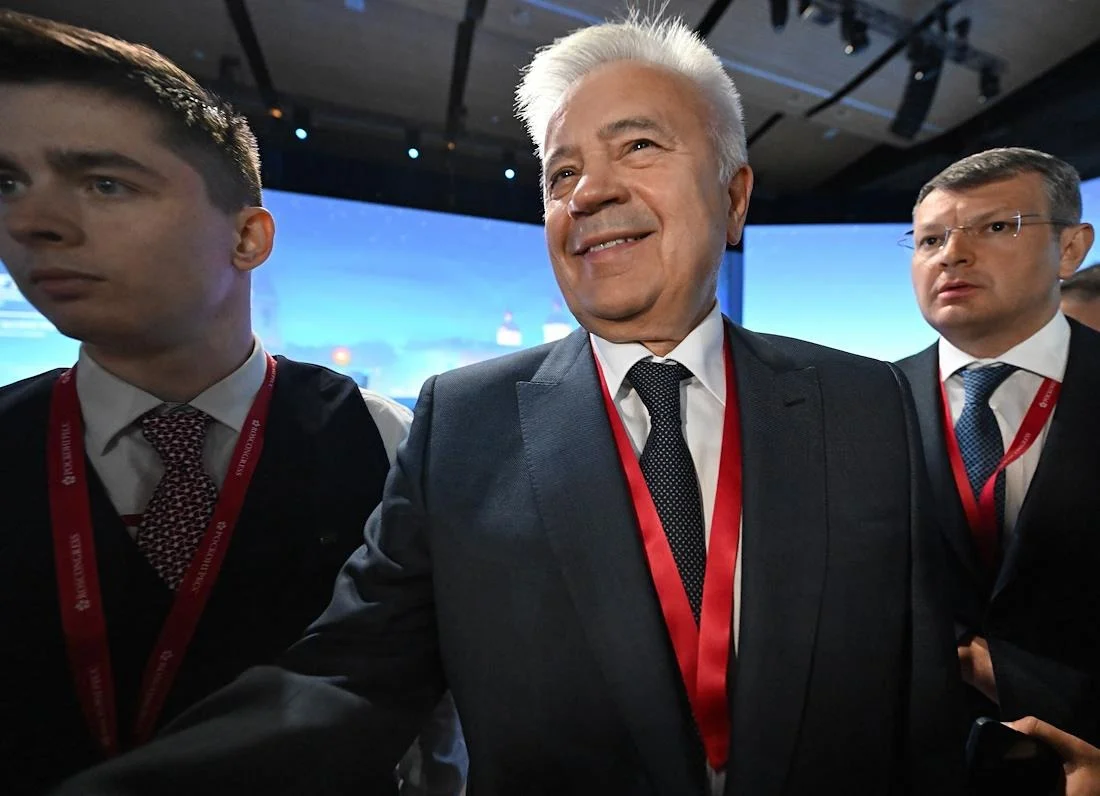
Bulgarian Prime Minister Rumen Radev obscured the pan-European embrasure by achieving the exclusion from planned EU sanctions of not only Patriarch Kirill, but also the founder of Lukoil, Vagit Alekperov. The company owns the Burgas Petrochemical Plant, the largest in the Balkans. It is of great importance for the Bulgarian economy.
HELP "NEW"
In 2025, sanctions were imposed on Lukoil by the UK and the US. The sanctions apply to all companies in which Lukoil owns more than 50% of the shares. This includes the Swiss-registered company Litasco, a subsidiary of the Russian Lukoil group, which is formally the owner and shareholder of the Lukoil Neftochim Burgas refinery in Bulgaria. It produces more than half of the country's fuel.
Radev can protect Russia’s economic interests to the detriment of national ones - this is the conclusion reached by the Free Point research project. The head of the cabinet explained his readiness to block sanctions against Alekperov by the need to protect the refinery in Burgas and prevent a possible multi-billion-dollar arbitration claim from the Litasco company, despite the fact that the Swiss owner only sent Bulgaria a notice of the dispute, which in itself does not even mean the start of proceedings.
Moreover: formally, the dispute does not concern sanctions against Alekperov at all, but Litasco’s claims against the Bulgarian state due to the regime of special state management of Lukoil’s Bulgarian assets introduced after the sanctions. This effectively deprived the Russian group of the opportunity to freely dispose of its Bulgarian company and make a profit from it. But Radev's cabinet linked both issues, arguing that possible sanctions against the company's founder could derail an out-of-court settlement of this conflict.
The government then held negotiations with representatives of the Lukoil group and announced an agreement had been reached, calling it a major success for the Bulgarian economy. However, the contents of the agreements are not disclosed.
The key idea of the authors of the “Free Point” investigation is that the agreements reached actually open the way to the restoration of the previous format of the refinery’s operation, which was unprofitable for Bulgaria. According to the director of the energy program at the Center for the Study of Democracy, Martin Vladimirov, “this is how everything has been working in Bulgaria for decades: Litasco sells oil to the refinery, that is, to itself, at inflated prices, the refinery incurs losses, the profit remains with Litasco and is taxed in Switzerland, not in Bulgaria. This link has been broken due to sanctions, and profits can no longer flow abroad.” For many years, Lukoil Neftohim Burgas did not pay income tax in Bulgaria.
According to the expert,
Rather than take a hard line in the face of a potential legal dispute, the Bulgarian government has raised the white flag early and shown a willingness to make concessions that could make it easier to protect the Russian oil group's commercial interests.
For its part, Radev’s cabinet continues to insist that its goal was solely to ensure the stable operation of the refinery in Burgas and to prevent a crisis in the fuel market.
One might get the impression that the Bulgarian prime minister is behaving as if decisions affecting the interests of NATO allies are being made in an empty room, where there is no Brussels, no Washington, no London. The only problem is that behind the door of this room there is a real world that is closely watching every step. The British temporary general license, which allowed the Bulgarian structures of the company to continue working, is valid until August 13, the American one - until October 29, 2026; both can be extended or terminated. In the second case, the Bulgarian enterprise, although it will not formally close on the same day, may find itself cut off from bank payments, suppliers, carriers and insurers, which will create a real threat of stopping the Burgas refinery and causing an acute fuel crisis.