Date
Author
Анастасия Егорова; Анастасия Мереняшева
Source

Preserved copy
Translated material
Remembering oak bark
The complete disappearance of imported drugs was avoided, but the crisis in the pharmaceutical market continues. How Russians get the drugs they need
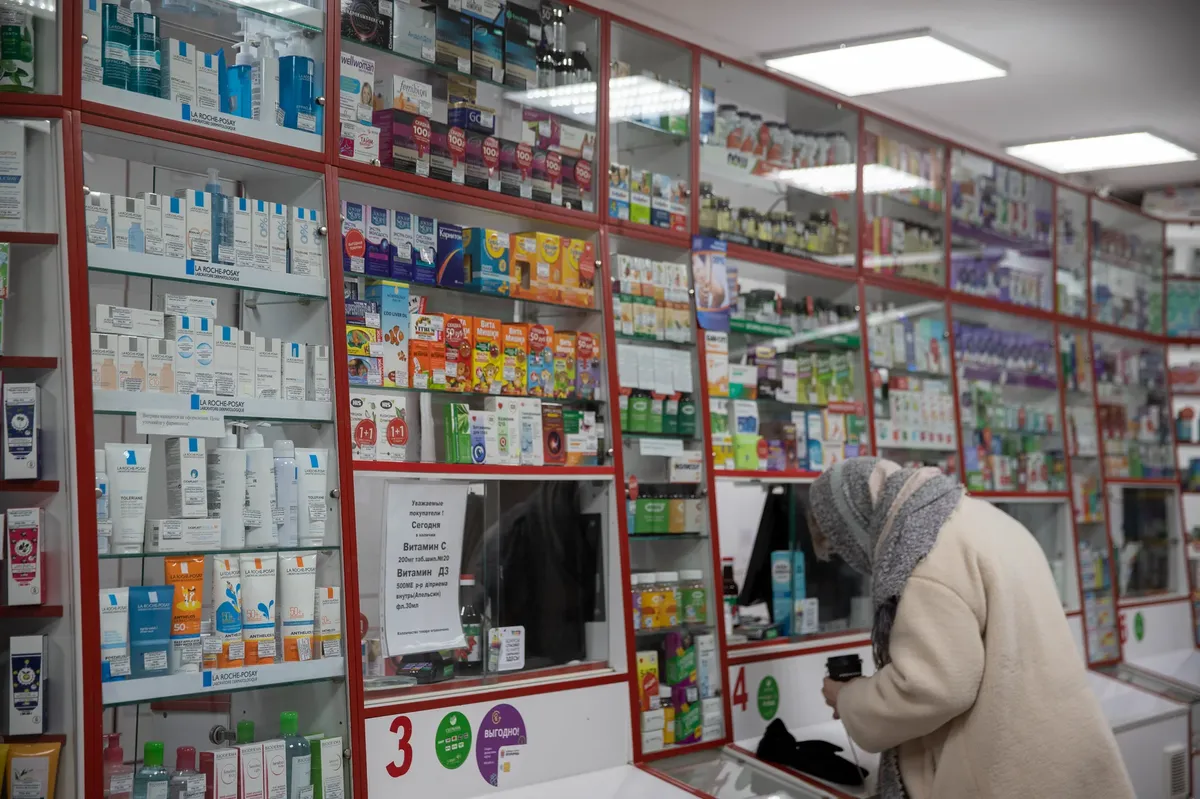
After the start of the SVO, Russian pharmacies and medical institutions experienced a shortage of more than 70 medicines and medical products. Including vital ones for people with orphan, oncological and chronic diseases.
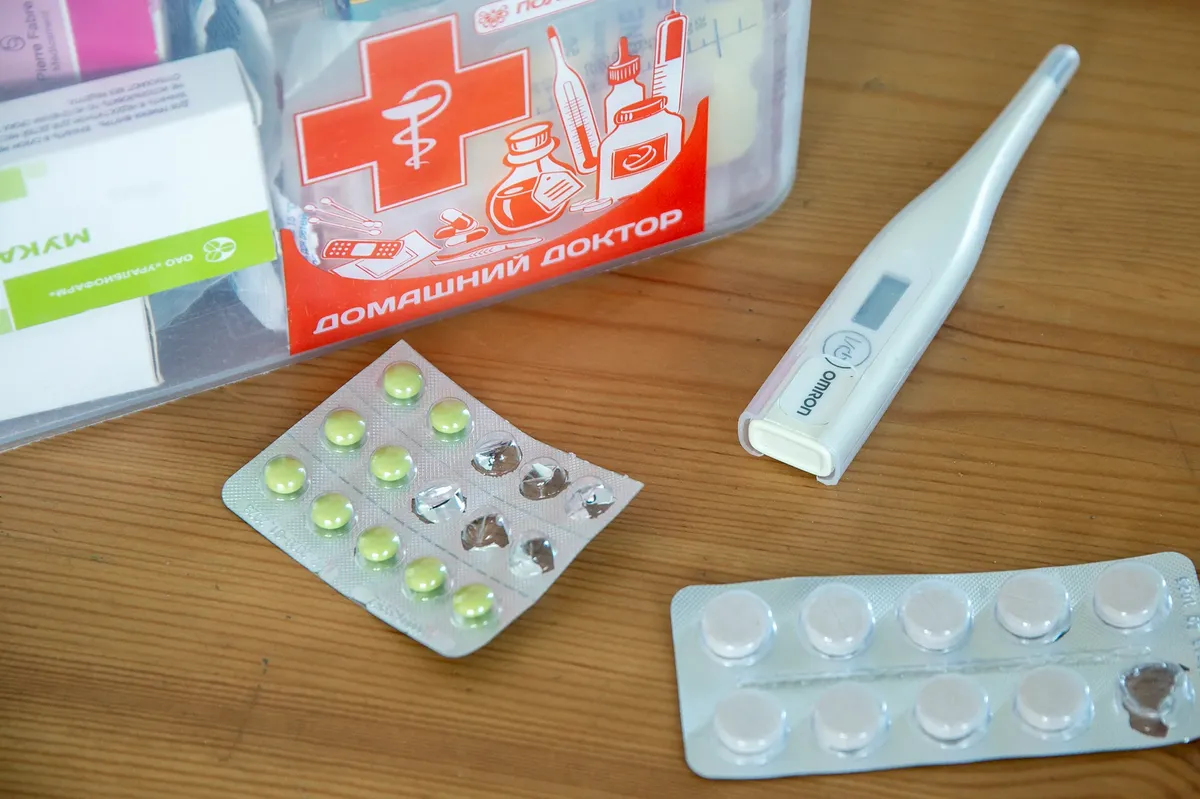
There were not enough medications for patients with pain syndrome and palliative patients. There was a shortage of anticonvulsants, consumables for maintaining gastrostomy tubes, oxygen concentrators, and venous ports.
At the end of March, the American company Eli Lilly issued the first “medical ban” for Russians, declaring that it was stopping supplies to the Russian Federation of the drug Cialis, which, however, is not included in the list of vital drugs, intended for the treatment of erectile dysfunction. Much more serious problems were promised by the statements of Pfizer, Novartis and Bayer to stop investing in the Russian Federation: these companies produce vital drugs, including those for the treatment of oncology, diseases of the endocrine system and gastrointestinal tract. True, it soon became clear: pharmaceutical giants will continue to supply medicines to Russia for humanitarian reasons.
In the spring, pharmaceutical experts asserted : “Russians are guaranteed a significant increase in prices and a shortage of drugs.” And they were not mistaken. Although the country managed to avoid the complete disappearance of imported drugs, not everyone now has enough of them.
Anastasia Egorova and Anastasia Merenyasheva talked with people who were personally affected by the problem of shortage of medical supplies.
Daria Vashchenko :
— My grandmother has rheumatoid arthritis. Of course, I don’t know all the drugs that are prescribed for this disease, but my grandmother drinks Methotrexate-Ebewe tablets ( manufactured by the German company Ebewe Pharma. - Ed. ). They have now disappeared from pharmacy shelves. Grandmother cannot avoid taking this medicine, otherwise the disease will progress. But the Russian analogue has a bad effect on the liver, and the doctor does not advise drinking it.
Therefore, today we are forced to purchase medicine from resellers.
[Before well-known events] it cost a maximum of 1,000 rubles per pack, but on the website where I decided to buy it, the required dosage, 5 milligrams, turned out to be much more expensive - 6,800 rubles. At the same time, after placing the order, they called me and said that this dosage was no longer available, and they offered to buy it for 6400, but in a dosage of 2.5 mg.
The tablets I bought should last me for the next 6-7 months. And we don’t know what to do next.
Natalya Antonova :
— My situation is not very dramatic. My work is mental, and due to the fact that there are problems in the cervical spine and with the autonomic nervous system, my cognitive functions suffer because the brain does not receive enough nutrition. I am prescribed a course of Neurobion twice a year. These seem to be just B vitamins, but they make a huge difference in my condition. I feel better, I think faster, my memory improves, and so on. I am also prescribed Phenibut because I have a labile nervous system, and all this together creates difficulties in work and life.
“Phenibut” has become very expensive and is sold in some other packages, so I’m not even sure if these are the right pills. There is, of course, a Belarusian analogue, but I don’t dare buy it. There is no “Neurobion” at all, there are Russian analogues. Now I have pierced them, and there is no effect at all. It would seem that the composition is the same, but there are no improvements in well-being.
In general, you can live without these drugs, but because of this I will not be able to do my job normally, and I have my own educational company, so it was important for me to take these medications. Apparently, I will need to buy some when I travel to other countries.
Valentina Yuryeva,
83 years old:
— In 2004, I had an operation to remove part of the thyroid gland; I had cancer. He left, but without the thyroid gland, the body does not have enough hormones, there is nothing to produce them. People like me are put on hormone pills for life.
I took L-thyroxine in large dosages. This is an inexpensive and fairly simple medicine, but the lives of thousands of people depend on it. Not necessarily after oncology, many thyroid diseases lead to hormone deficiency, this is a very common problem.
So: in early March, this drug disappeared from pharmacies. People went crazy as soon as the delivery was made, they swept everything away immediately, there were queues. A friend of mine with the same problem in St. Petersburg visited 17 pharmacies and was only able to get a few packs of low dosages. But we cannot take breaks from taking it, even one day of missing it has a very strong impact - lethargy, drowsiness, headaches, memory problems, confusion.
My salvation was my daughter, who managed to bring medicine from Turkey. The supply will last for six months. The drug, however, also appeared in Moscow pharmacies, but the price has increased greatly ( now a large dosage of “L-thyroxine”, 125 mcg, costs 185 rubles. - Ed. ).
Nikita Morozov:
— When visiting a proctologist in February last year, I was diagnosed with perianal dermatitis. This is an inflammation of hemorrhoids. I was then prescribed Relief Ultra suppositories. They work very well - they remove the inflammation itself and heal everything. They could be bought at any pharmacy for 600–700 rubles.
This year I had an exacerbation again, and I went to look for the same suppositories in pharmacies, but they were no longer there. In one of the pharmacies they offered me Olestizin as an analogue. It costs somewhere around 100 rubles per pack. But it has practically no effect, because it is just a painkiller. That is, it is not at all an alternative to those suppositories, because it does not eliminate inflammation.
In another pharmacy I found candles from the same company, but of a different subtype. Instead of Relief Ultra, I had to buy Relief Advance, which is much weaker in its effect. Prices have also skyrocketed: I bought Relief Advance for 900 rubles.
The pharmacy told me that Relief Ultra would no longer be available at all. I looked, in Kaliningrad, even in online stores there were no more of these candles left. As for analogues, pharmacies told me that there are no other drugs that are close in effect to Relief, there are only painkillers.
The danger is that now the problem can only be solved surgically. The only way out for me is to try to look for the remains of these candles in Russia and buy them at a huge markup. But I think that they will soon end completely.
Yulia Toksa:
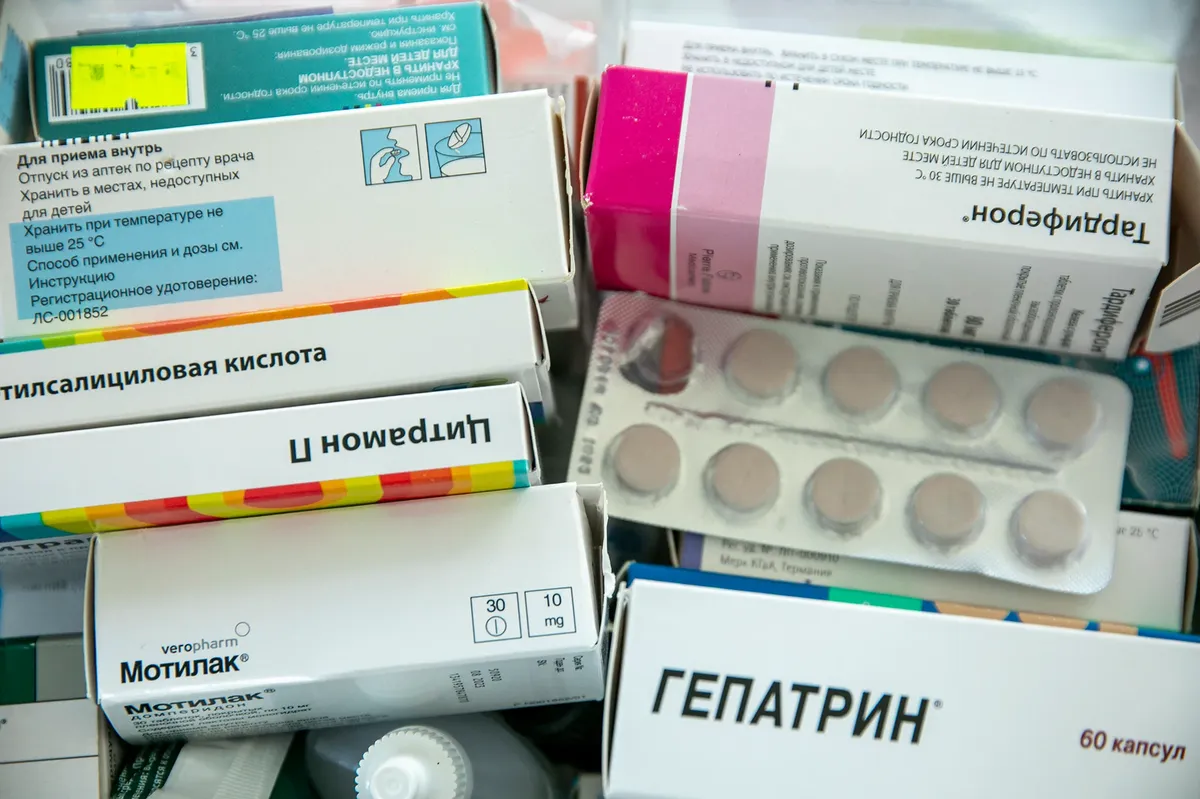
In the spring, there was no Pulmicort in pharmacies - this is an inhalation drug that reduces inflammation in the lungs and the number of spasms. They couldn’t give it to us at the clinic as prescribed; They said it was out of stock. I tried to buy it at the pharmacy with my own money, walked around the whole city - and it was nowhere to be found. All the pharmacists said the same thing: “Sanctions, try analogues.” But for children under four years of age, Pulmicort has no analogues. It cannot be replaced.
My oldest has asthma. In the spring, there were no Berodual and Ventolin in pharmacies, these are bronchodilators that all asthmatics use every day, without them they suffocate.
“Ursofalk” in suspension has disappeared, this is a drug to support the liver, it is prescribed to all patients who take large doses of antibiotics. The clinic also said about it - it’s out of stock. In the spring, I was able to exchange a small supply from other parents, and now we have managed to get part of the required drugs; however, some of them were replaced with analogues. So, instead of Ursofalk, they gave out Russian Ursosan in suspension, and even in capsules. They didn’t explain how I should give them to a one-year-old child. “Pulmicort,” fortunately, was given, but only for a month and a half, and, apparently, it was taken from some reserves; the period expires in August of this year, that is, just when we finish it.
It is unclear what will happen next. It's very scary with a small child. We are now trying to get Moscow registration: in the capital, they say, there are fewer interruptions in supplies and it’s easier to buy everything in pharmacies.
Elena Gorina,
24 years old:
Problems with antibiotics have been going on for quite some time, but in March everything disappeared. Previously, what the clinic did not purchase could be bought with your own money in pharmacies. Friends brought me “Meronem” and “Kolistin” from Novosibirsk and Barnaul.
But in the spring, the clinic did not even give what they had given in the last quarter of last year. The doctor said that the procurement was formalized, everything was done according to the rules, but no one showed up for the tender. Probably, due to rising prices for medicines, none of the companies wanted to work at a loss, because payments for medicines are still not indexed, and prices for some drugs have more than doubled.
By the summer, I managed to get only part of the prescribed medications at the clinic. The cheaper Indian analogue “Kolistina” was given free of charge and sent from the Kostroma region by another patient. But it is not as effective as the original. On Kolistin from [Israeli company] Teva, the temperature disappears already on the third day, the saturation returns to normal after about a week. On the Indian analogue, the temperature went away only on the tenth day, the saturation is still low, although I have been inhaling it for two weeks now. That is, the drug stopped the deterioration, but it is not yet possible to stop the exacerbation.
Igor Piyak:
My Australian Shepherd, Edgar, has epilepsy. He is only four years old and started having seizures at 10 months. It is believed that epilepsy in dogs is a hereditary disease, but the mechanism of inheritance has not yet been studied. No special veterinary drugs have been invented for attacks. Our doctor prescribes Edgar the human anticonvulsant drug Zonegran, just in a lower dosage. When a dog drinks it constantly, attacks are rare; they can be triggered by a change in weather, heat or nerves. In good times, there are only a few attacks per month. They look quite scary and there is nothing you can do to stop an attack once it has started.
During an attack, the dog is not in pain, it is unconscious. All I can do is make sure Edgar is safe, doesn’t hurt himself while the convulsions last, and then help him come to his senses. In March, the medicine disappeared from all pharmacies. I went to Sochi, to Krasnodar - and could only find one pack.
The worst thing that can happen is that one of the attacks will not end on its own, we will not be able to stop it, Edgar will not come to his senses, and he will have to be put to sleep.
I am very afraid of this day. A friend of mine has a son who suffers from epilepsy, and she agreed to give away some medicine that was about to expire from her supplies. I can’t imagine how she feels in this situation, how scary it is to know that one day you won’t be able to help your own child get out of an attack...
Now I buy the drug by hand - from the stocks of patients with epilepsy, sometimes I manage to purchase single packages in different pharmacies in the Krasnodar region. Patients inform each other about the receipt of medicine at a particular pharmacy and organize joint purchases.
From the editor
The most vulnerable group of citizens - people with chronic, orphan and oncological diseases - were under attack. These people fight the disease every day.
Sanctions should not affect those who are already in the most difficult situation.
As soon as possible, it is necessary to establish new mechanisms for logistics and procurement of all necessary drugs, maintain contracts with pharmaceutical companies regardless of which country they are located in, and also take measures to maintain prices for vital drugs, index payments for expensive drugs, and create a stock of necessary medical products and drugs prescribed under compulsory medical insurance.
At the time of publication of the text, difficulties with the supply of drugs persist in many regions, which is primarily due to disruption of supply chains; Suppliers of medicines are forced to look for alternative ways of importing through “friendly” countries and by land due to problems with air traffic. This provokes interruptions in the availability of drugs in pharmacies and a strong rise in prices. For example, on June 17, the FAS agreed to increase prices for insulin to 28%. Many patients are forced to switch from original drugs with proven effectiveness to Russian or other analogues, generics, due to rising prices or unavailability of originals. For people with chronic and serious illnesses, this can mean a decrease in quality of life and a decrease in the effectiveness of treatment.
The Circle of Good charity foundation, which provides medicines to children with orphan diseases, reports that pharmaceutical companies supplying children with genetic diseases with some of the most expensive drugs in the world, which have no analogues, are currently fulfilling their contractual obligations, but are facing great difficulties in delivering drugs to Russia. This has already significantly lengthened the delivery time for drugs and their receipt by patients; many were forced to open targeted collections for the purchase of drugs privately or reduce the dosage of the drug, take it every other day, in order to stretch out the remaining balance.
At the time of publication of the text, this problem is being solved through the redistribution of drugs between urgent and critical patients; a complete restoration of supplies has not yet occurred.