
Translated material
Bloody shoe trail
In an elite Moscow apartment, bolted from the inside, the bodies of a woman and a nine-year-old girl were found with dozens of stab wounds. The father of the family became a suspect because a hole was discovered in his alibi. However, the case against him gradually fell apart, and the killer was caught only 10 years later. What role did the bloody shoe print play in the investigation, how the heated floor helped to get to the bottom of the truth and what questions remain for the investigation - in the material of "Cold".
A mother and daughter were killed in an impenetrable penthouse. It seemed to the security forces that the case was simple, but several mysterious facts stretched it out for 10 years 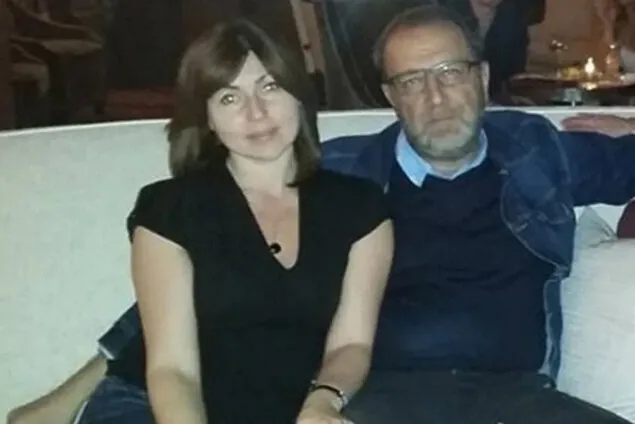
Victoria’s common-law husband, 51-year-old businessman Khoren Kazaryan, had the key to the apartment. He claimed that he returned home in the morning, was unable to open the door and spent the rest of the night in the car near the house. But a gap of about half an hour was discovered in his alibi: at that time Kazaryan was not on surveillance cameras.
The investigation was confident that the killer had been found. He had access to the apartment, a failed alibi, and a possible motive . But in fact, this complicated matter was just beginning.
Intelligent family
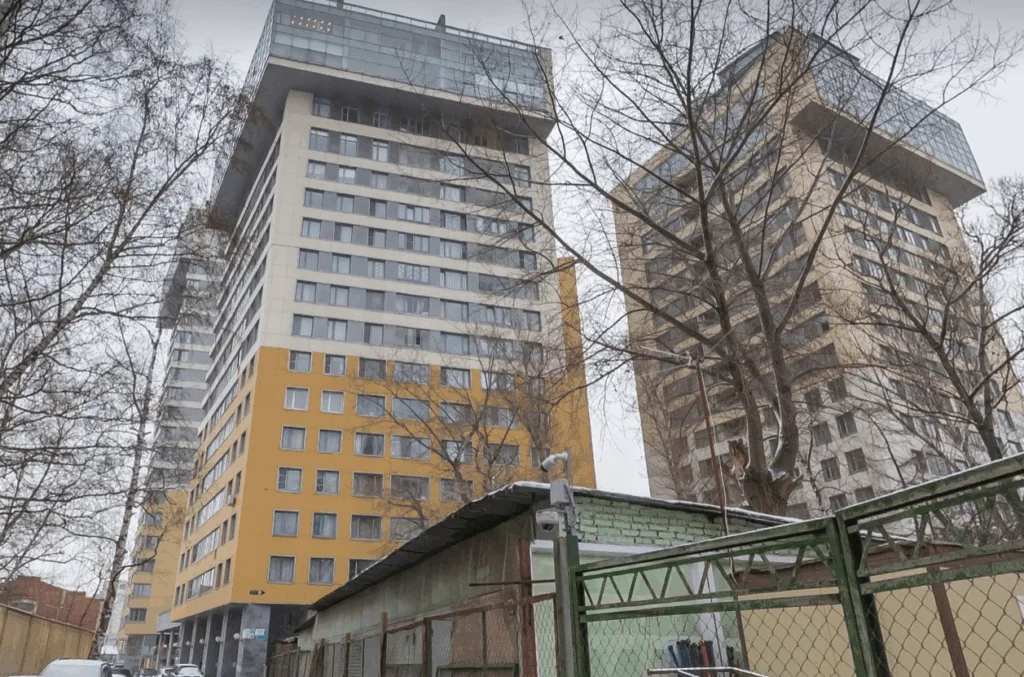
Until February 2015, the life of the family of Khoren Ghazaryan and Victoria Karagulyan seemed like a dream for many. They lived in the center of Moscow, in house number 23 on Shabolovka - a three-level penthouse overlooking the Kremlin. From the top floor, through the winter garden, one could access the roof with a veranda, barbecue and barbecue area. At the same time, the family did not flaunt their wealth at all. One of my acquaintances described them briefly: “A classic, intelligent family with an oriental flavor.”
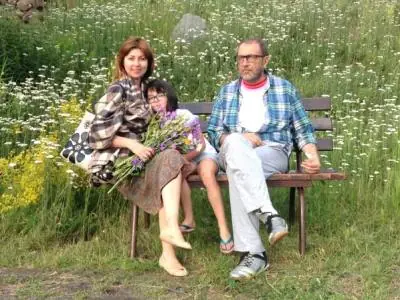
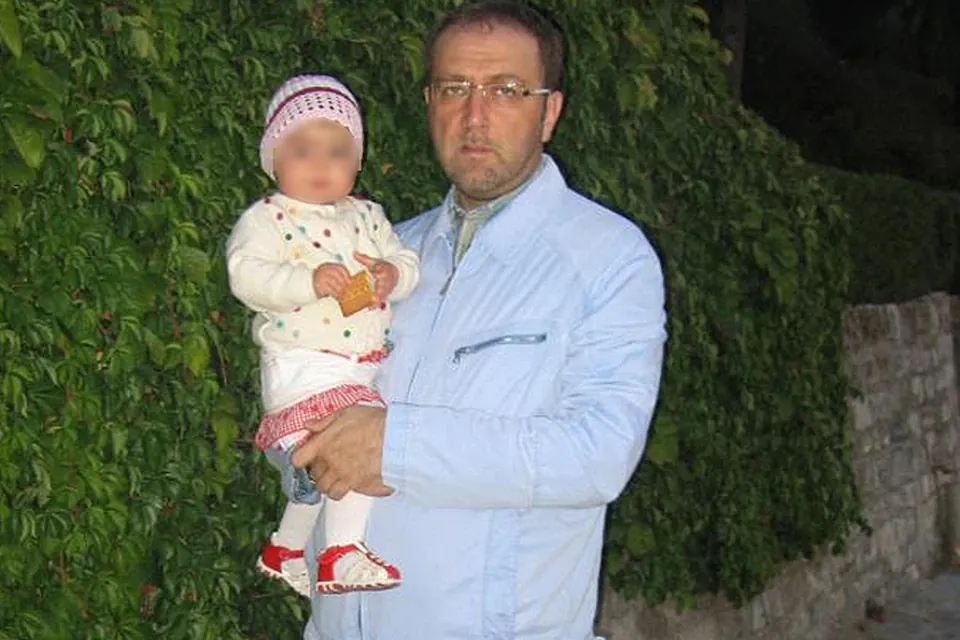
Khoren Ghazaryan was 50 years old at the time of the tragedy. He grew up in an intelligent family: his father was a famous scientist in Armenia. Khoren himself graduated from Moscow State University and Yerevan State University, worked as a military translator and spoke several languages. After finishing his military career, he went into business - his company sold and rented American construction loaders . But by 2015, he had already retired, transferred the share in the business to his brother and began to live on income from commercial real estate.
Acquaintances spoke of Kazaryan as an intellectual and a pleasant conversationalist: he read philosophers and liked to retell their ideas when they met. And also as a very sympathetic person: he knew what was going on in the families of his employees, and tried to help not only with advice. For example, he offered to find an IVF clinic for an employee who was unable to get pregnant. And according to colleagues, Kazaryan experienced the need to lay off people during the 2008 crisis especially hard - this is largely why he retired.
Khoren met Victoria back in the mid-1990s. Friends called their story an office romance. They didn’t move in together right away - according to the recollections of friends, their life together began about eight years after they met. A couple of years later, Victoria became pregnant, and Nine was born .
Victoria Karagulyan was 41 years old when the tragedy occurred. Relatives described her as a quiet and reserved woman who almost never raised her voice. After the birth of her daughter, she focused on her upbringing and home. Despite the family's wealth, Victoria managed without a nanny and housekeeper: she cleaned, did the laundry, took care of Nine and helped her parents.
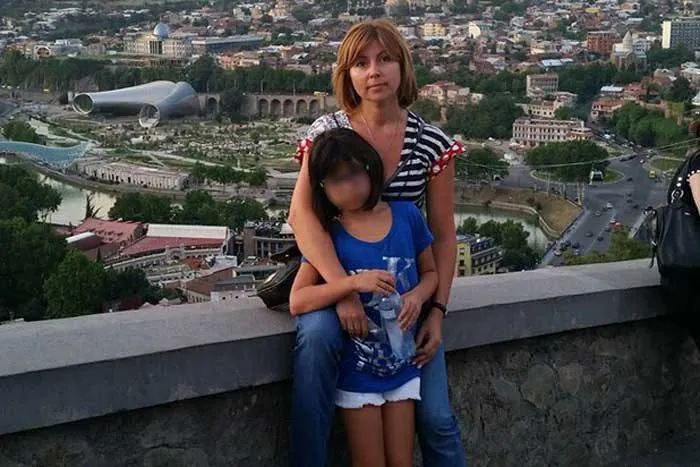
It was family and home that were the main thing in Victoria’s life. Her friend recalled that it was difficult to get Victoria out even for a cup of coffee - sometimes she had no time for herself.
Victoria’s conversations also usually revolved around children, school and shops, while Khoren, according to friends, could discuss philosophy all evening. Khoren adored his daughter: acquaintances said that he literally blew away specks of dust from her, and Nine responded to him with strong affection.
The door is locked from the inside
On Friday, February 13, Khoren met a friend at a shopping center at about two o'clock in the afternoon. In the evening they went to play cards. The game lasted until late at night, after which one of the friends took Kazaryan home, while Kazaryan’s lawyer later said that he did not drink alcohol.
The car arrived at the house at approximately 03:52 am . Kazarian walked up to his penthouse and tried to open the door. But it turned out that the bolts were closed from the inside. He began to ring the doorbell, then the mobile phones of Victoria and Nina and the home phone, but no one answered.
According to Kazaryan, he decided that Victoria was offended by his late return and did not want to let him home. He did not break down the door, wake up the neighbors or immediately call the police. He continued calling for 30-40 minutes and then went down to the garage.
Kazaryan got into his Audi and soon drove out into the yard . Then he explained that he sometimes wanted to turn on the engine to warm up, and in a closed garage he was afraid of suffocating from exhaust fumes. At 04:34, an external surveillance camera recorded Kazaryan’s car near the house.
Khoren spent the rest of the night in the car and eventually fell asleep. At about half past seven I went to the toilet and then returned to the car. Around nine in the morning he began to ring the doorbell of the apartment again, but there was still no answer.
Kazaryan contacted Victoria's friend and her parents . None of them knew why she wasn't answering. Then he found the janitor and asked him to go up to the top floor to look into the apartment through the roof of the winter garden. Horen himself could not do this - according to his lawyer, because of his fear of heights .
When the janitor got to the window, he saw a terrible picture: a girl was lying in front of him, covered in blood. It was Nine. Kazaryan called the police and called relatives. When the police arrived, they found Victoria and Nine in the apartment, both were dead. Doctors counted at least 22 stab wounds on the woman’s body, and at least 16 on the girl’s body.
But there were no signs of the door being broken into, and the bolts from the inside remained closed. That is, it was possible to get into the penthouse only by a difficult route along the roof .
Spot on the insole
Forensic experts took fingerprints and palm prints, examined objects and clothing, and inspected the apartment . Having collected CCTV footage, investigators began to reconstruct Kazaryan’s movements. They saw him return home, then his Audi leaving the parking lot, and Khoren himself near the car later that night . Between these events there was a little more than half an hour when he was not caught on any camera.
Soon the period of interest to the investigation was clarified: 34 minutes. The murder, according to forensic experts, occurred between four and five in the morning, and Kazaryan was visible on cameras from 04:34. It was through this window, according to investigators, that the murder could fit.
Already on February 15, Kazaryan was detained , and on February 25 he was charged with double murder .
Now the investigation had to explain why the intelligent and empathetic Kazaryan, who told everyone how much his daughter meant to him, brutally killed his family. Several versions have emerged.
One of them was a card game . Kazaryan's friends said that he played a couple of times a month and came to closed clubs primarily for the sake of communication. But Victoria’s brother Sergei claimed: the games allegedly took place every week, the amounts were large, and the couple quarreled over money.
Another version was family troubles. Khoren and Victoria lived together for many years, but were not officially married. A friend of the deceased recalled that in recent years Victoria had stopped wanting to register her marriage, and her brother even claimed that she lived with Khoren only because of her daughter and that once, about three years before the tragedy, Kazaryan kicked Victoria out of the house and she moved in with her parents for a while.
Finally, the third version was proprietary . A significant part of Kazaryan’s assets was registered in the name of Victoria or her parents, and the penthouse itself was registered in the name of her mother. Kazaryan explained the need for such a scheme with his previous loans and the desire to protect his daughter’s future property. However, this version was not very convincing, since after Victoria’s death the apartment could not go to Kazaryan.
In general, there were serious questions about each of the alleged motives. Nevertheless, the investigation decided to explain the incident as a domestic quarrel .
According to investigators, when Khoren Kazaryan returned home, Victoria still opened the door for him. A quarrel suddenly occurred between them, after which Khoren killed Victoria, and then Nine, who came out of the nursery.
Investigators examined Kazaryan's clothes and shoes, the carpet and interior of his car, prints in the apartment and objects that could have been weapons of attack. They were especially interested in a small stain on the insole of Kazaryan’s boot.
The investigator claimed that it was blood , and it was this speck that became one of the grounds for the arrest. Another suspicious stain was found on Kazaryan’s T-shirt . His fingerprints were found on door handles, in the bathroom and on many objects in the apartment - this was not surprising, because he lived there, but the investigation was confident: all this confirms Kazaryan’s presence inside the penthouse on the night of the murder. A separate piece of evidence was the scissors, on which Nine’s blood was allegedly found and, according to the results of the “smell examination,” a “trace of smell” from Kazaryan. The investigation believed that some of the child’s wounds could have been inflicted with scissors.
Between four and half past four in the morning, when Kazaryan had no alibi, investigators put together the entire sequence of events. During this time, according to their version, Kazaryan entered the apartment, committed two murders, took a shower, changed clothes and hid the bloody things and the murder weapon. After that, he allegedly went out through the winter garden onto the roof, returned to the garage and spent the night in his car.
The missing fifteen hundred dollars from the apartment, which Kazaryan himself noticed , did not change the investigator’s version - it was too little money for their family.
Speed Kill
In February 2015, Kazaryan, who was in jail, was charged. The case looked solved. “From the second day of my detention, the investigators and operatives were already expecting gratitude from their superiors,” he later said in an interview. “I have no doubt if someone was awarded or people were promoted after quickly solving a double murder.”
Kazaryan refused to admit guilt. And soon the evidence of the investigation began to crumble one after another. At first, the evidence, which was called the reason for taking Kazaryan into custody, did not withstand the examination. Biological analysis established that the stain on the insole of Kazaryan’s shoe was not blood. A negative result was also obtained from suspicious marks on the car mat.
The stain on Kazaryan's T-shirt also turned out to not be blood - the study, according to Kazaryan, identified it as a trace of tomato juice. And neither on this T-shirt nor on Kazaryan’s other clothes were any traces of Victoria’s or Nine’s blood found. Kazaryan’s prints were indeed in the apartment, but they were found on ordinary objects: a cup, door handles and the like.
“What’s so strange, actually? I lived in this apartment,” Kazaryan himself commented .
In addition, the defense found a recording from a shopping center where Kazaryan was on the afternoon of February 13. In it, he is dressed in the same things in which he appeared near the house at night. There was no blood on this clothing, and the investigation did not find another set or hidden package of clothing. This evidence refuted the investigation’s version that allegedly after the murder Kazaryan took a shower and changed clothes .
And after the arrest, no cuts, bruises or other signs of struggle were found on Kazaryan. The criminal dealt a total of about 40 blows to Victoria and Nina, and Victoria, according to witnesses, had been involved in sports in the past and could have resisted.
Telephone details were also not on the side of the investigation. In those same 30–40 minutes, Kazaryan called Victoria 17 times. If we count the calls to Victoria and Nine’s phones and to her home number, the defense counted more than 30 of them. That is, in addition to the murder and hiding traces of the crime, Kazaryan also had to make 30 phone calls in half an hour.
“The investigators got hooked on the fact that I was not on CCTV for 30 minutes. According to their version, during this time I managed to kill my wife and daughter. And he did everything very quickly. He climbed through the roof, stripped naked, stabbed his wife, then his child—in total, he struck about 40 times with a knife. Then I went to the shower and washed myself. Put on fresh clothes. He left through the roof again. Then he ran somewhere, covering his tracks,” Kazaryan himself later commented on this version.
New old evidence
By the fall of 2015, it was no longer only the defense that expressed doubts about the investigation’s version. A representative of the prosecutor's office twice asked the court not to extend Kazaryan's arrest. In November, the prosecutor already directly stated: no convincing evidence of his guilt has been presented . But the court again left Kazaryan in custody.
The investigation, meanwhile, shifted the prosecution's focus to scissors . The examination reported that they contain Nine’s blood and Kazaryan’s scent mark. The investigator argued that the combination of these two factors linked the subject to the murder. The defense disputed this version, saying that no traces of Kazaryan’s scent were found on Nine’s dress, but, according to the lawyer, they “suddenly appeared” on the scissors only after months of investigation.

Finally, the half-hour gap in Kazaryan’s alibi was no longer considered to coincide with the time of the crime. Initial calculations placed the murder approximately between four and five o'clock in the morning , that is, just at the time when Kazaryan had already returned home, but had not yet appeared near the car in the field of view of the external camera.
Kazaryan’s defense turned to Eduard Tumanov , an eminent expert, author and co-author of more than 100 scientific papers, associate professor of the Department of Forensic Medicine at the Pirogov University. It was Tumanov’s technique that forensic experts referred to when establishing the time of death. But during the survey, Tumanov said that his colleagues were mistaken, because the heated floors that were working in the apartment changed the rate of cooling of the bodies. And taking into account this factor, the possible time of the murder shifted to a period from approximately 23 to 2 am, when Kazaryan was still spending time with friends.
Some household details also pointed to an earlier hour of the murder. Victoria was found in jeans, and Nine was not in night clothes. Meanwhile, from the words of family acquaintances, it was known that Victoria took her daughter’s daily routine very seriously and always put her to bed before midnight, and always changed her into a nightgown.
In light of all these circumstances, Kazaryan’s defense arguments sounded new. For example, his lawyer said that an unfinished bottle of vodka was found on the roof of the penthouse's internal elevator - this could be a possible sign that an intruder was in the apartment at the time of the murder.
In addition, a hair was found in the bathroom drain that did not belong to anyone who lived in the apartment. This means that someone could have washed off their blood there after a crime. Finally, a bloody print of a size 39-40 shoe was left in the penthouse. But Kazaryan, according to investigators, wore shoes of size 45 (he himself generally said that his size was 48). The bottle, the hair and the bloody trail , of course, did not name another criminal. But thanks to this evidence, the version of Kazaryan’s involvement in the murder finally fell apart.
Absolute emptiness
Khoren Kazaryan spent 10 months in a pre-trial detention center. He was not released from the detention center for the funeral of Victoria and Nine.
In December 2015, the Moscow City Court transferred Kazaryan to house arrest. “I was going to die on December 22,” he recalled. “At that moment I had already come to terms with it. I slept a lot. At first, 8, 10, 12 hours. Then I didn’t get out of bed for 20 hours. At some point I felt that my strength was running out. They pushed me: “Get ready to go to court .”
Only in August 2016, house arrest was replaced with a recognizance not to leave the place, but for more than a year Kazaryan retained the status of an accused. Only in September 2017, the criminal prosecution of Khoren Ghazaryan was stopped due to his non-involvement in the commission of the crime. He remained the only accused for about two and a half years, and during this time the case was replaced by five investigative groups .
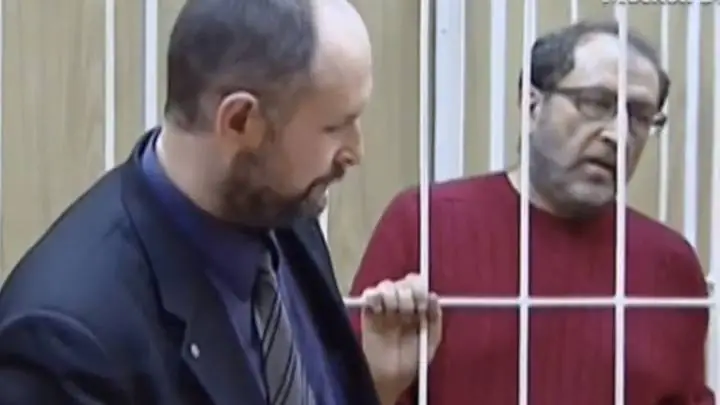
After this, Kazaryan received the right to rehabilitation. He later said that the state paid him six million rubles in compensation. But neither release nor legal rehabilitation could return him to his former life. “Do you want to know what I felt? — he recalled his reaction to the news about his transfer to house arrest. - Absolute emptiness. I felt the same emptiness when my rehabilitation was announced.”
For the sake of defense, he had to sell off property to pay for the work of lawyers . Kazaryan's relationship with Victoria's family even during his imprisonment developed into an open conflict . At the trial, Victoria’s father Karl Karagulyan said that when he saw the bodies of the dead, Khoren “didn’t even cry,” and Victoria’s brother Sergei accused Khoren of murder on his social networks.
К этому добавился дележ пентхауса и другого имущества, который в 2017 году опять привел Казаряна на скамью подсудимых.
Что происходило с разделом имущества и кому достался пентхаус Журналистка «МК» во время интервью сказала Казаряну, что Карл Карагулян связывался с редакцией и жаловался, что зять хочет забрать у него все. В изложении отца Виктории все выглядело так: по бумагам у Хорена ничего не было, дела он вел через родных, а когда в бизнесе начались проблемы, сам попросил мать Виктории Людмилу оформить на нее долю в магазине.
Казарян рассказывал другую версию. По его словам, в 2009 году из-за кредитов и банковских поручительств он сам переписал недвижимость на Викторию и ее близких. Он объяснял, что не видел в этом риска: если что-то случится с ним или Викторией, все в итоге достанется Нинэ. «Я ради нее и жил», — говорил он.
Пентхаус на Шаболовке был оформлен на мать Виктории Людмилу, парковочные места — на Карла, а самой Виктории, по данным деловой прессы, принадлежали участок и расположенная на нем коммерческая недвижимость в Петербурге (после ее смерти эти объекты унаследовал отец). Позднее совокупную кадастровую стоимость пентхауса, парковочных мест и петербургской земли оценивали, по словам адвоката семьи, больше чем в 100 миллионов рублей. Но речь шла не только о недвижимости. В пентхаусе оставались расписки людей, которым Казарян давал деньги в долг. Поскольку документы были оформлены на Викторию, Казарян утверждал, что тесть затем через суд взыскал с его должников два миллиона долларов. По его словам, после освобождения Карл вернул ему только автомобиль.
По версии Казаряна , семейный конфликт проявился даже на заседании об изменении меры пресечения для него. Судья Мосгорсуда спросила Карла, согласен ли тот отпустить Хорена из СИЗО под домашний арест. Вместо ответа отец Виктории заговорил о том, что в пентхаусе никто не живет, а счета за электричество там выше, чем в его собственной квартире. После повторного вопроса Карл произнес: «Оставьте его в СИЗО».
В 2017-м дележка пентхауса и другого имущества с родственниками убитой опять привела Казаряна на скамью подсудимых. В итоге, по словам Казаряна, пентхаус стал недвижимостью тестя, а самого Хорена через суд сняли с регистрации.
У расследования, тем временем, был еще один результат. В числе многих экспертиз по уголовному делу была и генетическая. И она установила, что Казарян не был биологическим отцом Нинэ . Следствие даже пыталось найти в этом возможный мотив: якобы Хорен узнал правду и поэтому убил Виторию и Нинэ. Сам Казарян утверждал, что до анализа ничего об этом не знал и всегда считал Нинэ своей дочерью. Именно из-за этого открытия даже спустя 10 лет после трагедии Казаряна не признали потерпевшим . То есть у него не было доступа к материалам расследования, и он не мог участвовать в дальнейших судах.
Случайно, по отпечаткам
Обвинения с Казаряна были сняты. Но убийца Виктории Карагулян и девятилетней Нинэ все еще не был найден. Руководитель отдела СК по расследованию преступлений прошлых лет Константин Мягков рассказывал , что дело не приостанавливали ни на день, а его объем превысил 100 томов.
Следователи снова и снова проверяли версии, назначали экспертизы и возвращались к уликам . Среди изъятых отпечатков пальцев и ладоней были те, что оставили погибшие, родственники и знакомые, бывавшие в квартире. Однако несколько отпечатков так и оставались неустановленными. Их поставили на контроль в региональных и федеральных базах и регулярно сравнивали с новыми дактилоскопическими данными.
Еще в 2017 году, когда расследование зашло в тупик, журналисты спросили у Казаряна, возможно ли вообще найти убийцу. Он не верил, что это возможно спустя годы после убийства, но добавил :
«Если только случайно по отпечаткам пальцев»И оказался прав. Спустя 10 лет после убийства, в 2025 году, рутинная проверка действительно дала совпадение. Отпечатки пальцев с деревянного комода в пентхаусе совпали с отпечатками конкретного человека.
Сначала следователи проверили, мог ли владелец отпечатка в принципе находиться в пентхаусе. Выяснилось, что он не был знаком с Викторией, Нинэ или Казаряном, не входил в их круг общения, поэтому не мог просто коснуться комода, когда был в гостях.
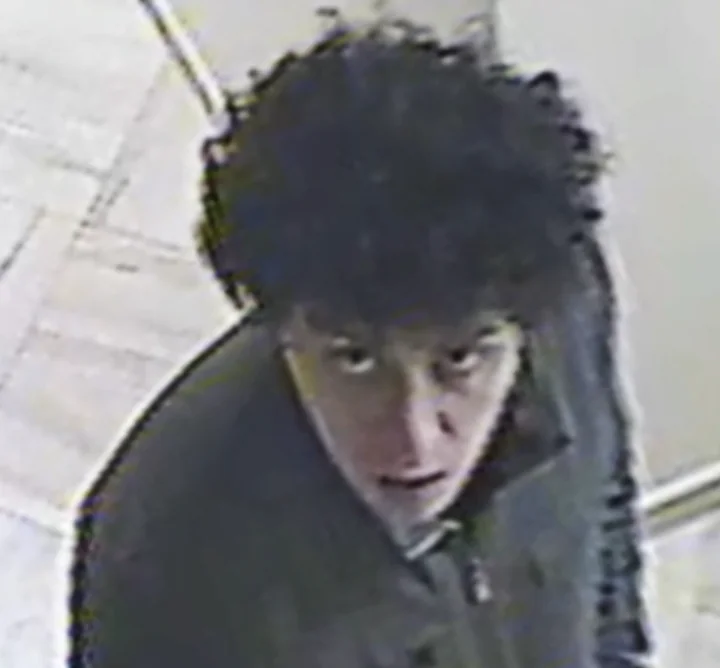
Оперативники установили, что он жил в Костроме. Следователи вернулись к архивному видео. Оказывается, камера на одном из этажей еще в 2015 году сняла неизвестного мужчину , которого не удалось опознать из-за качества кадра. Теперь изображение сравнили с внешностью владельца отпечатка — и они совпали. Этого человека звали Алексей Мельничук, 1993 года рождения ; он был гражданином Молдовы. В ноябре 2025 года Мельничука задержали в Костроме . По словам следователя, сначала он не понимал причину задержания, но затем сказал, что все понял , и признался в причастности к убийству.
Позже на официальном допросе Мельничук признал вину и сказал, что у него был корыстный мотив. У 21-летнего на тот момент приезжего было очень тяжелое материальное положение : ему было негде жить, он по несколько дней не ел, не хватало одежды, не было возможности нормально помыться. Мельничук не хотел залезть именно в эту квартиру, он просто искал какую-то, которую можно обокрасть. Он действительно не был знаком с жильцами, и следствие считало, что его выбор пентхауса был случайным.
Мельничук, по словам следователей, видел вокруг дорогие машины и жилье, завидовал обеспеченным людям и злился на них. Он рассчитывал незаметно войти, взять ценности и уйти до того, как его кто-нибудь увидит. Следователи сочли первоначальной целью именно кражу ценностей , а убийство, по их мнению, Мельничук совершил, чтобы скрыть другое преступление и не дать свидетелям себя опознать.
По версии следствия, часть похищенных денег Мельничук потратил на билет в Молдову. Через пару лет он вернулся в Россию. Следствие утверждает, что все это время он знал о задержании Казаряна и следил за публикациями по делу , но не обратился в полицию.
В Костроме Мельничук, по разным источникам, работал то ли специалистом в сфере IT , то ли инженером по контролю качества и снимал небольшую квартиру. Несколько лет он жил с девушкой: они планировали создать семью и завести детей. О произошедшем на Шаболовке он ей никогда не рассказывал, и она узнала о том, в чем его обвиняют, лишь от следователей.
По словам руководителя отдела СК по расследованию преступлений прошлых лет Константина Мягкова, Мельничук продолжал следить за расследованием и знал, что вместо него под стражей оказался другой человек. Однако мысли явиться с повинной у него, по данным следствия, не возникало.
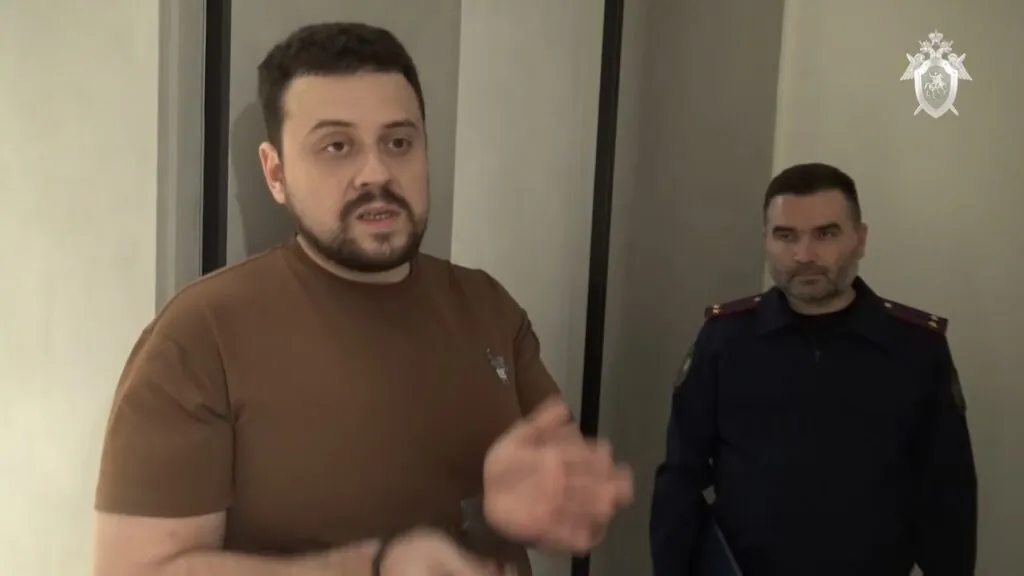
После задержания, по словам следователя, Мельничук рассказывал о повторяющихся кошмарах, в которых ему снилась убитая девочка. Он также говорил, что помнит квартиру на Шаболовке настолько хорошо, что способен пройти по ней с закрытыми глазами. Мягков утверждал, что после признания Мельничук раскаялся и был готов сотрудничать со следствием.
В ходе следственного эксперимента Мельничук показал путь, которым он попал в пентхаус . Следователь отмечал, что тот действительно уверенно ориентировался в огромной трехуровневой квартире , хотя за 10 лет там сменились владельцы и обстановка. Он описал расположение комнат, место встречи с Викторией, как он убирался после преступления и каким маршрутом он уходил.
По нынешней версии обвинения, Мельничук обследовал этажи дома, поднялся на крышу и прошел по парапету к балкону пентхауса . Дверь мансарды оказалась прикрыта неплотно, и через нее он попал на верхний уровень . Поэтому в квартире не было следов взлома, а засовы изнутри остались закрытыми: убийце и не нужно было открывать входную дверь.
Внутри Мельничук начал искать ценности , но, когда он был на втором уровне, возле ванной его заметила Виктория. Следствие утверждает, что он сначала ударил ее, затем спустился на кухню, взял нож и вернулся. На шум вышла девятилетняя Нинэ и увидела нападавшего. Мельничук решил убить и ее, чтобы девочка не смогла его опознать.
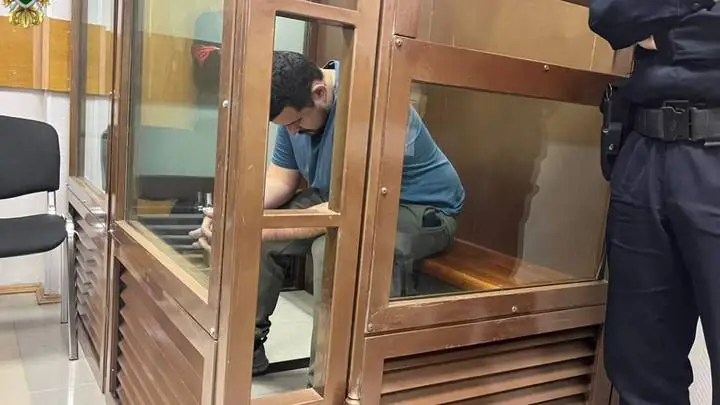
После нападения Мельничук пытался смыть кровь с одежды, пола и мебели. Он использовал полотенца и тряпки, которые затем сложил в пакет и туда же положил завернутый нож . Орудие убийства он позднее выбросил.
Из квартиры, по версии обвинения, Мельничук похитил деньги, украшения, сумки, кошельки, наушники, один бриллиант и другие вещи . Общую стоимость украденного следствие оценило в более чем 568 тысяч рублей . Пентхаус он покинул тем же путем, каким проник в него, — через мансарду, балкон и крышу.
***
В августе 2026 года прокуратура утвердила обвинительное заключение и направила материалы в суд . Но даже после признания Мельничука у Хорена Казаряна остался вопрос : а может, в квартире в момент убийства был кто-то еще? Тот самый кровавый след обуви 39–40-го размера, который когда-то нашли в квартире, по его словам, не подходит и Мельничуку — у того нога тоже больше. Следователи, однако, сообщили, что версию о соучастниках проверяли, но доказательств не нашли .
Возможно, это не след убийцы и Мельничук действительно убил Викторию и Нинэ. Но следствие уже однажды решило, что все ясно, — и назвало Казаряна главным обвиняемым. Поэтому, пока нет ответа на вопрос, чей это след и как он связан с преступлением, эту историю нельзя считать законченной.
Автор: Иван Елисеев
Фото: mk.ru