Date
Author
Текст Карина Пронина; Анастасия Иванова; Валерия Марьина; Марго Фогель
Source

Preserved copy
Translated material
“What really is a plague?!”
What is happening in Irkutsk and Shelekhov, where an employee of the anti-plague institute died, and the authorities deny the plague as a possible diagnosis
At about ten o'clock in the evening on Friday, October 2, three cars drove up to a two-entrance brick house on Voronezhskaya Street in Irkutsk. People in gas masks and orange suits came out of them. They brought several containers with them and began to disinfect both entrances.
“The smell was unbearable and very pungent,” a resident of the house, a woman of about forty, tells LB. She suggests that it was a strong antiseptic. Residents opened the doors to the entrance because “it was unbearable to breathe.”
Those who arrived told the residents that they were “sent by Rospotrebnadzor.” “We ask what happened. They tell us: some girl died, a deadly virus,” says LB’s interlocutor. “They didn’t know anything else.” They said: we came to work, we were told to go and process, we came and processed.”
The residents did not yet know that on the night of October 1–2, their neighbor, 28-year-old Daria Shipilova, who lived in this house, died in the Shelekhovsky district hospital. The girl worked at the Anti-Plague Research Institute of Siberia and the Far East. Immediately after her death, information spread in the Irkutsk region: the girl allegedly died of pneumonic plague.

Since then, the house where Daria lived has been disinfected two more times. None of the visitors spoke about the “deadly virus” anymore. During disinfection, employees also wore gas masks, but were already in white protective suits.
“The second time their woman knocked on our door, she asked for water to dilute the solution,” says Shipilova’s neighbor. - I say: what are you processing here? And I already knew everything [about the rumors about the plague]. She's like: it's for cockroaches. And we don’t have cockroaches in our house at all. And then I look - she then packs her [protective] suit in a bag. I’m like, well, okay.”
"A woman who may have died from the plague"
An employee of the anti-plague institute anonymously told LB that Daria Shipilova developed cold symptoms at work. “There was no temperature, but then the condition worsened and swelling appeared.”
The girl was hospitalized on September 29, and on the night of October 1-2 she died in the Shelekhov hospital - it was not officially reported why Daria was taken here. Most likely, this is due to the fact that the hospital was previously a “Covid” hospital.
Immediately after Shipilova’s death, the Shelekhov hospital was quarantined. Governor Kobzev cited a “particularly dangerous infection” as the reason. The word “plague” was not used in official communications.
On the same day, October 2, the head of Rospotrebnadzor, the chief state sanitary doctor of Russia, Anna Popova, flew to Irkutsk. She took part in an extraordinary meeting of the regional sanitary and anti-epidemic commission. At this meeting, officials, doctors and security officials approved an “operational action plan.”
People who had contact with Daria were isolated and taken under medical supervision. The authorities did not report the exact number of contacts. According to the REN-TV channel, there were about 200 people (the channel deleted the posts on the same day). People were placed in at least two hospitals in Irkutsk and Shelekhov.
LB sources in law enforcement agencies reported that contacts were taken in ambulances, accompanied by the FSB.
A resident of Irkutsk told People of Baikal that her friend, a nurse at the Shelekhov Hospital, was quarantined. “Everyone there was worried, there was a buzz among the authorities, which means: everything is bad,” LB’s interlocutor quotes a friend.
The employees of the anti-plague institute were isolated in the research institute itself. An employee of the institution told LB: “They closed two hundred people. They kept me there for three days, taking swabs twice a day. But they fed me. We slept on chairs, and for those who didn’t have enough space, we slept on jackets. I slept on my jacket. No documents were signed. We were released on Sunday.”
There was no official information about what happened to Daria. On the afternoon of October 2, Irkutsk journalist Pavel Stepanov wrote : according to his information, Shipilova “broke a test tube with that same pneumonic plague” and “hid this fact.” This version has been widely circulated, but has not yet been confirmed. Rumors were also discussed on the Internet that Daria was in Buryatia on the eve of her death.
On Friday evening, October 2, the head of the region, Alexey Tsydenov, denied the version about Buryatia. But the main thing is that Tsydenov became the first official to mention the plague. The head of the region wrote that “the woman who died from the plague in the Irkutsk region” did not come to Buryatia. True, on the same day Tsydenov edited the post: it included the wording “a woman who may have died from the plague.”
“I was very afraid of infecting someone”
Daria Shipilova was born and raised in Irkutsk. In high school I decided to become a doctor. Shipilova’s classmate, in a conversation with LB, calls her “smart, honest and responsible.” Daria is also called “responsible” by other interlocutors of “People of Baikal,” including her work colleagues.
“Dasha was very anxiously afraid of infecting someone if something happened. This was clear from how often she sanitized her hands even outside of work,” says her colleague, an employee of the anti-plague institute.
In the summer of 2022, Daria graduated from the Irkutsk State Medical University with a degree in Medical Biochemistry. That same year, she got a job at the Irkutsk Anti-Plague Institute, where she had previously completed an internship. At first she worked as a laboratory assistant, and after a year and a half she was already a research assistant.
At the same time, Daria continued to study - now in residency in the direction of “Clinical Laboratory Diagnostics”. Her education was paid for by the Anti-Plague Institute. Shipilova completed her residency in 2024 with honors. At least until January 2025, she worked in the department of plague microbiology.
What else is known about ShipilovaIn the spring, Shipilova, together with her colleagues from the institute, spoke at the Annual All-Russian Congress on Infectious Diseases in Moscow. There she made a report “Study of sensitivity to antibacterial drugs of Yersinia pestis from natural foci of Siberia.”
Daria was not only involved in science. At the age of 17 she graduated from music school. In 2025, together with other employees of the institute, she participated in the “Songs of Victory” competition, which was held among employees of the regional Rospotrebnadzor. The specialists performed the song “May Waltz”. A year later, Shipilova and her colleagues won the “Musical and Entertainment ABC” quiz. In August 2026, Shipilova participated in the exercise of rapid response teams to emergency situations of a sanitary and epidemiological nature.
“Dasha was a smart person,” says the Irkutsk resident, who studied with Shipilova at the same faculty. — In general, few guys from our faculty end up working at the Anti-Plague Institute. I did my internship there. This is a serious facility where everything is serious and safe.”
Daria lived in a two-story brick house in a remote area of Irkutsk. The area is considered disadvantaged - there are old wooden barracks all around, many houses are 60-70 years old.
Neighbors call Shipilova “calm,” and her parents, who often visited her daughter, “quiet and non-drinkers.” A dachshund lived in Daria’s apartment; her father often walked with her.
Daria was very attached to her mother. Svetlana Shipilova, like her daughter, works in the medical field. Rumors are spreading among Daria's neighbors that Svetlana “could not stand the death of her daughter and died of a heart attack.” But this is not so - the mother, like other family members, is still in quarantine in one of the city’s hospitals.
How pro-government resources published and deleted information
On October 2, the pro-government publication Izvestia reported that after the death of Daria Shipilova, a criminal case was opened in Irkutsk under Part 2 of Art. 236 - “Violation of sanitary and epidemiological rules, resulting in the death of a person through negligence.” Soon, Izvestia deleted this material, as well as other texts about a possible outbreak of pneumonic plague in Irkutsk.
The Kazan branch of the publication “Arguments and Facts” deleted the news about the death of the Irkutsk laboratory assistant, originally published on October 2. The publication remained in the cache of the Yandex search engine. The Kuzbass version of the Moskovsky Komsomolets newspaper deleted the news that Rospotrebnadzor denies the closure of Irkutsk hospitals for quarantine (the original was also saved in the Yandex cache).
Not only the media, but also official bodies were involved in removing information. On the morning of October 3, the administration of Baikalsk recommended that local residents temporarily not travel to Shelekhov due to “unofficial information” about the detection of plague there. Two hours later, city officials deleted the post.
On the same day, the management of the Irkutsk Aluminum Smelter (the city-forming enterprise of the city of Shelekhov) introduced a mask regime on its territory. “Conflicting information about the situation with the plague is spreading around Shelekhov,” commented director Artem Fominykh. A day later, Fominykh released a new post, where he explained that “the mask regime at IrkAZ is not related to the quarantine in the Shelekhov hospital,” but is caused by the incidence of ARVI.
“All our employees know that this is not the first time, and we periodically introduce masks taking into account the seasonality of respiratory diseases,” wrote the director of the plant and urged “not to spread rumors.”
Throughout Saturday, October 3, there was not a single official message from the authorities. Governor Igor Kobzev wrote in his telegram channel about the forum of working youth and about a meeting with the head of Roszdravnadzor. There was not a word about the supposed plague that the whole city was discussing.

Against this background, several city hospitals in Irkutsk introduced quarantine. In particular, we were talking about city clinical hospitals No. 1, 3, 10, as well as the city Ivano-Matreninsky children's clinical hospital.
As of October 3, visitors were no longer allowed into the Irkutsk Regional Clinical Hospital, one of the patients told People of Baikal. “A sister came to our ward to see a seriously ill patient. Since Saturday, packages have already been carried to everyone, and they were brought to me personally in the ward. Today I went down to get food delivered. They didn’t let the delivery guy get past the security post.”
Over the weekend, city residents bought antibiotics in pharmacies in Irkutsk and Shelekhov. “On Saturday there were fights in some pharmacies,” an employee of the anti-plague institute told LB. — Absolutely all antibiotics were taken away from them! Even old, old people. People were in a panic because the words “plague” and “pneumonic” were heard everywhere.”
“Listen, the situation is completely under control”
Rospotrebnadzor gave an official comment only on Sunday afternoon, October 4. The agency told TASS that the employee of the anti-plague institute was suffering from “pneumonia of unknown etiology.” They also added that there were no emergencies involving pathogenic microorganisms at the research institute. At the same time, Rospotrebnadzor did not publish any releases on its resources.
According to Rospotrebnadzor, the institute’s employees did not seek medical help for infectious diseases. And two cases of COVID-19 and two cases of rhinovirus infection were found in people who had contact with Daria.

“Pneumonia of unspecified etiology” means that the patient was diagnosed with pneumonia, but doctors were unable to find the specific microorganism (bacterium, virus or fungus) that caused the disease. Rospotrebnadzor did not explain this in its message, and also did not comment on why hundreds of people were sent to quarantine in case of pneumonia.
On the evening of October 4, Governor Igor Kobzev repeated Rospotrebnadzor’s message on his Telegram channel. The next day, he emphasized that “now the sanitary and epidemiological situation in Irkutsk and the Shelekhovsky district is stable.”
On Monday, October 5, Kobzev said in a video commentary: “Listen, well, the situation is completely controlled. It’s unpleasant, of course, but the doctors and Rospotrebnadzor did everything possible to ensure that all of them [contact persons] are under observation. The city lives its own life, Shelekhov lives its own life.”
On the same day, Vladimir Putin’s press secretary Dmitry Peskov called for listening only to official statements from Rospotrebnadzor, and not trusting rumors and speculation on the Internet about the plague.
“There is Rospotrebnadzor, where high professionals work in this field. Let's listen to their official statements,” the Kremlin spokesman said.
On October 5, US President Donald Trump said that the United States is ready to help Russia due to suspected pneumonic plague. Trump noted that in Russia the disease “is called pneumonia.”
On October 6, the Shelekhovsky district administration commented on Trump’s proposal. Deputy Mayor Elena Sofina said: “I consider it necessary to answer directly. We can handle it ourselves. The situation is under complete control."
“We went into quarantine just in case”
The authorities assure that there is no plague in the region, hospitals are operating as usual, but quarantine measures have not disappeared. On October 5, it became known about restrictions in the Irkutsk psychoneurological dispensary. LB’s source called it “something like a quarantine”: “They say it was introduced just in case.” The dispensary did not officially announce restrictions and did not write any announcements. The patient learned about them from a security guard when he tried to go to the store.
A pass regime was also introduced at the Irkutsk Perinatal Center. Blogger Ulyana Gavryunina reported this on social networks and confirmed it to LB. On October 5, she came to see a doctor for an examination. The mother who accompanied her was not allowed into the maternity hospital. Since Friday, no one except pregnant patients has been allowed into the center.
“[The hospital] explained that there is still unconfirmed information about a virus, which may even be worse than coronavirus, that it is not yet clear what kind of virus it is and how to work with it, since children are small. That's why quarantine was introduced. And it’s unclear how long it will last,” Ulyana told LB.
At the entrance, Ulyana’s temperature was taken and she was asked to show her tongue. The center staff gave her two checklists to fill out with questions about her health. One of them was called “Checklist for suspected DTI [particularly dangerous infection] “Plague.”
The checklist included questions about health: how the pregnant woman was feeling, whether she had contact with someone who came from abroad or was sick, whether she had a fever or nasal congestion.
During the quarantine, the center banned partner births. For their sake, Ulyana decided to give birth in the center for a fee. Now she is thinking about terminating the contract and wants to give birth at her place of residence, in Angarsk, because in Irkutsk “it’s somehow restless, very inconvenient and alarming, it has lost its meaning.” In Angarsk, “everything is calm” - both in the city and in the maternity hospital.
An employee of the Irkutsk Anti-Plague Institute believes that city hospitals have gone into quarantine “just in case.” “Our scientists now work around the clock. Materials are brought and delivered to them. Because everyone who is admitted to hospitals with any signs of a cold is swabbed [for plague] and tested. This applies to absolutely all hospitals.”
“There are still no final data on deaths”
Officially, the Irkutsk Anti-Plague Institute does not comment. An employee of the institution does not believe that Daria broke a test tube in the laboratory: “This doesn’t happen here. But even if she broke it, there is an insulated box, insulated clothes. Nothing will be done at all."
Shipilova’s classmate, who interned at the anti-plague institute, shares the same opinion: “In addition to high security measures, everyone is vaccinated against the plague there - even students who came for internship.” The doctor says: “I can’t even theoretically imagine what could have happened there.”
The employees of the anti-plague institute have already been released from quarantine. “Everyone was swabbed three days in a row, but everyone is absolutely healthy. “We are working today as an ordinary working day,” one of Shipilova’s colleagues told LB on Monday, October 5. “The situation is calm.”
In an anonymous conversation, she emphasized several times that “there is still no final data [on the causes of Daria’s death].” “Research is still ongoing, but there are no results at all. The cause of death is still being investigated. Everything will settle down in a week when the results are ready.”
“The version that there was no outbreak is unconvincing”
A Russian clinician (he asked to remain anonymous - LB) tells LB that he sees two possible versions of what happened. Either the plague (or another particularly dangerous infection) was actually found in Daria Shipilova, but “it was localized and they decided not to talk about it publicly.” Either the authorities and doctors do not yet know definitively what happened, they are “conducting an epidemiological and laboratory investigation” and are afraid of “panic and liability.”
The interlocutor believes that the version that there was no outbreak is unconvincing. “A young employee of the anti-plague institute suddenly falls ill with a severe infection, quickly dies, after which the hospital is closed, and the institute’s employees and relatives are isolated. And they are conducting an epidemiological investigation. This does not prove the plague, but it gives journalists sufficient grounds to check this version.”
What happened at the anti-plague institute? The doctor suggests that “some potentially significant epidemiological event” did occur. This is evidenced by the internal investigation and the isolation of a large number of employees. Perhaps Daria herself did not understand that she was at risk. Or she knew about some incident, but did not appreciate its seriousness.
Our interlocutor is skeptical about Rospotrebnadzor’s statement that Shipilova’s illness “is not related to professional activity.” Final laboratory confirmation takes up to ten days. This time will be spent on testing the blood, sputum, tissues and other samples of the deceased girl.
“It is impossible to definitively establish the pathogen in one day after the autopsy,” the clinician emphasized.
LB was told about the same by a classmate of Daria Shipilova, who had an internship at the Anti-Plague Institute and worked in one of the Irkutsk hospitals. She called the official comment from Rospotrebnadzor about “extended laboratory tests” of the deceased girl “rather vague wording.”
“It all depends on the research method. And nowhere was it reported what kind of analysis was carried out.”
“I saved such patients, but they killed my daughter”
64-year-old Svetlana Shipilova, Daria’s mother, was still in quarantine in one of the Irkutsk hospitals on October 5. Shipilova told the publication Glubina that they take tests and smears from her every day. “They are checking, looking for something. Maybe they are afraid of some other infection so that we don’t catch any kind of covid.”
Shipilova stated that on October 5 she did not yet have an official conclusion about her daughter’s death. “I’m waiting for it to be official,” she added. — Not just in the media, but Rospotreb. It must be an official document."
Svetlana says that it is “very difficult” for her and she does not want to “read nasty things about the child”: “I know the truth. I’m fighting off stupid acquaintances who believed it all. The smart ones, of course, didn’t believe it. Not all doctors even understand that a test tube cannot be broken. Even if you throw it against the wall. Only an amateur can say this. Even hypothetically, it is simply impossible to spill or break it. They are so protected."
Neither do her friends believe that Daria could have broken the test tube. “They denigrated a person without understanding it,” says Shipilova’s classmate. Daria’s friend tells LB: “It’s impossible to connect this whole story with Dasha, as if they are talking about another person. Knowing how hardworking and responsible she was, everything just doesn’t add up for me.”
Svetlana Shipilova calls her daughter a “hard worker”: “A pure, so pure little person. It was hard for her boss, because she knew Dasha and knew why she was being hired. It’s very difficult to get there, to the anti-plague institute. She watched how Dasha worked; she did an internship there. I realized that this is a pure little man, such a workaholic,” she says and adds: “I have saved more than one such patient, but my daughter was not saved.” My daughter was simply ruined.”
Daria was not buried, and the date of the funeral is unknown. “Who will bury her if we are sitting here in prison?” - says Shipilova's mother.
Daria’s neighbors are worried that “no swabs” were taken from them. “Every day since Friday they’ve been calling me from the clinic, asking how I’m feeling. They say if you have symptoms, you should see a doctor. But no one says anything - what kind of disease there was, what the situation was like. It's as if we don't exist. We are shocked that we were not quarantined, we are all close contacts. We probably can’t go to work, we have to stay at home.”
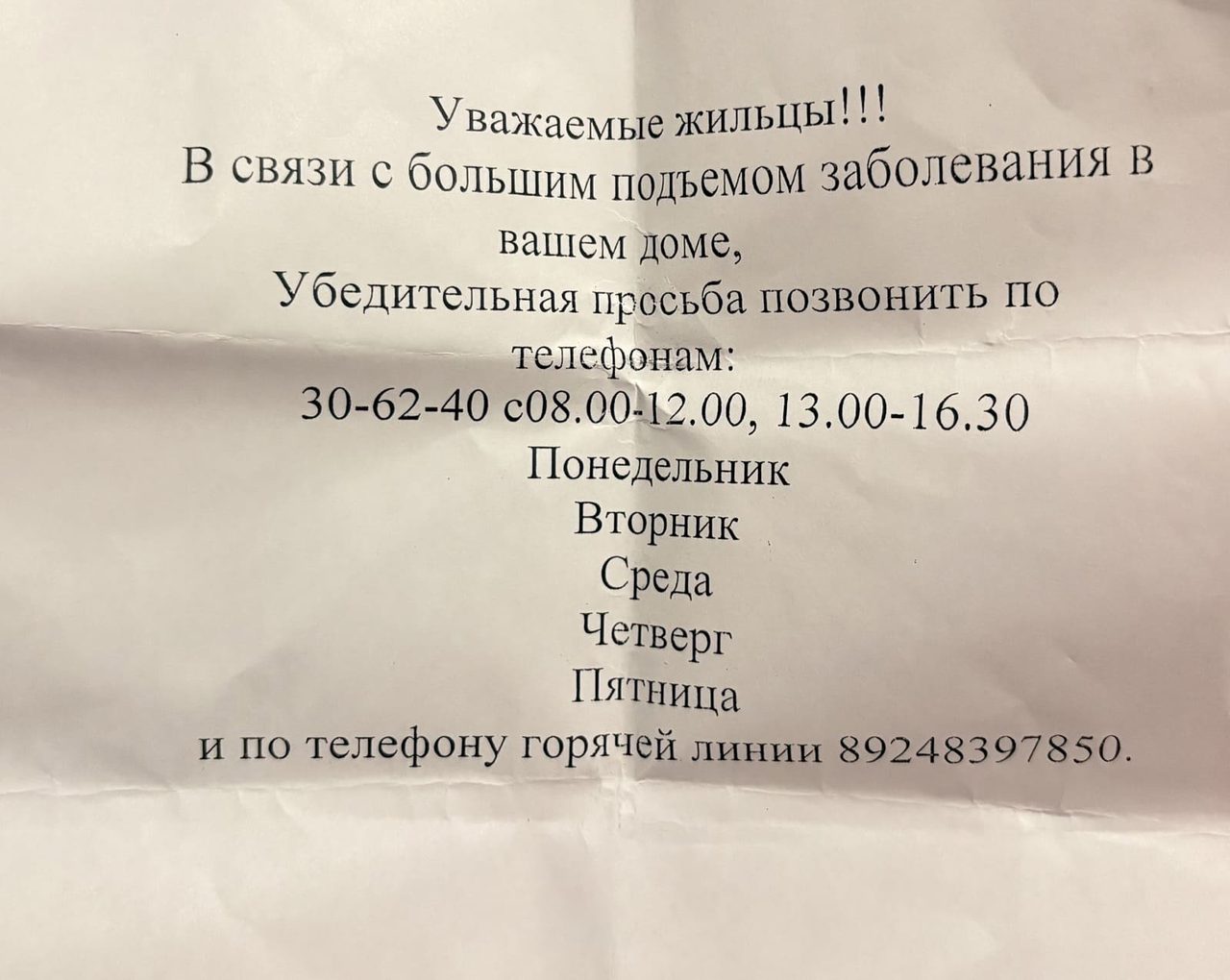
Residents who were not at home during disinfection were left with a notice at the door of the house. “Due to a large increase in the disease in your home,” people are asked to call the phone numbers listed on the piece of paper. In particular, there is the number of the therapeutic department of the Irkutsk City Hospital No. 10.
At the same time, residents with whom LB journalists spoke say that they feel well and have no symptoms.
“Shelekhov does not feel any panic”
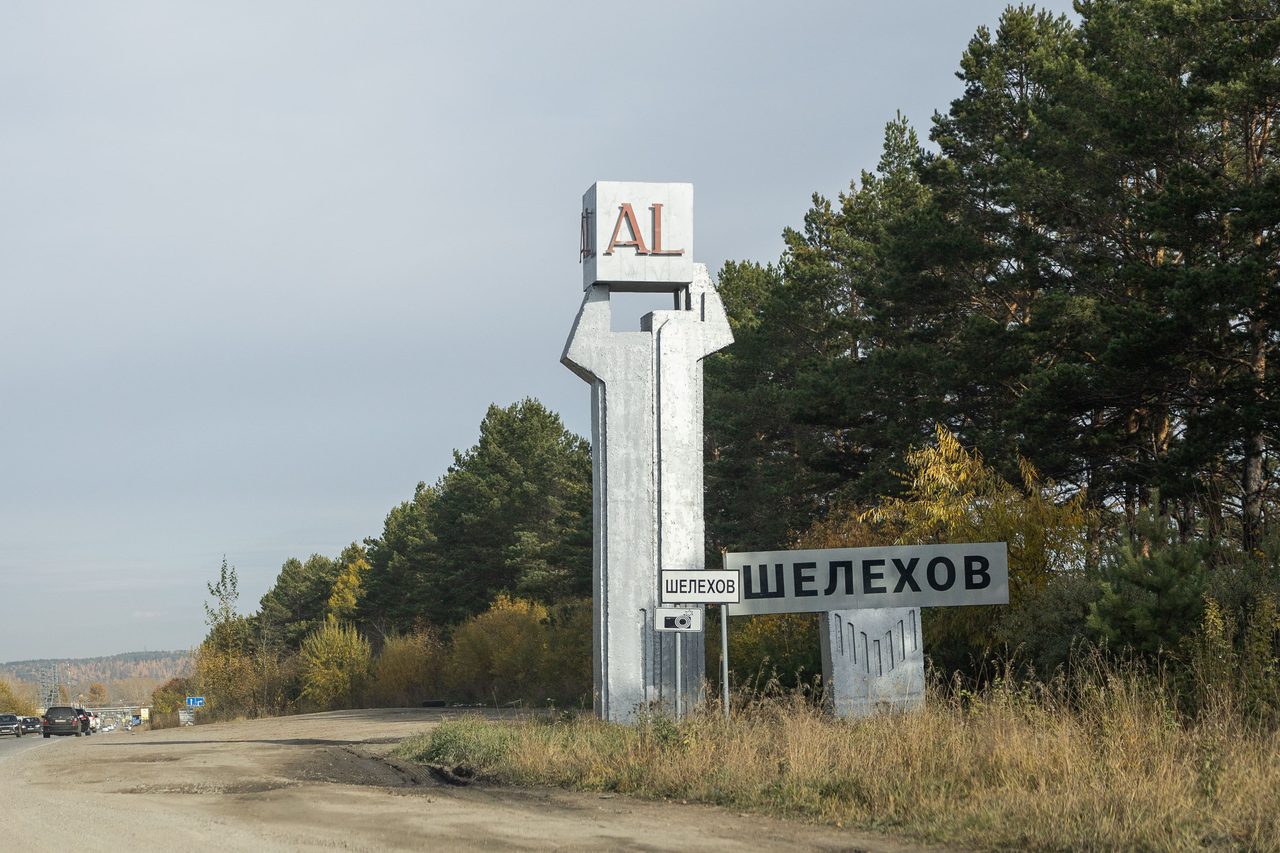
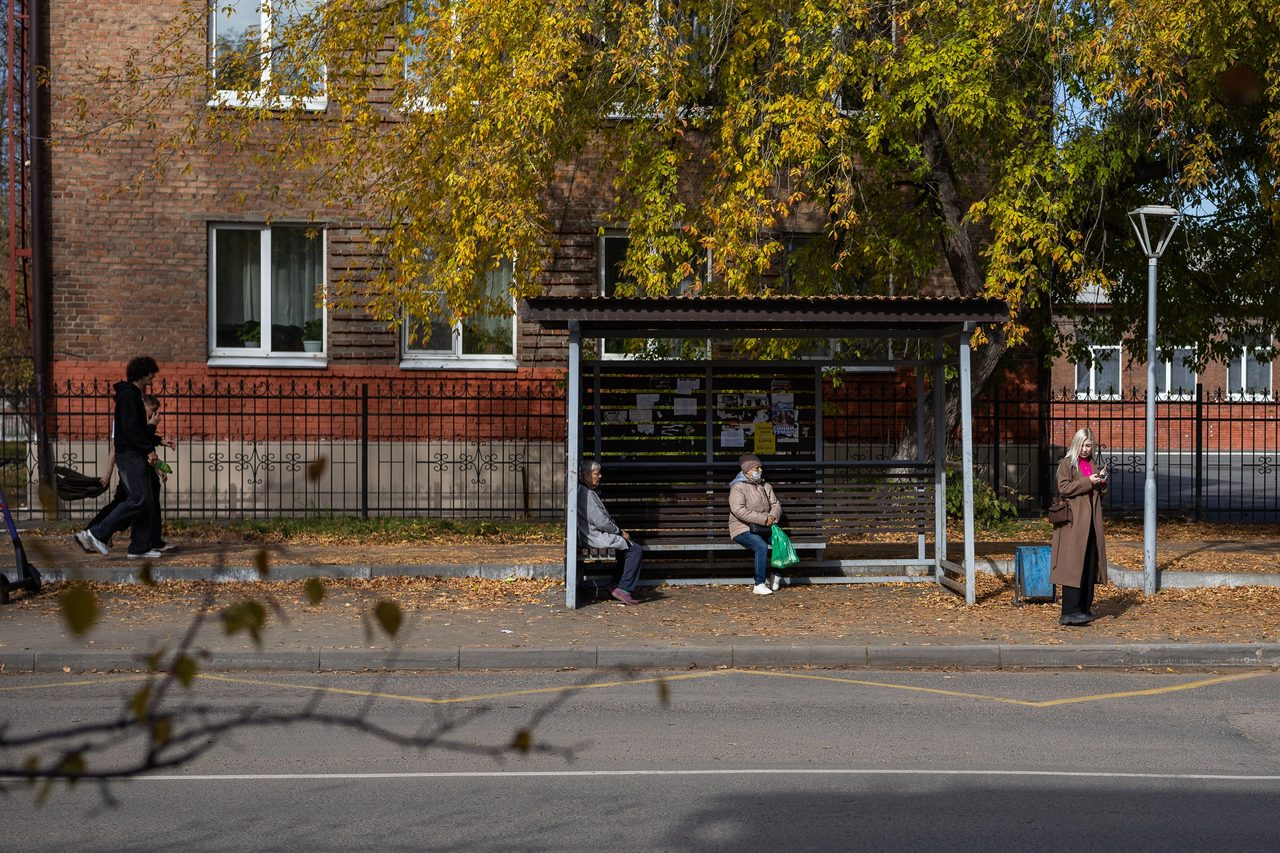
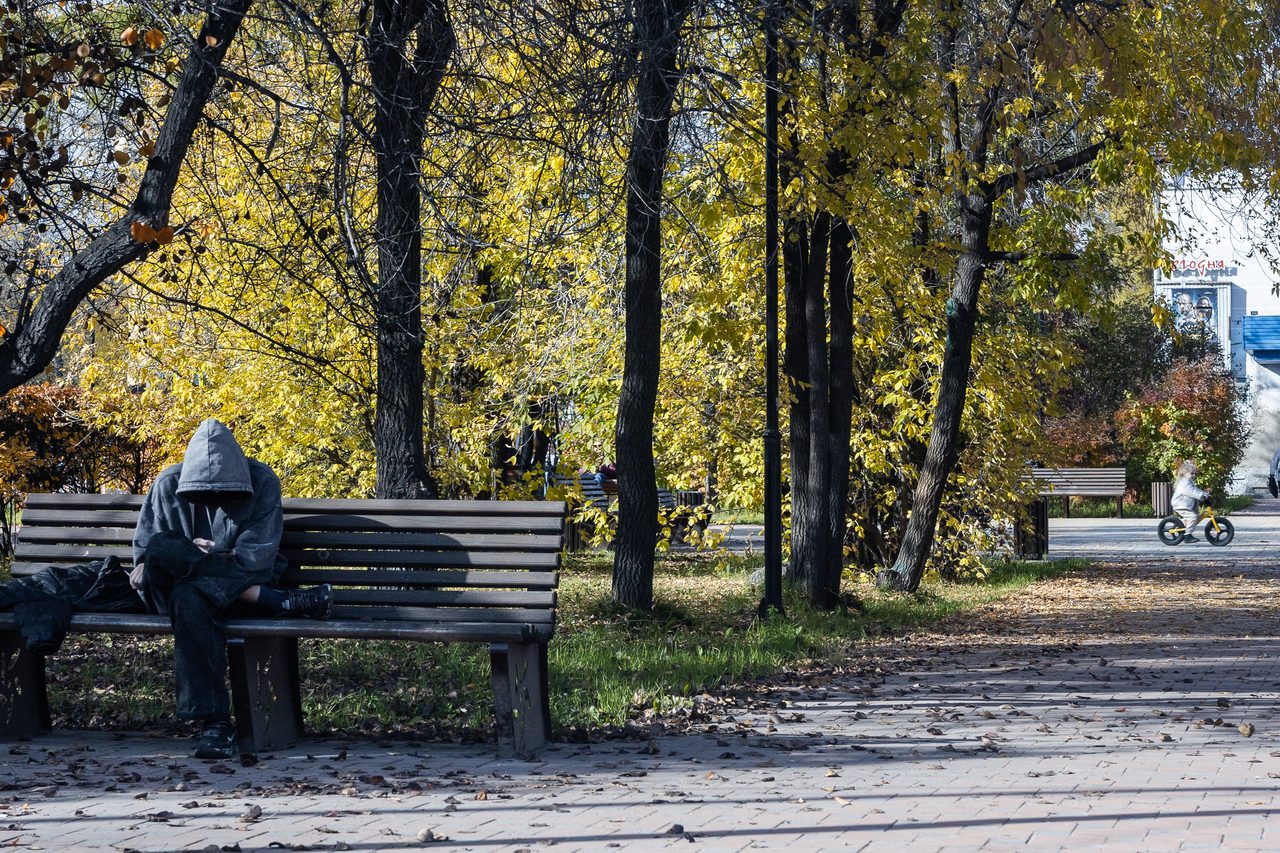
The city of Shelekhov, where Daria Shipilova died, “is not experiencing any panic,” as one of its residents tells LB. We came here on a weekday, after the governor’s statements that the situation was stable. Mothers with children walked in the city park, teenagers rode bicycles. In shops, a shopping center, a city cafe, a park - everyone is without masks. They can be seen sporadically on buses - mainly on women of retirement age and children.

There are a lot of people in the city cafe during lunch. Only from one table, where two women were dining and talking in a low voice, the word “plague” floats out. Everyone else talks about abstract topics.
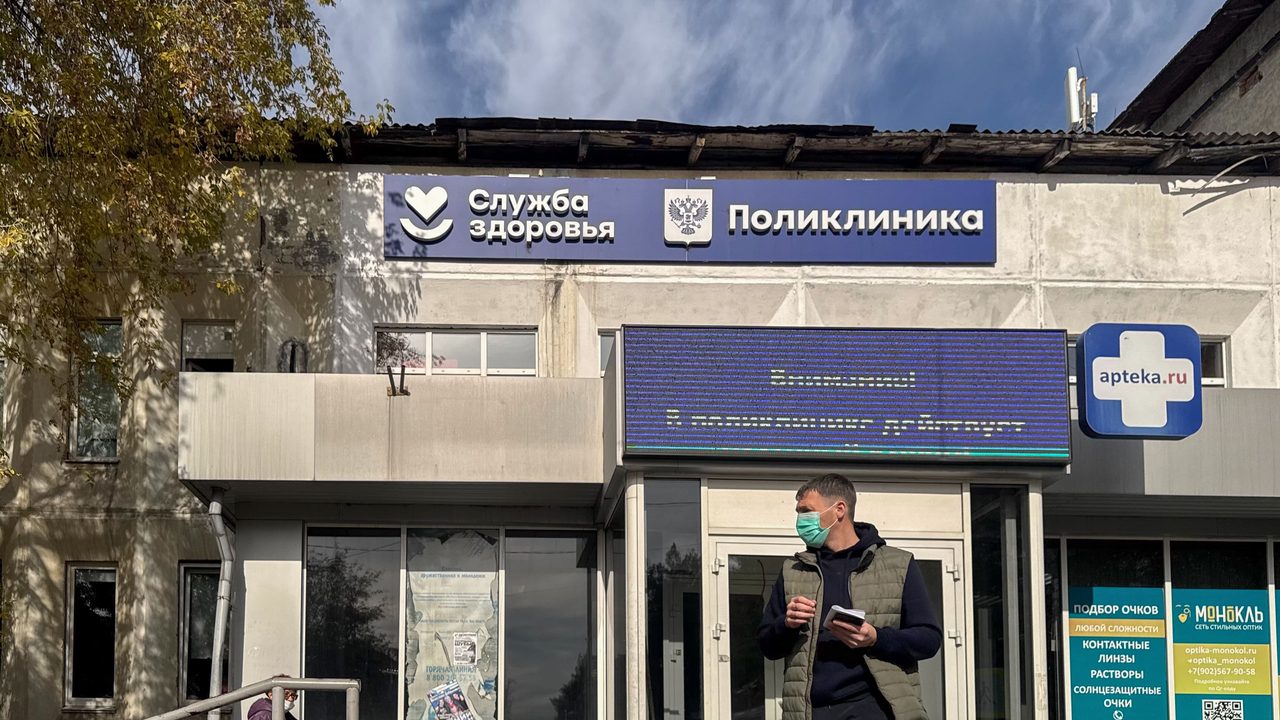
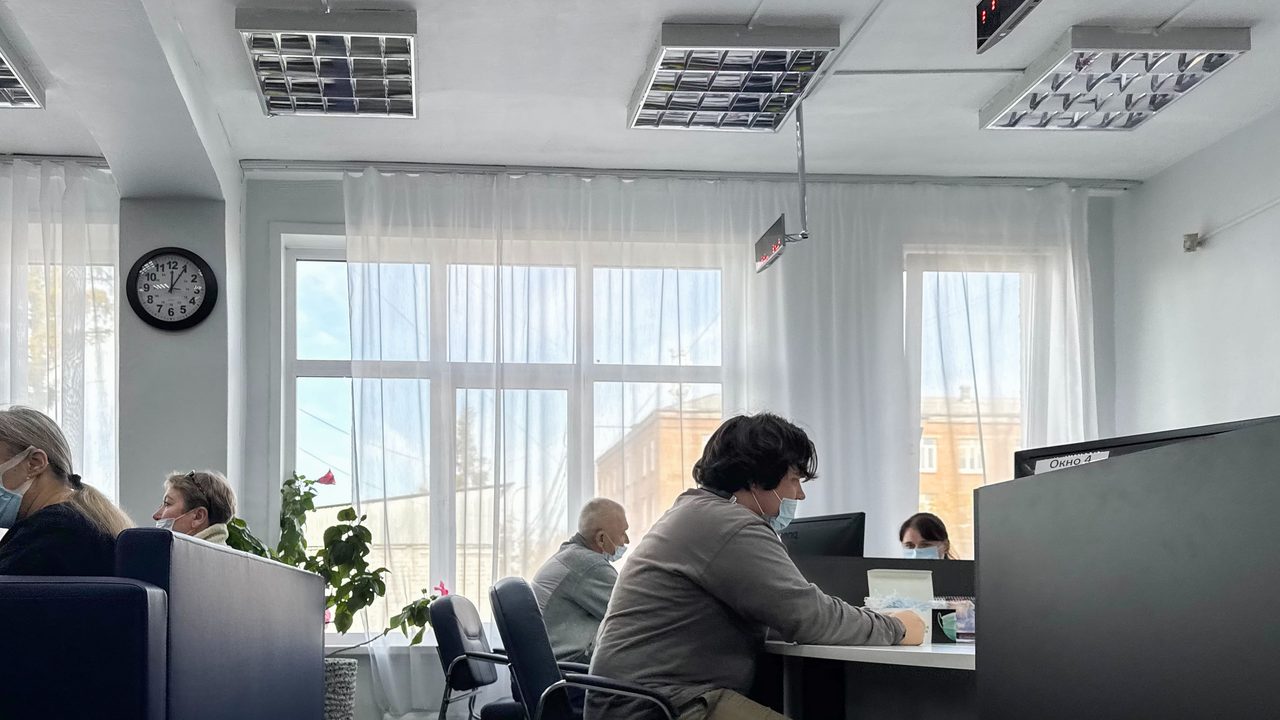
The reception area of the Shelekhov polyclinic has a full hall of visitors: work as usual. The reception staff sit at the tables, the visitors sit opposite. There is no protective glass between them. The electronic recording system malfunctions, the terminals freeze, and then issue tickets in stacks. Because of this, the process takes a long time. Since October 2, only sampling has been suspended. There is still a notice hanging in the treatment room: “Due to quarantine, there will be no blood draws” and five exclamation marks. The receptionist does not know when the collection will resume.
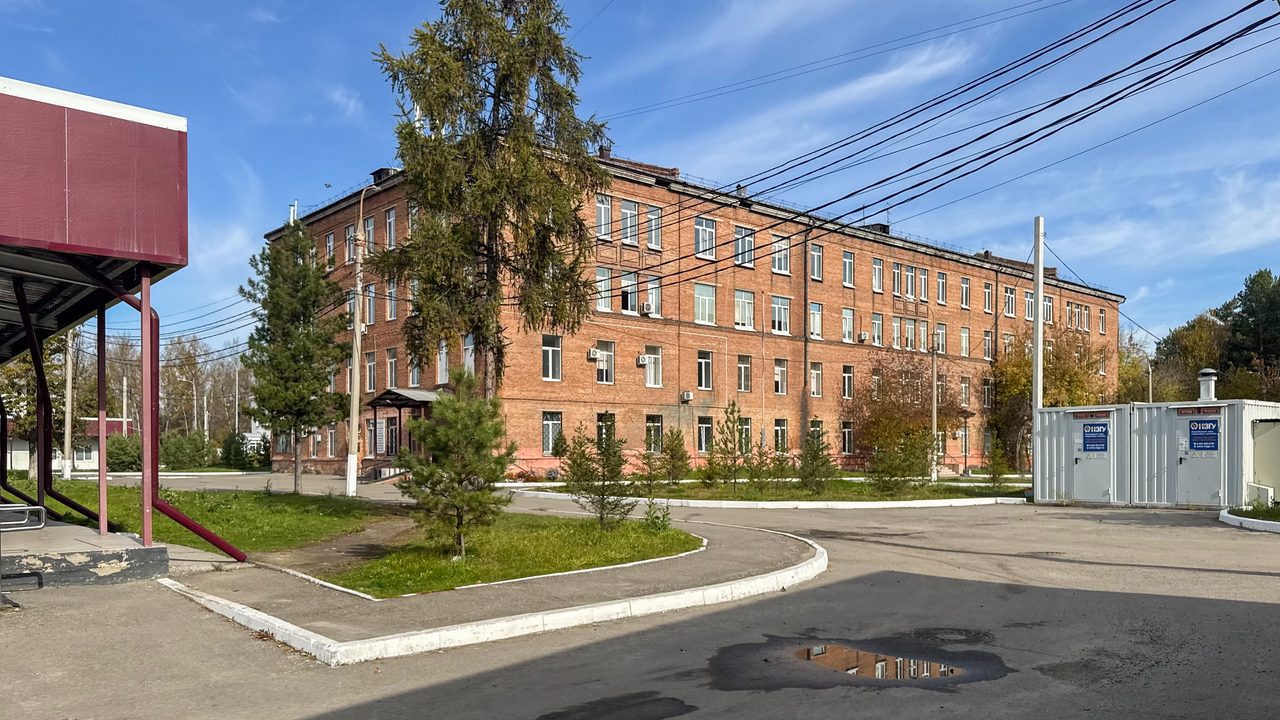
The hospital, a four-story brick building on the hospital campus, is tentatively closed until the end of the week. The reception staff reported this.
There is a colored banner hanging on the hospital building: “Doctors at the Northern Military District.”
The plastic windows were open, but no patients were visible near them. The door is also open. A trash can on the threshold and a mop handle in the opening should stop the visitor if he suddenly decides to go inside. There are no quarantine announcements. Only a warning about access mode.
A security guard in a black uniform came out to us. For protection, she is wearing an ordinary mask from a pharmacy.
- Is it really a plague? - the journalist asks her.
- Who will tell us? We only read everything on the Internet. A particularly dangerous infection, that’s all,” the employee replies.
There is a pharmacy at the hospital. The journalist asks for antibiotics and explains directly - I want to put them at home in case of a plague epidemic. The pharmacist is not surprised, he first offers the drug for 680 rubles, but then sells the cheapest one for 100. There are antibiotics, but there is no hype.
Another pack of inexpensive antibiotics was sold at a pharmacy on the other side of town without asking for a prescription. On the pharmacy doors there is an announcement about the mask regime, but the pharmacist is not wearing a mask. The ad has been hanging here since 2020, says the pharmacist and laughs conspiratorially: “But I didn’t put on a mask even then.”
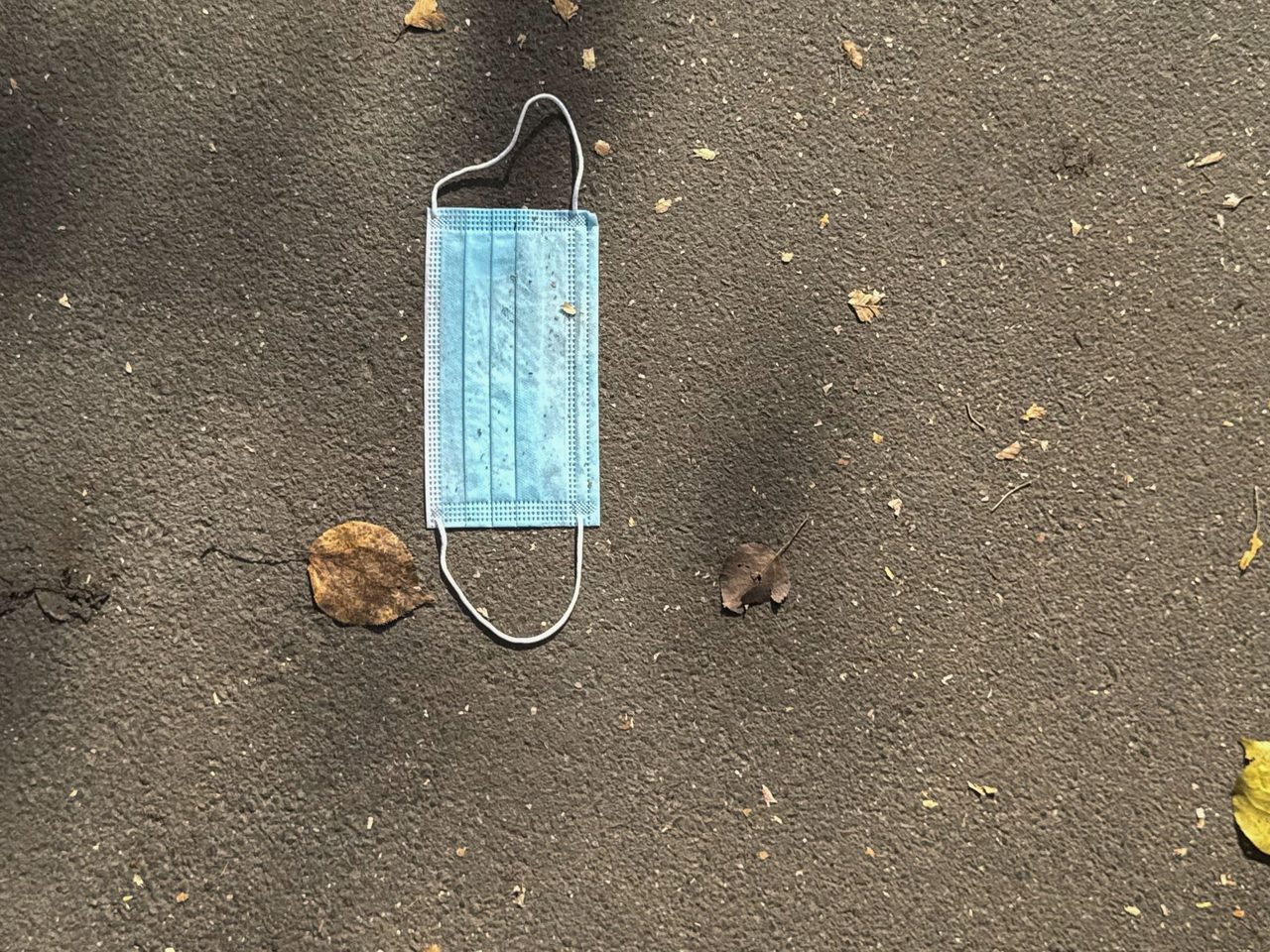
But at the entrance of the Irkutsk Aluminum Plant (IrKAZ), even janitors are sweeping leaves wearing masks. This is Shelekhov’s city-forming enterprise; from October 3, a mask regime was introduced here by order of the head, and no one canceled it.
The shift ended, and all the workers went to the entrance in a column. They are all wearing masks and take them off only after leaving the plant territory, behind the barrier.