
Translated material
Disaster in Nepal
Due to the mudflow, more than 750 people died and 3,000 went missing. Hydroelectric power plant workers have been blocked in the tunnel for four days. Experts say there is a risk of new floods
Four days after a landslide hit the Nepal-China border, the death toll continues to rise rapidly. According to the latest data, at least 750 people have died, and more than three thousand are missing. This is the official data of the Chinese and Nepalese authorities as of August 30; deaths are also reported in India, where people were carried away by the current. In Nepal, right now, rescuers are fighting for the lives of hydroelectric power plant employees trapped in a tunnel - a pipe supplying air was installed there on Saturday evening. Experts fear a new river breakthrough. Meduza has collected everything that is known about the worst disaster in the region in recent years.
Listen to the audio version of this text on Radio Medusa
How did it happen
The Trishuli River flows in the center of Nepal - and crosses the border with China at the Rasuwagadi border point between the two countries. There are usually a lot of tourists here: many of them travel from Nepal to Tibet on a pilgrimage around Mount Kailash, which is considered sacred (for example, for Buddhists this is the place where Buddha lives in one of his incarnations).
On August 26, a landslide occurred on the seven-thousand-meter-high Langtang Lirung mountain in Nepal - part of the rock and glacier collapsed into the Trishuli valley. After that, a mudflow rushed down the river - a huge stream of water, mud and stones; severe flooding began. It was initially reported that it was caused by an earthquake, but later authorities clarified that a 4.4 magnitude tremor recorded by seismic sensors was triggered by a landslide from Langtang Lirung.
Relatives of eyewitnesses who spoke to The Wall Street Journal said that people at the scene heard “a very loud sound, almost like an explosion,” after which the ground shook and a muddy stream of water came to the Rasuwagadi border crossing.
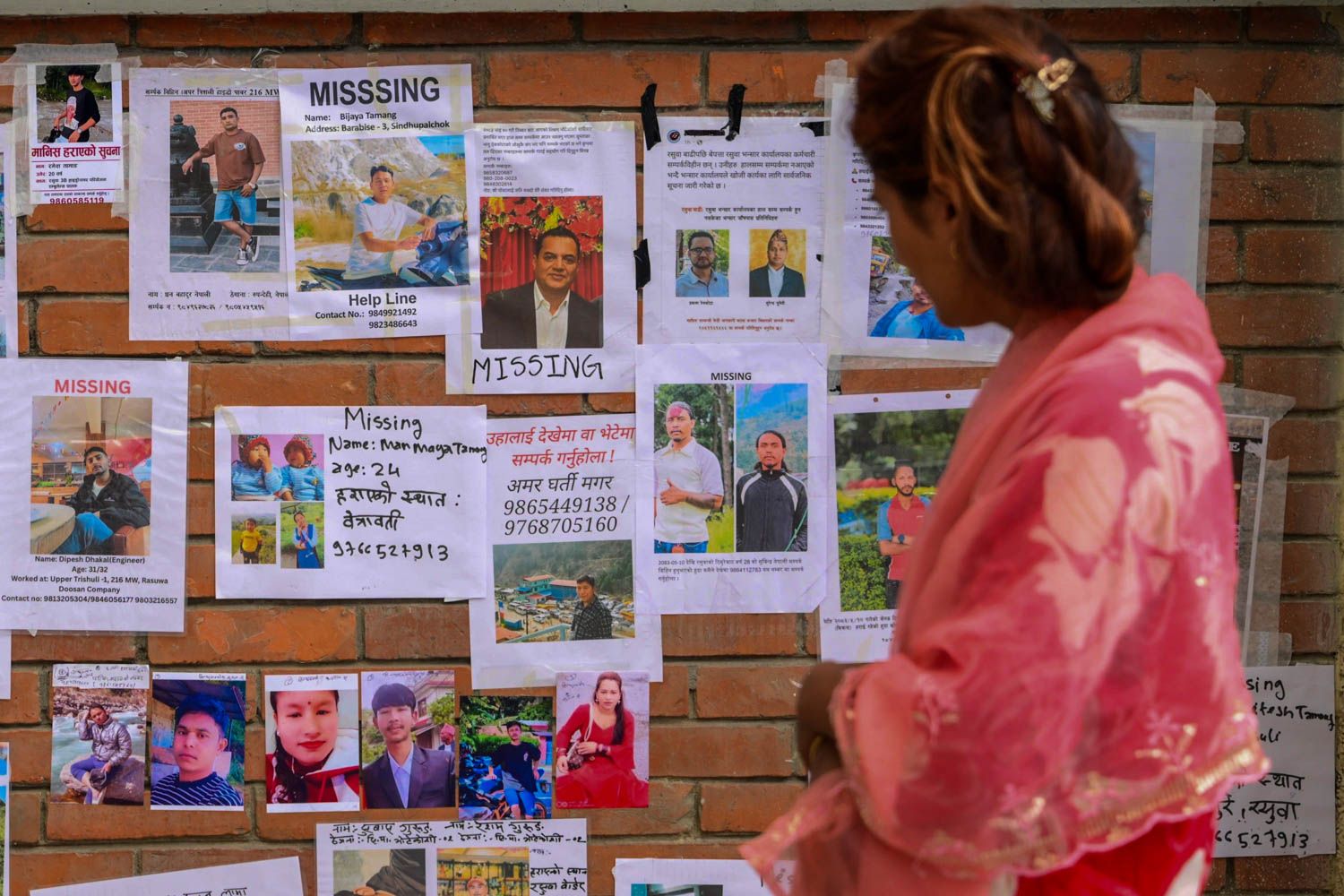
Authorities in both countries say many foreigners are among the missing. According to Chinese authorities, 261 foreigners have disappeared on the Tibetan side: the largest number are from Nepal: 104 people, as well as 49 citizens of India, 33 of Latvia, 18 of the US and 15 of the UK. The Russian Embassy in Nepal reports eight missing people.
What's happening in the region now
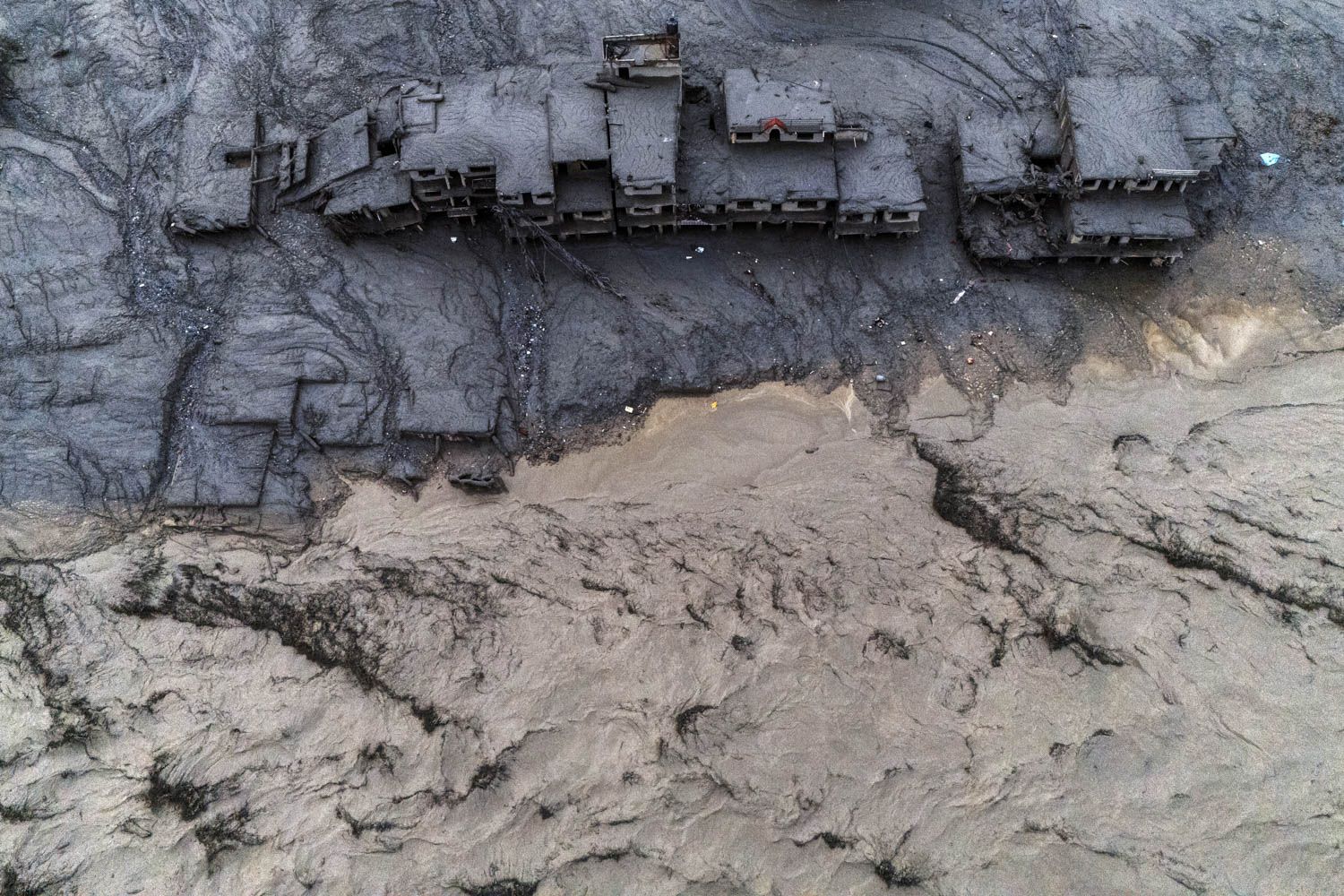
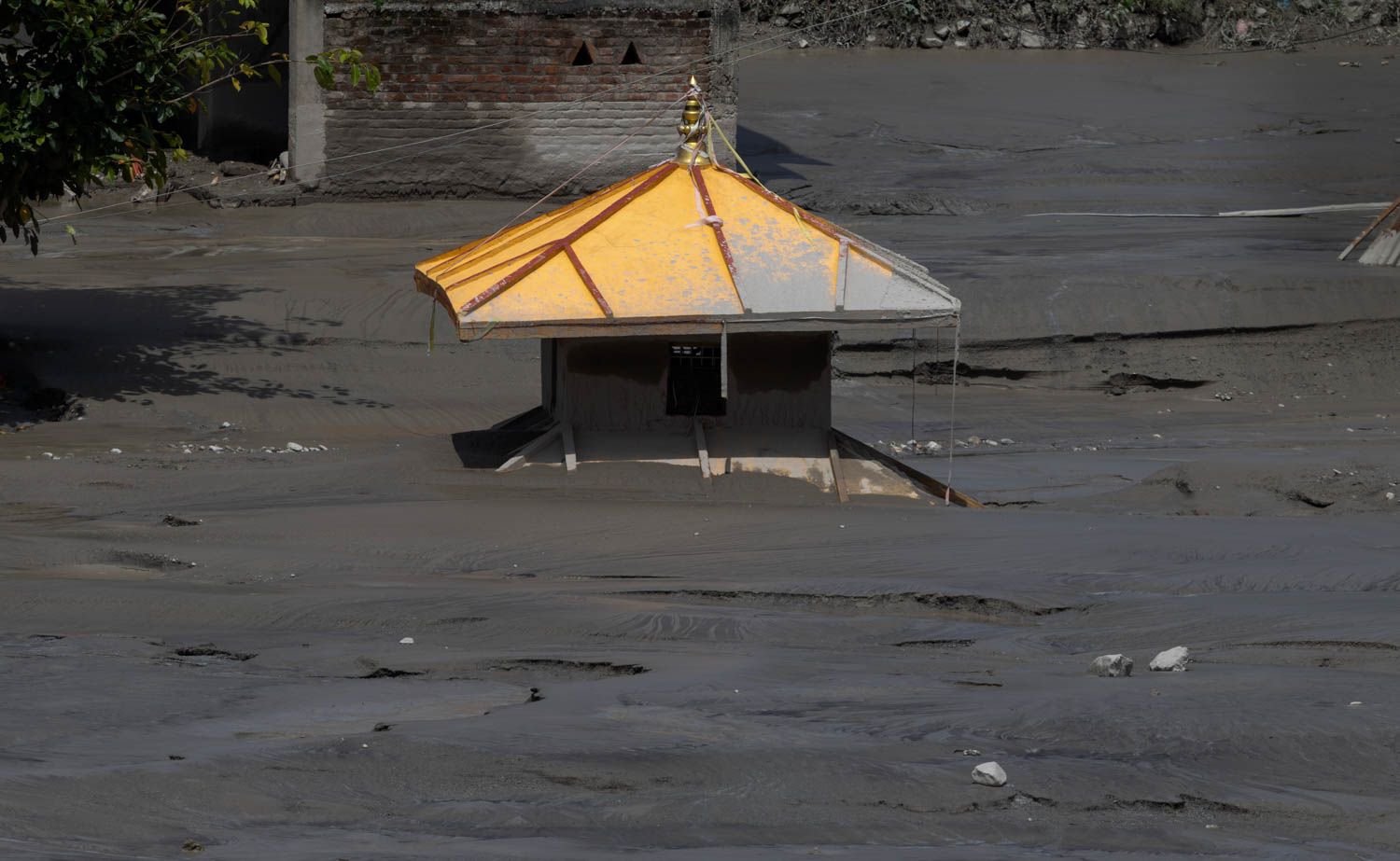
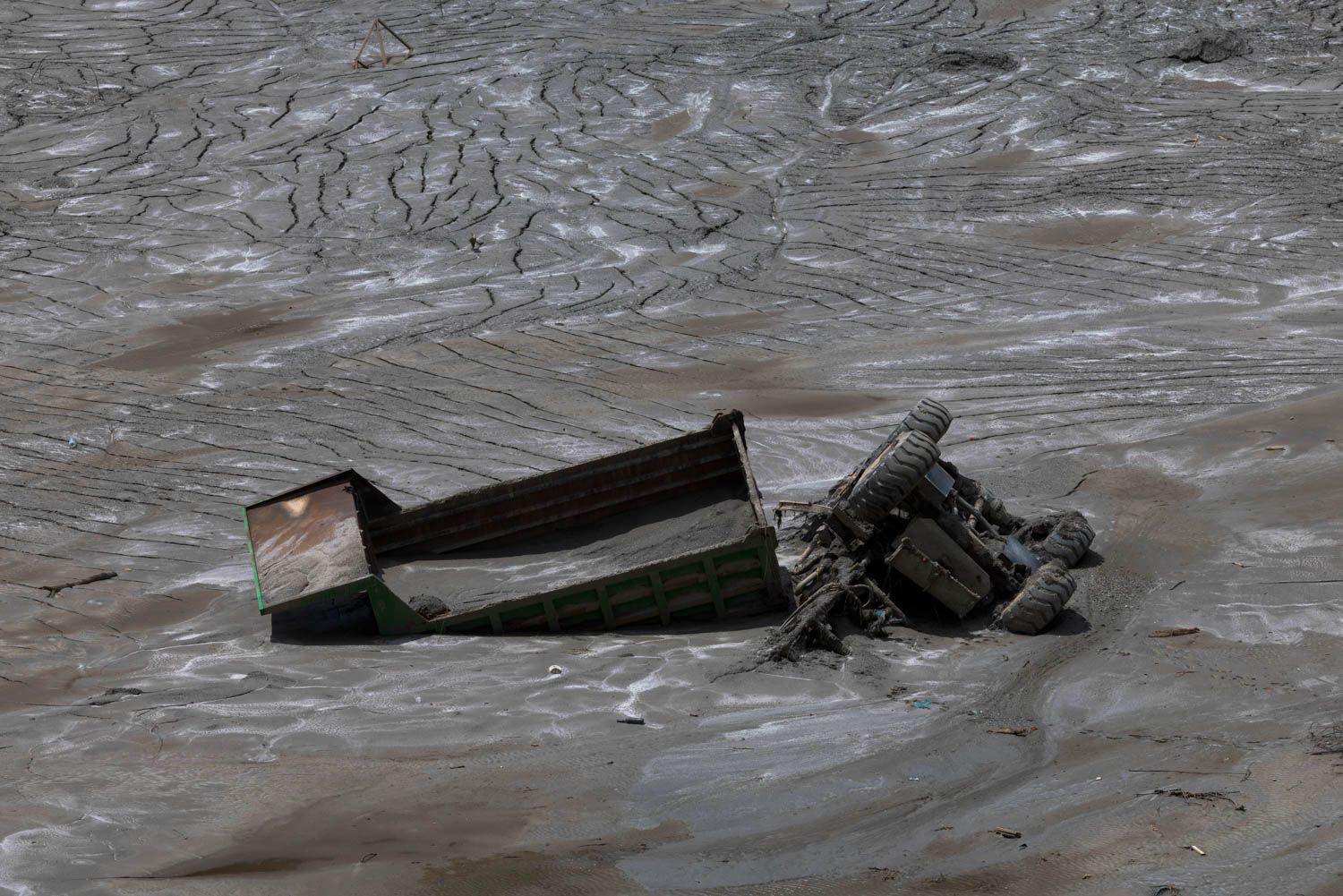
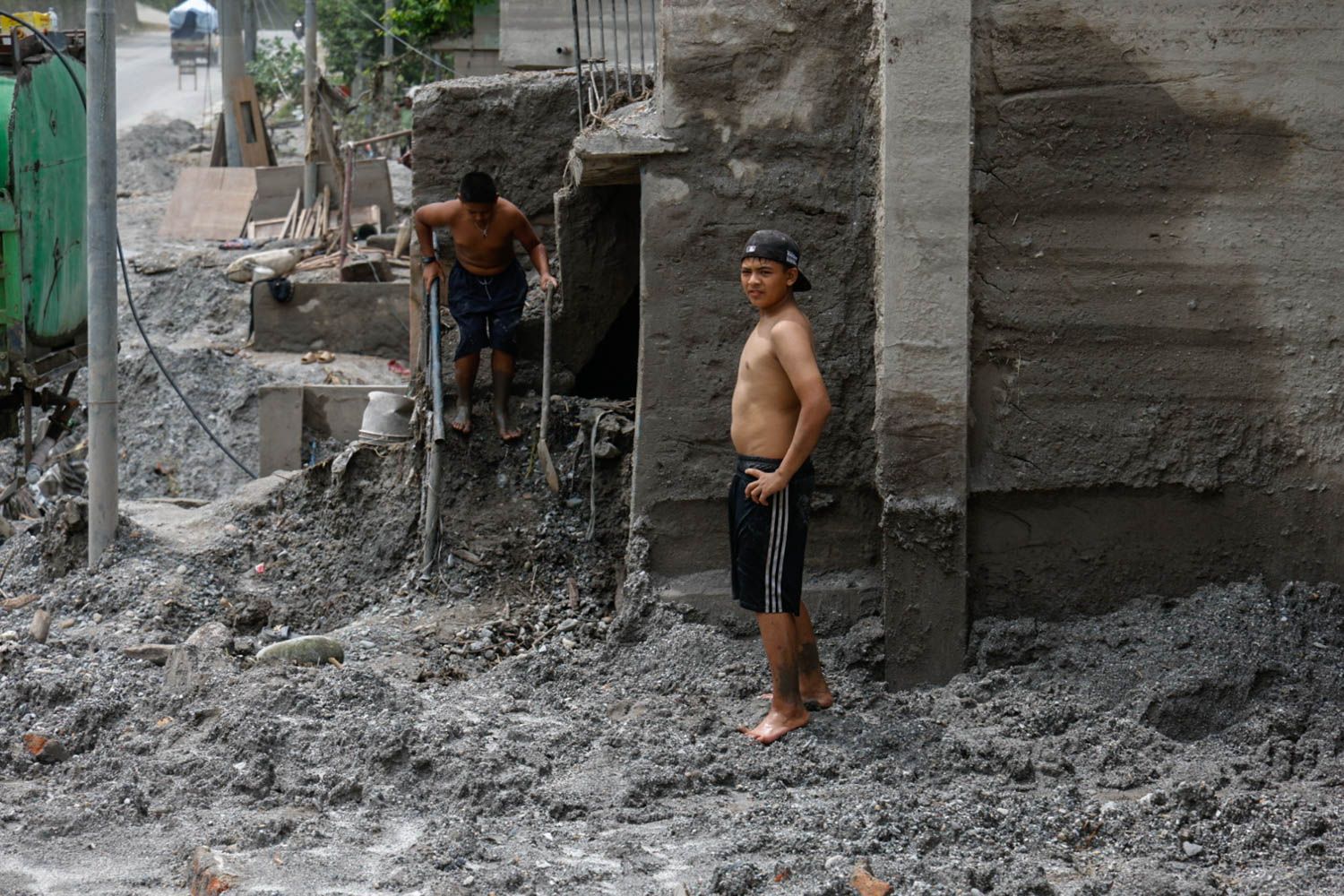
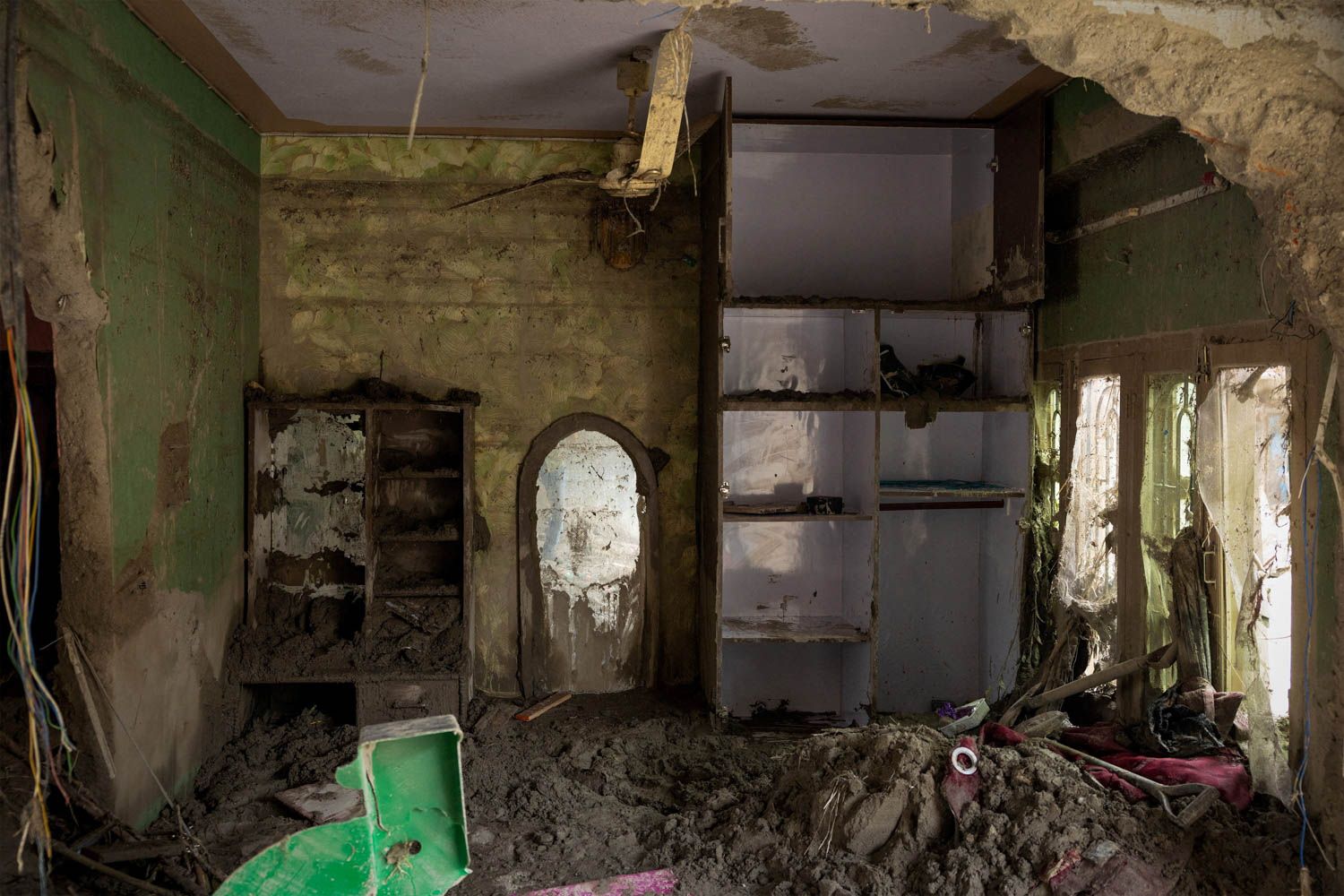
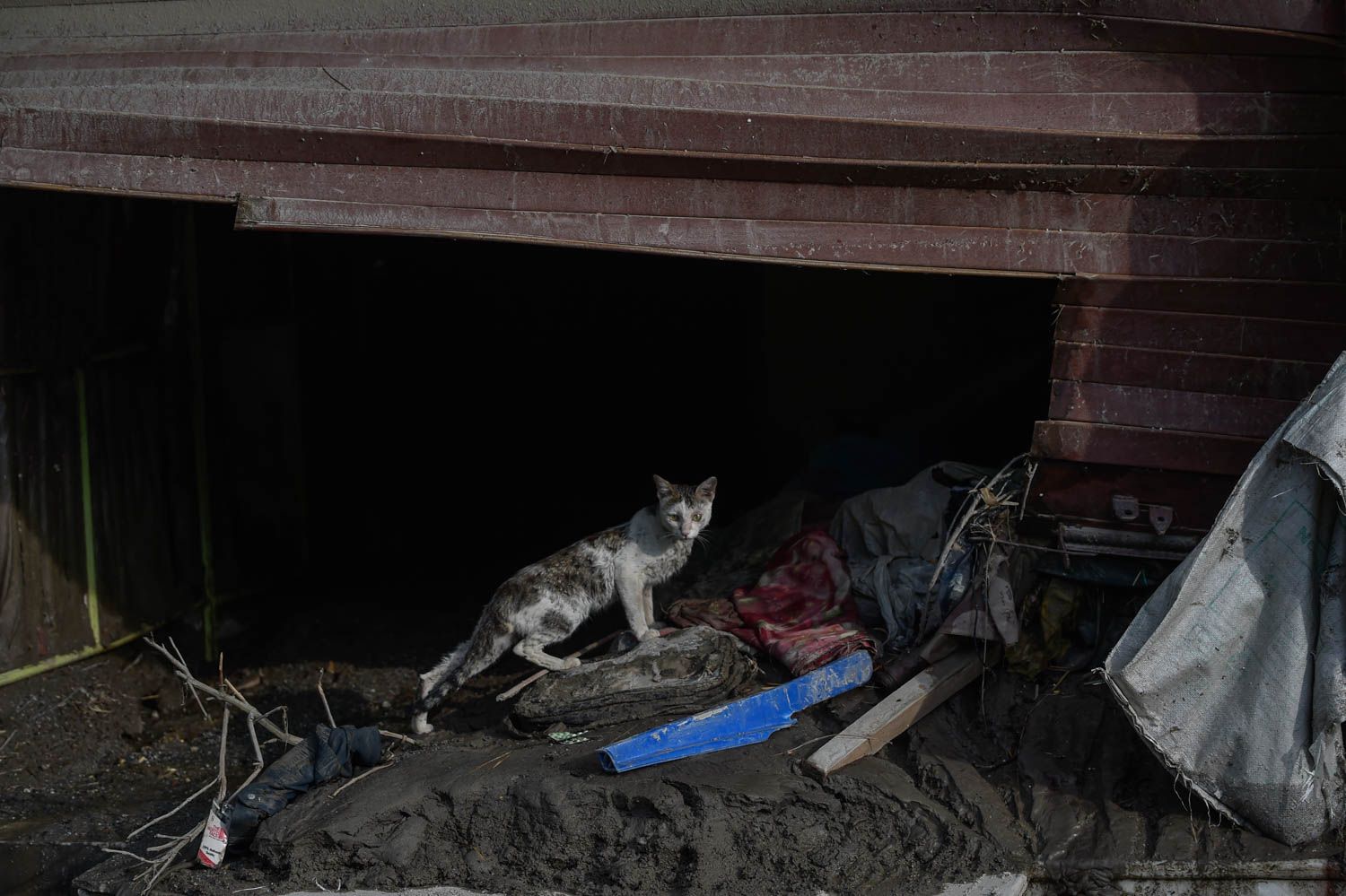
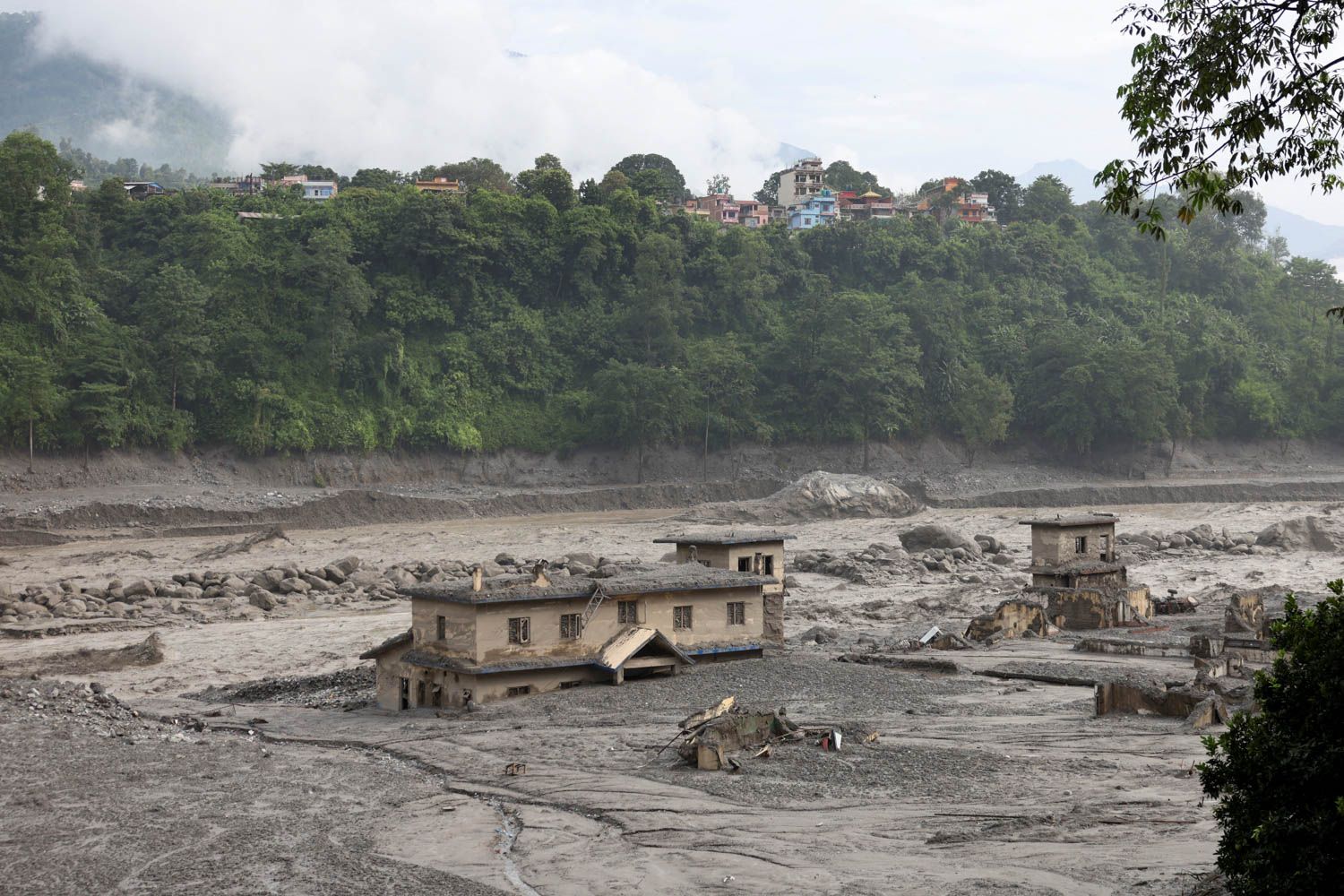
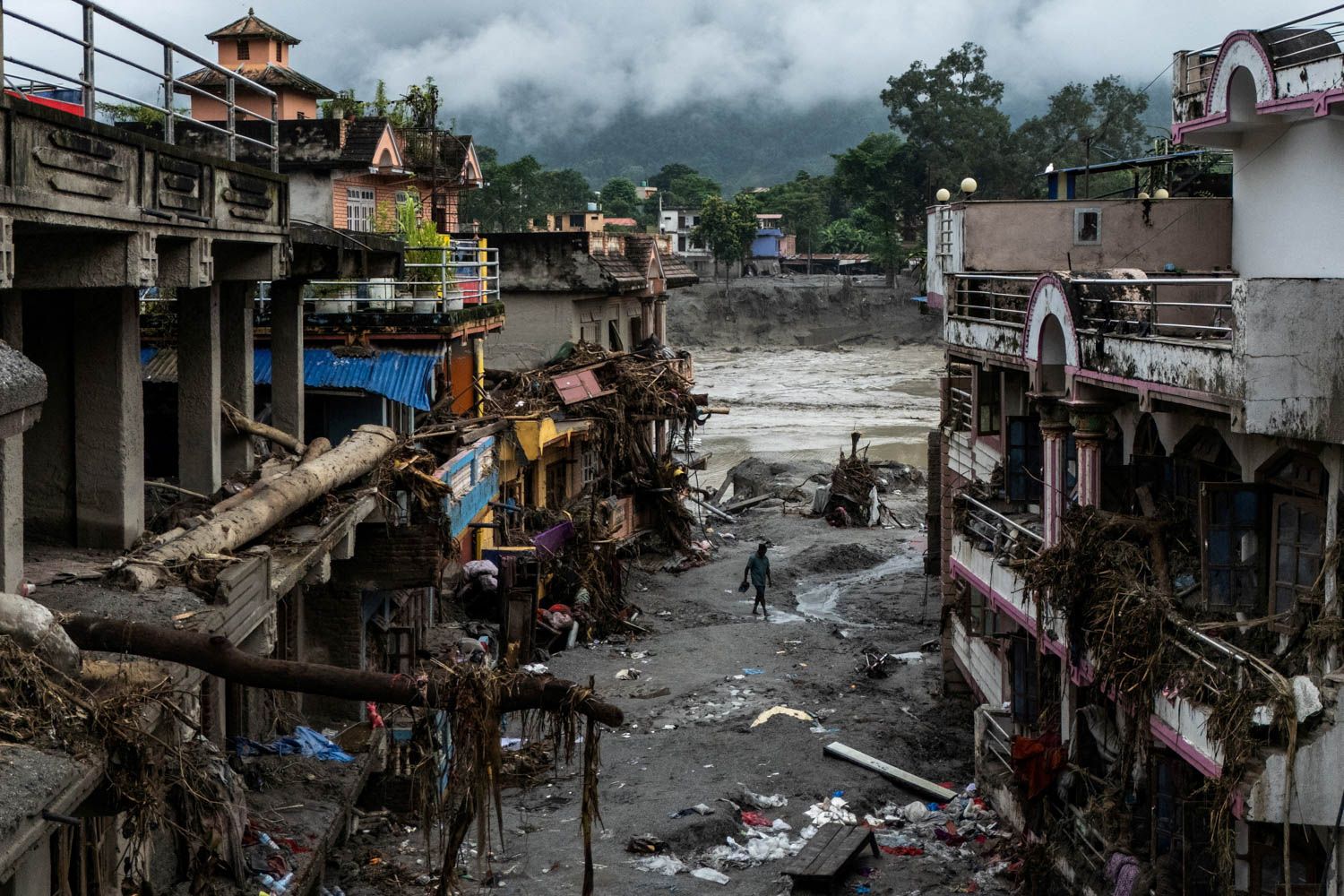
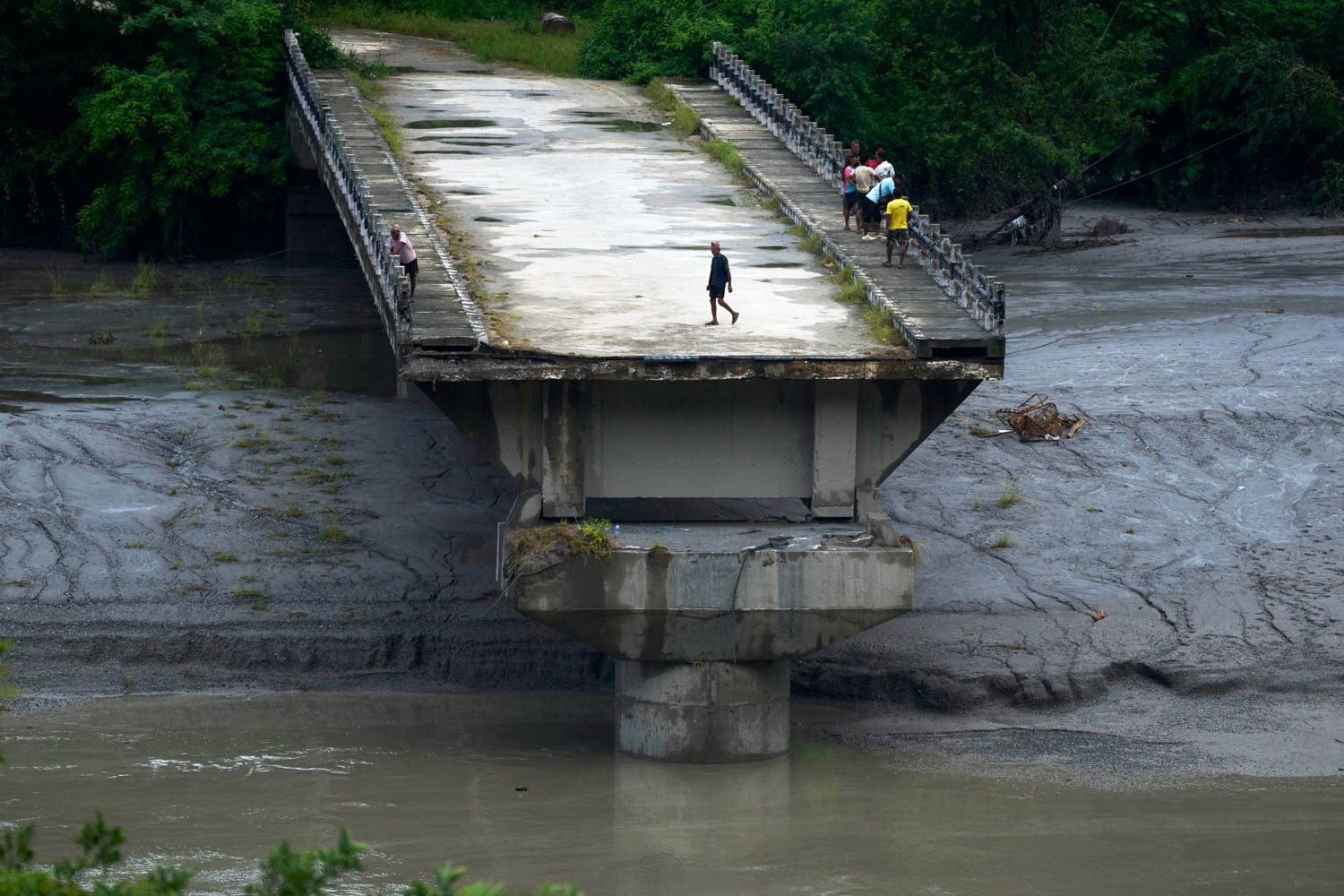
In the flood zone, the gray-brown slurry demolished houses, shops, schools, roads and bridges - all these buildings have practically disappeared, writes The New York Times . Often there are not even fragments in place: they were carried away by the current.
The publication's correspondent, along with several journalists, flew over the disaster zone in a military helicopter:
When we flew over the Bhotekoshi River, which flows from Tibet to Nepal, the waters had already calmed down. The sky was azure, the hills were green. And the river, which had been raging just a day before, gurgled peacefully. But traces of destruction, stretching for miles, are visible even from above. A major highway that ran along the river connecting Nepal and Tibet almost completely disappeared in the jaws of the flash flood. All that was left of it were the edges, like bread crusts.
According to a journalist for The New York Times, in some places the mud remained on the slopes at a level of about 200 meters.
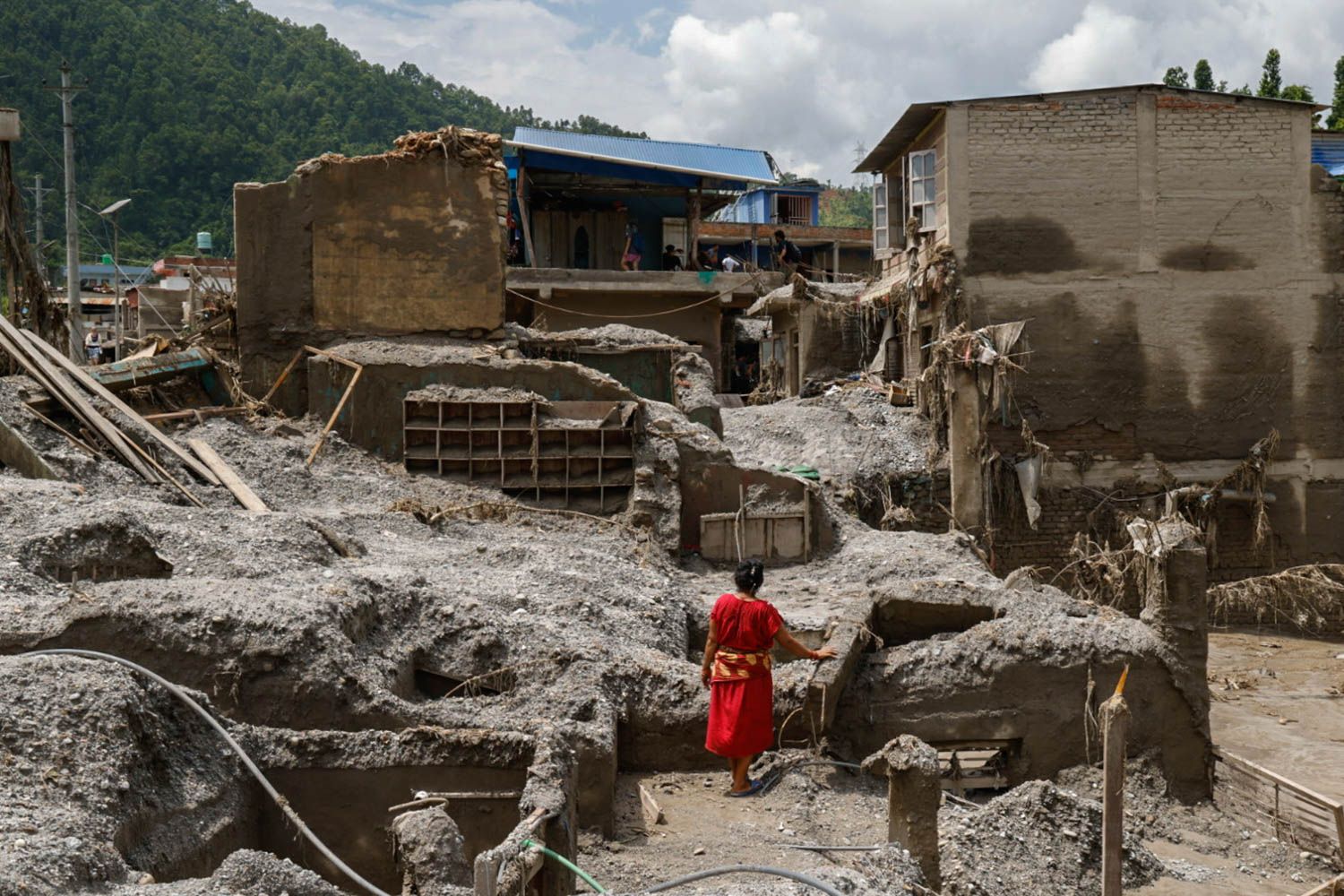
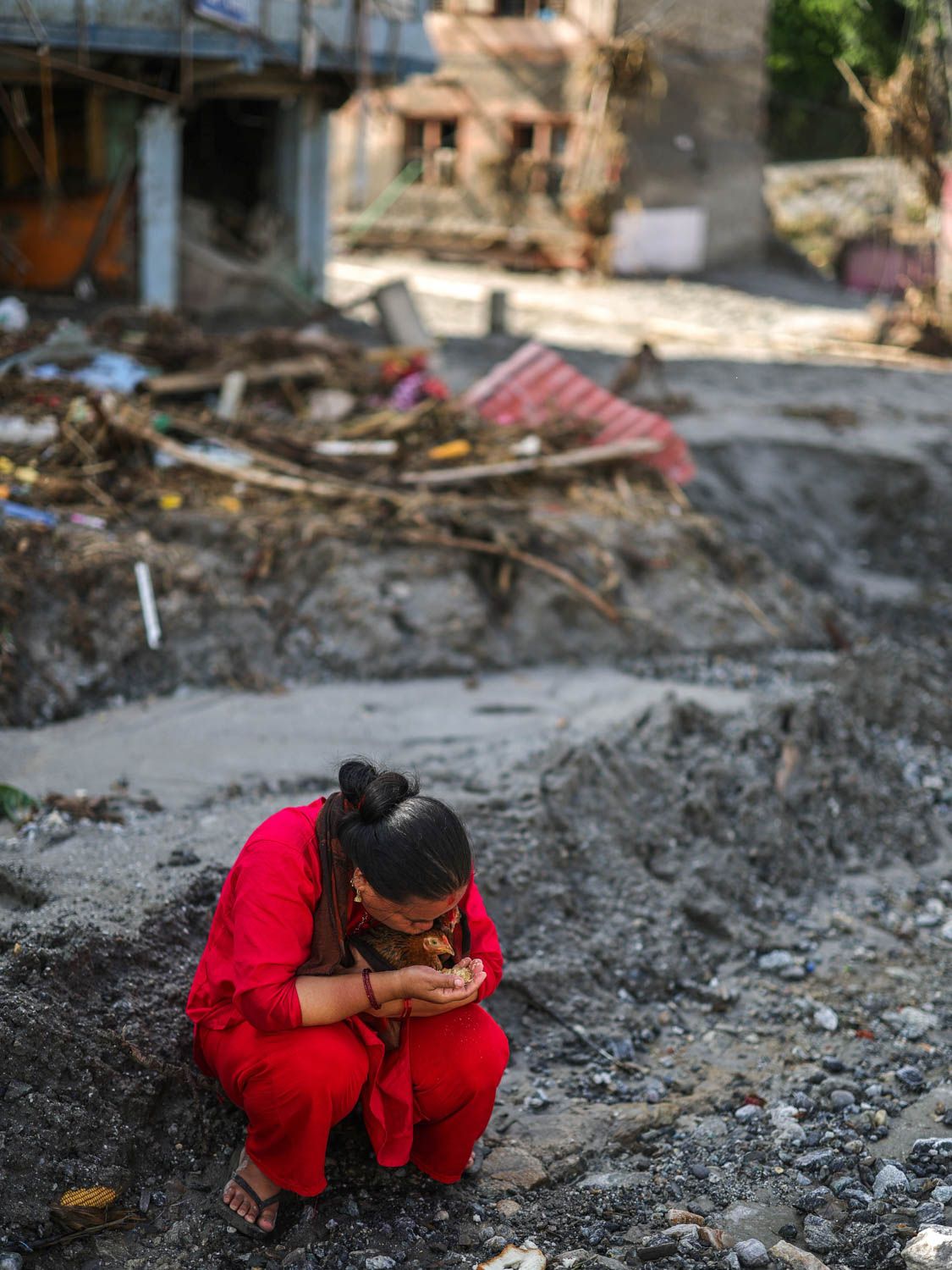
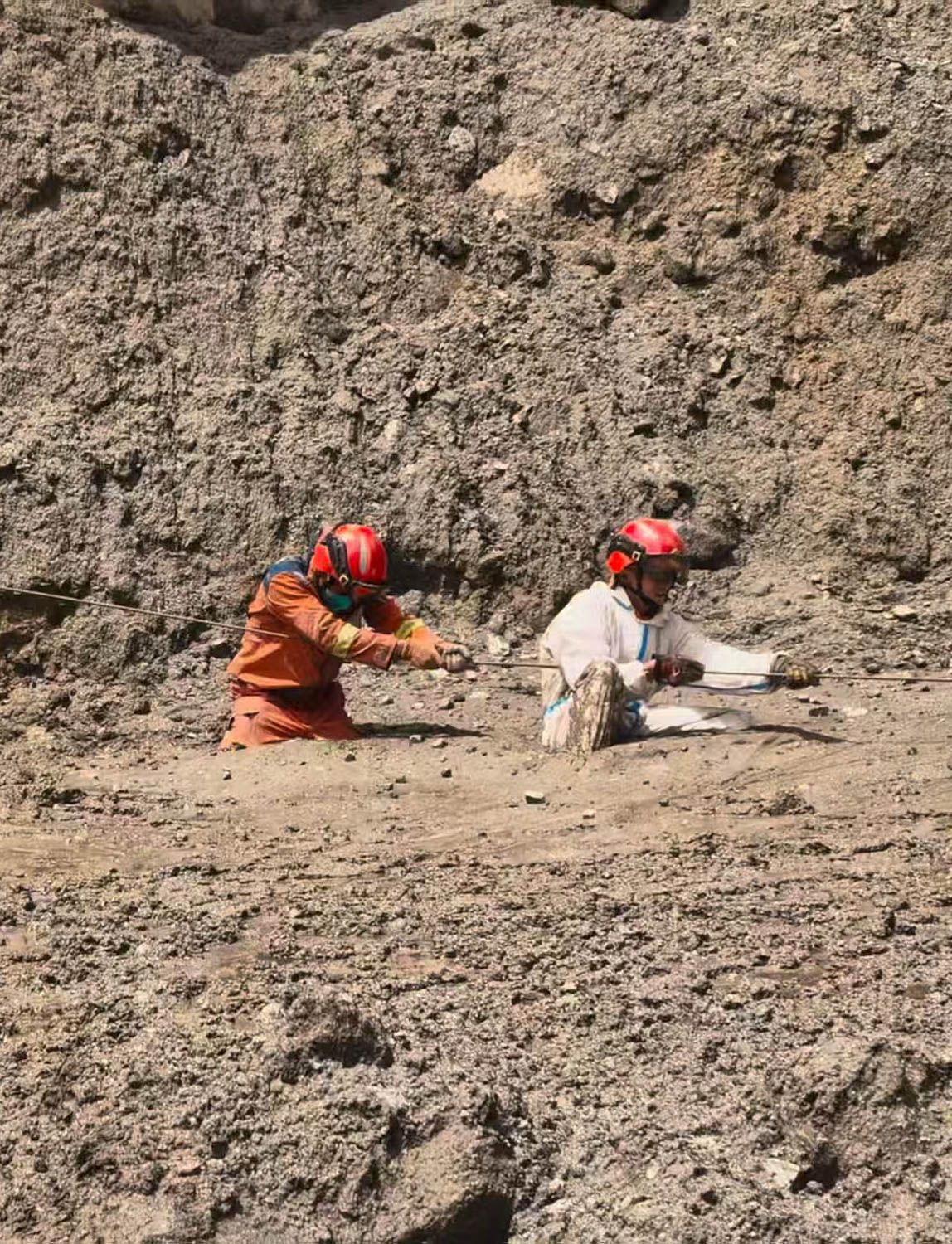
Now the Nepalese military is receiving victims, including at a base in the village of Dhunche near the river. There is no electricity or cell phone service here, so the military communicates using walkie-talkies, says The New York Times. Rescue helicopters take off and land here every 15 minutes. The wounded are transported from here to larger cities - Trishuli or Kathmandu.
Nepal's National Disaster Management Authority says 933 of the missing are employees of hydroelectric power plants located at the site of the flood. Many of them still cannot leave. In particular, at the Trishuli 3A and Trishuli 3B hydroelectric power stations, according to Nepal's Home Minister Sudan Gurung, more than a hundred workers "may still be alive." On the evening of August 29, rescuers managed to use a drill to break through the upper part of the tunnel flooded with mud and begin supplying air there.
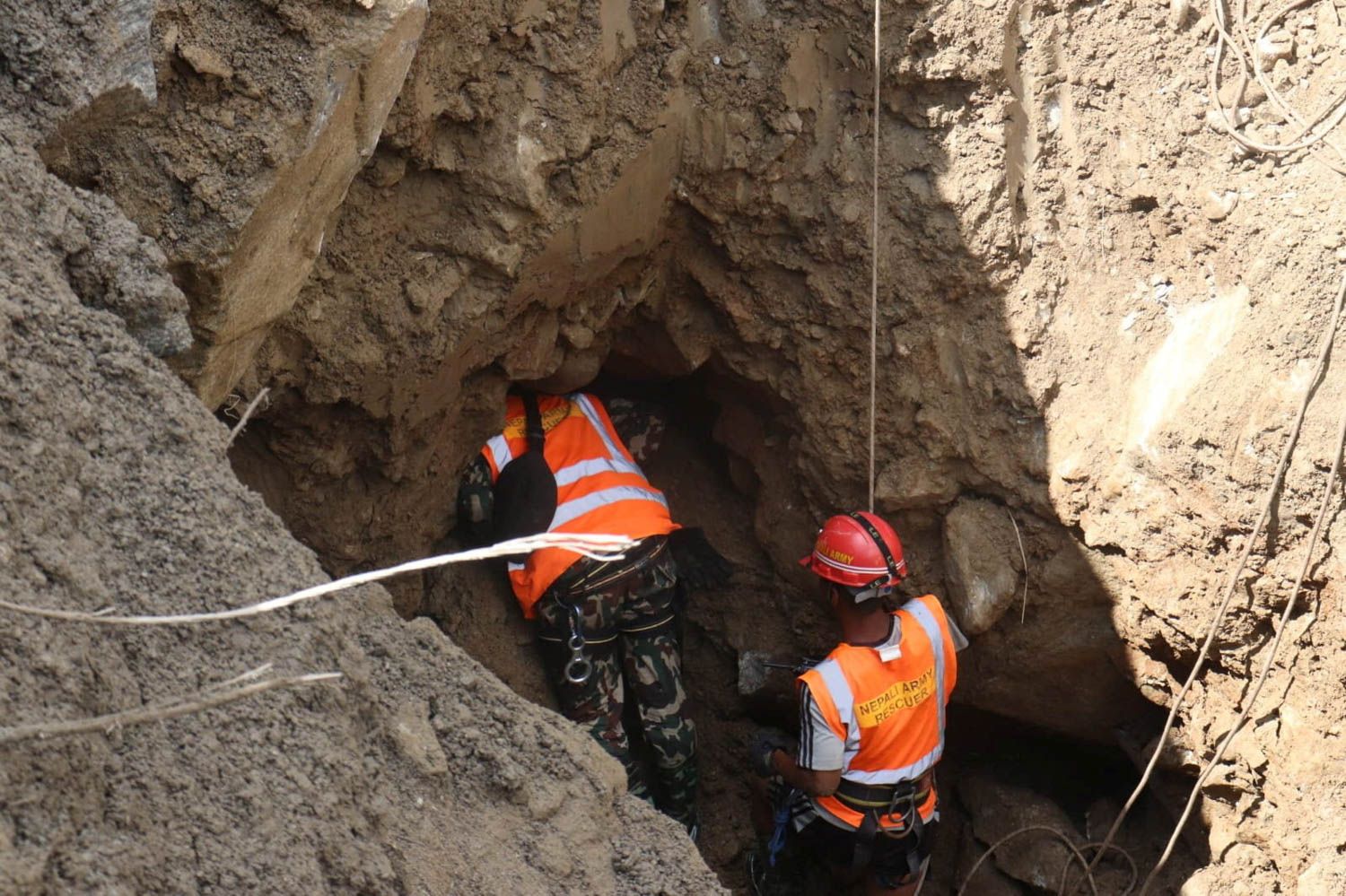
However, it started to rain at night, and by morning work at the hydroelectric station was suspended : the area was flooded. Rescuers waited for several hours before returning to work in the tunnel. Work in the area of these hydroelectric power stations continues.
Some of the bodies found, The Guardian writes, citing local authorities, decomposed beyond recognition within four days. There are fears of infectious outbreaks in the region, so experts are rushing to collect DNA and bury people as quickly as possible.
Foreign Minister Shishir Khanal said Nepal needs the help of experts who are knowledgeable in rescuing people in tunnels, restoring transport lines, identifying bodies and DNA testing. A team of Indian tunnel specialists has already arrived at the site, and Beijing has also sent a rescue team to the region. The US has promised $3.6 million in humanitarian aid to Nepal.
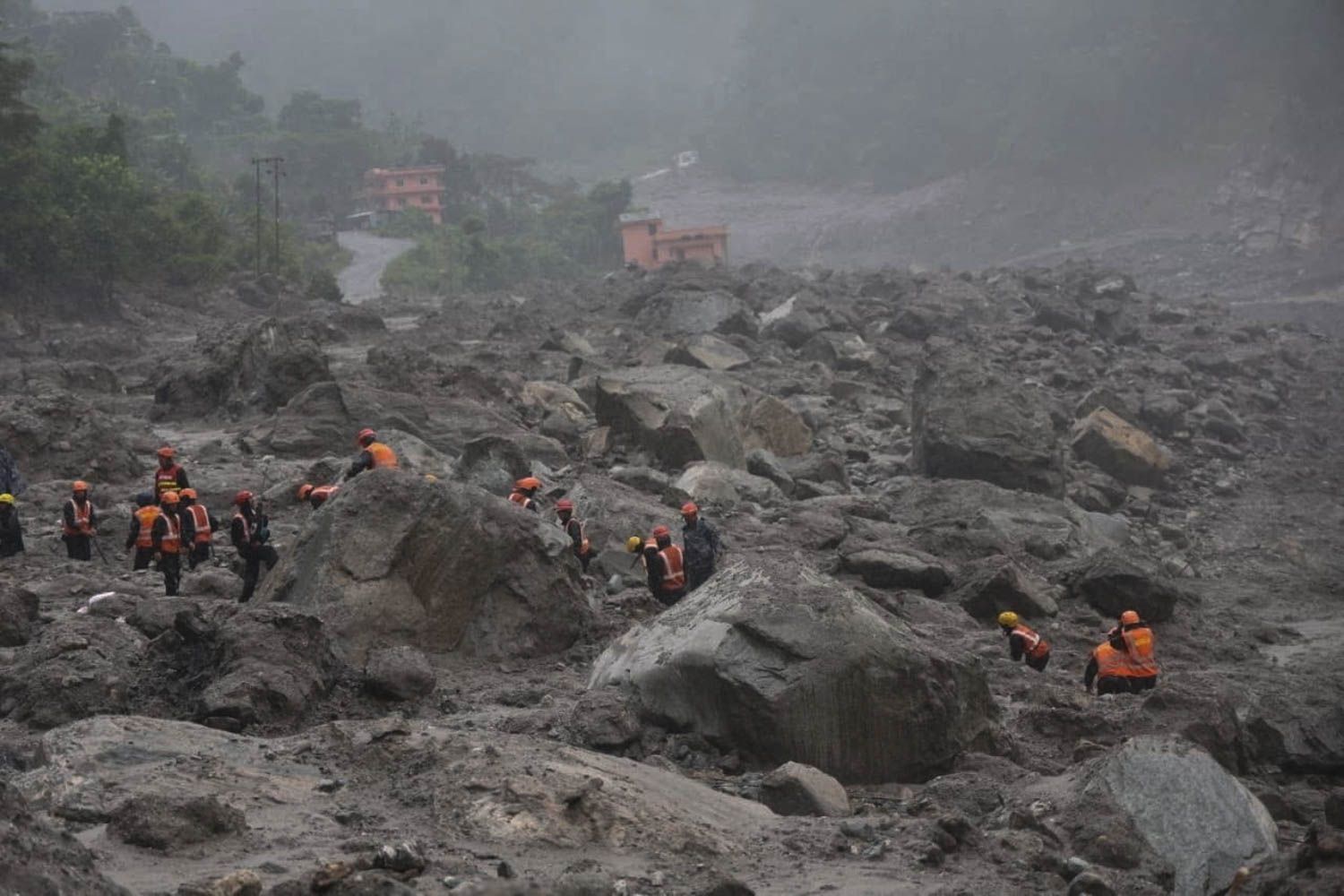
At a meeting with leaders of the Communist Party of China (CCP), Chinese President Xi Jinping said that the dam failure threatens to flood even more areas in Tibet.
In general, less is known about the situation on the Chinese side - foreign journalists, who are not allowed into the region, can judge the situation only by official statements. Chinese state media in recent days have mostly shown soldiers, police and firefighters working in the disaster zone.
The BBC quotes flood expert Geoff Da Costa as a University of Reading employee who believes that the mudflow that occurred on August 26 could lead to new floods in the region. In several places, debris blocked rivers, causing new lakes to form upstream. Because infrastructure is heavily damaged, "a second flood doesn't have to be as big as the first to cause major impacts," he says .
Missing and Survivors
Here are just a few of the stories being told in media around the world.
Said Umar Sadiq
Tour operator
For the first time he went on a pilgrimage to Mount Kailash - along a route that his father, the founder of a travel agency, had repeatedly walked. On Wednesday, Sadiq led his group to the border checkpoint. He and 57 other pilgrims disappeared. The water carried away two of the group's three minibuses, and the third car was thrown to the side. Survivors from the third bus told this story to The Wall Street Journal to Sadiq's cousin Mohammad Hussain. His cousin is now missing and his family, including his 18-month-old son, await news in India.
Prem Subedi
Border Guard Officer
On August 26, he was working at the Timur border crossing point in Nepal. As always, he had to process the documents of travelers heading to China. At first he felt something like an earthquake. “A strange wind arose. We could not understand what was happening: a volcanic eruption, an earthquake or a flood. It was like a tsunami too.” Subedi ran out of the building and began to climb the dry cliff, grabbing the grass. Those who did not run immediately after the shock did not survive, he tells The Wall Street Journal: “I would have died if I had hesitated for even 15 seconds.”
Rajendra Davadi
Director of a school located near Timure
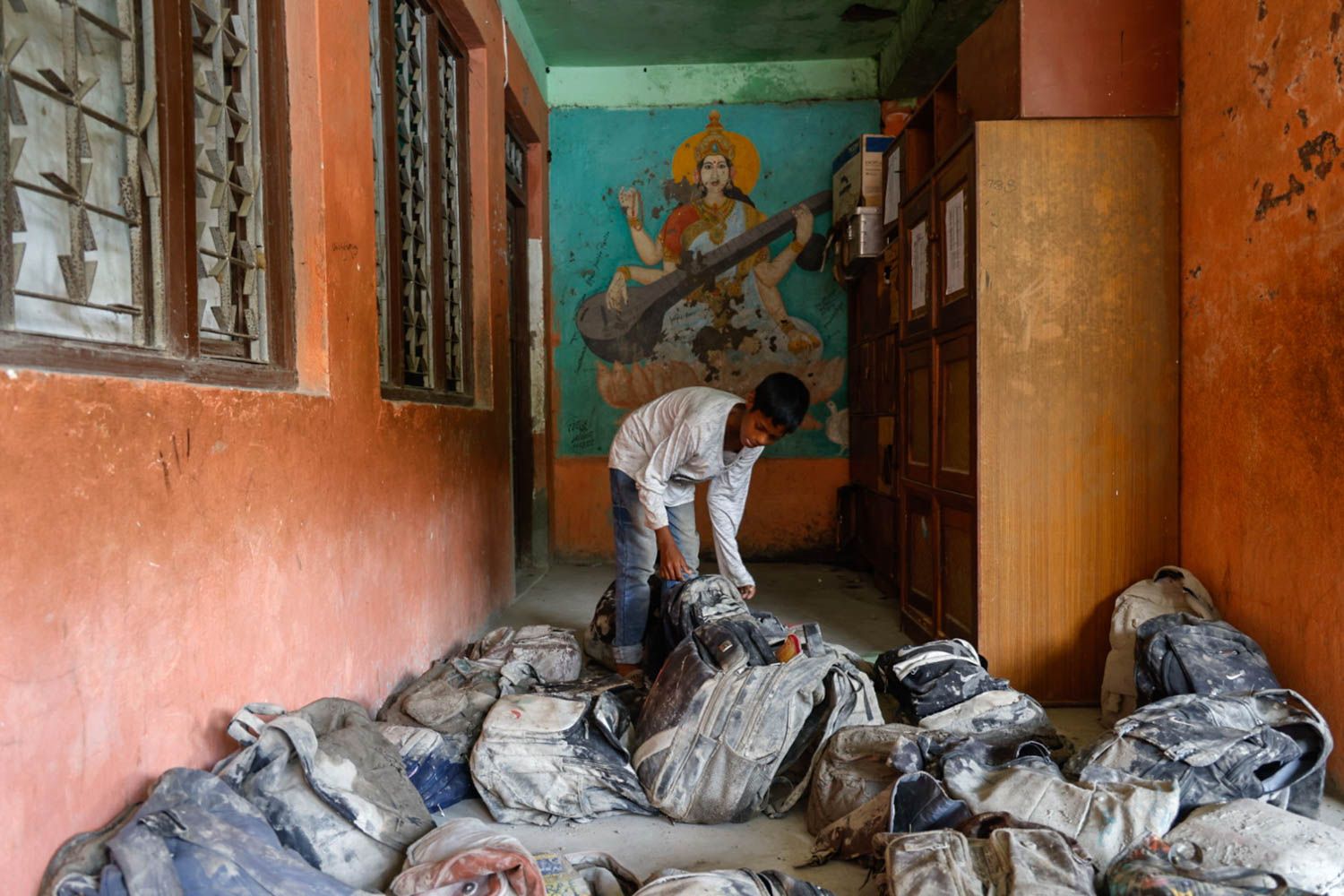
Around 10 a.m., he received a call from a friend from Rasuwa, the region of Nepal that was hit by the mudflow early on. A friend told me to get to a safe place as soon as possible. Around the same time, the mother of one of the students came running to pick up the child. Dawadi sent home those children who live in safe zones. He told the rest to run to the hills: “This is what we taught them in case of floods.” Together with a hundred students, he climbed the neighboring hills, fifteen minutes later their school was washed away entirely: “It became part of the shore.”
Albina Divaeva
Tourist
I was one of the last to cross the border between Nepal and China. She was also planning to climb Kailash; there were 24-25 people in her group. They all gathered at the border checkpoint after descending from the mountain. If someone had been late, Divaeva’s group would not have had time to pass control and would have stayed overnight in the future flood zone. “Then we wouldn’t exist anymore. I’m crying yesterday and today because I realize the scale of the tragedy. It’s just terrible, I can’t wrap my head around it - we only recently passed through villages, but today they don’t exist. And the people who lived there too,” the traveler told MSK1 .
Elena Oksyuz
Traveler and guide
She came to Nepal as part of a group from Estonia, after which she planned to go to Tibet. She disappeared after crossing the border into Rasuwagadi. She led her own excursions in Turkey and collaborated as a guide with Mikhail Kozhukhov’s Travelers Club.
Anna Pak
Traveler
I bought a ticket from Mighty Himalaya Trek & Expedition and was supposed to go on a mountain trekking trip as part of a group of eight people. Her group spent the night near Rasuwagadi, and at dawn on August 26, they crossed the border into China. After that she never contacted me again .
"Jellyfish"