
Translated material
War
One thousand two hundred and fifty-nine day. Trump is fighting with India over Russian oil. In three days, the ultimatum with threats of sanctions against its buyers expires
Since February 24, 2022, Meduza has been broadcasting live about the Russian-Ukrainian war. We publish your letters in our daily materials because we are sure that we need to continue talking about the war. How do you feel about the ongoing war? How is it affecting you personally right now? How has your attitude to what is happening, to Russia, to Ukraine, to the world changed over these three years of war? Find the feedback form at the end of this article. You can read the previous day's review here .
World
Donald Trump again threatens India with tariffs on its goods because it buys Russian oil
India-US relations worsened on July 30 when US President Donald Trump threatened to impose a “fine” on India for purchasing Russian oil and military equipment. He also announced tariffs of 25%, although India was expecting 15-20%. Later, Deputy Chief of Staff and one of the most influential aides to the US President, Stephen Miller, directly accused India of financing Russia’s war with Ukraine. “He [Trump] has said clearly that it is unacceptable for India to continue to finance this war by buying oil from Russia,” Miller said . On August 4, Trump again promised to significantly increase “the tariff that India pays to the United States” (without specifying how much), and on August 5 he said that he would do this within 24 hours.
“It is significant that those countries that criticize India themselves continue to trade with Russia. Unlike us, such trade is not a vital necessity for them,” the Indian Ministry of Foreign Affairs responded to this on August 5. The Kremlin said that it hears “many statements that are actually threats” regarding countries trading with Russia. “We believe that sovereign countries have the right to choose their own trading partners,” said Russian presidential spokesman Dmitry Peskov.
India, along with China, is the largest buyer of Russian sanctioned oil, which Moscow sells at a price above the ceiling set by the West. According to Reuters estimates , India buys about 1.8 million barrels per day - and it is also the main buyer of Russia's flagship Urals oil. China buys two million barrels per day. The United States also threatened him with an increase in duties, to which China responded at the end of July that it is a sovereign state and will independently decide from whom to buy oil.
India reacts ambiguously to Trump’s threats - either it reduces purchases or not. After the first threats, as reported by Bloomberg, the Indian government instructed state-owned oil refineries to prepare plans for purchasing oil from other countries in the event of a refusal of Russian raw materials. At the same time, Reuters wrote that four state-owned companies in India had already stopped purchasing oil from Russia. However, judging by reports from sources in Indian publications, these supplies have not yet been stopped. Reuters sources note that there will be no immediate changes, in particular because it is not so easy to abandon long-term oil contracts.
Amid disputes with the United States, Indian National Security Advisor Ajit Doval arrived in Moscow, The Times of India reports . His visit is aimed at “strengthening the strategic partnership with Russia,” the newspaper writes. Her interlocutors among the officials claim that Trump's threats will not affect Russian-Indian relations.
On August 8, 10 days expire, after which Trump promised to impose sanctions against Russia’s trading partners if Vladimir Putin does not stop hostilities in Ukraine. At the end of this period, US Presidential Envoy Steve Witkoff is expected to visit Moscow. He will arrive on August 6 or 7. Witkoff has visited Russia four times over the past six months, but these visits have not led to any visible progress in ceasefire negotiations.
Ukraine
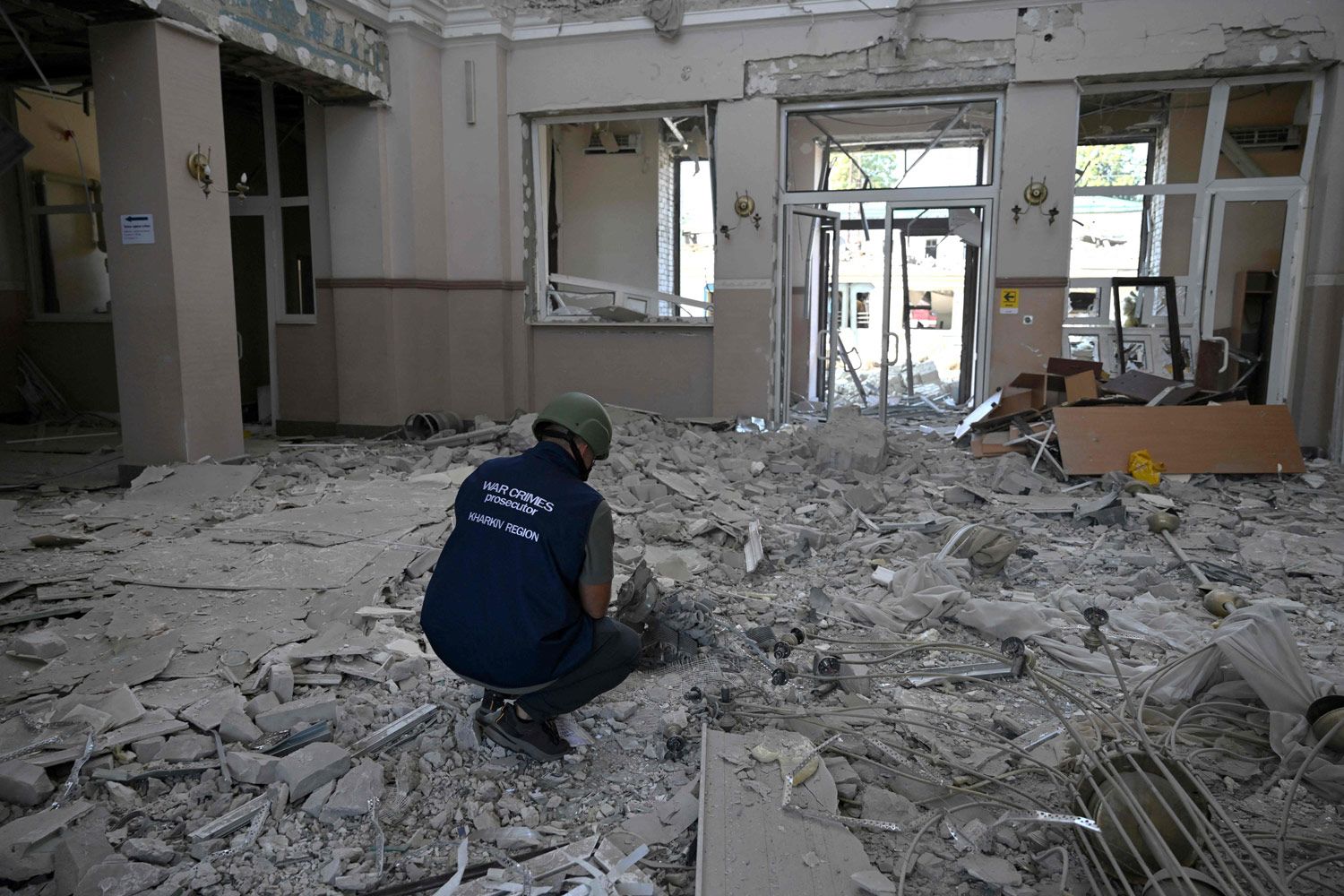
The Russian army launched a strike on Lozovaya - local authorities called it the most massive attack since the beginning of the war
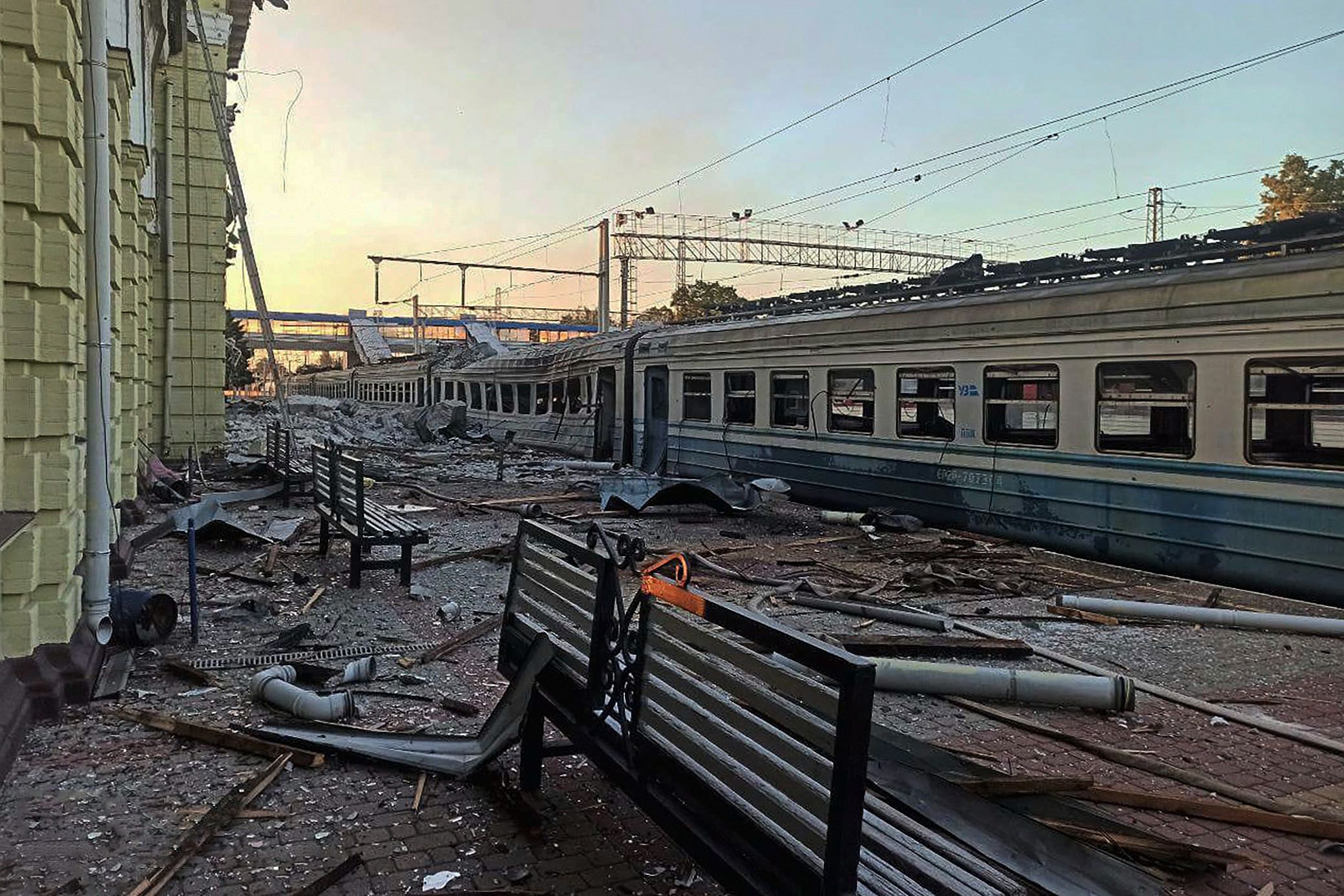
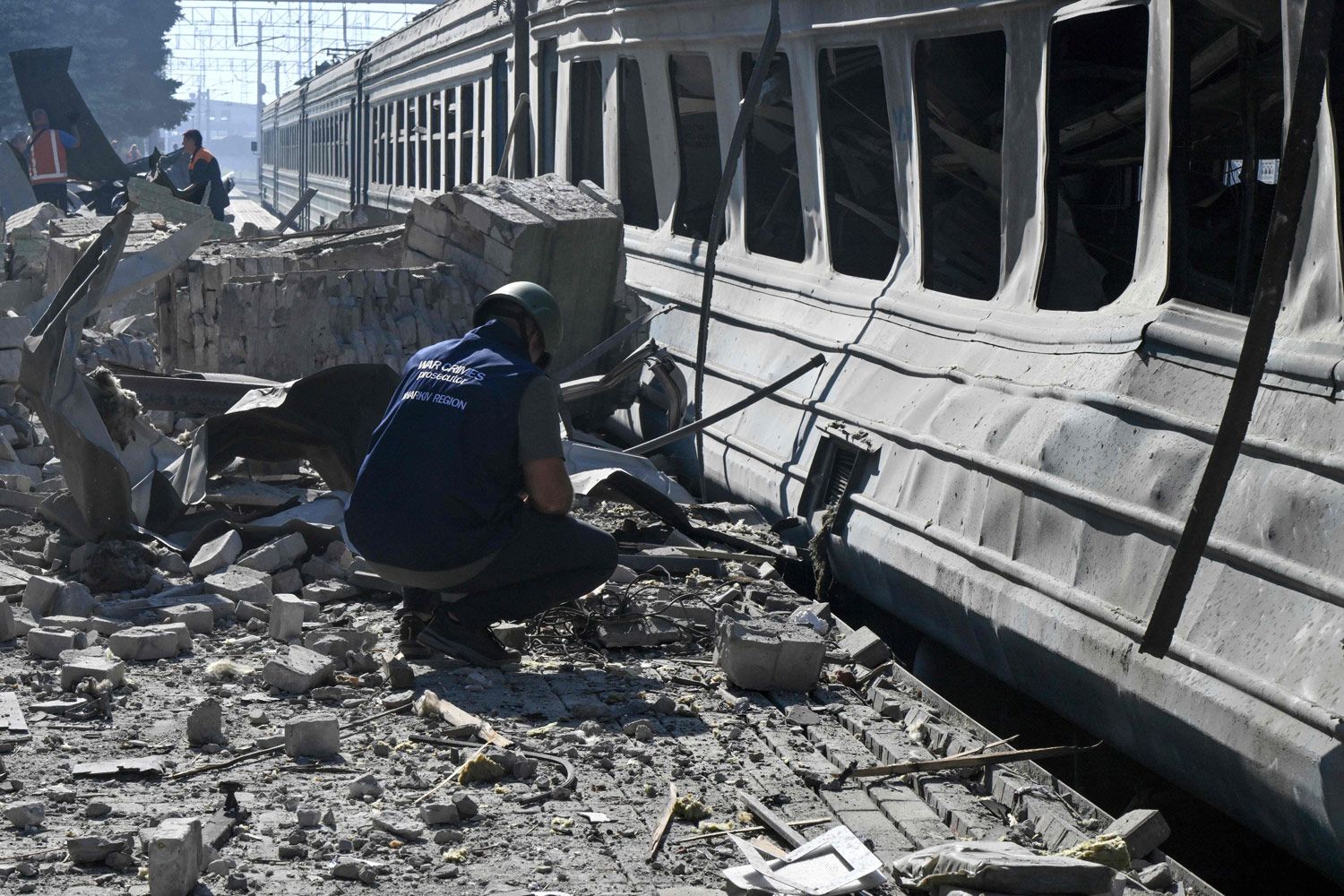
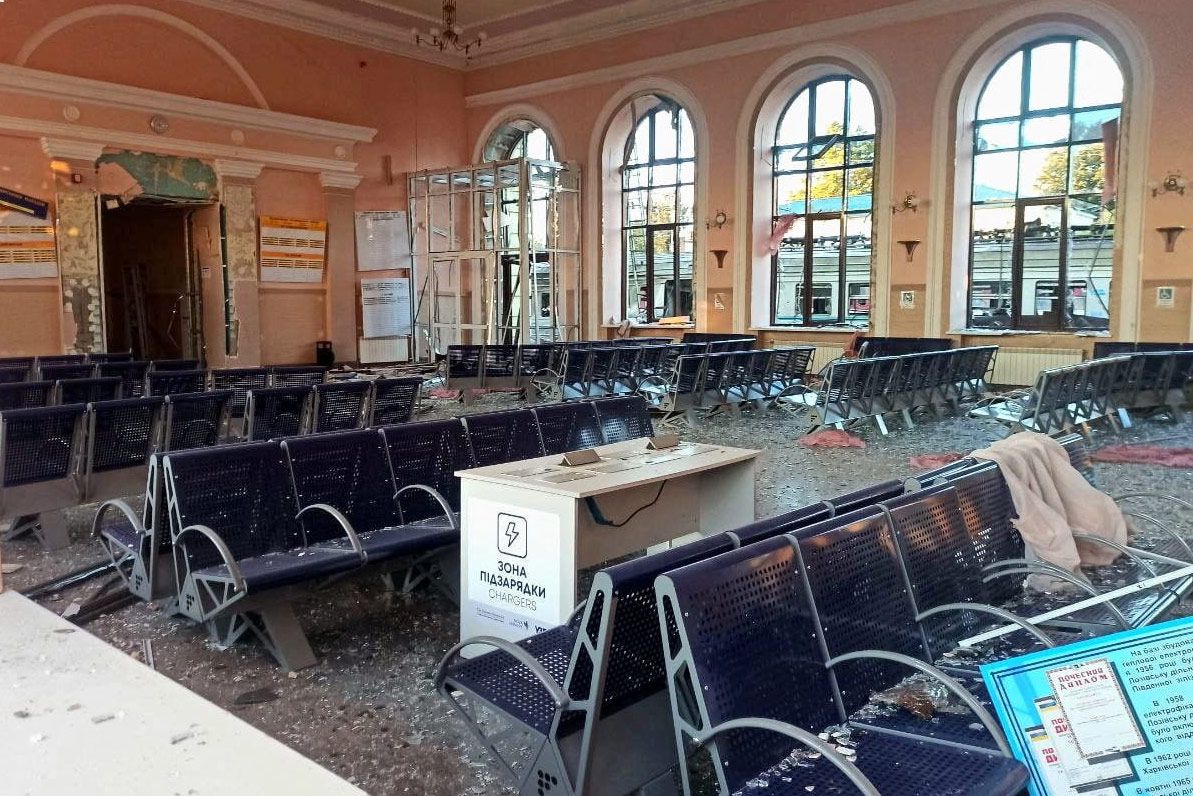
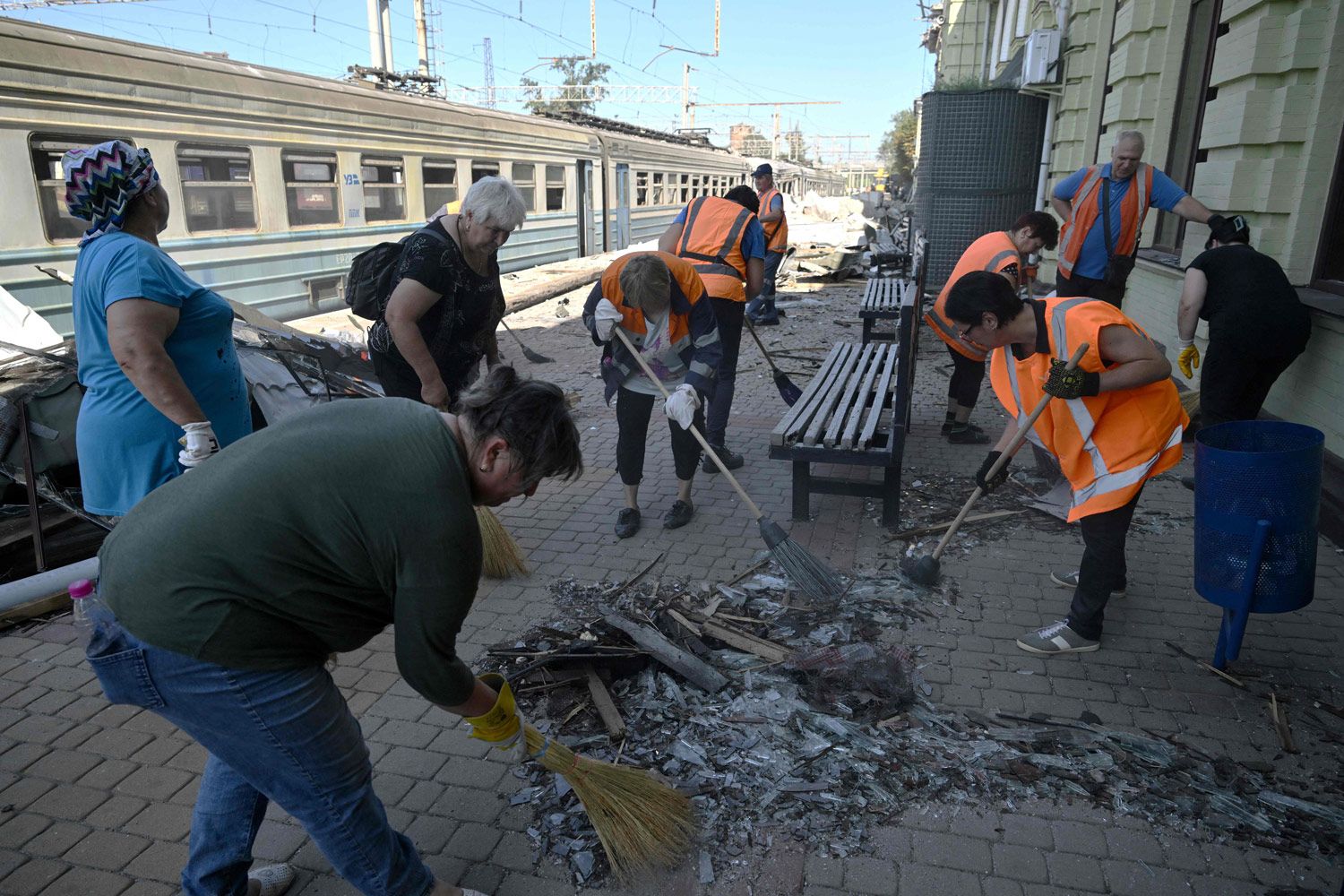
On the night of August 5, Russian troops attacked the city of Lozovaya in the Kharkov region. The mayor of the city, Sergei Zelensky, called this strike “the most massive attack since the beginning of the war.”
According to the head of the Kharkov regional military administration, Oleg Sinegubov, 34 attack drones were used during the attack. According to the mayor, critical infrastructure, high-rise buildings, and the private sector were damaged in Lozovaya; The station and train depot were also damaged. Some trains were sent on a detour, Ukrainian Railways reported .
As a result of the Russian attack, two people were killed - an on-duty mechanic of one of the railway units and a woman whose heart, according to Sergei Zelensky, “could not stand it.” At least 13 more people were injured , including two children aged 13 and 14 years old.
War through the eyes of Meduza readers
How we choose letters
Meduza's readers live in different countries and have different attitudes towards the war. We publish your letters to see this event through your eyes. Our editors try to present all points of view, even if they do not coincide with the editorial position. However, in accordance with the Meduza code, we do not publish messages that contain “hate speech,” justify the murder of civilians, or express direct support for an aggressive war.
Polina (St. Petersburg). My parents are from Ukraine. I was born in Russia. I spent every summer as a child with my grandmother. I don’t speak, but I understand speech well.
I remember very well how on my last visit in 2013 I felt tension in society, although I never encountered open nationalism. The news constantly flashed news aimed at condemning the Russian language and literature. Therefore, I tried as much as possible not to speak Russian.
I am a stranger here and there, so it was and so it will be. I'm hurt by what's happening. First, when I read the news about destroyed houses and dead. Then, when my dear aunt is happy that something flies near us. And that new long-range missiles have appeared, which will now reach St. Petersburg.
We stopped communicating completely. I was endlessly ashamed. I didn’t understand what to write about - how is everyday life going, about the weather? This is impossible. Therefore, I endlessly apologized, regretted, convinced that I was in the same shock as they were. Now I have stopped writing completely because nothing is changing and I have nothing to tell them. No one writes to me either. All connections are lost and severed.
I can’t even find words to describe how absurd, wrong and upside down everything seems to me. And it seems that no one around me feels this except me.
I tell the children about my childhood, about places where they will most likely never be. About relatives whom they most likely will not see. They learn to hide their origins and opinions from others. I teach them because I’m afraid that they will say something, draw something, and they might be imprisoned. Because in Russia they imprison children, torture children, kill children in war, while the state needs new children.
Share your thoughts about the war
"Jellyfish"