
Translated material
Japanese teenager due to school problems arranged self-immolation
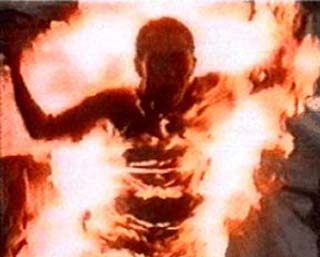
A 14-year-old boy died after a self-immolation he arranged on Thursday at the elementary school playground, reports Reuters . According to police, it was an obvious suicide.
As the investigation established, the teenager, apparently, poured gasoline and lit fire. The clothing impregnated with a combustible substance instantly flared up, the police representative said.
The emergency was qualified as suicide, but the police of the city of Shinminato, located on the west coast of Japan, about 300 km northwest of Tokyo, so far says that investigators have no versions regarding the reason for the fatal act of the boy.
According to researchers and psychologists, children have recently tolerate school lately. This social experience for many of them becomes an excessive burden. The psyche of adolescents is subjected to especially high tension before exams. Another problem is the failed complex relationships with peers. More suicide among children occurs precisely for these two reasons.
Japan is a world leader in suicides
It should be noted that Japan firmly occupies the positions of one of the world leaders both in terms of average life expectancy and high statistics of suicide. Socially regulated suicide since ancient times has been one of the features of Japanese national culture. With the beginning of the industrial era, the number of suicides has doubled.
All types of suicides in traditional Japanese culture are strictly regulated and have their own names. Dokuyaku Dzisatsu √ suicide is poison, or sleeping pills. Dzisu Dzisatsu √ drowning. Toosin Dzisatsu √ rush from a height. Harakiri (Sappuka), literally "cutting of the abdomen" √ the most famous national type of ritual suicide.