
Translated material
"God of comics" created a book about the Buddha
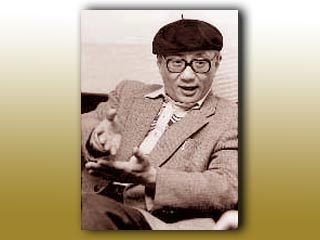
Among the many Japanese comics, translated this year into English, the central place is occupied by the one that has been in Japan in Japan for 30 years. It is called "Buddha" and talks about the events that occurred more than 2500 years ago.
According to the Yomiuri newspaper (with the translation of the material, the website Inopressa.ru ), the comic book "Buddha", created by the artist Osamu Tadzuka, was first published consistently in three comic book magazines in 1972. Since then, he has not gone from the shelves of stores selling products made in a new graphic form "manga".
Tadzuku is rightfully called "comics god." After the comics "Astobe" and "Black Jack" brought the artist an unprecedented success, he decided to try his hand at a more fundamental project of the project. As a result, a book illustrating the life of the Buddha was born. The artist revives his story, adding an additional storyline and new heroes to the classical narrative, on behalf of which an epic story is conducted.
On the first pages of the book, Buddha himself does not appear yet. All the reader’s attention is concentrated on a little boy named Chapra and his mother, who were born in the Caste of slaves. Another hero appears on their life path - Tatta, a little thief from the caste of untouchables. He steals a segment of the fabric that he carried to his master at the champa, and now the owner wants to sell his mother champion to compensate for this loss.
The boys free the mother of Champi and the three of them run away from the city. Soon the fugitives meet the army of the Kosala kingdom, which is moving to capture the city of Kapilavast, the capital of the country of Shakiev, and follow the wars. But the Kosala’s army, led by the commander of the Budai, was stopped on the approaches to Capilavast by amazing phenomena. First, the roars of locusts attacked the warriors, then streams of boiling water collapsed from the mountain and a huge ferocious white tiger came out of the forest. All these formidable omen were testified to the fact that something special should happen in Kapilavast.
But Chapor does not pay attention to what is happening, saves the life of the commander of Budai and becomes his adoptive son. Soon, the chapor becomes a valiant and famous warrior, he has the daughter of Vizier and thinks about how to achieve even greater success and glory. Once in the Budai army, a riot began, during which the mother of Champi and Tatt almost killed the rebellious soldiers. Fleeing from the persecution, they meet the Holy Hermit, who says that Tatta has the gift of transformation into various animals and is thereby the great mentor of people, whose immersion was also spoke of the hermit teacher.
Thus, the Buddha’s birth in the comic is preceded by a long plot, reminiscent of the “soap opera” in the form. However, through a modern language, the author revives the story that occurred and was recorded two thousand years ago. The reader receives a vivid idea of the caste system, about poverty and continuous wars, which was characteristic of the Indian society of that era, and begins to understand in which social atmosphere Buddhism was born and what questions of society he tried to give an answer.
Tezuka is a pioneer of the new style "manga". In his schedule, he uses the cinematic technique of the "corner chamber," which turns individual drawings into a single dynamic effect unfolding on the pages of the comic book. The heroes of his comics are in continuous movement, making the boundaries of a separate drawing conventional. A fascinating graphic performance is played out before the reader, which sometimes makes him forget that all this is only a game that should not be perceived too seriously.
Simple and almost childish drawings Tadzuki are distinguished by amazing emotionality and humor. Turning the historical background into a certain convention, the author allows the chapra to give autographs to the fans that he writes on palm leaves that won on the competition.
In the form of the manga, Tadzuka reproduced other classic stories - separate biblical stories and “Faust” Goethe. The light graphic style and comic techniques of the author help him to avoid trap of conceit and consciousness of his own significance when working on a comic book.
The heroes of the comic book "Buddha" speak a lively modern spoken language and in English translation. This year, the first two collections of the comic book were published. The remaining six collections will be published in 2004.