
Translated material
Neue Zurcher Zeitung: "There are two Putin, and maybe more"
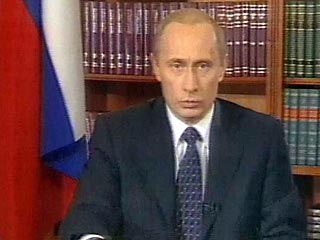
Russian writer Viktor Erofeev recently in an interview said about President Putin: "There are two Putin, and maybe more. He has not yet decided what he wants to be: Russian or European, democratic or authoritarian."
The same duality is often characterized by the opinion of the West about the mysterious Putin and about the huge empire controlled by him. Undoubtedly, after the turbulent and chaotic era of Yeltsin, Putin stabilized Russia in many respects. For five years now, the country has been demonstrating much higher economic growth indicators than large Western European industrial countries - mainly due to significant incomes from the highly increased oil export. At first glance, the indestructible popularity, which most of his foreign colleagues can envy, he is obliged to increase the stability and signs of expanding prosperity, at least in large cities.
Meanwhile, under the leadership of the former KGB officer Putin, post -Soviet Russia is again managed by decisively authoritarian methods. As in the Duma, as on federal television channels, there is little from living pluralism of opinions. However, it seems that very few Russian citizens are seriously worried. At meetings with the leaders of the leading Western countries, Putin also hardly have to listen to unpleasant questions - for example, about a shameful situation in Chechnya or other delicate topics, such as freedom of speech and guarantees of human rights.
The guarantee of rights is not least discussed in connection with the persecution of the Russian authorities, until recently, the richest person of the country and the chief owner of the oil concern Yukos Mikhail Khodorkovsky. A businessman, who is only 40 years old, has been sitting behind bars on charges of tax fraud and other crimes for only 40 years old. All signs indicate that soon Yukos will either be brought to bankruptcy due to billionth tax requirements urgently payable, or the company successfully developed by Khodorkovsky will take control of the state, writes the Swiss newspaper Neue Zurcher Zeitung (translation on the website inopressa.ru ).
Putin defiantly denies the custom nature of the Khodorkovsky case. He assures that the whole case of Yukos is only a matter of justice. In Russia, of course, no one believes this. A matter of such a scale and significance in the Putin empire would never be launched without the clear consent of the president.
However, if Khodorkovsky was primarily about the law and a democratic order, then all the other oligarchs, who, after the collapse of the USSR, made great states with a dubious way, would also have to appear before the court.
How should the West should react to strong Putin and partly of the constant-reformist, partly authoritarian-industrial policy? It is recommended not to lose sight of the fact that "there are two Putin", which Erofeev is talking about. This, in particular, means that the post -Soviet Russia and its in a sense of the freely chosen president should be considered as holistic as possible, with all their internal contradictions. Building conclusions on this basis, it is easier to avoid extremes: to deify or, conversely, demonize Putin's phenomenon.
His political partners in the West - from Bush to Schroeder - still hardly find the desired balance in their statements about the Kremlin friend.