
Translated material
Optimistic women often give birth to sons, scientists have proved
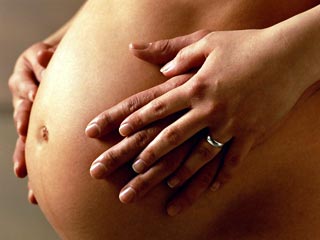
Optimists who think that they will live for a long time, more often give birth to sons than pessimistic women, claims a new study.
Researchers found that with every additional year of life that a woman is counting on, the chances of the fact that her first -born will be a boy, are increasing significantly.
Sarah Jones, a biologist from the University of Kent, who led the study, said that this effect means that at least in some regions people perceive their prospects for future prosperity affects the ratio of sexes.
Previously, studies have established that women with physical health and living in comfortable conditions, with sufficient nutrition, are more often produced by boys, and women living in adverse conditions often give birth to girls.
According to Dr. Jones, the relationship between the expected life expectancy and the child’s sex can be explained by the “selfish” behavior of genes, writes The Guardian (translation on the website inopressa.ru ).
Darwinists call this a hypothesis of Traverts-Woundland. According to this hypothesis, if the mother experiences stress - whether it is stress caused by health problems, poor living conditions or insufficient nutrition - biological consciousness makes her be more likely to be a girl than a boy.
“Giving birth to a girl is a“ reliable investment of capital ”, so you are sure that a successful reproductive cycle has taken place,” Jones says. “The boys are more at risk. They are more likely to die young, and if they survive, then they have to fight for the possession of women. Theoretically they can give you a lobby of grandchildren, but if they don’t do them, you risk getting a loser who will not produce a loser who will not produce at all offspring ".
These conclusions do not mean that women can affect the floor of their not yet born child, changing their views on life. "This means that the ratio of the sexes depends on the conditions of the mother’s life. It is amazing that this effect can be observed on the basis of the modern population. While there is an idea of equality, people clearly think differently."