
Translated material
Likud and Avoda reached an agreement on the formation of the Israeli government
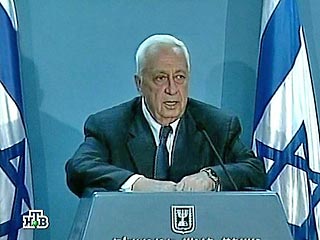
The ruling in Israel Party "Likud" and the largest opposition party "Avoda" reached an agreement on the formation of the government. Israeli radio reported on Friday that the socialists would receive eight portfolios in it.
Negotiations on the accession of Avoda to the ruling coalition were launched at the suggestion of Prime Minister Ariel Sharon after his government lost the majority in the Knesset.
Support on the part of the Avoda, adhering to a socialist orientation, will allow Sharon to begin to implement La Stampa Target = _blank> a plan for the withdrawal of Jewish settlements from the gas sector, against which many Israeli parties oppose, Interfax reports.
Having parted over the past six months with all partners in the ruling coalition, Sharon for the first time in the political practice of Israel remained with a vulnerable single -party government that enjoyed only a third of the Knesset deputies.
The political crisis is based on the decision of the Sharon in 2005, a full departure from the gas sector, which implies the violent resettlement of eight thousand settlers. Sharon invited Congress members to create a government based on Lida (40 out of 120 seats in the Knesset). In addition, representatives of the Avoda party (labor party), as well as representatives of religious parties, presented in parliament, 20 deputies could enter the government.
Sharon believes that with this coalition he will be able to lead the country to the 2006 parliamentary elections. Prior to this vote, he wants to complete the department from the Palestinians (despite the opposition of orthodox deputies and most Likudis themselves), as well as to carry out (despite the opposition of the trade union wing of the labor batch) a deep economic reform developed by the Minister of Finance Benjamin Netanyahu.
According to Sharon, the time factor is crucial. But the country, in his opinion, must more rationally use its own limited resources: first of all, it is necessary to conclude settlers, “who have no future in gas” and who need to help in the move to Israeli territory.
The leader of the Avoda Shimon Peres adheres to a similar position. “There was an exceptional opportunity to achieve peace,” he said. “The contradiction is that when new opportunities appear on the diplomatic field, fluctuations arise in our political system.”
In addition, he added that for him, leaving Gaza is only the first step in the direction of the implementation of the “road map” - a plan for the phased construction of the Palestinian state. Therefore, the Labor should remain in the government until 2006.