
Translated material
Lack of organs for transplantation develops "transplantation tourism"
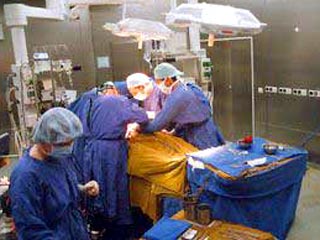
In the UK, as in all other countries, it is forbidden to pay for the authorities to the authorities. This is stated in the Law on the transplantation of human organs of 1989. However, although direct sales are prohibited, often the donor pays for all expenses and compensation, writes The Times (full text on the website inopressa.ru ).
Despite the fact that very strict laws act in many parts of the world, the International Black Black Market has developed infrastructure and directs desperate people in search of, for example, kidneys, to distant countries.
Such patients are guided by several terrible sites, where, for example, the kidneys of prisoners executed in China are offered. The most poor European countries, including Moldova, Estonia, Bulgaria, Turkey, Russia and Romania, also participate in the trading transplants.
According to Kidney Research UK, a leading charitable organization involved in the problem of kidney transplantation, although serious measures are required to overcome the deficit of the organs, it is impossible to put up with the purchase and sale of organs.
Michael Nicholson, a professor of transplantation surgery at Lester University, notes that, entering the black market, patients run the risk of being infected with infections and hepatitis, since surgical procedures do not comply with the standards adopted in the UK.
“I strongly do not recommend to patients to buy an organ for transplantation abroad,” Professor Nicholson emphasized. “Instead, we must seriously revise the transplant infrastructure in the United Kingdom. The organs suitable for transplantation are, but so far we are not able to increase their accessibility.”
One way to increase the number of donors is the adoption of a policy of “alleged consent” when each person is considered a potential donor if he has not formulated his refusal during his lifetime. This system is successfully used in countries such as Spain, Belgium and Austria.