
Translated material
In Transnistria, they offer to resolve the conflict with Moldova with the assistance of the UN
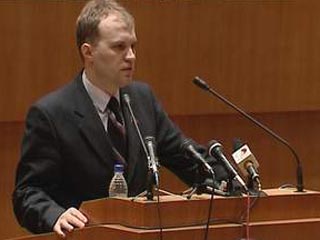
Evgeny Shevchuk, the chairman of the Supreme Council of the Unrecognized Transnistrian Moldavian Republic (PMR), proposes to carry out the Transnistrian settlement under the auspices of the UN.
The corresponding statement is contained in his speech, prepared to participate on May 24 in London in the International Conference "Ways for resolving the Moldovan -Podnestrovsky conflict - views from both shores of the Dniester" (full text on the website of the New Region agency).
Shevchuk did not go to the conference: the British Embassy in Moscow withdrew the visa issued to him, since it was included in the list of the leaders of Transnistria, who is prohibited from entering the EU countries, Interfax reports.
In his speech, Yevgeny Shevchuk pointed out a “high degree of distrust between Chisinau and Tirapol”, which makes effective negotiations between the parties impossible. He criticized the leadership of Moldova, noting that "the actions of the Moldovan authorities are not foreseen."
The Chairman of the Supreme Council proposes to organize the monitoring of the region with an international monitoring group specially established by the UN.
This group is proposed to develop recommendations "on preparing for the Transnistria of the referendum in the UN monitoring, with the participation of guarantor countries, observers from the EU and the United States to identify the will of the Transnistria population regarding the Transnistria to the Republic of Moldova as autonomy."
The plan provides that after the referendum, in the event of a refusal of the Transnistria to join Moldova, the UN sets a annual transitional period for the functioning of the Transnistria with the institution of the UN special representative and the Republic of Moldova, which exercises constant monitoring and the development of recommendations for elections for six months.
According to the plan, after the election, a constitutional agreement is concluded on the creation of a union state, and then elections are held to the union bodies.
The agreement proposes to establish a three -year “rapprochement” period during which Transnistria is not endowed with international legal personality and does not have the right to secession (exit from the state).
In the case of expressing the desires of the population of the Transnistria according to the results of the referendum to be included in Moldova, according to the plan, during the year, elections are held in the representatives of the authorities, which subsequently participate in the implementation of the necessary measures to create favorable conditions for Transnistria and Moldova. In this case, in Transnistria, a two -year period is set - the “transition period” to harmonize the law.
Shevchuk proposed for the period of implementation of the plan "to eliminate the possibility of applying measures of economic, political and other pressure, as well as the establishment of administrative barriers that impede the movement of citizens and the freedom of economic activity."
Earlier, public organizations of Transnistria asked Russia to act as a guarantor of a referendum on independence in the region.
"Recently, a tendency has been manifested by solving political issues in conflict zones by referendum. A fresh example of this - plebiscite about the right to state self -determination in Montenegro. A similar referendum should be carried out in Transnistria," the Anti -Alocade Council of Public Organizations of the PMR, sent to the address of the President of Russia and the State Duma, said.
"Voting in Montenegro took place under the auspices of the European Union. The referendum in Transnistria is proposed to be held under the auspices of Russia," the document says.
"Russia today can act as a guarantor of the Transnistrian referendum. The new chairmanship of Russia in the Council of Europe gives it additional opportunities for this," the Council representatives are sure.