
Translated material
By the end of the presidential term, Bush North Korea will have up to 17 nuclear ammunition
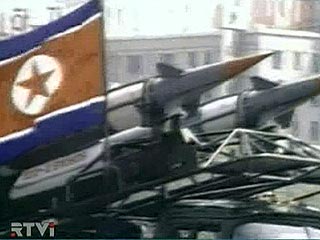
The breakdown of the 1994 framework agreement between the United States and the DPRK to refuse Pyongyang from the nuclear program led to the development of Plutonium for nuclear weapons in North Korea. According to the former UN inspector for weapons, David Olbright, under the current US administration, refused, as you know, the agreement, Pyongyang, increased his stocks of plutonium from 1-2 ammunition to 4-13 and, by the time Bush departure from power, can bring to 17, writes on Wednesday "Independent Gazeta" .
These data were published in the American press last Monday simultaneously with messages from the White House that George Bush called on Pyongyang’s authorities "to clarify that they had this medium on top of this and their intentions." The word "from above" means the combat part of the two -stage ballistic missile installed at the landfill at Cape Musudan in the eastern part of the DPRK. According to Bush, he handed over his demand to the DPRK to the country's close countries, to particular the PRC and Russia. Now, according to the president, he learned that the Chinese brought his message to the addressee.
According to Olbright, the “on top of the carrier” is definitely not a nuclear charge, since the North Koreans still do not know how to make it compact enough for placement on the rocket. At the same time, in the report written by Albright together with another specialist Paul Brennan, it is noted that the North Korean reactor in Yonben north of Pyongyan continues to develop Plutonium.
The first Plutonium bomb was a “fat man”, dropped by an American bomber in 1945 to Nagasaki. Now Pyongyang has 4-13 “fat” material or, as Albright and Brennan claim, at the level of nuclear arsenal South Africa in the 1980s, when this country decided to abandon the nuclear program.
Olbright and Brennan are not accidentally correlated by the development of the North Korean nuclear program over the time of the current administration. The fact is that Bush, even during the election campaign, called the framework agreement with the DPRK unprofitable for the United States - they were supposed to supply fuel fuel oil and ensure the construction of two reactors on light water to the nuclear program to refuse a nuclear program. The agreement was terminated two years after the election of Bush.
The report reports that Pyongyang has not yet developed enough splitting tools to satisfy his needs to create a “deterrence”, but when he does it, he can begin to sell them to other countries. In addition, in North Korea there is the begun, but suspended construction of a 50-megavat reactor. If it is brought to the end, then the possibilities of developing plutonium in the DPRK will increase by 10 times.
On Monday, it was reported that Washington was going to deploy by the end of the year the anti-missile ballistic systems such as the Patriot (PAC-3) at the American military base in southern Japan.
The US administration announced at the beginning of this month the Japanese government about its intention to place the advanced Patriot missiles on the island of Okinawa. This will be the first deployment of rockets of the Earth-Athos type in Japan in response to the alleged preparation of testing the ballistic missile by North Korea.