
Translated material
Estonian citizens using Soviet symbols can receive up to three years in prison
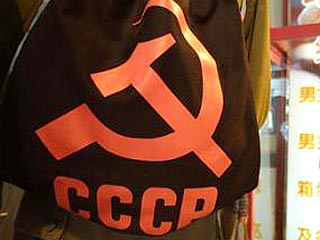
In Estonia, the guilty of the use of Soviet symbols in the public place can be sentenced to prison until three years.
Such amendments to the Code of Punishment approved the government of the country at the meeting on November 30. After that, the decision was aimed at the final adoption in parliament.
As Interfax was informed in the press service of the Estonian government, the amendments law was prepared by the Ministry of Justice.
The use of the symbols of the former Soviet Union and the Union republics in public places, as well as the symbolism of the National Socialist Party of Germany (NSDP) and the SS, are considered as inciting the growth related to the occupation regimes.
Under the concepts of such symbols, the corresponding historical banners, coats of arms and the like, also fall, if they are easily recognizable or represented partially, but easily understood.
For the use of the symbols of the Soviet Union or Nazi Germany, legal entities are offered a punishment in the form of a fine of up to 50,000 kroons.
We will remind, earlier the Estonian parliament examined the laws "On the Protection of Military Burials" and "On the demolition of unsuitable structures." The wording of the first law, which says that "it is forbidden to establish monuments that incite the discord and glorify the countries that occupied Estonia" on legally to begin the demolition of the monument to the Tallinn warrior from the Nazis.
The second law prescribes to reburrow in the cemetery the remains of Soviet soldiers from the "inappropriate" place in the square near the monument. Thus, both of these laws should put an end to the confrontation of supporters and opponents of the demolition of the monument to the Soviet soldiers in the capital of Estonia, as well as other similar monuments in the country.
The question of the future of the monument to Soviet soldiers in Tallinn deepened a split in Estonian society. While the Russian -speaking population of the country advocates its preservation, Estonian nationalists advocate the demolition or transfer of the monument, which, in their opinion, is a symbol of the Soviet occupation.