
Translated material
Oil is getting more expensive against the background of messages about interruptions in its supplies through Belarus
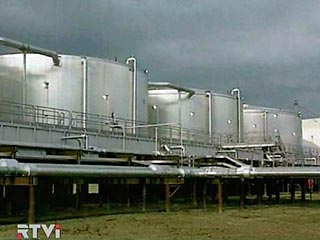
The world oil prices, which survived a record for almost two years last week, grew up on Monday in anticipation of a cooling in the east of the United States and after messages about interruptions in its supply through Belarus. Among other factors - an announcement of the upcoming reduction in the volume of oil production by its largest manufacturer of Saudi Arabia.
On Tuesday, the price of a barrel of oil with a supply in February in the New York Model Exchange system increased by 1.6%, or 91 centers to $ 57.22 per barrel, Bloomberg reports. In London, Brent oil rose to 86 cents to $ 56.50, Interfax reports.
On January 7, late in Poland, Russian oil on the Druzhba oil pipeline stopped flowing into Poland, which also delivers raw materials at the refinery in Germany, after Belarus introduced a fee for its transit. Moscow considers this fee illegal.
The head of Transneft, Semen Weinstok, announced on Monday that Belarus from January 6 illegally takes Russian oil from the oil pipeline intended for Western Europe. According to the Polish side, Warsaw is 96% depends on the import of oil on the Druzhba oil pipeline, while all 100% of oil goes through Belarus. At the press conference urgently convened in Warsaw, the Deputy Minister of Economy Poland Petr Namsky noted that the European Commission was already informed by the Polish side of the "situation with the twisting (oil) crane." He added that oil is currently not temporarily entered by Germany. “We informed the German oil pipeline operators about the current situation last night,” the deputy minister emphasized.
According to him, Warsaw received information that Russia is ready to compensate for the shortage of oil. The Deputy Minister of Economic Development and Trade of the Russian Federation Andrei Sharonov said that the shortages of Russian oil to Europe due to the actions of Belarus are "hundreds of thousands of tons".
In addition, according to the latest weather forecasts, this week in the east of the United States is expected by a cooling that will last until January 20, which can cause demand for demand not fuel after several weeks of unusually warm weather.
A statement by representatives of the organization of oil exporting countries, according to which a cartel could hold a meeting even before a planned meeting on March 1, also contributed to a change in the mood of the market participants in order to decide on a new reduction in production to maintain prices.
Last week, prices fell by 7.8%, approaching $ 55 per barrel. Compared to the record level of August, when the quotes reached $ 78.40 per barrel, oil fell by 28%.
In the east of the United States, which accounts for 80% of the country consumed in the country, the weather still held record. Against this background, fuel reserves grew in the United States.
A week before last, fuel oil reserves increased in the United States by 1.97 million barrels to 135.6 million barrels, although analysts expected an increase by only 835 thousand barrels. The supply of gasoline increased by 5.68 million barrels - to 209.5 million barrels. This winter may be the warmest world in history in the world.