
Translated material
Religious leaders in Europe are convinced that a properly taught religion protects against the influence of extremism
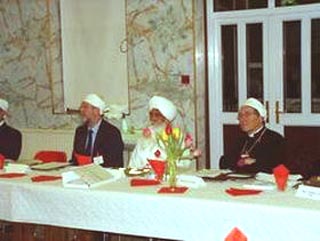
The European Council of Religious Leaders discussed the situation of Muslims in Europe, the place of religion in society and in the field of education, as well as ways to confront terror and pseudo -religious extremism.
The meeting of the Council took place on February 12-14 in Birmingham (Great Britain), at the religious and administrative center of the Sikh community. As a representative of the somoder of this organization, chairman of the department of external church relations of the Moscow Patriarchate (MPC MP), Metropolitan of Smolensk and Kaliningrad Kirill , his deputy Archpriest Vsevolod Chaplin took part in the meeting.
In the final document, the text of which entered the Interfax agency, the meeting participants condemned terrorism, especially carried out in the name of religion, and called for politicians and the media not to identify terrorists with whole religious communities.
Touching upon the role of religion in society, the Council said that "religions affecting social relations and lifestyle cannot be enclosed in a private sphere," noting that there were times when one religious community or one worldview could "monopolize the education system."
“At the same time, we are convinced that the properly taught religion gives a sense of identity and self -confidence, protects against the influence of extremism,” the participants of the meeting emphasized.
Members of the Council indicated the importance of providing youth of all opportunities for a deep study of their own religious traditions. At the same time, in their opinion, young people need to know the traditions of their neighbors, in order to understand the world in which they live, to be able to meaningfully cooperate with others and respect them.
Greeting to the meeting participants was sent by the Prime Minister of Great Britain Tony Blair, thanking the advice "for organizing an event that contributes to a positive discussion between various religious communities."
Among the priority areas of the Council in the next two years will be the development of a network of inter-religious councils in different countries of the continent, interaction with European international organizations, peacekeeping efforts in Iraq, Sri Lanka and the Korean Peninsula, as well as a study of the potential role of religion in the gutful use of water resources.