
Translated material
The Latvian government approved the border agreement with the Russian Federation. Word for parliament
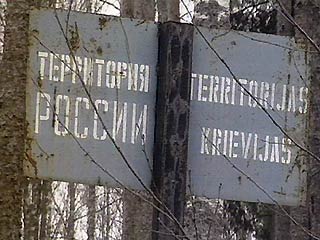
The Government of Latvia on Tuesday approved the bill on ratification of the border agreement with Russia and sent it to approval to the Latvian parliament, RIA Novosti was told in the press service of the country's government.
As previously stated by the Prime Minister of Latvia Aigar Kalvitis, the parliament must ratify the contract until May 17. The contract will enter into force from the moment of ratification by its parliaments of both countries. However, in the Sejm, after signing the contract in Russia, two factions said that they were ready to dispute the contract in the Constitutional Court .
The government, however, did not prevent the contract with the ultra -right ones: all other ministers voted "for". The right ones believe that the border agreement does not comply with the Constitution of Latvia.
The contract was prepared in 1997, but due to political disagreements, its signing dragged on for 10 years. On March 27, in Moscow, the heads of government of Russia and Latvia signed this document .
TYLOVOVO: In Abrene there is no return
Under this agreement, Latvia refuses any territorial claims to the Pypovsky district of the Pskov region of Russia. In connection with the signing of the contract, the unilateral declaration adopted by the government two years ago, which contained a link to a peace treaty between Latvia and Russia from 1920, according to which Latvia departs Abrene and six surrounding volosts, which are now the territory of the Pypskovsky district of the Pskov region.
This area before the Great Patriotic War was part of Latvia and was called Latvian - Abrene. After gaining independence in 1991, Latvia raised the question of recognizing the Riga Treaty with the Russian Soviet Federal Socialist Republic (RSFSR) of 1920 and the illegality of the transfer to Russia of Pynovsky District as part of the Molotov-Ribbentrop Pact.
At the same time, Latvia did not require the return of the territories, but indicated that Russia should recognize the illegality of the rejection of these territories. In 1997, the countries were supposed to sign a border contract, but in the addition of Latvia to it, she adopted a kind of "explanatory declaration". It again indicated the "problem of Abrene." Diplomats explained the emergence of the Declaration with the features of the Constitution of the country, which prohibits changing borders without holding a referendum. Then this referendum was held, its results showed that the inhabitants of Latvia Abrene were not needed. All this time, Moscow considered the appearance of the declaration as "nomination of territorial claims", and did not sign the contract.
Riga held all the responsibility for the failure of negotiations on Moscow. The Russian authorities - on the Latvians who decided to provide the already agreed document by the preamble, which contained a link to the 1920 Riga Treaty.