
Translated material
Tokyo can completely ban export to North Korea
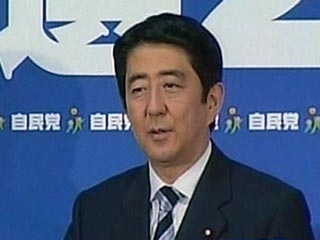
The Government of Japan is studying the issue of introducing a package of new sanctions against the DPRK in case Pyongyang does not fulfill the obligations taken following the last meeting of participants in six -way negotiations, and will not take steps to turn its nuclear program, the Yomiuri Japanese newspaper reports on Monday.
Japanese Prime Minister Shinzo Abe called on the DPRK not to delay the dismantling of a nuclear program, since the patience of Tokyo is notorious. “The deadline for fulfilling the promises has already expired, and our patience has a limit,” Abe said. “If North Korea does not fulfill obligations, we will be forced to consider the issue of our further actions, discussing it with the United States and other interested countries.”
After the missile tests conducted in the DPRK last July, the Japanese government closed its ports for the North Korean ferry "Mangenbon", which was the only relatively regular means of direct communication between the two countries. The issuance of visas to representatives of the DPRK authorities was also stopped, which actually meant a ban on entering Japan for all citizens of this state, ITAR-TASS reports.
The sanctions were reinforced after the first nuclear test of the DPRK in October last year. Tokyo closed his ports for all ships from this country, including fishing. In addition, Japan closed the entrance to its ports to foreign courts, before arriving in Japan who visited the DPRK. Tokyo also stopped all banking operations with Pyongyang.
Japan has already banned the ban on deliveries to North Korea, which fall under the category of luxury items, as well as related to the production of weapons of mass destruction.
Pyongyang refuses to fulfill the promises achieved in February and stop the nuclear reactor until it receives $ 25 million from the bills that were posted in Macau.
North Korean accounts at Delta Asia bank in Macau were frozen in September 2005. Then Washington suspected that the funds placed on them are related to money laundering and illegal financial transactions.