
Translated material
New face of Islamabad: villas, diamonds and alcohol
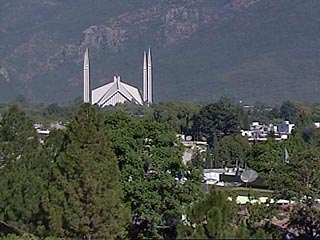
Islamabad, the capital of Pakistan, is an example of economic development that the military regime boasts. For eight years, while the annual economic growth was on average 6%, the city has more luxurious villas and all -wheel drive cars.
Alcohol flows in the river in salons covered with Persian carpets, where a rich liberal minority - it includes both men and women - loves to shine with his diamonds.
The city itself, as the Spanish El Pais describes it (the full text of the article on the website inopressa.ru ) was drawn in the 70s on paper to turn into the administrative capital of the country and reduce the load on the overpopulated Ravalpindi.
General Perevez Musharraf without hesitation bought loyalty. As a result, neither the exchange nor the multimillion -dollar real estate industry pay taxes. The military are the main recipients of tax benefits and other benefits, writes Aisha Sidik in his recently published book “Pakistani Military Economy from the inside”.
But just a few kilometers from the city of Islam of Islamabad is a different reality. Most of the 10 million inhabitants of Ravalpindi live for a salary of 5,000 rupees per month, which is 65 euros. "If one person, to feed, needs at least 150 rupees per day, how will they support the family?" - exclaims the local journalist Shabaz Ran.
And only rare lucky ones at dawn are crowded in line for the bus so as not to be late for work in Islamabad, where salaries are much higher. Due to the deplorable state of public transport, the path that can be overcome by car in half an hour takes two hours.