
Translated material
Tim Berners-Lee: Google will have to be squeezed
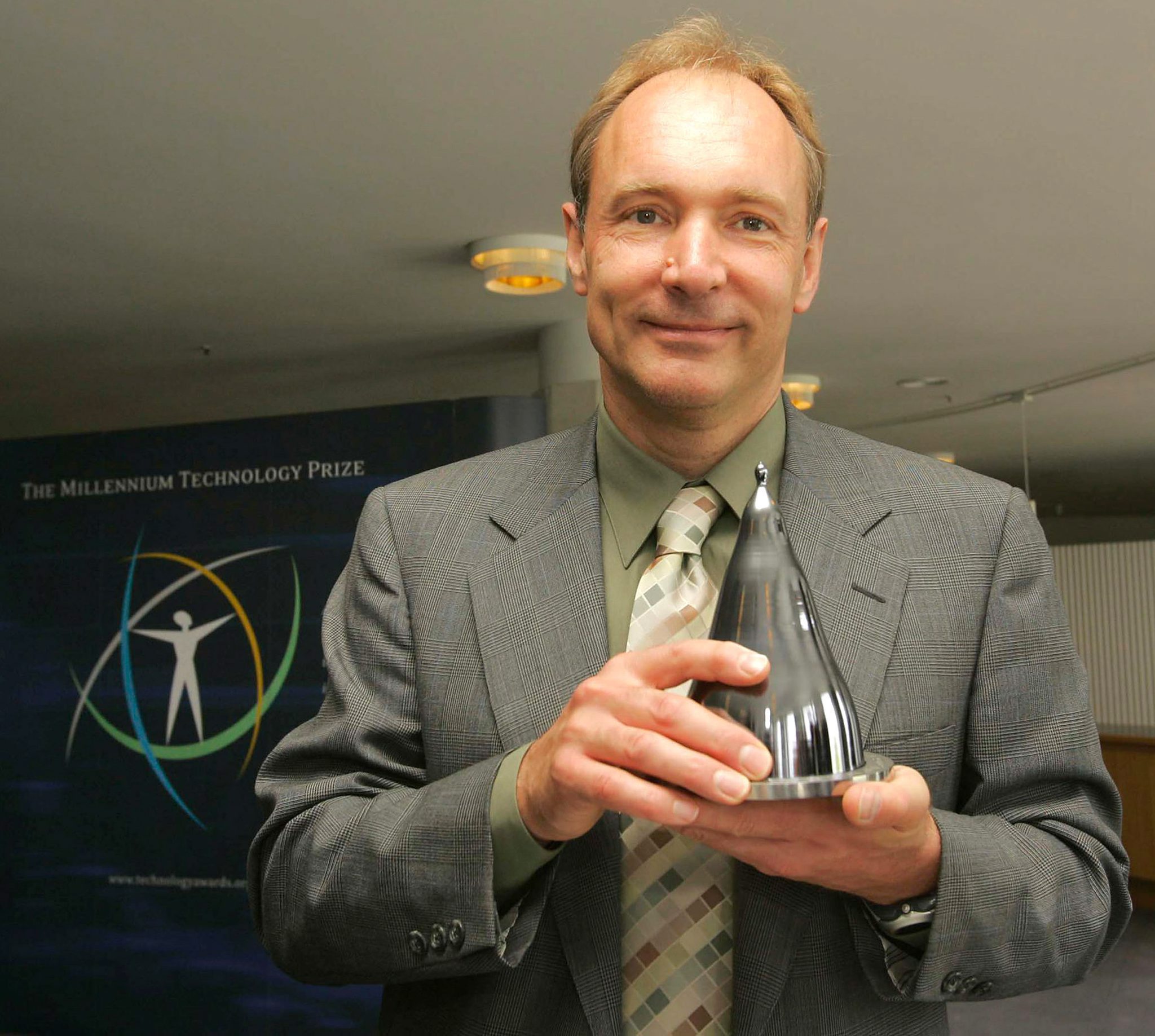
The creator of Wood Wide Web Tim Berners-Lee said Timesonline that Google will be supplanted by the new structure of the worldwide web so-called Semantic Web (semantic web). Tim Berners-Lee has been working on this project for many years. He believes that Google works well only with text Internet pages, but today the Internet is much more diverse information and is not enough to combine Google methods.
Tim Berners-Lee leads the consortium www ( The World Wide Web Consortium-W3C ), which is founded by MIT (Massachusetts Institute of Technology and the University of Southampton). Semantic Web studies have been going on here for many years.
According to Berners-Lee, Semantic Web will allow you to bring together any seemingly incomparable sources of information-whether it is bank accounts, photographs or sound files.
The concept is based on work with metadan, which characterize the properties and content of Internet resources. Google uses a purely text analysis of documents. Using the “semantic web”, which will be able to recognize the information you are interested in in completely different forms of Internet data, it will be possible to design a web applications that will be much more powerful than those that are now used on the Internet. The serious advantage of Google is that the search engine does not require any additional descriptions of the resource from the user, but works with the data that are placed on the resource.
Tim Berners-Lee says that the semantic web will not replace the worldwide web, but only become its superstructure, translating all the contents into a tongue more understandable to computers. In everyday life, he says, it will look something like this: “Take an example from the family budget. Usually, analyzing bank accounts, we painfully recall the circumstances of our money, especially when filling out a tax return. The semantic web created by us will allow you to bring together completely incomplete things, such as bank accounts and calendar, will force them to use the same language and share information with each other. Having put on the screen with the help of a mouse an invoice to the calendar, on the latter you will see the shaded areas meaning the days of your cash expenses - and immediately remember the circumstances in which this or that check was written out. ”
According to the scientist, social websites incredibly popular today, such as Myspace or Facebook (the analogue of which is the Russian Social Network "Odnoklassniki"), will eventually be replaced by networks connecting not only people, but also the most diverse objects located on the network.
The main problem of creating a semantic web, according to experts, is to find a universal way of recognizing any document placed on the Internet and fix references to it. In case of luck, this promises revolutionary transformations in many industries.